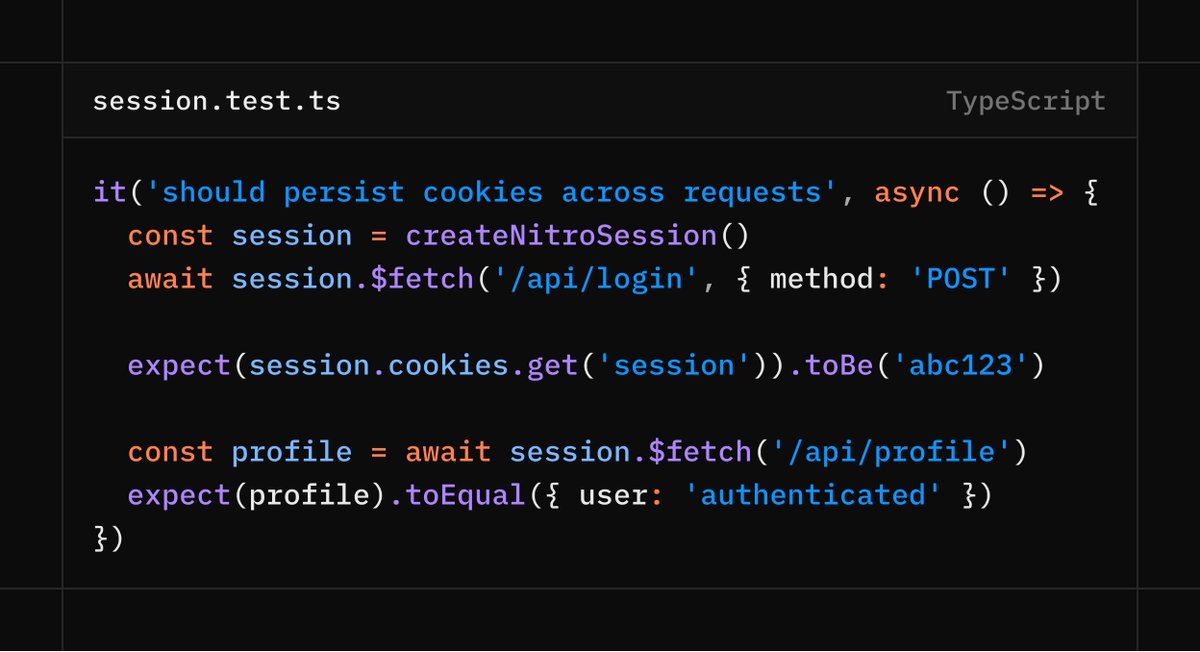
To celebrate @nitrojsdev v3 beta, nitro-test-utils v1 is here. Testing your server routes should be just as fast as building them.
🧪 Vitest 4 + full config control
🍪 Shared cookies across requests
🔁 Source changes auto-rerun your tests
📦 Zero config
AI eliminated the natural barrier to entry that let OSS projects trust by default. People told me to do something rather than just complain. So I did. Introducing Vouch: explicit trust management for open source. Trusted people vouch for others. https://t.co/6mY8yIcvGx
The idea is simple: Unvouched users can't contribute to your projects. Very bad users can be explicitly "denounced", effectively blocked. Users are vouched or denounced by contributors via GitHub issue or discussion comments or via the CLI.
Integration into GitHub is as simple as adopting the published GitHub actions. Done. Additionally, the system itself is generic to forges and not tied to GitHub in any way.
Who and how someone is vouched or denounced is up to the project. I'm not the value police for the world. Decide for yourself what works for your project and your community.
All of the data is stored in a single flat text file in your own repository that can be easily parsed by standard POSIX tools or mainstream languages with zero dependencies.
My hope is that eventually projects can form a web of trust so that projects with shared values can share their vouch lists with each other (automatically) so vouching or denouncing a person in one project has ripple effects through to other projects.
The idea is based on the already successful system used by @badlogicgames in Pi. Thank you Mario.
Ghostty will be integrating this imminently.
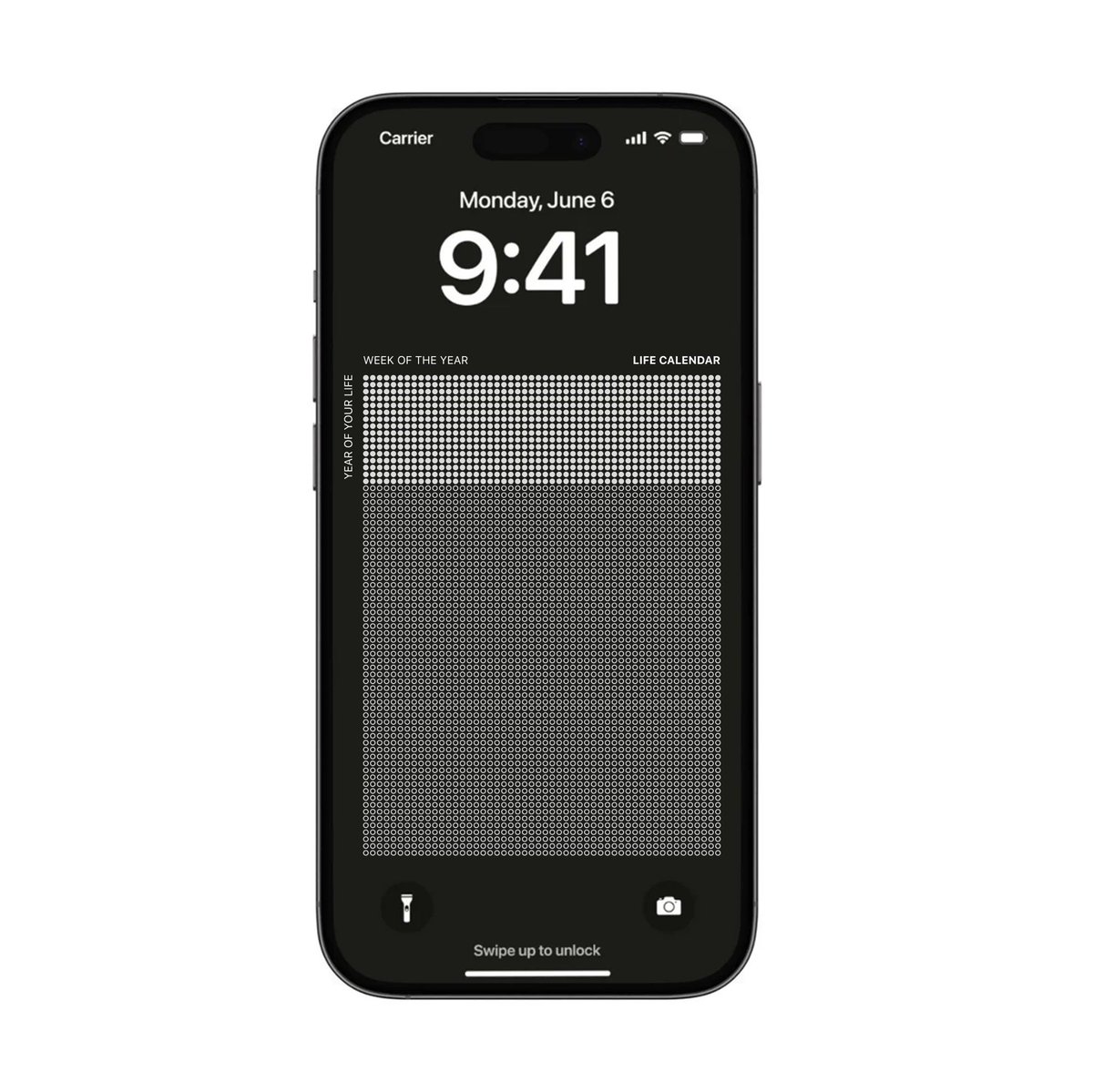
I built an iOS shortcut inspired by @waitbutwhy’s life calendar: your entire life as a finite grid of weeks on your lock screen.
Since apps can’t update the lock screen, a shortcut runs weekly, fetches the next image from an endpoint, and updates the lock screen automatically.
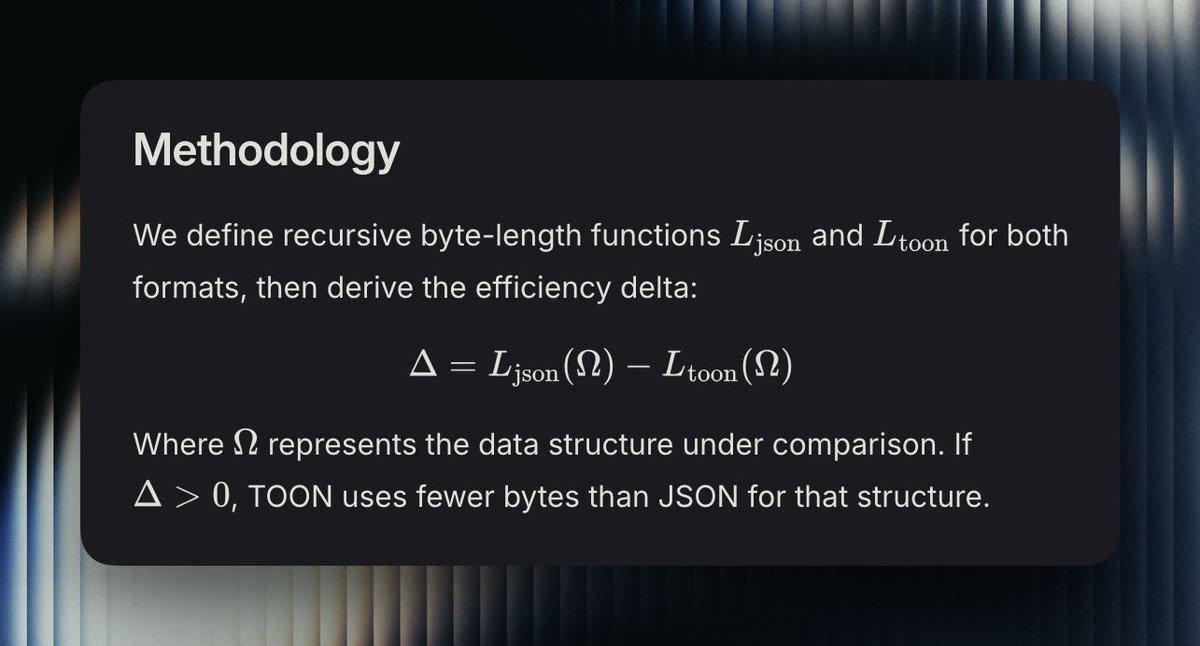
🧮 New docs page: “TOON vs JSON: Byte-Level Efficiency Model”
A simple byte math framework for why TOON is smaller in some structures – and why compact JSON can win in others.
Huge thanks to @lafalcemateo for contributing it!
https://t.co/5j89m47AM1
Longer queries means incurring higher token costs. But there’s more to building good AI applications than pinching pennies on tokens. TOON (Token-Oriented Object Notation) creator @jschopplich explains: https://t.co/eTuToBugt6
It's wild to see how much debate and controversy a text format can spark.
I learn by building, and TOON is just an experiment. If it turns out to be useful, people will adopt it. If not, it'll quietly fade away. That's the power of open source.
Crazy how much more informed you can be by just reading the README file on the repo.
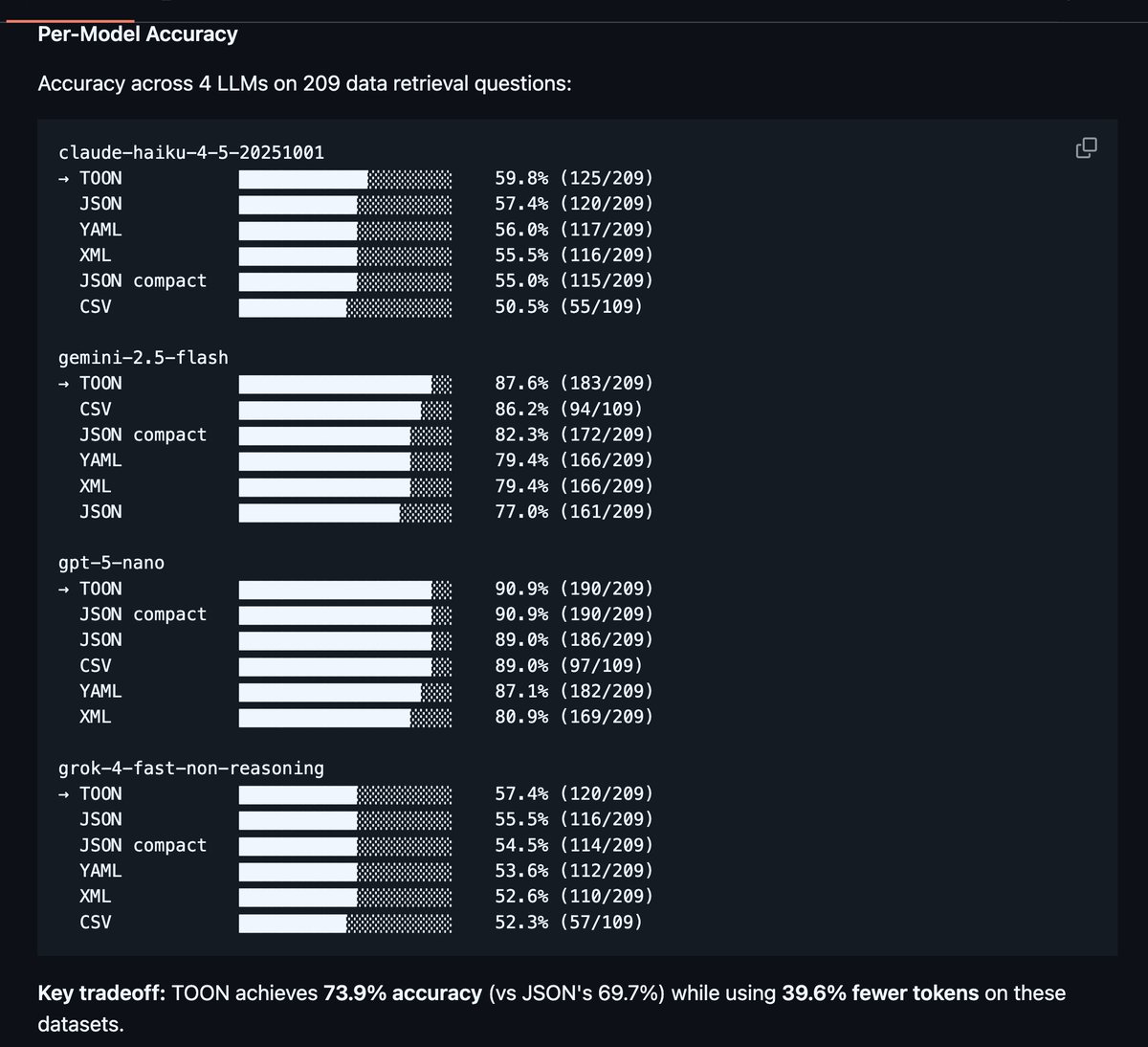
Armin is wrong here, the training data doesn't matter. TOON makes most models more accurate for lookup.
This is exactly the type of use case TOON was designed for – thx for sharing, Jake! Interesting to hear about the drops in token usage and latency with Nova Micro, especially since the model struggled with CSV/XML for your payloads.
Yes I did. I’m using it in production w/ Amazon Nova Micro and it is performing better. We serve a ridiculous amount of ecomm traffic daily and have observed a clear drop in token usage and a decrease in ttfb from bedrock. The model did not perform well with CSVs or XML and did not even handle large compressed JSON well. For this model it is a win across the board
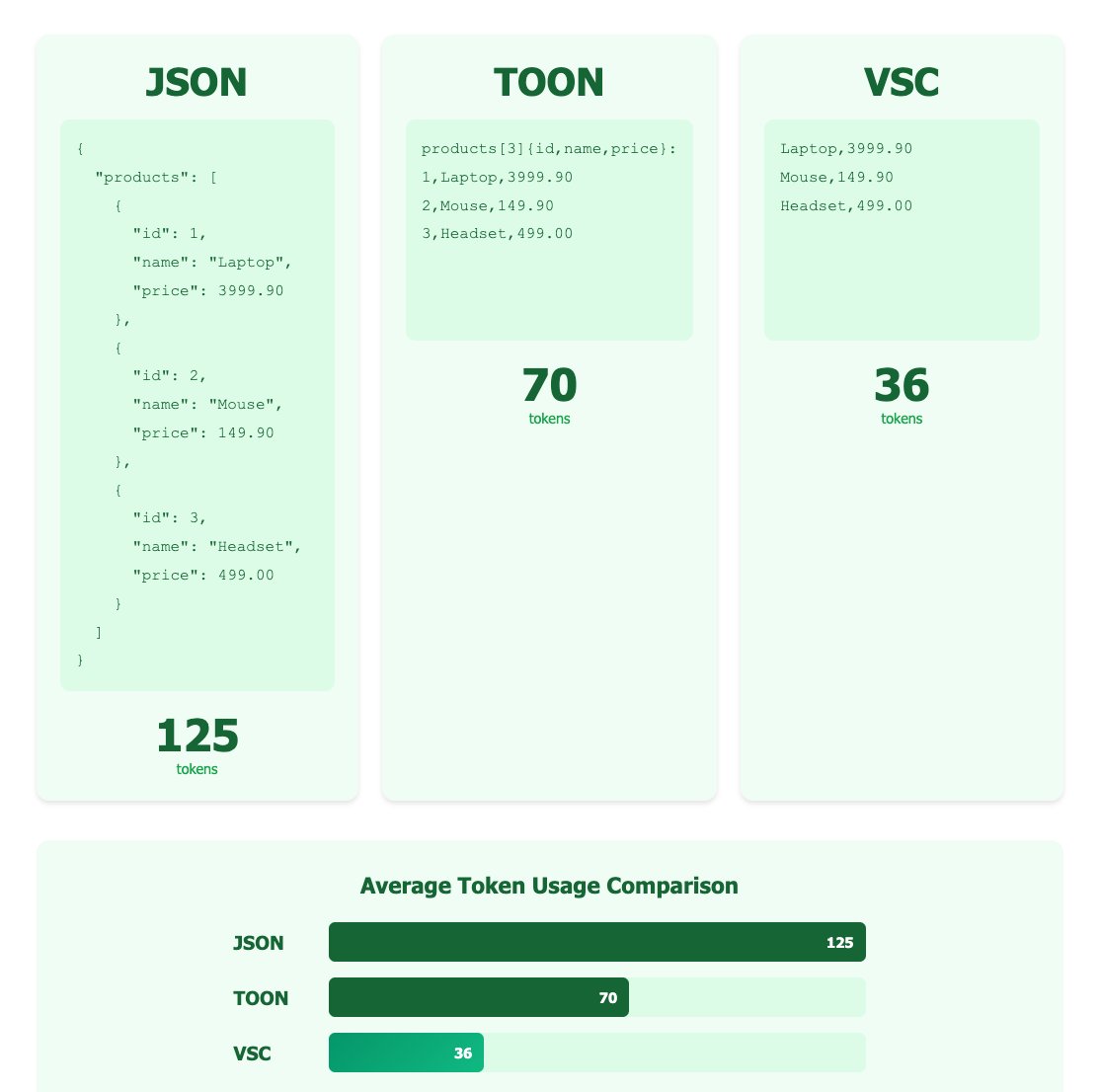
BREAKTHROUGH: I have invented a novel object notation format that provides an additional 71% token savings over JSON and 59% over TOON.
I have named it VSC (Values Separated by Comma), patent pending.