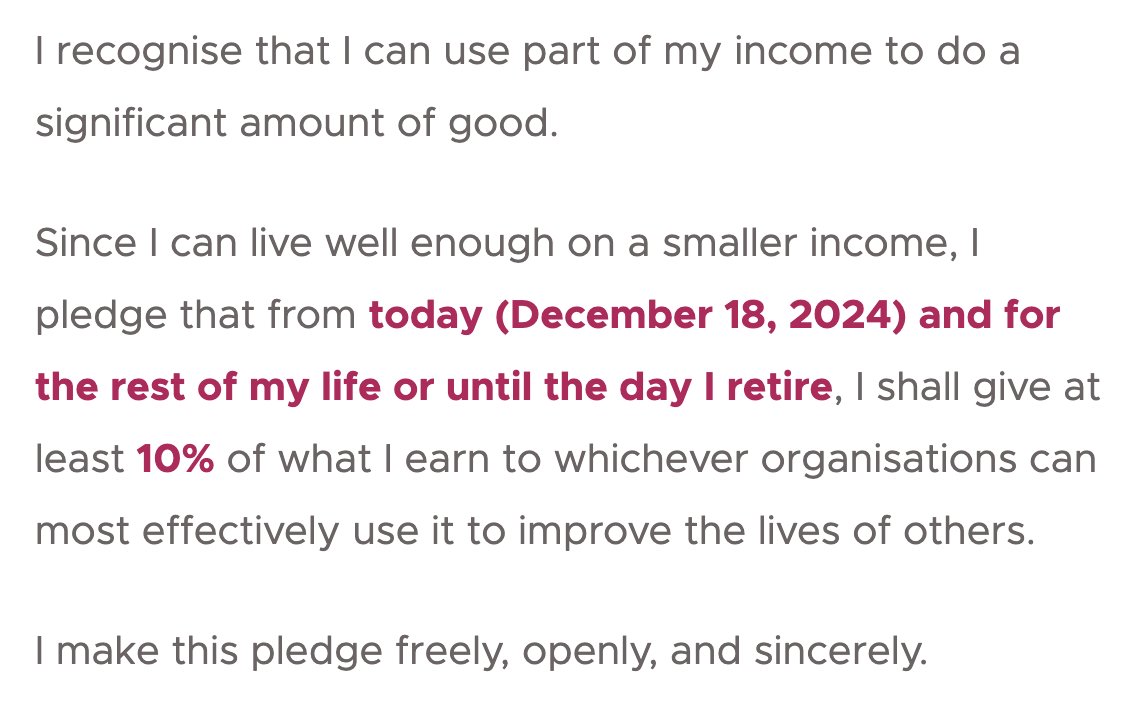
After more than a decade of procrastinating, this week I finally filled out the paperwork (ok, webform) to pledge to give at least 10% of my income to effective charities for the rest of my career. 🧵
GiveWell has directed over $1 billion to our top charities. Recently, we red-teamed our research to identify blind spots and areas for improvement in the grants we’ve made. Here’s what we found — and what it means for our work going forward. 🧵
I just got the kids down for naptime so I wanted to take a second to point out two key problems (and a few areas of agreement) I see with this morning’s @emmabgo@nytimes article about effective altruism: 🧵
https://t.co/5laLW0w4lo
Last, this is why descriptive work is underrated.
No preposterous IV, no incomprehensible structural model, just a new fact about the world.
If the descriptive work is done well — and it is not easy — the fact permanently enters everyone's headspace and must be contended with.
25 years in the making, final 10 led by @MedicinesDev. Long slog of drug development. Finally moxi is approved for river blindness in a country where people get river blindness! https://t.co/pJpPzZToX5
MDGH won a Priority Review Voucher in 2018, which helped fund development:
We still have a relatively poor understanding of the relationship between research and policy. Program evaluation in particular is often motivated by a desire to make policy better. But how effective is program evaluation itself? Michelle Rao's JMP tackles this question.
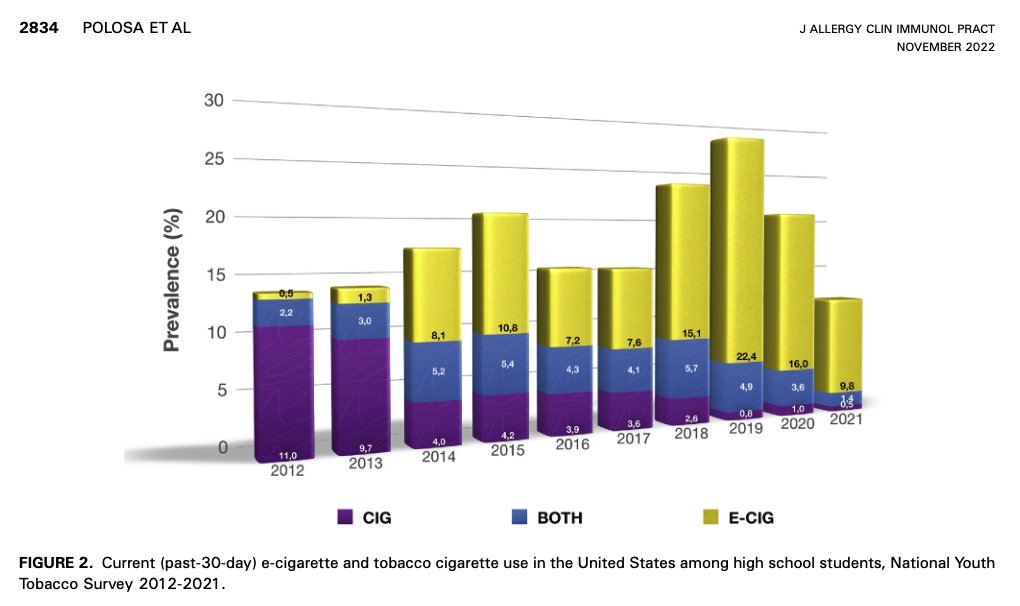
A litmus test for making American healthier is whether the government pursues proven strategies to stop the known and leading causes of most chronic disease: tobacco, alcohol, junk food, and air pollution.
Impressive work from Jenna Forsyth et al. following up from eliminating lead in turmeric in Bangladesh to identify other hotspots. Patna stands out, and our grantee @PureEarthNow is working in Bihar to mitigate the problem. The lead exposure research -> policy link is humming atm
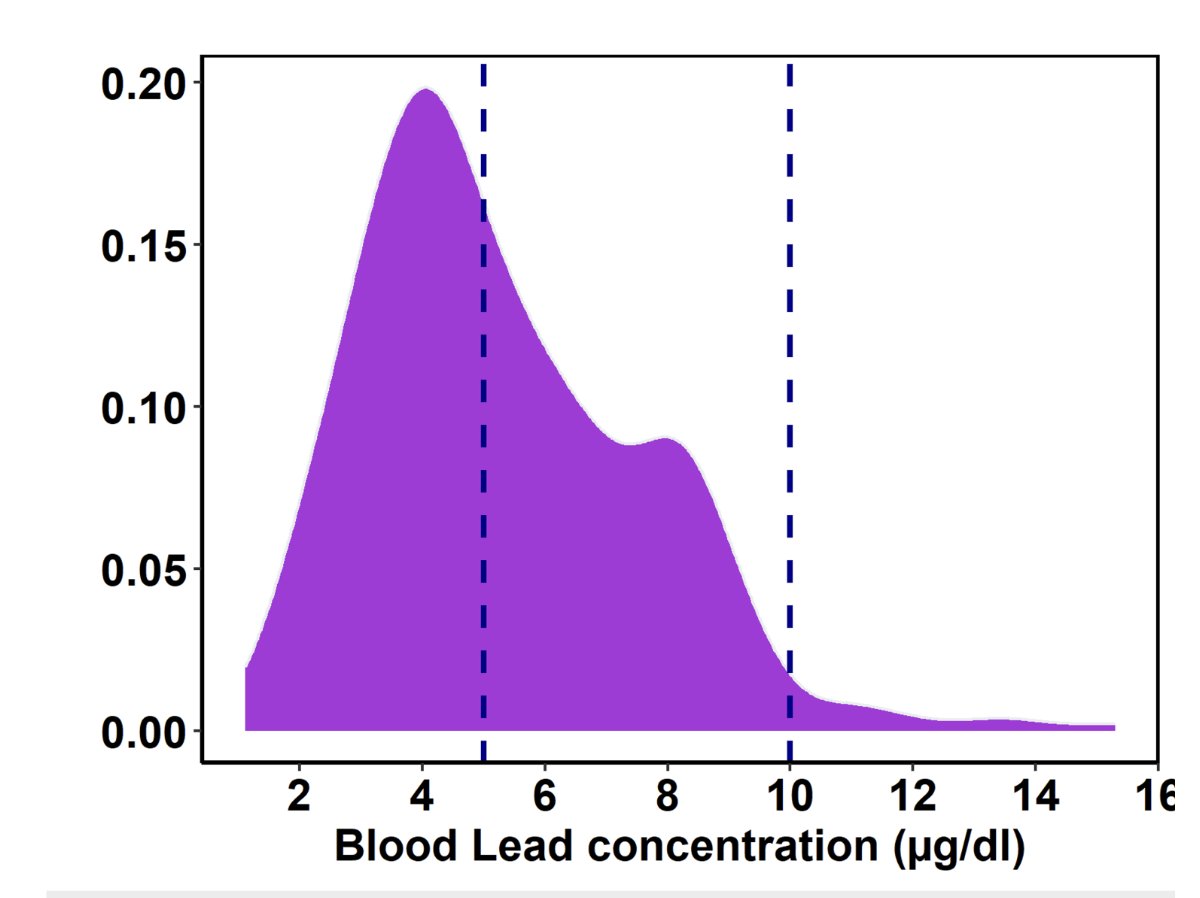
Yet another new lead exposure survey published today finds half of children have elevated blood lead levels (>5ug/dl). This time in Chennai, Tamil Nadu. Both tragic, and ~exactly the estimated average for LMICs
Inspired by this viral meme about DOGE: Research the US government has supported that can be made to sound silly, but that has contributed to human progress.
Valuable work can often be framed as absurd out of context. That doesn’t make funding research any less important.🧵
@GwynethMiner @mushfiq_econ @mushfiq_econ ha, of course you've already seen it. Curious if any thoughts on how cost-effectiveness could compare to No Lean Season?
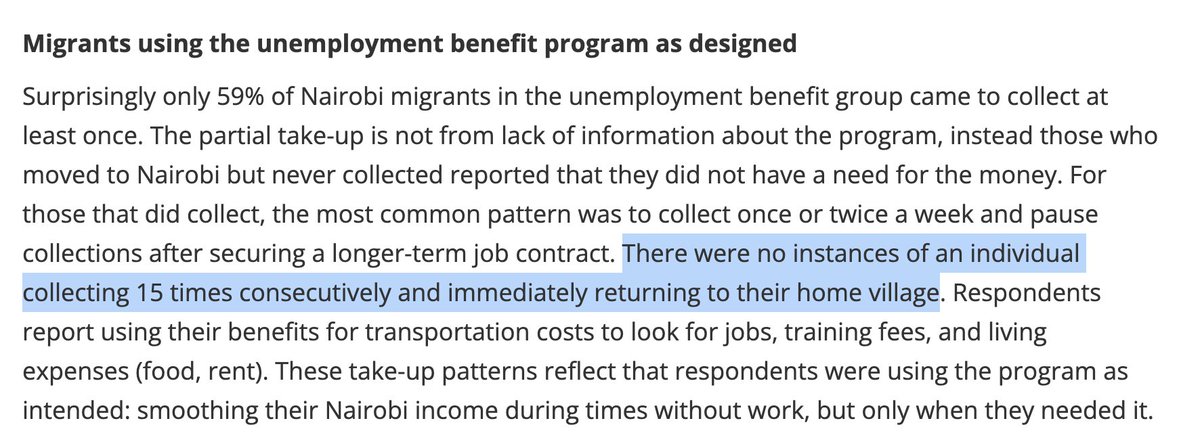
Interesting study from @GwynethMiner finds offering unemployment benefits of ~$4/day caused 11% of people to migrate from rural Kenya to Nairobi, and mostly work. I'm surprised more people didn't just turn up to collect the benefit. @mushfiq_econ thought you might like this!
Great paper on whether conditional unemployment benefits can encourage rural-urban migration in LMICs:
The treatment resulted in a 200% increase in the probability of moving to Nairobi vs the control (and fared better than unconditional cash transfers)
Happy Birthday to @givingwhatwecan, which turns 15 today! 🥳
When @tobyordoxford and I started GWWC 15 years ago, we had just 23 members, each of us pledging at least 10% of our income to effective charities until we retire.
Now, over 9,000 people have taken this pledge... 🧵
https://t.co/cmgrDkxSku