How do soil microbial communities function in space? Why does it matter?
Computational scientist Ryan McClure discusses the NASA-funded study being conducted by PNNL in the latest episode of SciVIBE.
Listen and subscribe 🎧
https://t.co/wwWwvFjguq
https://t.co/tpP5XUax8k
Access the world’s largest genomic database for rivers and loads of other omics and geospatial data. Part of PNNL’s team-science river program (https://t.co/eOc7ZppeSl) and the @ICONS_Coop (https://t.co/02vrwgFBmx). Please apply soon and email [email protected] for more info.
Looking for an environmental #microbiology postdoc job? The @WHONDRS consortium (https://t.co/hhRrja7qEt) at @PNNLab (https://t.co/wMDT5aPngX) has an opening (https://t.co/5ImQX16z28) that closes Oct 16.
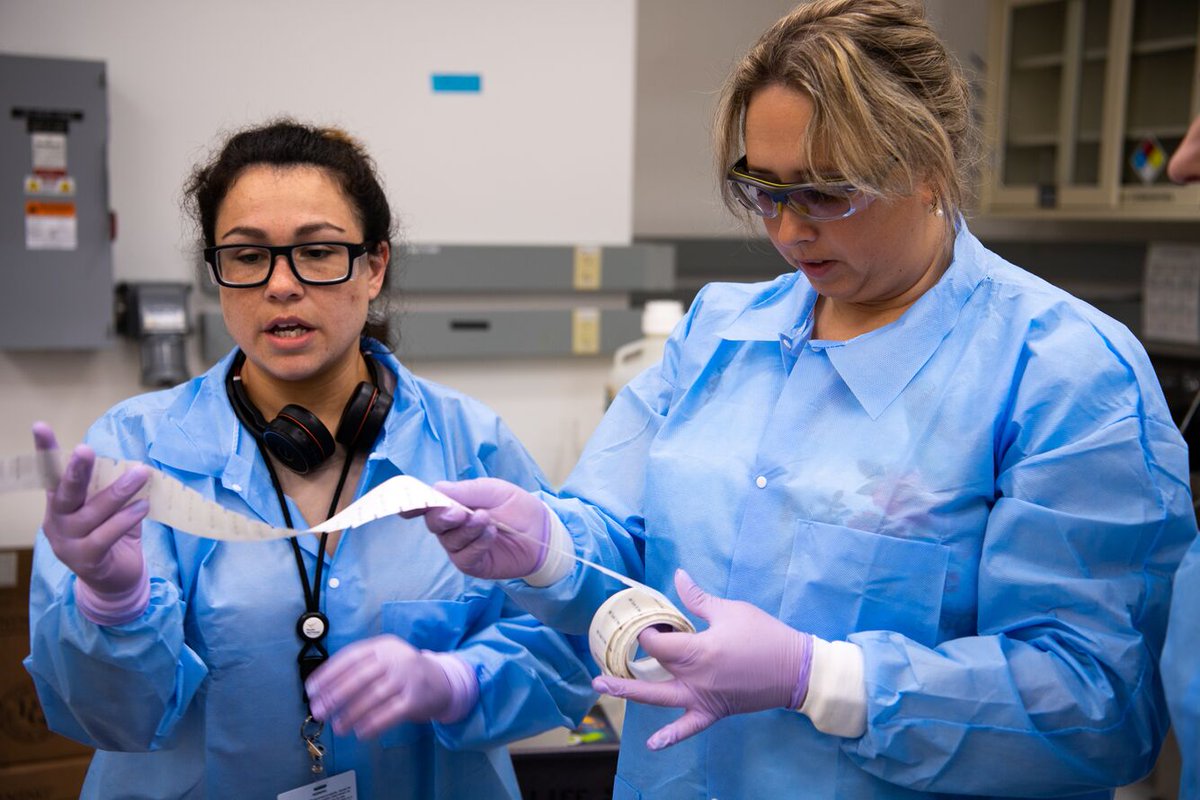
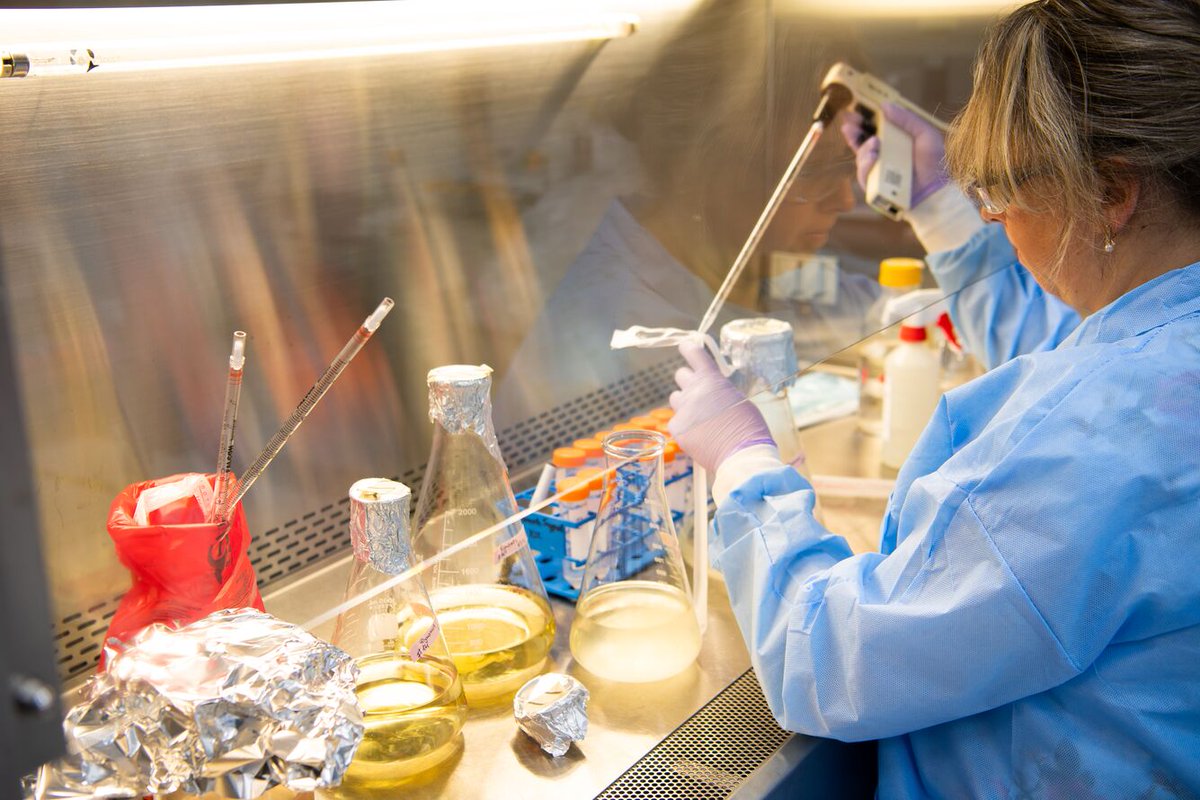
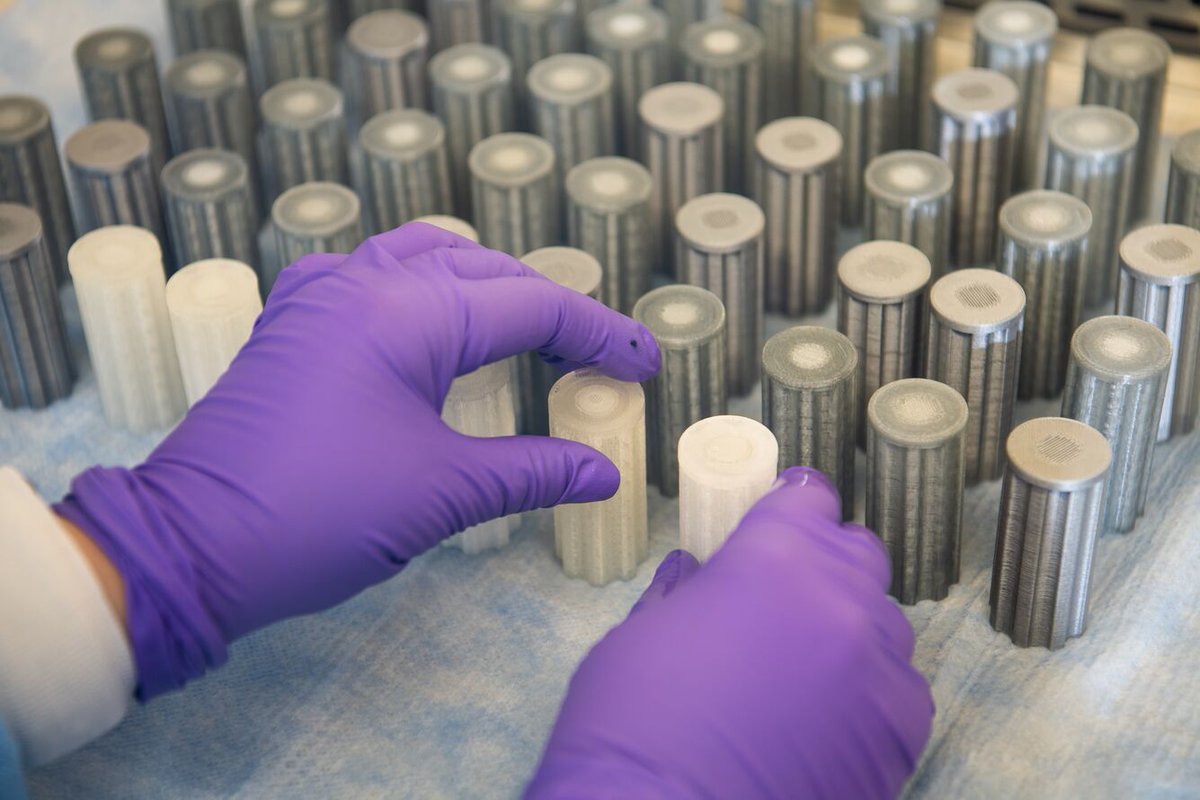
Yulia Farris, Kim Hixson, and Marci Garcia -- a dream team working on #DynaMoS at @NASAKennedy. The cylinders in one photo are 3-D printed silicone inserts that will go into the tubes to stop the soil from floating around. @PNNLab
Be sure to register for the next mSystems Thinking Series on October 7th focusing on Synthetic Microbiology. We have some great speakers and science discussions lined up!
https://t.co/cQXU8bBfn7
Happy to share our new Pprint: “Selection, succession and stabilization of soil microbial consortia”, which worked w/ a hypoth that initial #microbiome richness influences community stability in succession
@emilybonnell_g @KHofmockel https://t.co/n2s81YQZAn
@francesarnold@Caltech Dr. Arnold you should come to PNNL in Washington state and give us one of your inspirational talks. Maybe some of us will tag along even with you to Caltech.