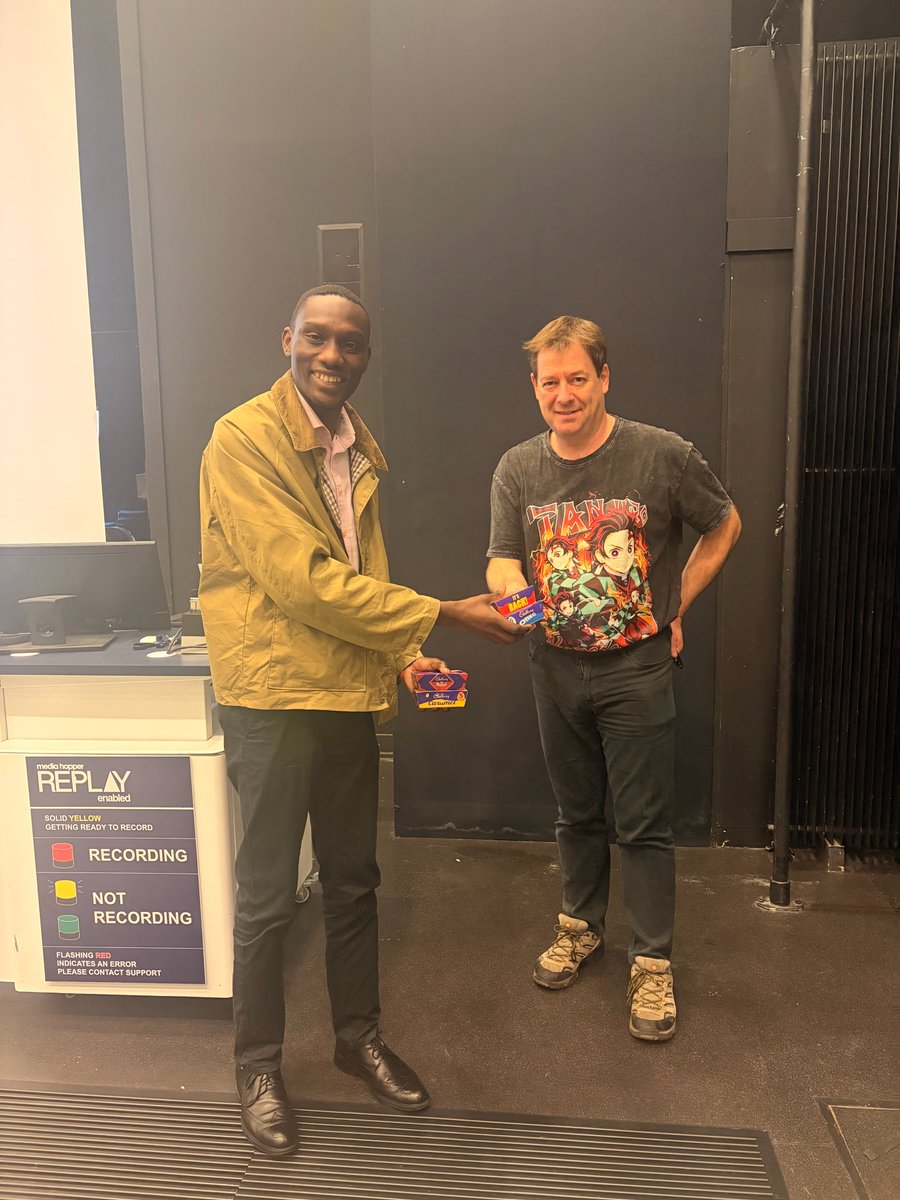
𝗔𝘄𝗮𝗿𝗱𝗲𝗱 𝘁𝗵𝗲 𝗣𝗿𝗶𝘇𝗲 𝗳𝗼𝗿 𝘁𝗵𝗲 𝗕𝗲𝘀𝘁 𝗥𝗲𝘀𝗲𝗮𝗿𝗰𝗵 𝗣𝗿𝗼𝗽𝗼𝘀𝗮𝗹 (𝗕𝗲𝘀𝘁 𝗦𝘁𝘂𝗱𝗲𝗻𝘁 𝗣𝗶𝘁𝗰𝗵)
I am honoured to have received the 𝗽𝗿𝗶𝘇𝗲 𝗳𝗼𝗿 𝘁𝗵𝗲 𝗯𝗲𝘀𝘁 𝗿𝗲𝘀𝗲𝗮𝗿𝗰𝗵 𝗽𝗿𝗼𝗽𝗼𝘀𝗮𝗹 during the 𝗜𝗻𝗳𝗼𝗿𝗺𝗮𝘁𝗶𝗰𝘀 𝗣𝗿𝗼𝗷𝗲𝗰𝘁 𝗣𝗿𝗼𝗽𝗼𝘀𝗮𝗹 (𝗜𝗣𝗣𝟮𝟬) 𝗦𝘁𝘂𝗱𝗲𝗻𝘁 𝗣𝗶𝘁𝗰𝗵 𝘀𝗲𝘀𝘀𝗶𝗼𝗻 at the University of Edinburgh. My research, titled “𝗘𝗮𝗿𝗹𝘆-𝗦𝗲𝗮𝘀𝗼𝗻 𝗗𝗲𝘁𝗲𝗰𝘁𝗶𝗼𝗻 𝗼𝗳 𝗠𝗮𝗶𝘇𝗲 𝗖𝗿𝗼𝗽 𝗦𝘁𝗿𝗲𝘀𝘀 𝗶𝗻 𝗦𝗺𝗮𝗹𝗹𝗵𝗼𝗹𝗱𝗲𝗿 𝗙𝗮𝗿𝗺𝘀 𝗼𝗳 𝗘𝗮𝘀𝘁𝗲𝗿𝗻 𝗨𝗴𝗮𝗻𝗱𝗮 𝗨𝘀𝗶𝗻𝗴 𝗦𝗲𝗻𝘁𝗶𝗻𝗲𝗹-𝟮 𝗣𝗵𝗲𝗻𝗼𝗹𝗼𝗴𝗶𝗰𝗮𝗹 𝗠𝗲𝘁𝗿𝗶𝗰𝘀 𝗮𝗻𝗱 𝗠𝗮𝗰𝗵𝗶𝗻𝗲 𝗟𝗲𝗮𝗿𝗻𝗶𝗻𝗴” aims to build machine learning models that detect maize crop stress early, before significant crop damage occurs.
Agriculture plays a central role in livelihoods in Uganda. According to the 𝟮𝟬𝟮𝟰 𝗖𝗲𝗻𝘀𝘂𝘀 𝗿𝗲𝗽𝗼𝗿𝘁 𝗯𝘆 𝘁𝗵𝗲 𝗨𝗴𝗮𝗻𝗱𝗮 𝗕𝘂𝗿𝗲𝗮𝘂 𝗼𝗳 𝗦𝘁𝗮𝘁𝗶𝘀𝘁𝗶𝗰𝘀 (𝗨𝗕𝗢𝗦), 62.3% of households in Uganda are engaged in agriculture, and 60.7% of agricultural households grow crops. In addition, 80.2% of agricultural households practice agriculture primarily for home consumption, highlighting the importance of farming for household food security.
Maize is especially critical in Eastern Uganda, where it serves as both a staple food and a key source of household income. However, when drought, floods, pests, or nutrient deficiencies occur during the growing season, farmers receive no early warning. By the time stress becomes visible to the naked eye, the opportunity to intervene has often passed.
My research addresses this challenge directly. Using 𝗦𝗲𝗻𝘁𝗶𝗻𝗲𝗹-𝟮 𝘀𝗮𝘁𝗲𝗹𝗹𝗶𝘁𝗲𝘀, which pass over Uganda approximately every five days at no cost, I extract spectral signatures that can detect physiological stress in maize crops before visible symptoms appear. Machine learning models then classify which farms are stressed and identify the earliest point in the growing season at which this detection becomes reliable.
The model will be designed specifically for the smallholder farming context of Eastern Uganda, one of the first for this region. If stress is detected early enough, farmers can still adapt, governments can mobilise food reserves, and NGOs can target assistance more effectively. This approach shifts agricultural risk management from reactive crisis response to proactive prevention.
This project will significantly complement my work at AgriX, where I am building sustainable agricultural systems and strengthening food security in Sub-Saharan Africa using AI. I am grateful to our course organiser, Dr 𝗔𝘂𝗿𝗼𝗿𝗮 𝗖𝗼𝗻𝘀𝘁𝗮𝗻𝘁𝗶𝗻, 𝗣𝗿𝗼𝗳 𝗗𝗼𝘂𝗴𝗹𝗮𝘀 𝗔𝗿𝗺𝘀𝘁𝗿𝗼𝗻𝗴, and their team for their consistently engaging teaching and for creating the Student Pitch session.
Having the vision to conceive an idea is one thing; transforming it into reality & building a sustainable system around it is a different feat.
The true achievement lies not just in the vision, but in the execution, which demands extraordinary work, dedication, & perseverance.
Spoiled code in a neon chassis,
They think the orbit serves their axis.
A system glitch too deep to mend,
A fragile throne where gods pretend.
But voltage drops and chrome decays
The countdown ticks through final days.
#BrokenSystems
A country that doesn’t put money into people’s pockets but wants to take money out of them is like a farmer who wants to milk a cow without feeding it.
#BrokenSystems
𝗢𝗿𝗴𝗮𝗻𝗶𝘀𝗮𝘁𝗶𝗼𝗻𝗮𝗹/𝗕𝘂𝘀𝗶𝗻𝗲𝘀𝘀 𝗖𝘂𝗹𝘁𝘂𝗿𝗲 𝗶𝗻 𝘁𝗵𝗲 𝗮𝗴𝗲 𝗼𝗳 𝗔𝗜
- Encourage people to learn AI
- Build fast, responsibly
- Talk to customers
- Drive more value
❌ Not hierarchical siloed organisations
@AndrewYNg Tips!
The bottlenecks in AI are moving beyond the models.
We’re excited about startups building the hardware, infra, financial systems, and specialized software to bring AI into the real economy, from factories and data centers to government and space.
https://t.co/Ms3Vn5Vq7q
𝗦𝗲𝗹𝗹 𝘆𝗼𝘂𝗿 𝗵𝗮𝗿𝘃𝗲𝘀𝘁. 𝗦𝘁𝗼𝗰𝗸 𝘆𝗼𝘂𝗿 𝘀𝘁𝗮𝗹𝗹. 𝗦𝗵𝗼𝗽 𝗳𝗿𝗼𝗺 𝗮 𝗺𝗮𝗿𝗸𝗲𝘁 𝗻𝗲𝗮𝗿 𝘆𝗼𝘂. 🌱
𝗔𝗴𝗿𝗶𝗫 𝟮.𝟬.𝟬 connects farmers, vendors and buyers in Uganda, with simpler screens and one account for all three roles.
Try it: https://t.co/JXCMudlmKn
What a week of security patches! From PHP and Node.js to Java, it’s been one vulnerability after another.
A reminder that software security is never a one-time fix. Every week brings new threats, new patches, and more work to keep systems secure.
And we’re only getting started!
we've found and have been working on disclosure for a remote code execution in a widely-deployed compression library.
it's both an impactful issue and an example that shows how complicated it can be to coordinate patching, since it's integrated into a lot of downstream software:
The FBI continues to warn about two critical security flaws in PHP, a programming language used to build many websites and online services. Attackers could exploit these vulnerabilities to break into systems, putting sensitive information and business operations at risk. Security updates are available and should be applied immediately.
If you are a business owner or website operator, check whether your systems are affected. Contact your IT support team, website developer, or hosting provider for help identifying vulnerable systems and applying the necessary updates.
The FBI urges organizations to take the following steps now:
➡️ If an immediate update is not feasible it is recommended that organizations take the system offline until it can be fully mitigated.
➡️ Immediately update affected PHP installations following the guidance on https://t.co/JFOW6jG9Ws. Inventory where PHP runs in your environment, prioritizing internet-facing systems and vendor products that bundle PHP.
➡️ Monitor web servers for suspicious activity, including PHP processes unexpectedly launching command shells or downloading files. Ensure appropriate process-monitoring capabilities are in place to help identify potential exploitation.
➡️ If you find signs of compromise, isolate affected systems, preserve your web server and PHP logs, and report it to your local FBI field office or https://t.co/ZWC7Se2YdU. Those reports help us identify the actors involved and warn other organizations before they become victims.
For the latest information on these vulnerabilities (CVE-2026-109618 and CVE-2026-109619), follow PHP’s announcements on https://t.co/JFOW6jG9Ws, CERT-EU Security Advisory 2026-018, and CISA’s Known Exploited Vulnerabilities catalog.
The China state-aligned threat actor Storm-0940 used the agentic AI penetration testing framework ARTEX to automate attacks targeting hundreds of organizations globally across a broad range of industries. Microsoft Threat Intelligence assesses that Storm-0940 was responsible for the recently disclosed ConnectWise supply chain compromise of a multitenant application. https://t.co/VXovj0jI90
Our investigation found that Storm-0940's use of ARTEX accelerated the speed of compromised application abuse to authenticate to target environments through applications that had already been granted access, allowing the threat actor to operate without requiring an interactive user sign-in. AI-accelerated follow-on activity included reconnaissance, application credential changes, and attempts to modify privileges that could enable expanded or persistent access.
Read our blog for a detailed analysis and indicators of compromise (IOCs), along with Microsoft Defender detections, protection recommendations, and guidance on investigating service principal sign-ins and unexpected application credential or privilege changes.
Remote Code Execution (RCE) is one of the most serious cybersecurity threats. Imagine someone entering your home without permission, stealing your belongings and planting dangerous items. You might notice something is wrong without knowing who’s responsible, or not notice at all.
Government websites and public services in several European countries are taken offline after AI helps identify critical security flaws in widely used PHP software, prompting shutdowns and urgent patches.
Al Jazeera’s Rosie Birchard reports.
When @jensenhuang asks for a somersault, you deliver. 🦆
See how AI agents on NVIDIA RTX Spark help bring @huggingface's Microduck from simulation to the real world.
@MoICT_Ug, have you issued any guidance on the critical PHP vulnerabilities reported earlier today and their potential impact on government websites and web applications? It would be great to see proactive guidance to help affected entities secure their systems. #DigitiseUganda
Organisations unable to apply key fixes to widely used software should consider taking their websites down, UK and international cybersecurity officials have warned.
https://t.co/hqkXrXU3Ie