These children are deeply grateful for your continued support and generosity❤️ Your donations give us strength and hope, helping us provide essential needs such as food, clean water, medical treatment, clothing, and warm blankets.
https://t.co/mwmISHQVlH
Even the smallest contribution can make a big difference in our lives. Every act of kindness means so much to us. 🥹❤️
@hsnyldrm1979@reveaIism@ainiladra@HorrorGorl
IF THIS #ART HITS U, PLS SHARE!🇵🇸
I'm a dental student in Gaza, pulling up for patients who got no one else. For free. Always.
War ain't stopping me from training – but tuition & supplies might.
Help me stay in this fight for my community.🦷🥺
https://t.co/xbMYc6eJ7F
Why is only Gaza flooding? “This isn’t water. It’s sewage,” a displaced man says as filthy water pours into his family’s tent, soaking the children’s bedding and every piece of clothing they own. This is not just rainwater. With Gaza’s sewage and drainage networks wrecked by the Israeli occupation during the genocide, sewage escapes broken pipes, mixes with storm runoff and flows straight into the tents.
At the Sheikh Radwan stormwater basin, Gaza City’s main collection point for floodwater, only two of six pumps are working, and the pond has turned toxic. “We have the tools, we have the equipment, we have the engineers,” says UNICEF’s Jonathan Veitch, “but we have not been enabled to bring this in.”
After a year of negotiations, the Israeli occupation’s military aid body, COGAT, rejected UNICEF’s 3 million dollar plan to repair the basin, citing “security grounds.” Not a single wastewater treatment plant in Gaza is working, and around 950,000 displaced people live in areas at risk of flooding, 400,000 of them at extremely high risk. A new tent cover cannot fix a broken sewage system. Families need the pumps, generators, fuel and spare parts to get in, and the chance to rebuild their homes.
Sources: UN/Unifeed
Israel has once again bombed the Nasser Hospital in Gaza.
At least six people have died with 20+ others wounded. Dr. Rizk Abu Shaira, who featured in the documentary ‘American Doctor’, was killed in the strike.
📸: Abed Rahim Khatib
I h8 that this is so normal in my culture.Ur parents could genuinely love and care for u, but then say the most abhorrent shit during a meltdown over an accident-As a child I just internalize that, and it’s not hard to see how it’s affected my self perception well into adulthood
@woemist Insane connection genuinely made me cry “theres no light from the sun down here” but of course the sky’s kindest, most radiant star bursts through…
Definitely feels like foreshadowing, can’t help but feel ominous about the peaceful sleep bit, but I’m ignoring that 😀
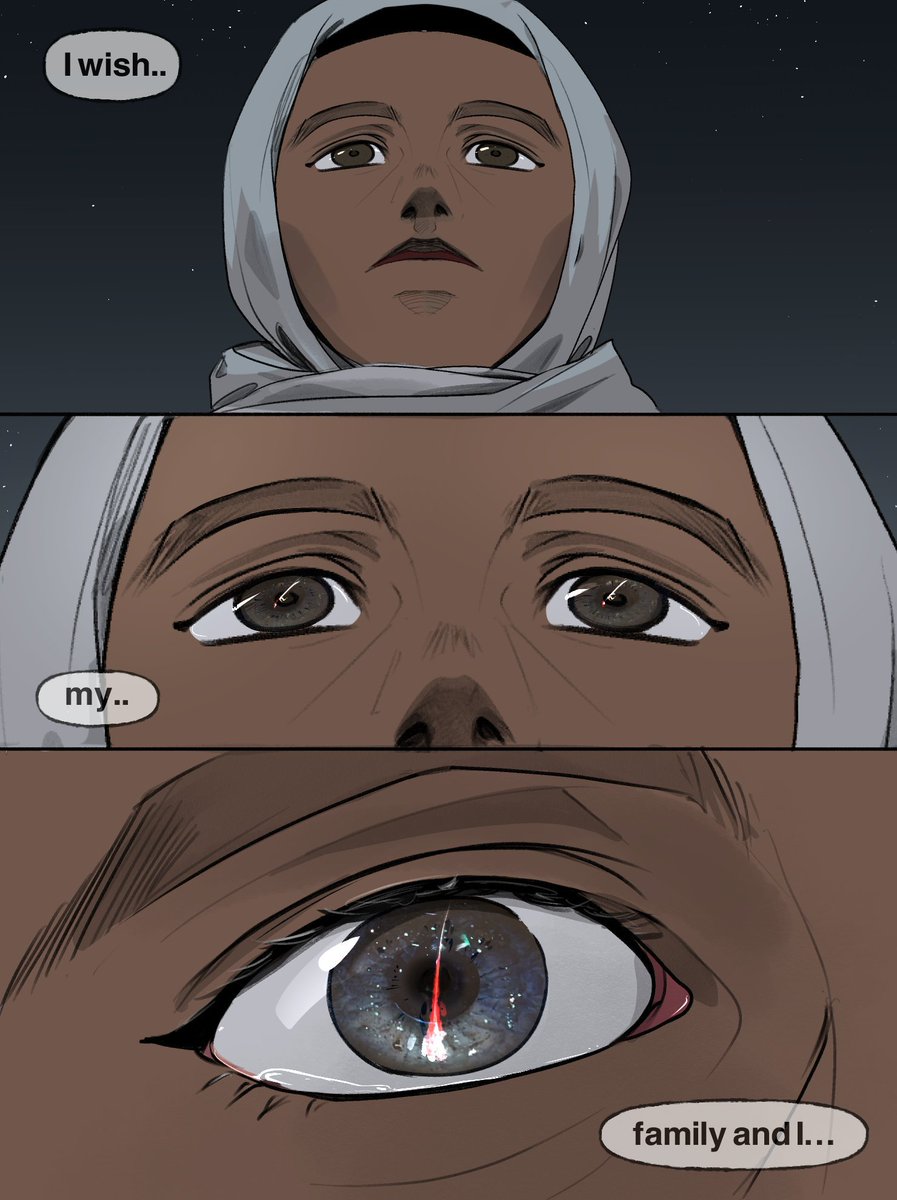
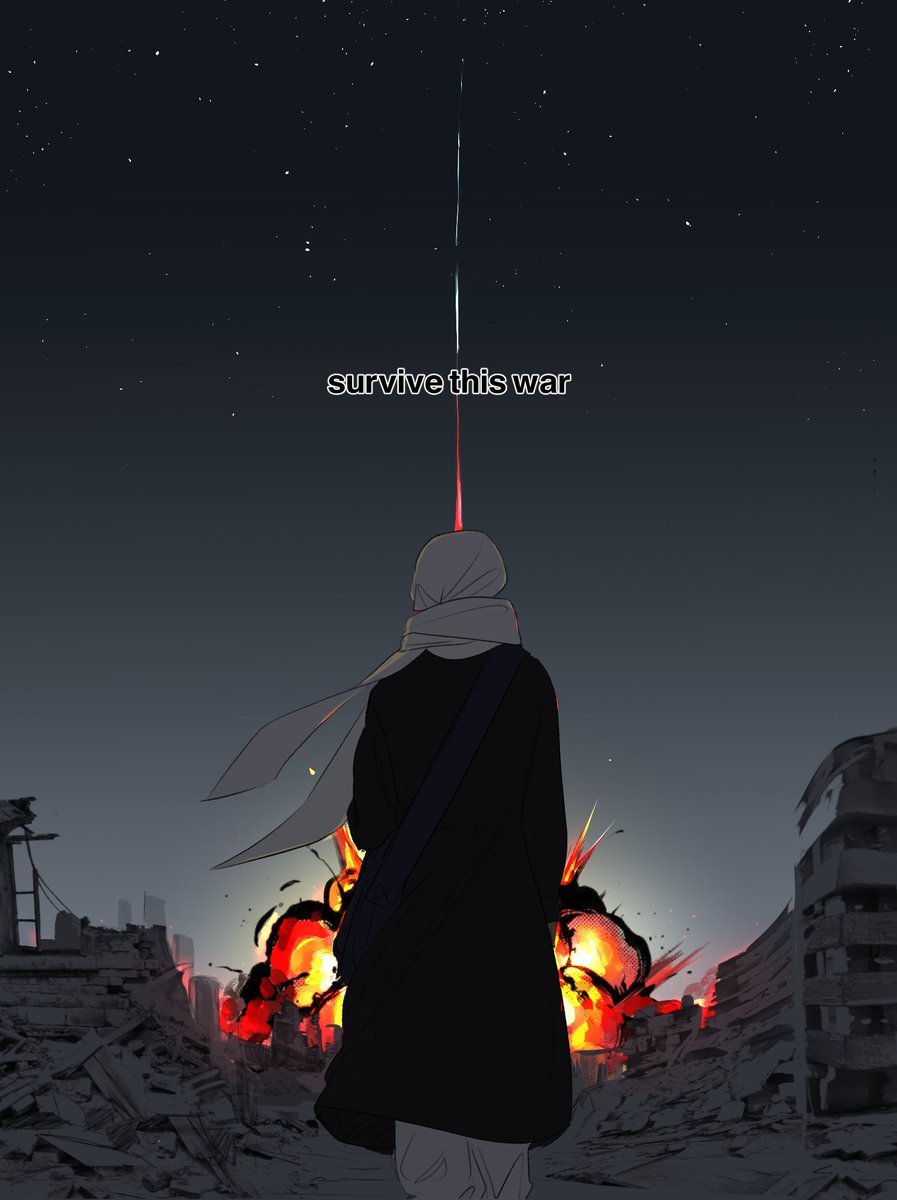
This #art captures how I feel...
Missile hit meters away from me days ago, but yeah, that's life here. Can't really dwell on it, got studies & dental training to worry about. One wish? Just survive this and finish my school soon. Can u help?
https://t.co/xbMYc6eJ7F
@frogs4girls I am convinced professors think that they can only respond to questions in as little characters as possible or they die, because why do they always do this 😭 I’m always like—did you actually think this was a sufficient response or are you trying to ragebait me? 😮💨
people really underestimate how badly misunderstood ocd is. people will say they support neurodivergent people but once the disorder makes them as a bystander uncomfortable, they wish death on us and want us isolated from society