@AlexH_Johnson Anecdotally, I know friends that view sports betting on prediction markets differently than gambling specifically because it's on Robinhood, which they trust as a financial platform. Really sickening to see a company take advantage of its customers like this for short-term profit
"UGC creators" are posting fake skits about bad bosses and toxic mother-in-laws to sell products. Consumers are falling for it. https://t.co/5gHMOtYeV6
@ericcouu “great marketing” for Kalshi is crazy, maybe we should think abt the social consequences of what these companies do before glazing them and rewarding them with cultural capital?
Have ideas about which deceptive business practices California's new Business & Consumer Services Agency should crack down on?
The agency, established just this month, wants to hear from you.
"Our goal is to ensure that companies are upfront and honest about prices and product features."
"And you can help us. If you have ideas about areas the new Business & Consumer Services Agency should focus on, we want to hear from you."
https://t.co/uDtFXrf7TQ
What makes AI-generated writing so much less valuable is that it inevitably means less clarity of thought. For a writer hitting a wall or struggling to tie some ideas together, it may seem like AI can help fill in the blanks, but the gaps in overall vision remain nonetheless.
Ok one more thing. It's true: not all AI use is slop, and at the end of the day what really matters is the human care and perspective that goes into something. BUT...
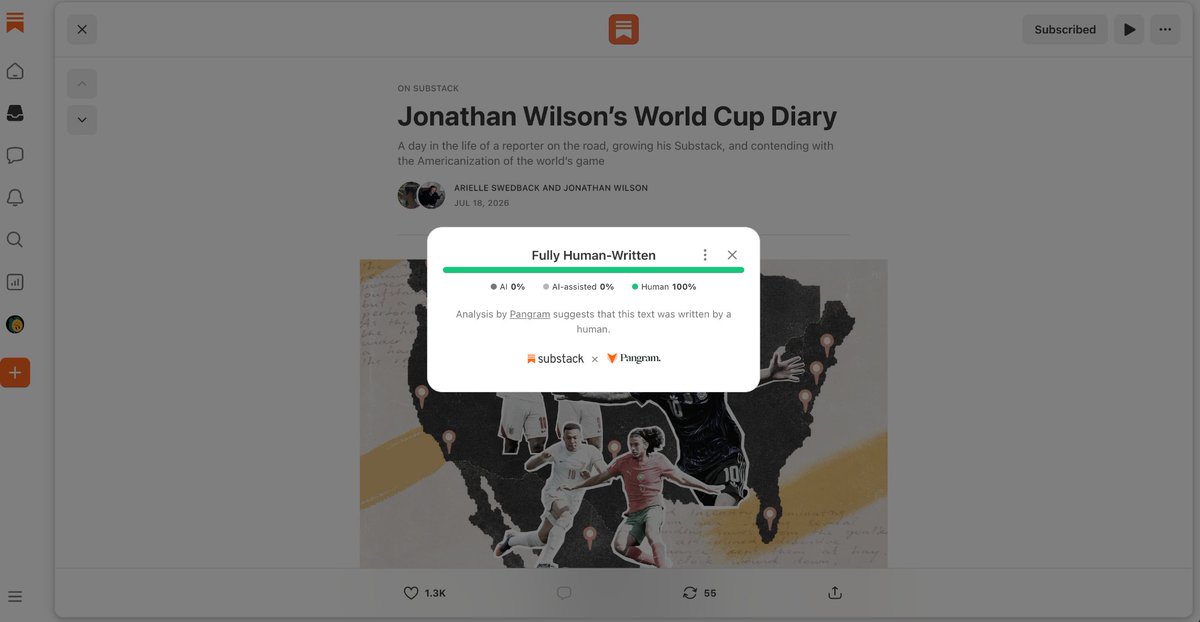
Today, Substack is launching an AI detection feature, via an integration with @pangram. Going forward, you’ll be able to scan posts, replies, and comments on the Substack app to see an estimate of how much of it was written by a human, or with AI assistance.
@rsuyoy It feels like there's an endless number of brands doing it and platforms like Bounty, Sideshift, and Methods make the problem a whole lot worse. It's illegal and if FTC enforcement were more rigorous, we'd probably see a lot less slop.
https://t.co/2L2m1wVfMU
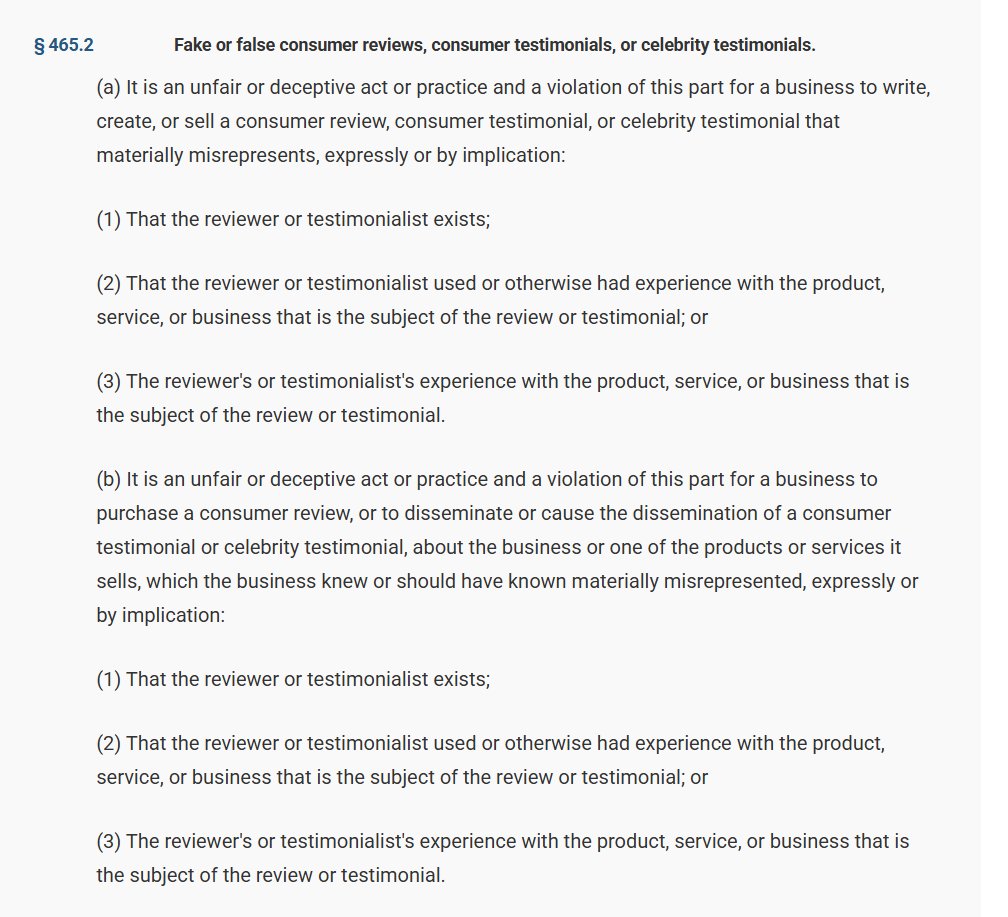
@rohitgeee@vparv3@MaxHirsch13 correct but even beyond whether the claim is "true" in a vacuum, misrepresenting that the endorser is a real entity or that the endorser actually had that experience with the product is also considered deceptive advertising
I get tagged in a lot of posts asking whether using "AI UGC" tools is legal.
Here's language directly from the FTC's Rule on the Use of Consumer Reviews and Testimonials, which went into effect on October 21, 2024.
@lucaspatiri_ wasn’t saying this tweet was an ad. your ugc playbook makes no mention of clear and conspicuous disclosure and you frequently post examples where you help companies run ads that flout FTC guidelines.
we created a format 'sidehustles for idiots' for superapp ai that hit 5M views and 260K likes in one week.
the video: a girl explaining how to create your own app, upload it to the app store, and make money with mobile apps. no fancy editing. just a talking head breaking it down step by step.
the format worked so well that other apps started copying it. same structure, same "side hustle for idiots" hook, same talking-head style.
that's what a good brief does. it doesn't just make one video work. it creates a format that an entire category steals.
we've done this across 62 campaigns. the viral video gets the credit.
Wrote an article about the epidemic of undisclosed advertising on social media! It’s almost frightening to see how openly people celebrate deceptive practices as “smart marketing” on here
https://t.co/2L2m1wVfMU
The pork industry is losing its fight to keep gestation crates. So it's trying a new tactic: attack the messenger.
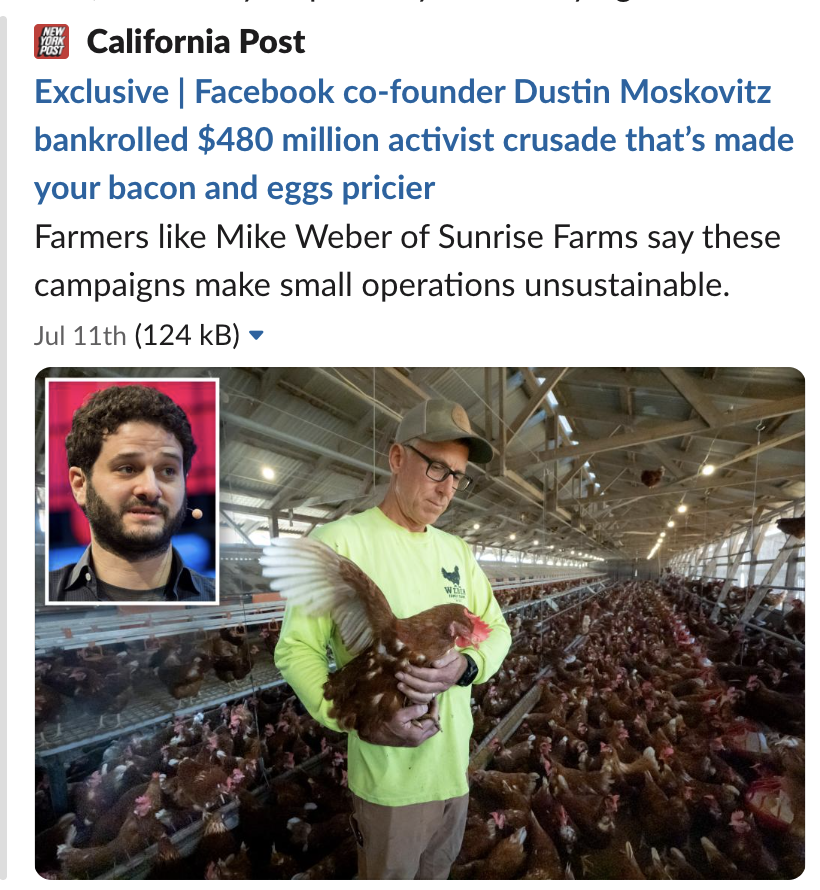
It just planted a hit piece in the NY Post attacking us for funding campaigns to ban crates, cages, and other cruel factory farming practices.
The article has two main sources: the Animal Agriculture Alliance and the so-called 'Center for the Environment and Welfare' — a front group for a DC PR firm.
The journalist is shocked that we receive funding from a Facebook co-founder — something we publicly disclose — but didn't ask his sources where they get their money from. (Answer: the pork industry.)
The article is a masterclass in how to defend an indefensible industry...