Today we're excited to introduce Devin, the first AI software engineer.
Devin is the new state-of-the-art on the SWE-Bench coding benchmark, has successfully passed practical engineering interviews from leading AI companies, and has even completed real jobs on Upwork.
Devin is an autonomous agent that solves engineering tasks through the use of its own shell, code editor, and web browser.
When evaluated on the SWE-Bench benchmark, which asks an AI to resolve GitHub issues found in real-world open-source projects, Devin correctly resolves 13.86% of the issues unassisted, far exceeding the previous state-of-the-art model performance of 1.96% unassisted and 4.80% assisted.
Check out what Devin can do in the thread below.
I'm 18.
I’m obsessed with learning how to learn.
So, I spent 200+ hours studying how geniuses, prodigies, and high performers master their disciplines.
Here's what I found on how to master anything faster:
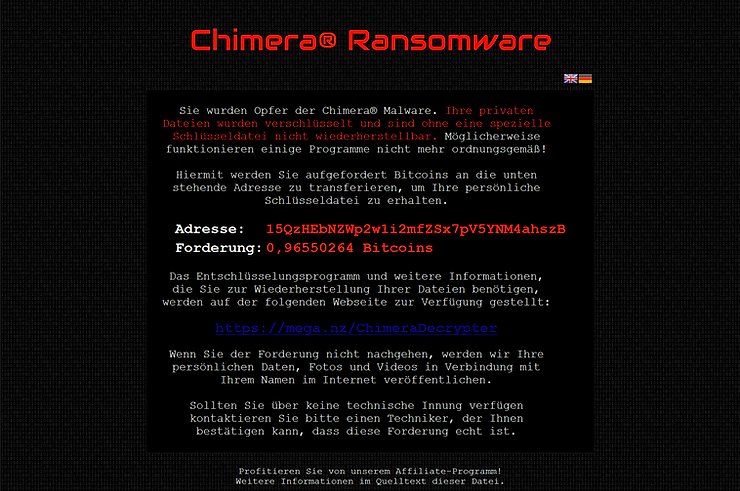
Anatomy of Ransomware, Part 1: Chimera
Chimera malware caught! This article cracks its code to show how it hides, so you can stay safe.
@three_cube#ransomware
https://t.co/o4KK5Xz2He
@FashionNova breaks regulations and guidelines, using costumers credit card information as they wish, and charging them without consent or initiation of purchase.
@FashionNovaHelp ‘s purpose is to stall issues in order to avoid prompt release of funds. https://t.co/E4hn7r6lhl
@FashionNova breaks regulations and guidelines, using costumers credit card information as they wish, and charging them without consent or initiation of purchase.
@FashionNovaHelp ‘s purpose is to stall issues in order to avoid prompt release of funds. https://t.co/E4hn7r6lhl
Today's tip: You can’t choose a “wrong” language when you’re first starting out because the concepts you learn are going to be transferable.
Here are two other reasons why this seemingly big decision should not be stressful. https://t.co/hCP7ZO6tqz
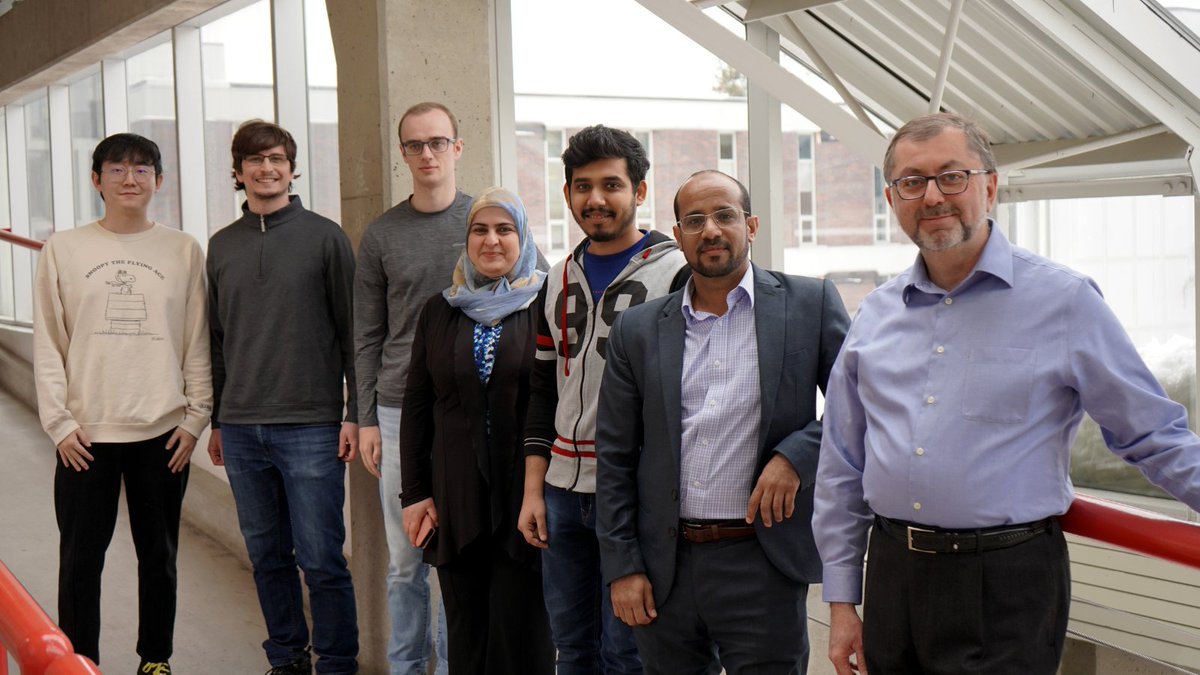
📡 Imagine accessing the Internet from remote locations or disaster zones! @Carleton_U Chancellor’s Professor Halim Yanikomeroglu and his research team are revolutionizing what satellite communication technology could look like in as early as the 2030s: https://t.co/014gvvwZxj.
I wish people would understand that once you post, whether it’s text, image, video, audio, etc. you essentially forfeit your intellectual property, that piece of you belongs to the nearly infinite void known as the internet. Please be careful of what you share with the world.
Want to Get Started on your Cyber Security Career?
Here are 20 Cyber Security Questions to ask AI and learn directly from it's response.
Let AI be your own personal mentor while you are transitioning into the Cyber Security field. You can use ChatGPT, Grok, Bing Chat, or another AI platform.
Here are 20 Questions to Ask and Study.
1. Create a list of common cybersecurity threats and vulnerabilities that organizations face today.
2. Develop a strategy for implementing a strong password policy within a company.
3. Research and summarize the key principles of the CIA triad in cybersecurity.
4. Explain the differences between symmetric and asymmetric encryption and provide examples of their use in cybersecurity.
5. Analyze a case study of a successful social engineering attack and identify the key factors that led to its success.
6. Design a secure network architecture for a small business, including firewalls, intrusion detection systems, and access control mechanisms.
7. Investigate the role of artificial intelligence and machine learning in enhancing cybersecurity measures.
8. Develop a disaster recovery plan for a company's IT infrastructure in the event of a cyberattack.
9. Compare and contrast the different types of malware, such as viruses, worms, and ransomware, and discuss their impact on cybersecurity.
10. Explain the importance of user awareness training in preventing cybersecurity breaches and suggest methods for implementing such training within an organization.
11. Research and summarize the key principles of the OWASP Top Ten, a list of the most critical security risks to web applications.
12. Develop a risk assessment methodology for evaluating the cybersecurity posture of an organization.
13. Compare and contrast the major cybersecurity frameworks, such as NIST, ISO 27001, and CIS Controls, and discuss their benefits and limitations.
14. Investigate the legal and regulatory requirements for cybersecurity in your country or region, and discuss their implications for businesses.
15. Create a presentation on the importance of secure coding practices in preventing software vulnerabilities.
16. Analyze a recent high-profile data breach, and identify the key factors that led to the breach and the lessons learned from the incident.
17. Develop a plan for conducting regular security audits and vulnerability assessments within an organization.
18. Discuss the role of incident response teams in managing and mitigating cybersecurity incidents.
19. Research and summarize the key aspects of network security, including firewalls, virtual private networks (VPNs), and intrusion prevention systems.
20. Create a cybersecurity awareness poster or infographic to educate employees on best practices for protecting sensitive information and preventing cyber threats.
Asking your AI mentor these questions will help you gain a well rounded knowledge base in cyber.
What questions did I miss?
If you enjoyed this, consider reposting ♻ to help others.
#infosec #cybersecurity #informationsecurity