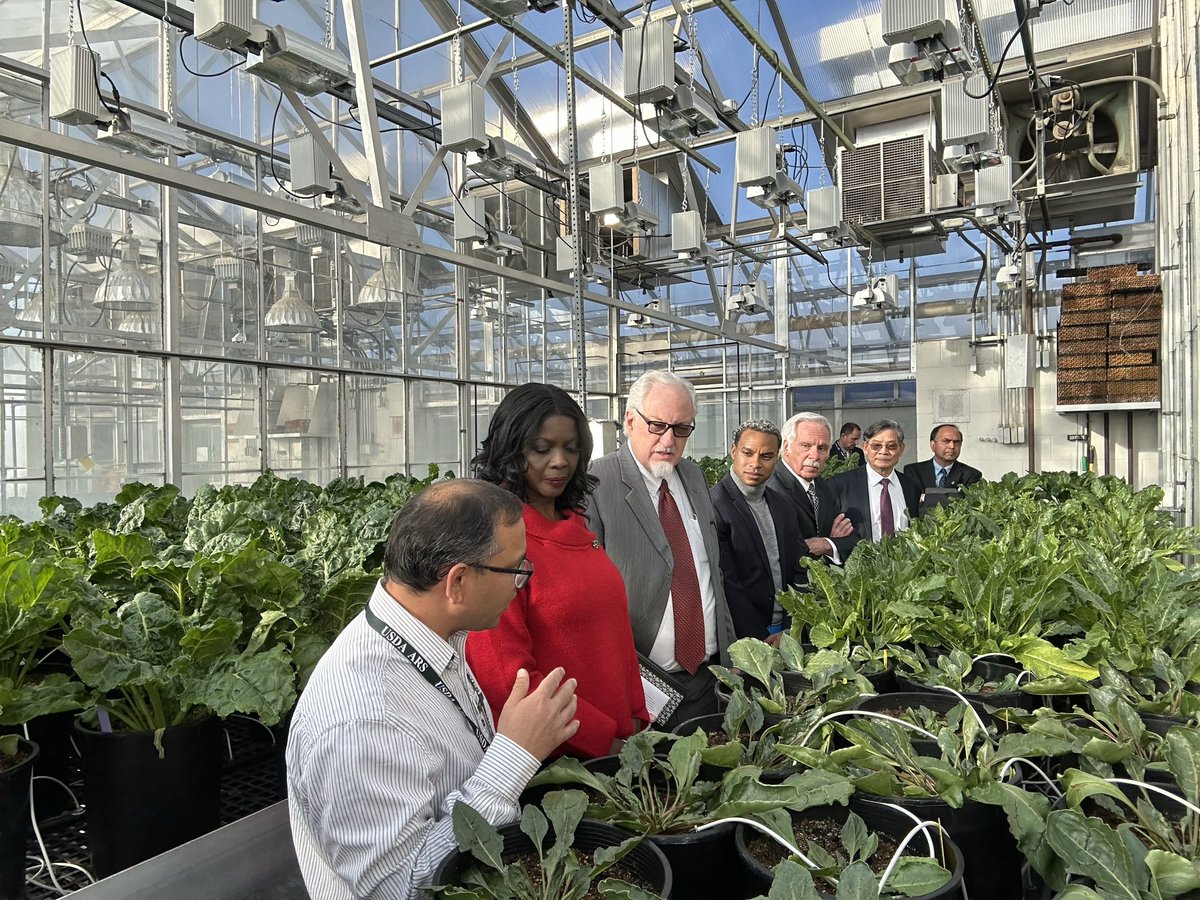
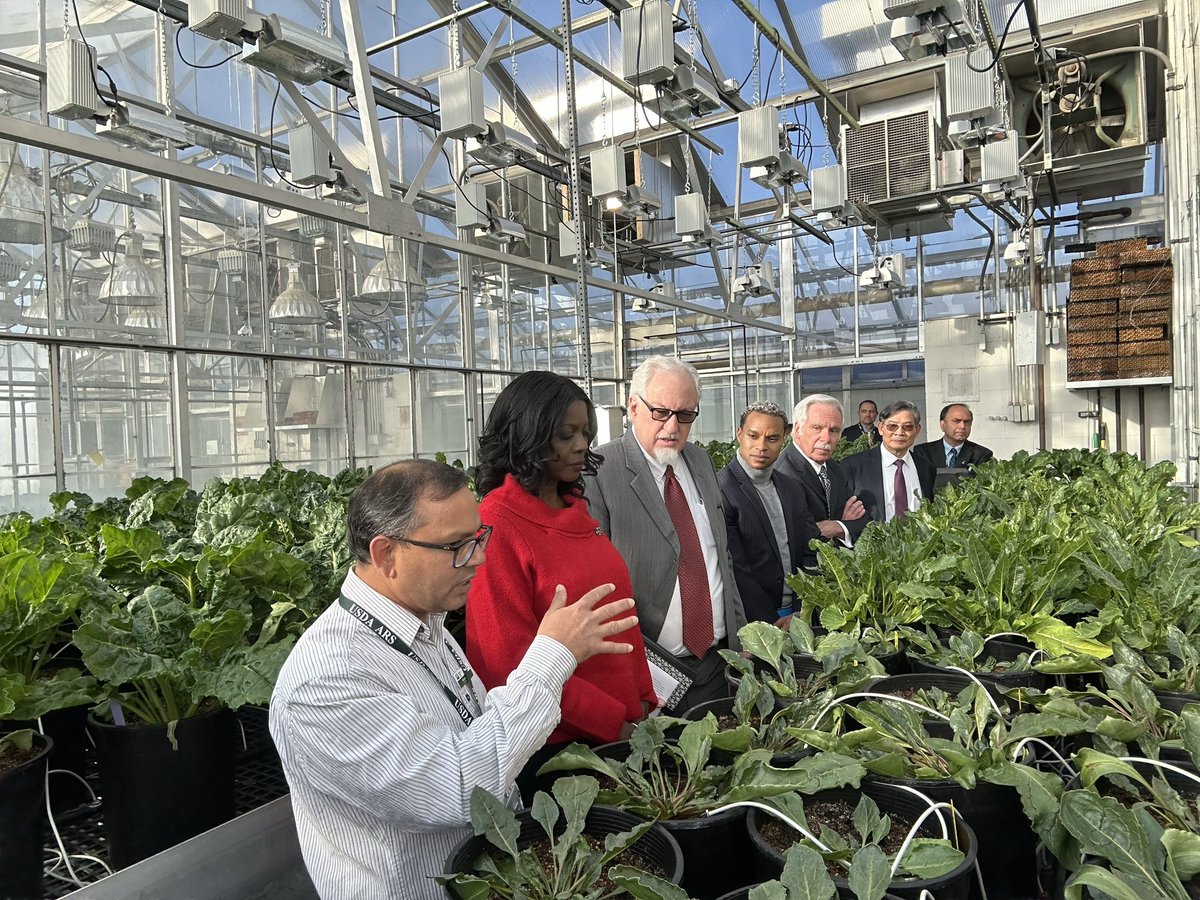
Malick Bill et al. identified fungal and bacterial species linked to storage diseases of sugar beet roots in the Red River Valley of Minnesota and North Dakota, aiding strategies to reduce postharvest sucrose losses: https://t.co/h5aQcvHAkh @kandelsl
@SuryaRAcharya Surya sir, great thoughts! Probably it would be good to keep the option open to hire faculties from global communities. It will create opportunities to recruit competent candidates like your Physics Professor of Russian origin at Amrit Science Campus.
Whole genome sequencing of Leuconostoc suionicum and L. pseudomesenteroides isolates extracted from sugar beet roots | Microbiology Resource Announcements https://t.co/vhCjnZPEEB
Going North to the Future -- ARS researchers are working with university colleagues and residents to develop sustainable farming practices in Alaska. As warmer conditions and longer growing seasons occur, Alaska is poised to benefit from new opportunities. https://t.co/PZmJsMg1ud
Today from the base of Mt. Everest, I saw for myself the terrible impact of the climate crisis on the Himalayas.
As temperatures rise, glacier melt increases - threatening the lives and livelihoods of entire communities.
#ClimateAction can’t wait.
JOB ALERT!
Permanent @USDA_ARS technician position is open now @ Sugarbeet and Potato Research Unit in Fargo, ND (Hometown: @NDSU). To work with a great team on storage diseases and postharvest pathogens of sugarbeet.
Job link: https://t.co/ynFCXSAH8I; Please RT!
Hello Fellow Plant Pathologists! Please join our special session to learn about alternative approaches and biocontrol strategies to manage postharvest pathogens. #planthealth2023
We have a postdoctoral position open at the sugarbeet virology lab, USDA-ARS. If you are excited about plant virus-host interactions and host response to virus infection, then please apply using this link. Please RT. https://t.co/1rHhLYP5h4