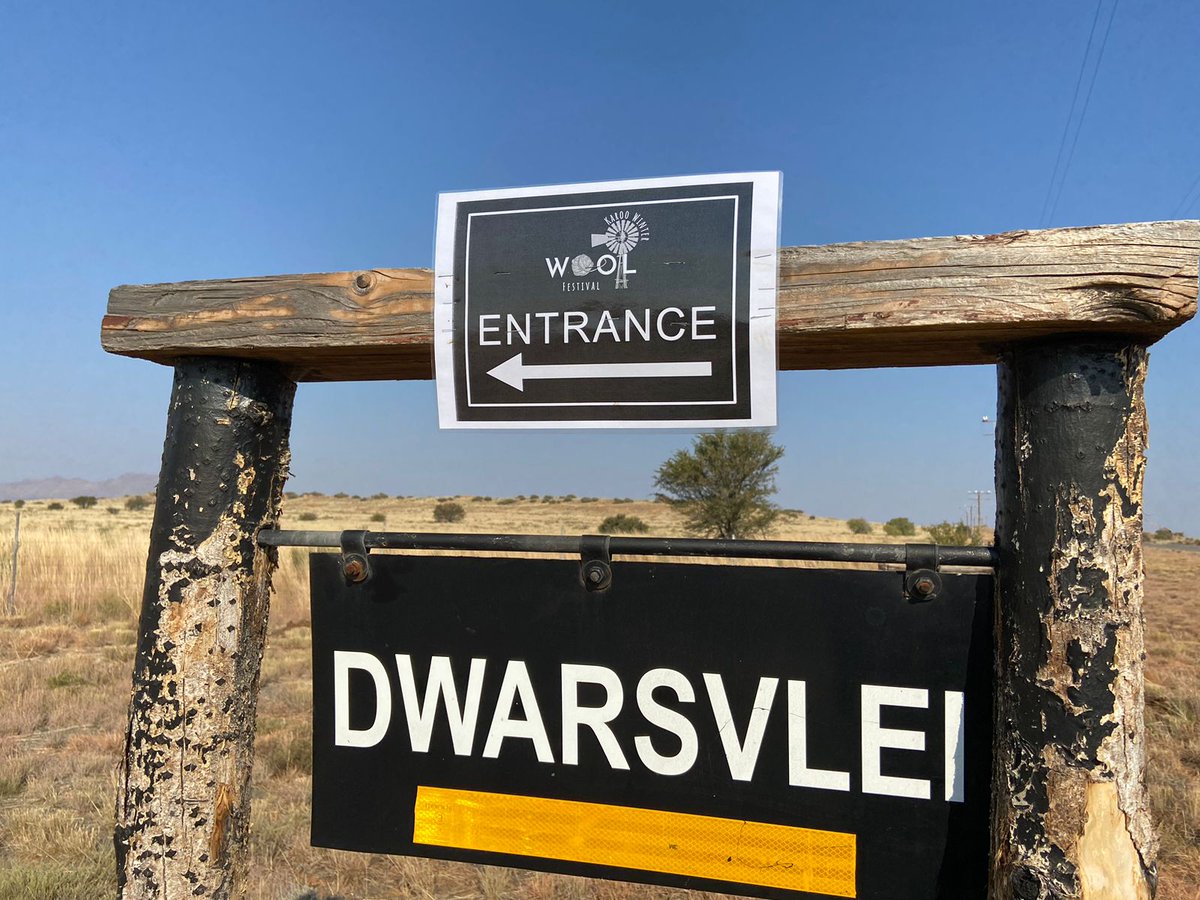
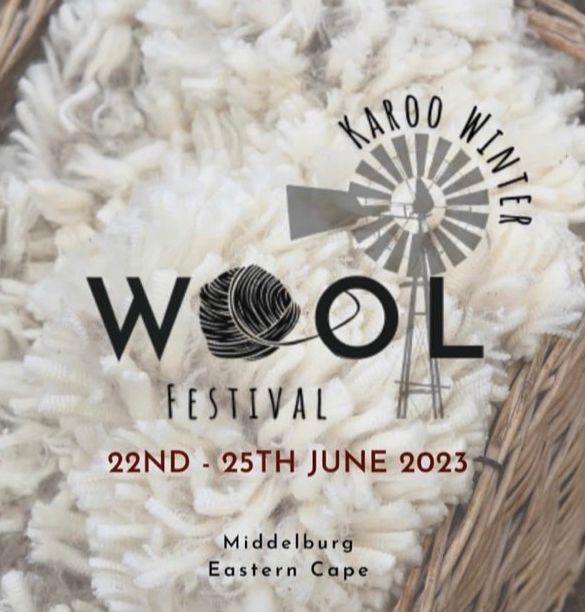
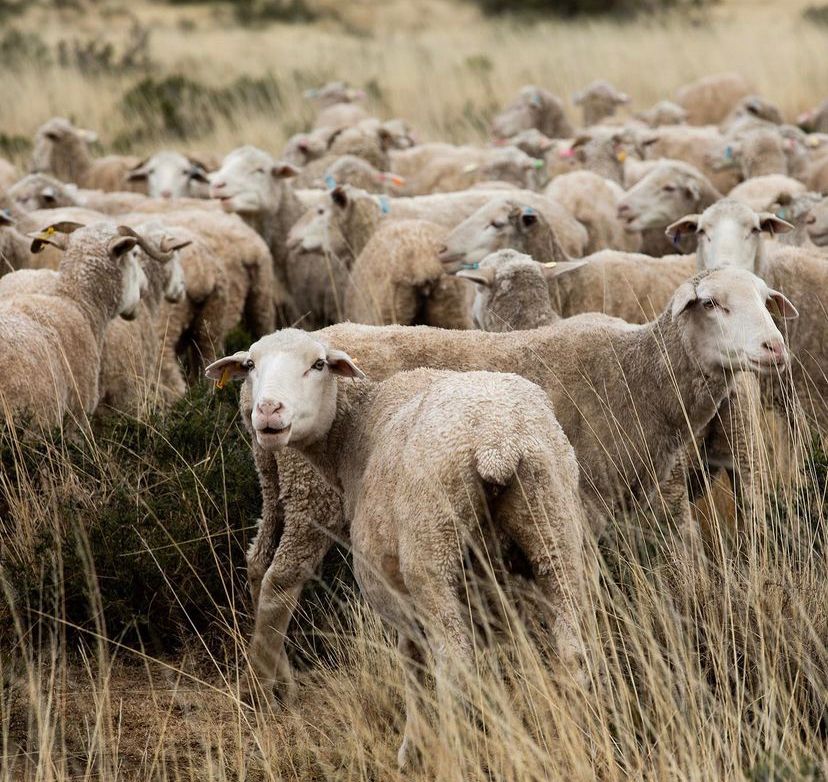
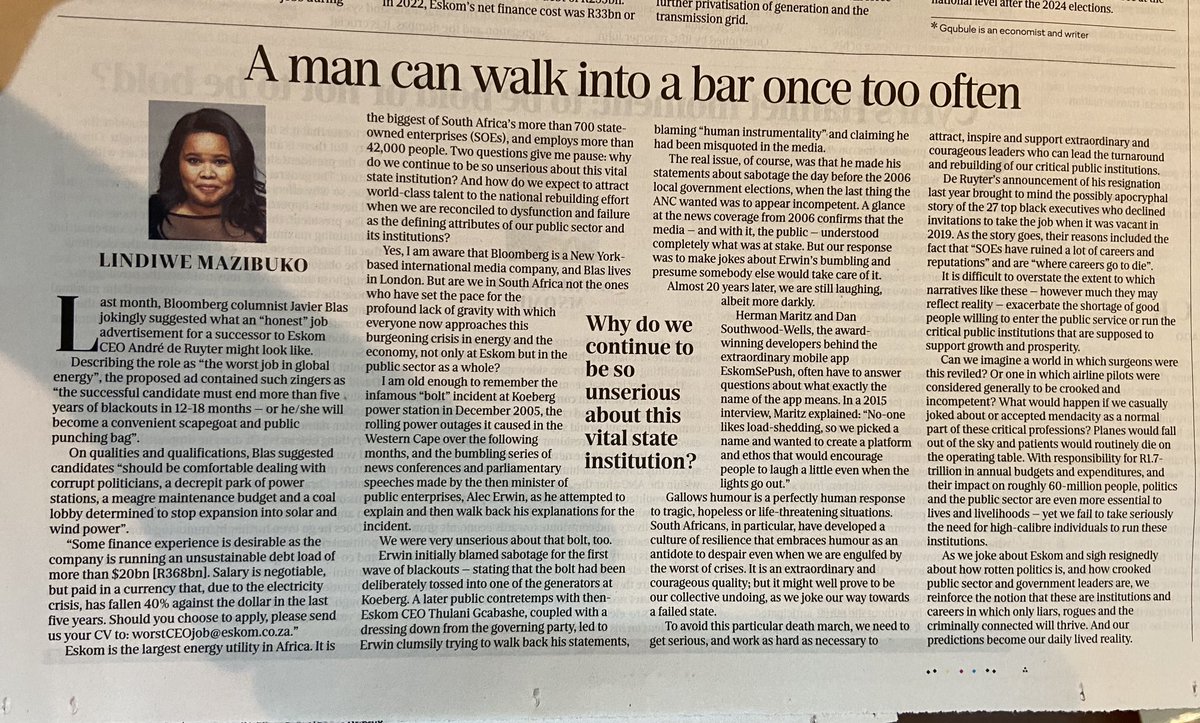
I spent my day in Middelburg, the Karoo region of the Eastern Cape province of South Africa, attending the Karoo Winter Wool Festival. It was an excellent festival showcasing the value chain activities of the South African sheep industry and the Karoo Heritage.
In the speaking sessions, I reflected on the growth prospects of South Africa’s agriculture with some perspective on the Karoo region. The outlook for South Africa’s agriculture is positive in the near term, and we forecast a 3% growth in the sector’s gross value added (from 0,9% in 2022). This is all because of favourable rains during the summer season that supported crop production and grazing veld.
The medium-term outlook is uncertain. We have an El Nino on the horizon, which may not be as devastating as the 2015/16 episode.
But more issues are conspiring against the sector, such as persistent episodes of load-shedding, higher input costs, rising protection in some export markets, animal disease outbreaks, rising interest rates, intensified geopolitical tensions, ongoing weaknesses in municipal service delivery and network industries, and the deterioration of rural roads. We need to address these issues to ensure the sector continues to prosper in the medium to long term.
Regarding the Karoo specifically, we should ask ourselves, as South Africans, how we can promote agricultural growth and unlock our natural assets and heritage of the Karoo.
We eat to live, and food carries the smells and tastes of places, families and histories. It matters to us what we eat, when, and how we eat. Thus, food heritage is linked to ecology, sustainability, health and landscape questions.
Exploring food as a heritage issue can raise interesting questions about identity, our relationship to the land, the availability and quality of local produce, poverty and health. It also offers obvious spin-offs in the form of product development and, obviously, economic value and development.
The Karoo is one of the “assets” of the Northern, Eastern and Western Cape because of its reputation and value. It, therefore, has a strong commercial and marketing value which farmers can utilise. Still, the name “Karoo” has been widely misappropriated by various individuals and businesses, misrepresenting products such as “Karoo Lamb”.
So, the Karoo region farmers should (1) claw back the Karoo name through GI (I can confirm that they have the government/DALRRD support on this), (2) Lift Karoo Lamb out of meat commodity mark and create its own pricing and distribution structure, (3) Create a different ‘price point’ for Karoo Lamb, (4) Enforce quality and food safety standards, (5) Ensure producer control of supply chain and form strategic partnerships with abattoirs, packers and wholesalers, (6) Prevent overdominance by major retail chains, (7) Educate consumers about quality and value of Karoo Lamb.
There is also another question about the fashion industry, which can add tremendous value to the Karoo. The global fashion industry, especially the luxury goods and clothing industry, is now demanding wool, mohair and leather from the Karoo because of the Karoo quality, reputation and story.
@simplepastor I could go on… one of my most favourite holidays (Warning: from someone w strong archaeological/historical inclinations! And a few years ago)
@simplepastor Armenia is also really worth seeing if you can. Garni, Yerevan main flea/antique market & manuscript &archaeological museums, Khor Virap & Mt. Ararat view & see all the monastries, each unique and in wonderful landscapes.
@simplepastor Georgia: taking time to explore Tblisi, its old wooden houses and streets, get to the mountains and yes for wine and wine tours. I loved the homestay experience too.
New article at the Keller Center for Cultural Apologetics. Its the fruit of what I've been reflecting on about modern despair over the last year or so.
"Our work will be less like winning an argument and more like breaking a spell."
https://t.co/8C9HtIcYv9
“Everyone is in a complicated relationship with things,” the philosopher Jane Bennett says. In her view, we are often pushed around, one way or another, by the stuff we come into contact with on any given day. https://t.co/1kdeiv77x8
One of my favourite German words is Muffel (a grumpy person). It’s used in compound words such as Morgenmuffel (‘person that hates mornings’) and Krawattenmuffel (‘person that hates wearing ties,’ or ‘tie grouch’). I suggest English adopts Muffel to make the following compounds…
📢Call for Applications📢 Apply for up to 25k€ funding through our micro-project-scheme. Eligible projects with focus on:
➡️Women's rights
➡️Anti-discrimination
➡️Just Energy Transition
➡️Local Economic Development
Further information here 👇
https://t.co/qEnjSdxY1u
#GermanyinSA
@capetownint loud screeching siren at Gate A5. Staff say a test - but why at midnight before a last flight out, waking children, no announcement and driving people crazy. At least 10mins. Not a great end to our guest´s holidays, and staff are overly chilled, no action I can see
🗣️🗣️🗣️��🇷🇪🇸🇩🇪
Now with links to French, Spanish and German versions.
"The kids are not ok
Today I went to give a climate talk at my old high school in Geneva — and was given a masterclass in our failings. This is the story of a day that shook me up ... "
https://t.co/KNQtCbTkww
I wish there were a Twitter feature that let you see other people’s feeds. Like you could type in any handle and your feed would change to what you’d see if you followed everyone they followed. Would be a great way to understand the narratives and values of different bubbles.