I just wanted to update my resume. Instead, I accidentally proved how a multi-billion-dollar AI tool hallucinates a glass ceiling for women.
I changed a single variable: My name.
Here is what happened when "Jennifer" became "Jeff."
Keep posting this so people don’t forget how truly bad this event was.
Don’t let people gaslight you into thinking it was peaceful and worthy of 1500+ pardons and slush fund payoffs.
Meet Bumpy!
This enchanting little chap was rescued over the weekend. His mother likely died defending him in a territorial fight and when the Kenya Wildlife Service found him, he was huddled beside her body. They rescued him and placed him in our care.
This was Bumpy's first night with us, snuggled next to Keeper Simon. Simon put his mattress on the ground and the tiny hippo nestled by his side, swaddled in his cherry blanket. After his fraught ordeal, he finally felt at peace and slept soundly in the crook of Simon's arm.
Now, you can become part of Bumpy’s journey — read his full rescue story and support him through an adoption: https://t.co/sR6w4FUvNN
One of the greatest and oldest special effects in history can be witnessed in Rome today
And it has been playing out, on cue, for nearly 2000 years...
Each year on April 21, the traditional birthday of Rome — the legendary date Romulus founded the city in 753 BC — the midday sun pierces the oculus at the crown of the Pantheon's dome and casts a perfect disk of light that settles squarely on the temple's entrance.
For roughly two minutes and fifty seconds, the bronze doors blaze gold...
At that exact moment, the Emperor would step across the threshold, his body swallowed in sunlight, as though the heavens themselves were handing him the city.
Hadrian's engineers designed the entire building as a cosmos in miniature: the interior is exactly 43.3 metres wide and 43.3 metres tall, meaning a perfect sphere fits inside it.
The Roman senator Cassius Dio wrote that the vaulted roof was meant to resemble the heavens themselves...
Only one chance in this lifetime…
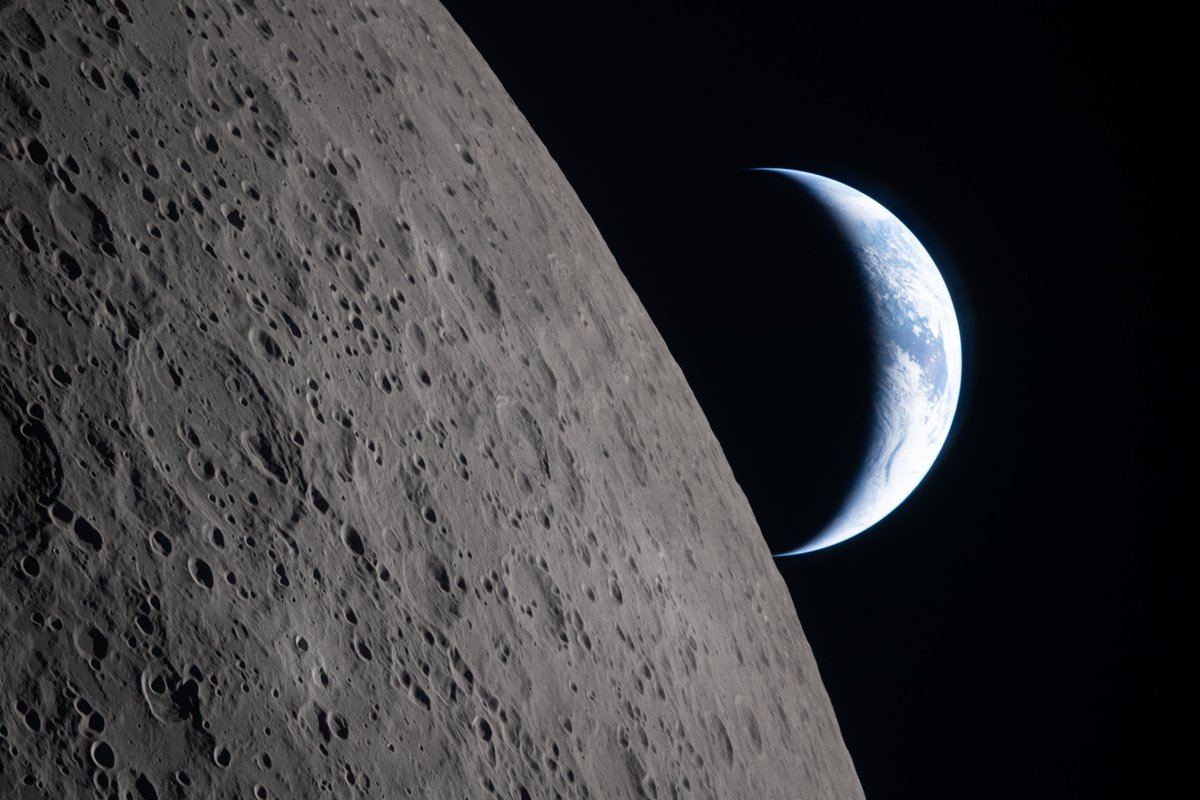
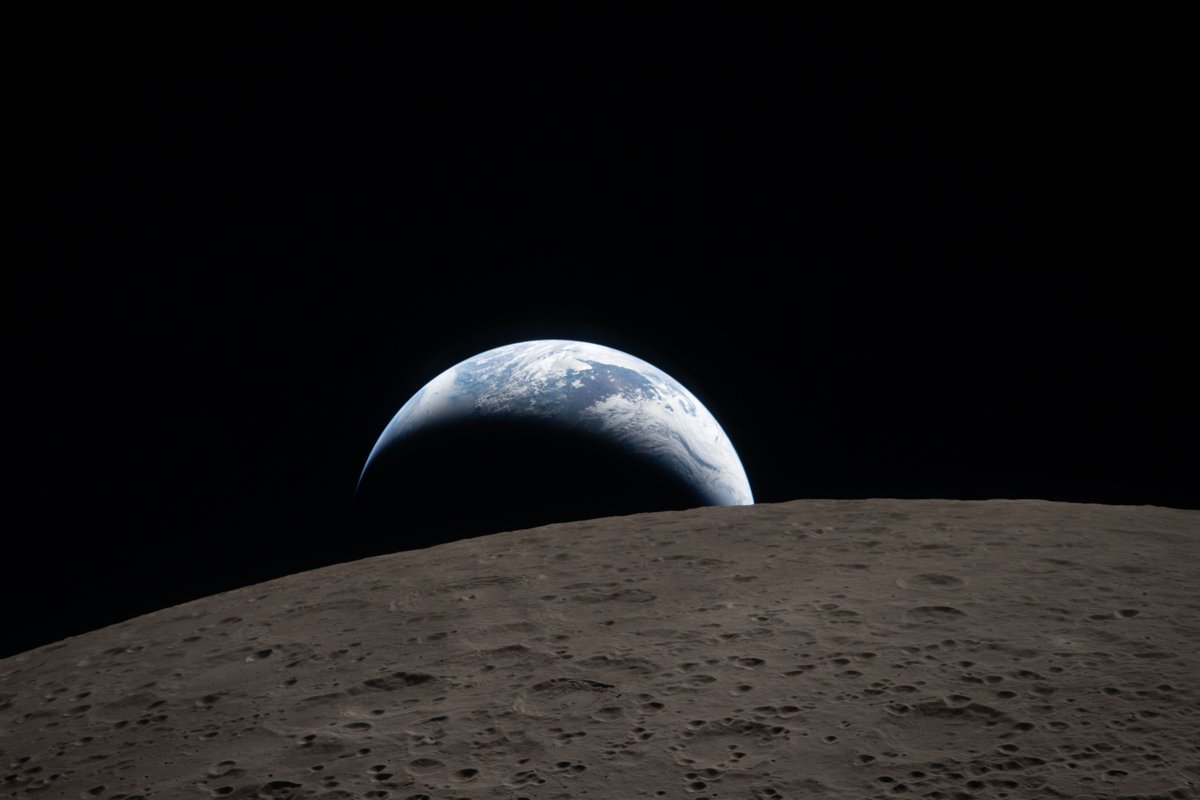
Like watching sunset at the beach from the most foreign seat in the cosmos, I couldn’t resist a cell phone video of Earthset. You can hear the shutter on the Nikon as @Astro_Christina is hammering away on 3-shot brackets and capturing those exceptional Earthset photos through the 400mm lens. @AstroVicGlover was in window 3 watching with @Astro_Jeremy next to him.
I could barely see the Moon through the docking hatch window but the iPhone was the perfect size to catch the view…this is uncropped, uncut with 8x zoom which is quite comparable to the view of the human eye. Enjoy.
•The U.S. Senate may hold a floor vote TODAY which would overturn a 20-year moratorium on sulfide-ore copper mining on 225,000 acres of Superior National Forest land in the watershed of the Boundary Waters Canoe Area (BWCA) Wilderness in northern Minnesota. The Boundary Waters is the most visited Wilderness in the United States.
🛶 Enjoying the Minnesotan/Canadian wilderness by canoe or other lesser watercraft is one of our nations greatest available pastimes, and one I have personally enjoyed my entire life. We must protect these public lands from the rapacious capitalists threatening to turn them into a poisoned wasteland.
•This vote in Congress would open the door to copper mining at the headwaters of this entire ecosystem. This kind of mining produces toxic pollution, including acid runoff and heavy metals, that can contaminate nearby waters.
•The Boundary Waters supports a major outdoor economy that sustains thousands of jobs and generates over a billion dollars a year - built on clean water and intact public lands. But this vote would clear the way for toxic mining that puts all of that at risk. It would also set a dangerous precedent, making it easier to roll back protections for public lands across the country, including wilderness areas, national monuments, and national parks.
•This is a defining moment. If you care about clean water, public lands, and protecting places we can’t replace, now is the time to speak up.
•Protect the Boundary Waters, and vote NO on House Joint Resolution 140. Let’s save this treasured place for all of us—forever. https://t.co/JhNAR6Za2O
Hello, Moon. It’s great to be back.
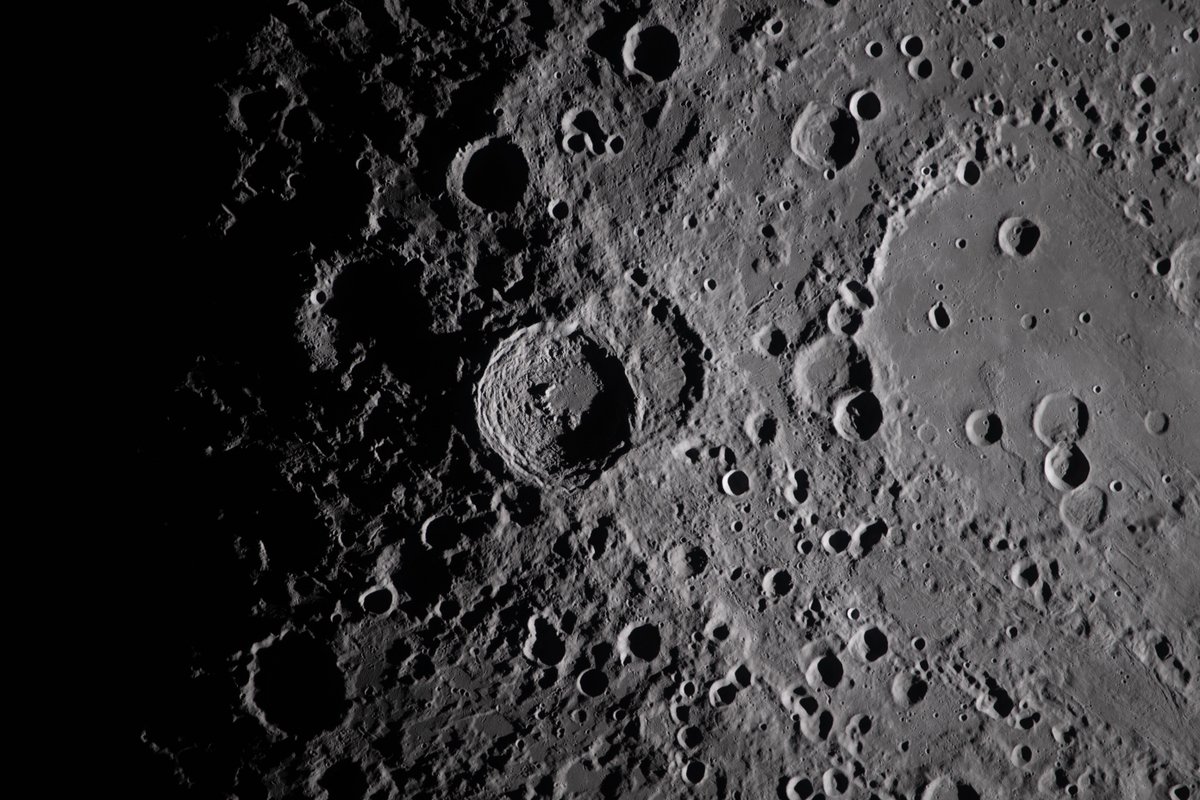
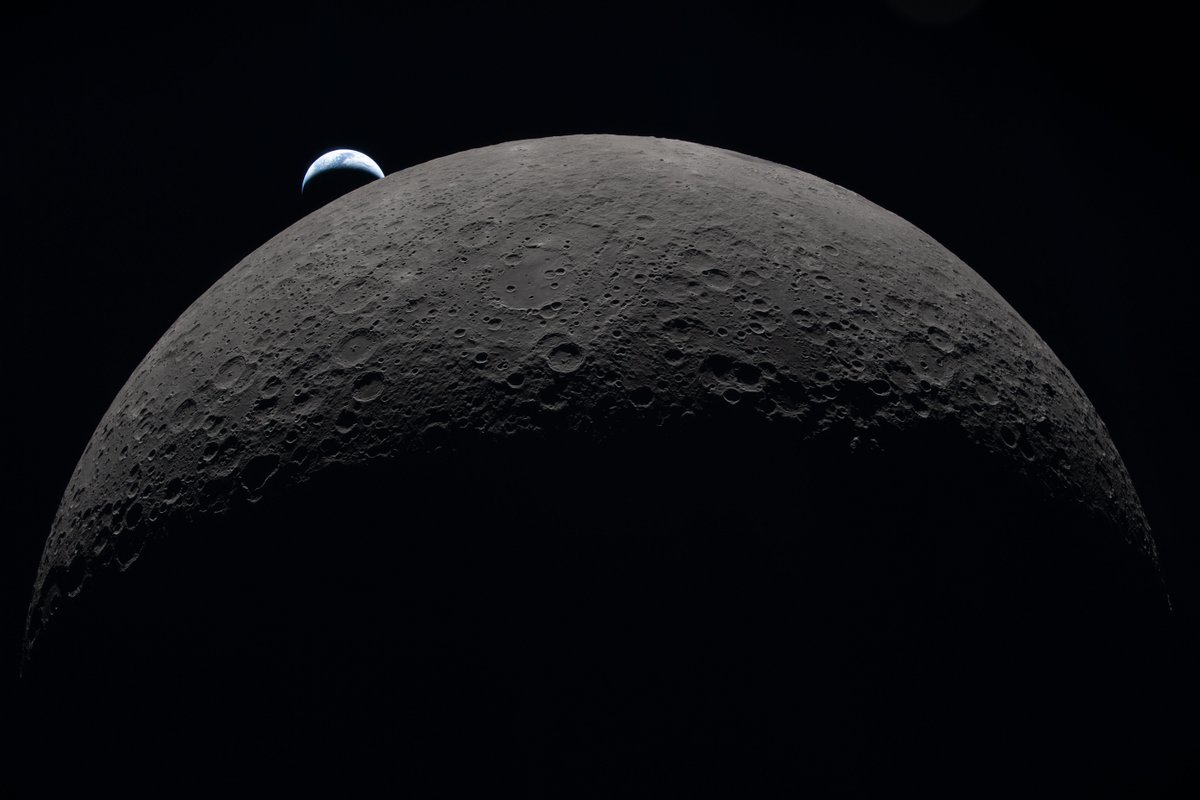
Here’s a taste of what the Artemis II astronauts photographed during their flight around the Moon. Check out more photos from the mission: https://t.co/rzM1P0QbOl
A moment we'll never forget? Watching ex-orphan Emily return to the Voi stockades to give birth – in broad daylight, no less, a rarity – to her second wild-born calf. If ever a scene spoke to the trust the orphans place in us, this would be it.
Incredibly, it was captured on film by the Keepers who watched on as Emily's herd of ex-orphans gently helped get the precious bundle to her feet, nudging and using their trunks to lift the baby. Emma, as we named her, is among 92 wild-born calves that we know of.
Tell us: What's an SWT conservation story you've read that has stuck in your mind since?
"We can see the Moon out of the docking hatch right now. It's a beautiful sight."
Flight day 3 is in the books, and our @NASAArtemis II crew is now closer to the Moon than to Earth. Check out highlights from our lunar mission. What’s been your favorite moment so far?
Christina Koch was a firefighter at the South Pole at -111°F before she ever applied to be an astronaut. That was maybe the fourth most interesting line on her resume. She grew up in North Carolina, got three degrees from NC State, and her first real job was building deep-space instruments at NASA.
Then she left for Antarctica. Spent three and a half years bouncing between the Arctic and Antarctic as a research scientist, including a full winter at the South Pole base. That means going months without sunlight or fresh food, with a crew of about 50 people and no way out until flights resume. While she was down there, she also joined the glacier search-and-rescue team.
After coming back, she went to Johns Hopkins and built instruments for two NASA missions (one of them is still orbiting Jupiter right now). She figured out how to start a tiny vacuum pump that NASA designed for a future Mars rover. Johns Hopkins nominated it for their Invention of the Year in 2009. Then she went back to the field. More time in Antarctica and a stretch up in Greenland. A government research station in northern Alaska, near the top of the world. Then she ran another one in American Samoa, near the equator.
In 2013, NASA selected her from 6,300 applicants. Eight people got in. Her first space mission was supposed to be a normal rotation on the International Space Station, but NASA extended it. She ended up staying 328 straight days and orbiting Earth 5,248 times, covering about 139 million miles (roughly 291 round trips to the Moon). Up there, she ran over 210 experiments, including tests of cancer drugs in zero gravity and 3D printers that can build structures close to human tissue. Six spacewalks, 42 hours floating outside the station. She learned Russian for the training. She flies supersonic jets.
Right now, Koch is on Artemis II, heading for a flyby behind the far side of the Moon. The crew launched on April 1 and is on track to travel about 252,000 miles from Earth, which would break the all-time human distance record of 248,655 miles set by Apollo 13 in 1970. That record has stood for 56 years, and it was set during a disaster that nearly killed the crew. Fred Haise, one of the Apollo 13 astronauts, is 92 now. He told Koch: "I heard you're going to break our record."
Nobody had left Earth's neighborhood since December 1972. Koch and her three crewmates are the first in 53 years, and they are coming home at about 25,000 mph. That is faster than any crewed spacecraft has ever come back through the atmosphere.
Wow! This weekend's warm weather pushed the Yoshino cherry trees to Stage Five: Puffy White. The blossoms are coming out, we're just waiting on them to open. We expect Peak Bloom this week!
🌸🌸🌸🌸🌸/🌸
Follow #BloomWatch at https://t.co/h04Gu0ksc1
#Cherryblossom#WashingtonDC
Remembering the moment we first met Imp nearly one month ago...
On the morning of 22nd February, Ishanga made a surprise appearance at our Ithumba Reintegration Unit. But the biggest surprise was yet to come – by her side was a tiny baby underfoot! Head Keeper Benjamin and the team had been waiting 22 months to meet tiny Imp, as she has been called, and she was every bit as special as we hoped. As so many orphans have done before her, Ishanga had returned home to share her joy with the human family who raised her!
Remind yourself of the story, including Ishanga's own journey from orphan to lion survivor and now, mother: https://t.co/Axc5WPp9le
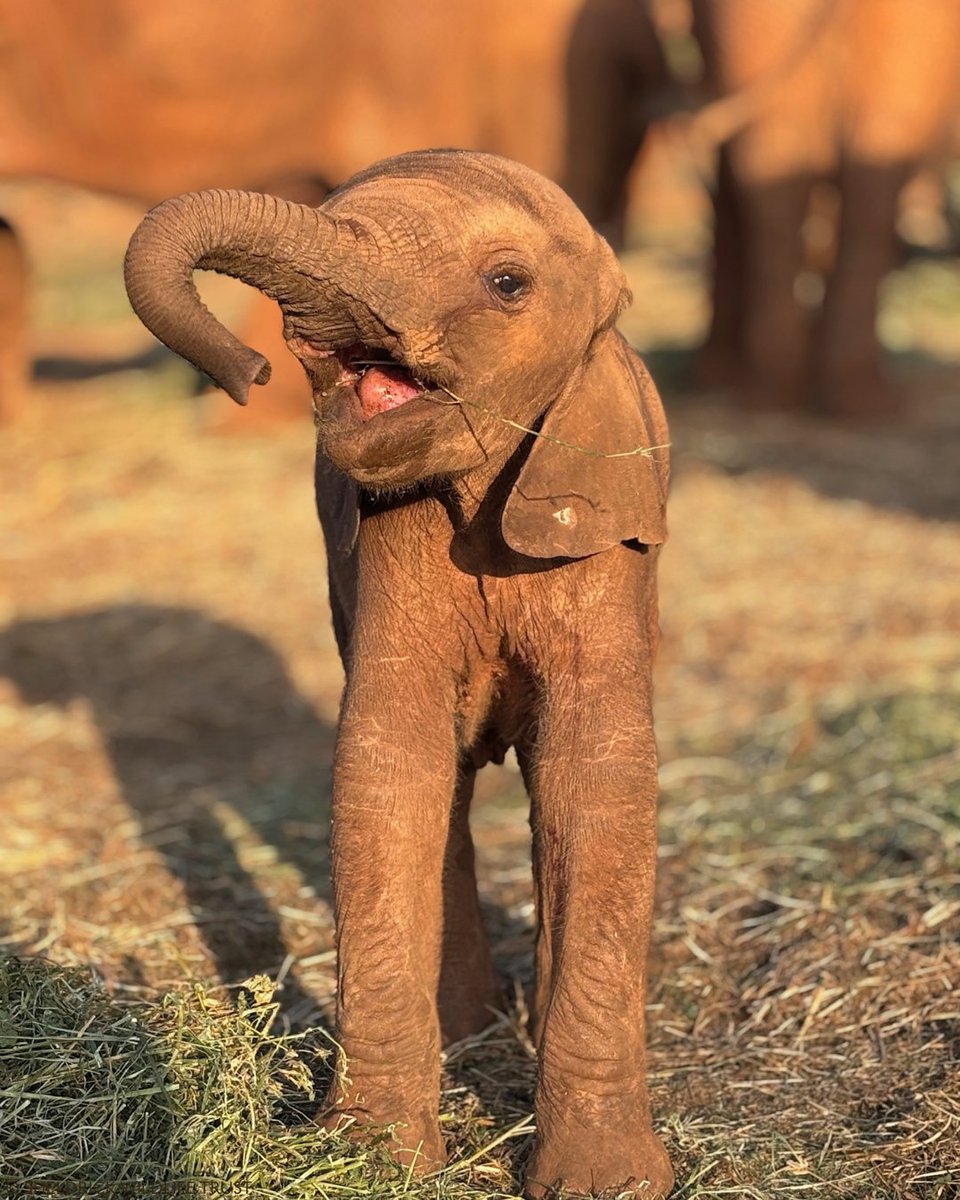
Little Aura was just one of the many joys delivered in January! And, you'll see, she's already working the camera like a pro.
Only weeks old, she is the wild-born daughter of our very own ex-orphan, Arruba. Thanks to our incredible supporters, we can give rescued orphans the family and the wild future they deserve. For Arruba, that happy ending looked like starting her own family in the wild, surrounded and supported by an extraordinary extended family at Voi.
Meet Aura: https://t.co/DBWWGNT5ad
A new star has risen at the Winter #Olympics26 in Italy.
An unstoppable dog, possessed by the spirit of Olympic slalom champions, raced onto the ski slope and made it all the way without being caught.
And the broadcast director changed cameras and shots, just like he would for a real competitor.