In 1998, Warren Buffett gave a 1-hour masterclass on how to never lose money investing.
His frameworks:
• The 10% ownership test
• Castle & moat thinking
• Circle of competence
• Why smart people go broke
12 timeless lessons from his masterclass:
1. The 10% ownership test
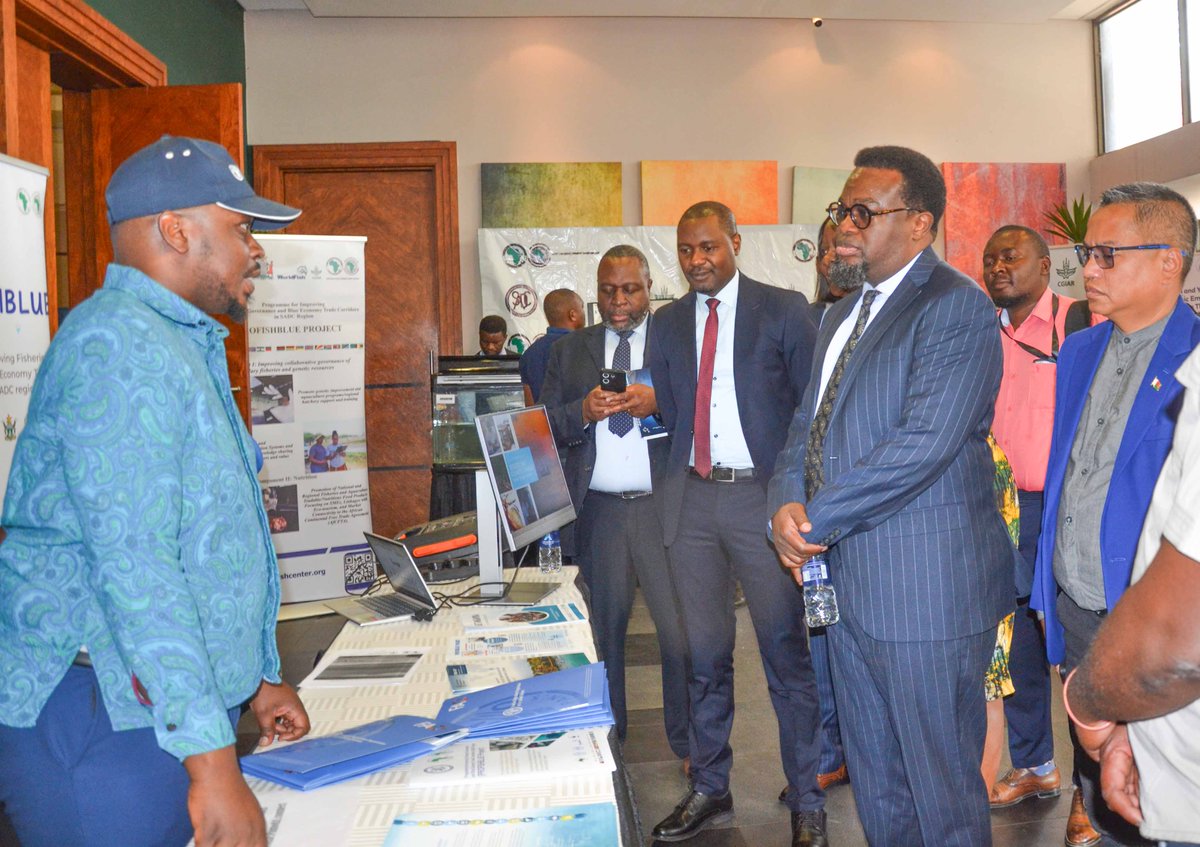
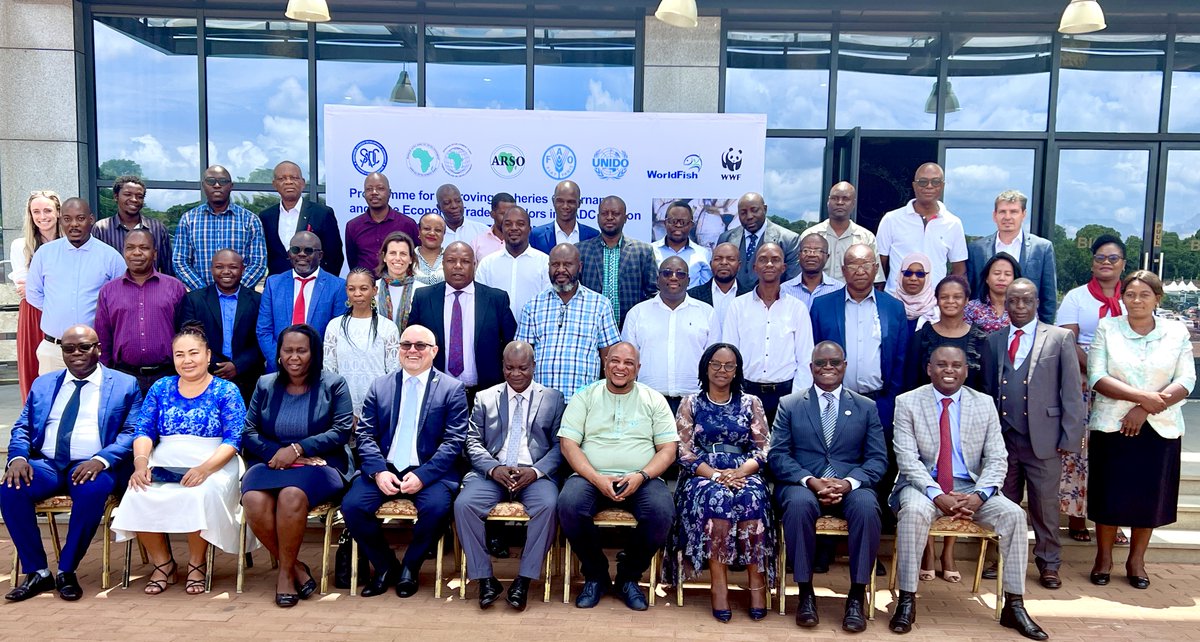
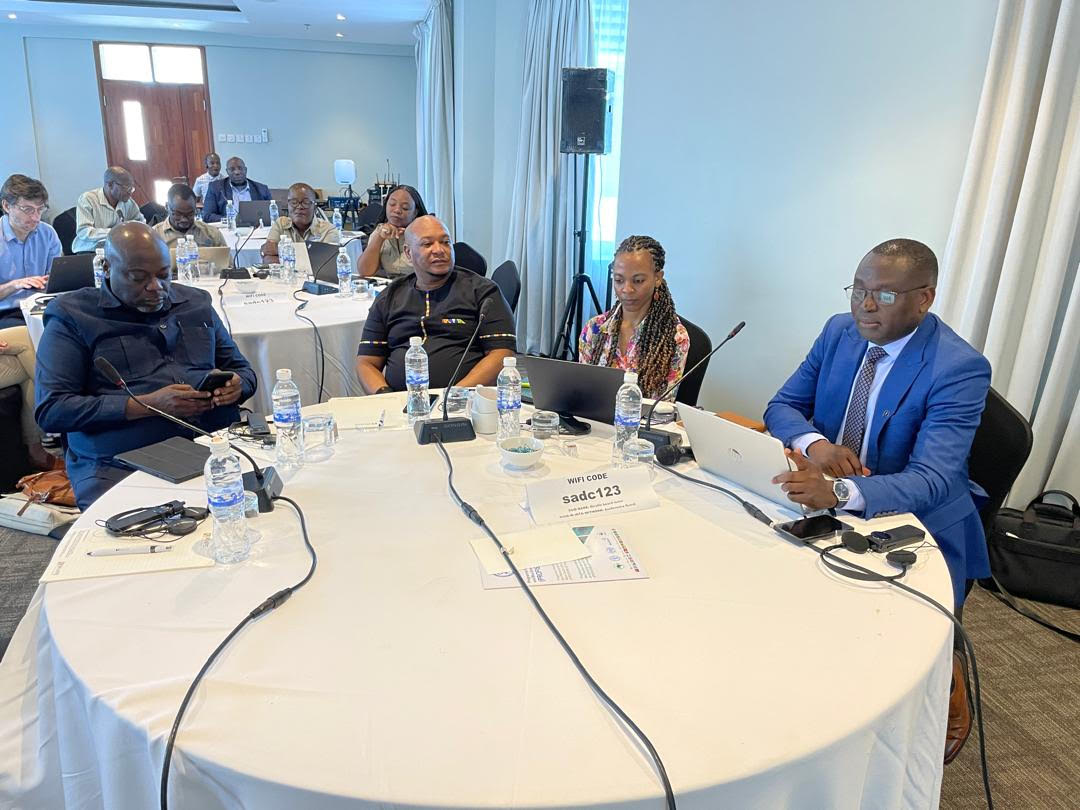
#SADC convened a dissemination event in Zambia, on 24 Sept 2025 for the PROFISHBLUE Project to highlight the project’s achievements in strengthening fisheries and aquaculture governance, contributing to food security, jobs, and intra-regional trade. @EliasMagosi@AngeleMakombo
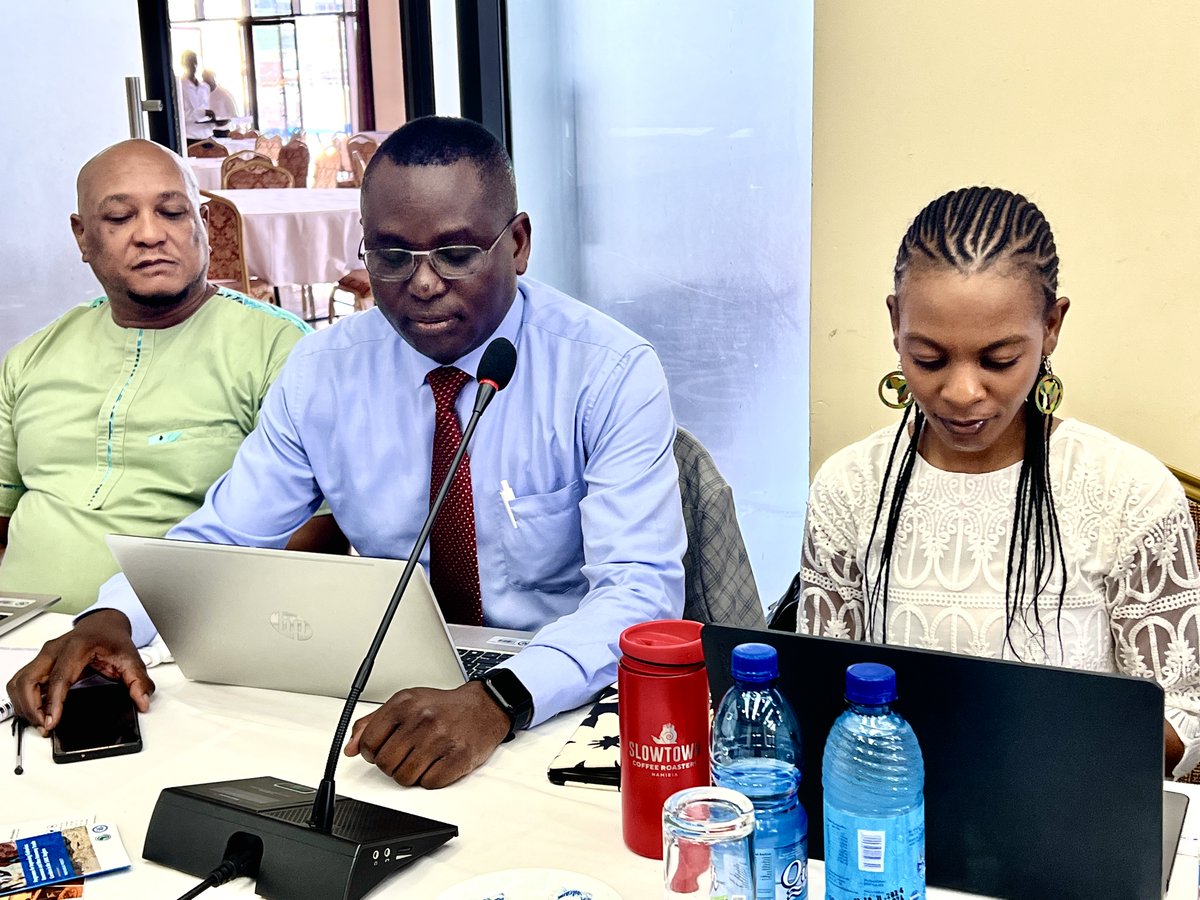
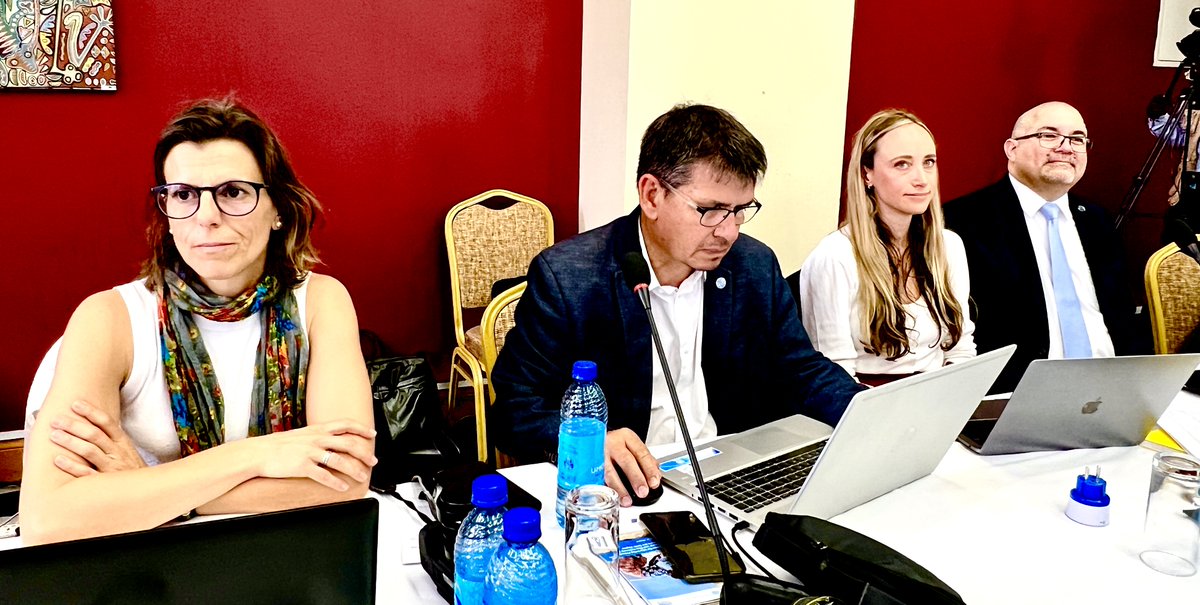
Technical workshop now underway in #Siavonga, #Zambia to validate the Lake Kariba Blue Economy Strategy & Investment Plan.
FAO, with the Governments of Zambia 🇿🇲 & Zimbabwe 🇿🇼, @SADC_News and partners, advancing inclusive, sustainable fisheries.
#BlueEconomy#PROFISHBLUE
Peaky Blinders, Stranger Things, Money Heist, The Queen’s Gambit, and Narcos are Netflix shows that need no introduction.
Here are 20 hidden Netflix gems to watch this weekend you might not know about...🔖
𝗦𝗔𝗗𝗖 𝗰𝗼𝗻𝗱𝘂𝗰𝘁𝘀 𝘄𝗼𝗿𝗸𝘀𝗵𝗼𝗽 𝘁𝗼 𝗱𝗲𝘃𝗲𝗹𝗼𝗽 𝘁𝗵𝗲 𝘁𝗿𝗮𝗶𝗻𝗶𝗻𝗴 𝗽𝗿𝗼𝗴𝗿𝗮𝗺𝗺𝗲 𝗳𝗼𝗿 𝘁𝗵𝗲 𝗦𝗠𝗘𝘀 𝗶𝗻 𝘁𝗵𝗲 𝗰𝗼𝗹𝗱 𝘀𝘁𝗼𝗿𝗮𝗴𝗲 𝗮𝗻𝗱 𝗽𝗼𝘀𝘁-𝗵𝗮𝗿𝘃𝗲𝘀𝘁 𝗹𝗼𝘀𝘀𝗲𝘀 𝗼𝗳 𝗳𝗶𝘀𝗵
The development of knowledge and skills to small-medium enterprises (SMEs) is a fundamental aspect for the Southern African Development Community (SADC) region interventions to improve cold-chain and post-harvest losses and ultimately improve their fish value chain business and trade. The SADC Secretariat on 3rd June 2024 held the workshop in Dar es Salaam, United Republic of Tanzania (URT) to develop the training programme for the SMEs involved in the cold storage and post-harvest losses of fish within the framework of the PROFISHBLUE Project.
The Workshop included National Focal Points for the seven (7) PROFISHBLUE Project Member States, namely Democratic Republic of Congo, Madagascar, Malawi, Mozambique, United Republic of Tanzania, Zambia and Zimbabwe. The workshop aimed at developing course content that will contribute to the enhancement of the SMEs in the fish value chain in key technical, financial, economic and governance principles of conducting commercial fish processing and distribution as well as to identify the risks in the cold chain assets to manage and utilise assets sustainably. The project is supporting SMEs through the provision of three (3)- ton refrigerated trucks to improve the quality of the fish and fishery products being distributed and reduce the post-harvest losses (physical, biological and ecological) for both wild and domesticated (farmed) fish. A draft training manual emanated from this workshop which, upon approval, will be used for capacity building and as Trainer of Trainers tool within the SADC region.
𝗦𝗔𝗗𝗖 𝗟𝗮𝘂𝗻𝗰𝗵 𝗦𝗔𝗗𝗖/𝗙𝗔𝗢 𝗥𝗲𝗽𝗼𝗿𝘁 “𝗧𝗵𝗲 𝗖𝗼𝗻𝘁𝗿𝗶𝗯𝘂𝘁𝗶𝗼𝗻 𝗼𝗳 𝗦𝗺𝗮𝗹𝗹-𝗦𝗰𝗮𝗹𝗲 𝗙𝗶𝘀𝗵𝗲𝗿𝗶𝗲𝘀 𝘁𝗼 𝗛𝗲𝗮𝗹𝘁𝗵𝘆 𝗦𝘆𝘀𝘁𝗲𝗺𝘀 𝗮𝗻𝗱 𝗦𝘂𝘀𝘁𝗮𝗶𝗻𝗮𝗯𝗹�� 𝗟𝗶𝘃𝗲𝗹𝗶𝗵𝗼𝗼𝗱 𝗶𝗻 𝘁𝗵𝗲 𝗦𝗔𝗗𝗖”
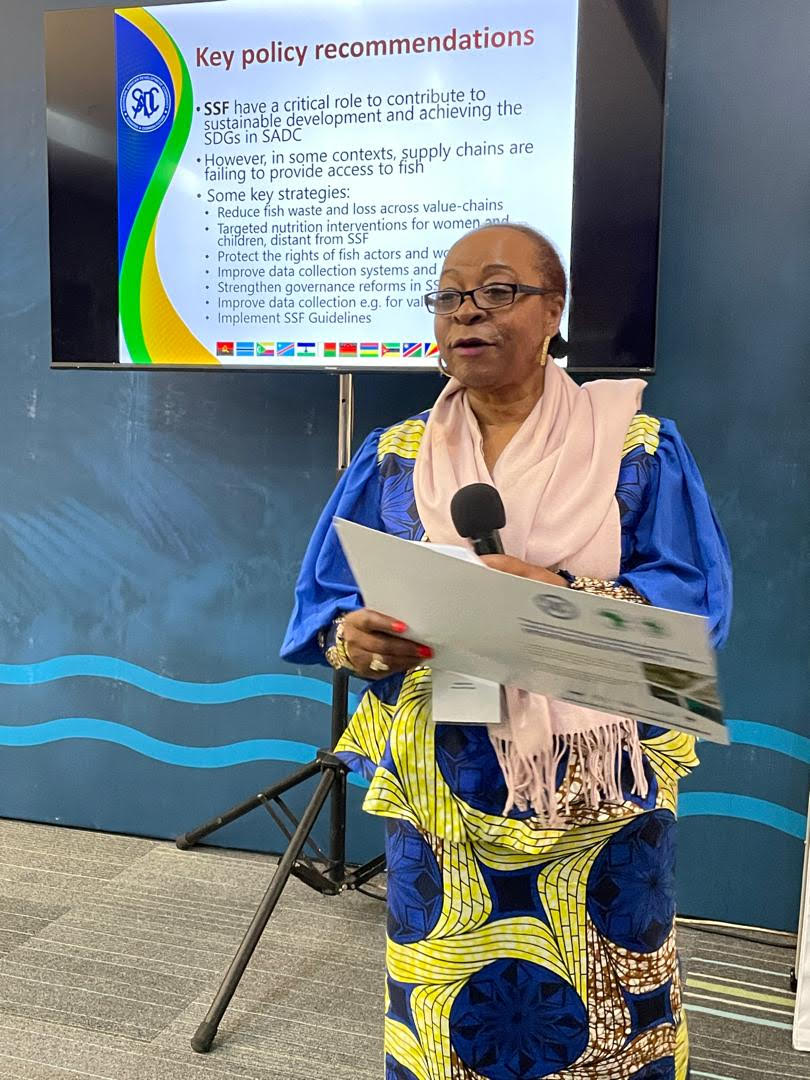
The Southern African Development Community (SADC) Secretariat, through its Deputy Executive Secretary for Regional Integration Ms. Angele Makombo N’tumba, launched the highly anticipated SADC/FAO Report “The Contribution of the Small-Scale Fisheries to Healthy Food Systems and Sustainable Livelihoods in SADC”. The launch event took place on 5th June 2024, in Dar es Salaam, United Republic of Tanzania, during the celebration of ten (10) years of Small-Scale Fisheries Guidelines at the Africa Small-Scale Fisheries Summit.
According to Ms. N’tumba, the report is a testament to the contribution of small-scale fisheries to the healthy food systems and sustainable livelihoods in the SADC region as well as the dedication and hard work of many actors within the small-scale fish value chain. The report sheds light on the indispensable value of the SSF sector and provides a roadmap for sustainable development and regional cooperation. It details various aspects of small-scale fisheries, including their economic impact, environmental significance, the challenges they face and key recommendations for policymakers such as governance in small-scale fisheries.
Ms N’tumba emphasised that the report came at the right time as the world celebrates a decade since adoption of the Small-Scale Fisheries Guidelines at the FAO Committee on Fisheries (COFI) held in 2014 in Rome, Italy, and that it is a significant milestone in the realm of the SSF within the region. She applauded the SADC Secretariat and FAO for their dedication in compiling this report.
Honourable Dr Bizwick Usi, Minister of Natural Resources and Climate of the Republic of Malawi further emphasised that the report is a living document which is expected to serve as a critical resource and guiding tool for policymakers, development partners, and stakeholders in crafting policies and programs that bolster the development of the sector. He added that Action Plans should be developed to implement the recommendations emanating from the report to drive the regional agenda of the fisheries sector.
Mr Pierre Guillibert, the GIZ Representative and Coordinator for the Global Project for Sustainable Aquatic Foods highlighted that participation, gender and ecosystem approach to fisheries are key tools to the cross-sectoral coordination of the SSF key findings from the report. He emphasised that by fostering a collaborative approach and inclusivity in the sustainable support of SSF guidelines and decision-making we can ultimately contribute to the overall food security and sustainable food systems of the SSF value chain. He also indicated that the new Global Project for Sustainable Aquatic Foods which will be implemented in collaboration with SADC Secretariat will support SADC member States in closing some of the gaps identified in the SSF report.
The Permanent Secretary of the Ministry of Livestock and Fisheries in the United Republic of Tanzania, Prof Riziki Shemdoe thanked and appreciated the SADC Secretary in crafting this report and launching it in Tanzania.
The Senior Fisheries Officer for the FAO Regional Office for Africa, Dr Ndiaga Gueye handed over the Report to the SADC Secretariat and Ms N’tumba officially launched the report “The Contribution of Small-scale Fisheries to Healthy Food Systems and Sustainable Livelihoods in the Southern African Development Community”. The report is part of the FAO series called Illuminating Hidden Harvests (IHH) and can be downloaded from https://t.co/aPA7IaXbxS - QR-code.
𝗦𝗔𝗗𝗖 𝗶𝗻 𝗽𝗮𝗿𝘁𝗻𝗲𝗿𝘀𝗵𝗶𝗽 𝘄𝗶𝘁𝗵 𝗪𝗼𝗿𝗹𝗱𝗙𝗶𝘀𝗵 𝘀𝘂𝗽𝗽𝗼𝗿𝘁 𝗠𝗮𝗹𝗮𝘄𝗶 𝘄𝗶𝘁𝗵 𝗳𝗶𝘀𝗵 𝗵𝗮𝘁𝗰𝗵𝗲𝗿𝘆 𝗲𝗾𝘂𝗶𝗽𝗺𝗲𝗻𝘁 𝘁𝗼 𝗲𝗻𝗵𝗮𝗻𝗰𝗲 𝗳𝗶𝘀𝗵 𝗽𝗿𝗼𝗱𝘂𝗰𝘁𝗶𝗼𝗻
On 22nd July 2024, the Southern African Development Community (SADC) in partnership with WorldFish under the Programme for Improving Fisheries Governance and Blue Economy Trade Corridors in the SADC region (PROFISHBLUE Project) handed over fish hatchery equipment to the Government of the Republic of Malawi at the National Aquaculture Centre (NAC) in Domasi, Malawi. The NAC serves as the breeding nucleus for the Genetic Improvement Programmes (GIP) aimed at enhancing the quality for Shire tilapia, a significant fish species for Malawi and neighbouring countries.
The PROFISHBLUE Project, funded by the African Development Bank (AfDB), is being implemented in seven SADC Member States namely; the Democratic Republic of Congo, Madagascar, Malawi, Mozambique, United Republic of Tanzania, Zambia and Zimbabwe. Within the subcomponent titled‘Promote genetic improvement and aquaculture programs and regional hatchery support and training’, WorldFish as an implementing partner for PROFISHBLUE project, facilitated the procurement of hatchery equipment. This equipment includes an industrial pressure washer, water and fish tanks, water heaters and submersible drainage pumps.
Dr Motseki Hlatshwayo, the Technical Advisor on Fisheries at the SADC Secretariat and the PROFISHBLUE Project Manager, applauded WorldFish's excellent work and support in developing aquaculture and genetic programmes in the SADC region. He emphasised the benefits of the equipment and its accessories, stating that this would boost fish production, especially for Shire tilapia, which is one of the priority species identified under the SADC Regional Fish genetic Improvement Programme by SADC Ministers responsible for Fisheries and Aquaculture in 2017.
Dr Hlatshwayo also highlighted that while the equipment was handed over to the Government of Malawi, it would benefit other SADC Member States as the centre is a regional initiative which they can leverage for research and training.
In receiving the equipment, Mr. Joseph Magwira, the Director of Administration in the Ministry of Natural Resources and Climate Change for the Republic of Malawi, expressed his gratitude to SADC and the WorldFish for their consistent support to SADC Member States, particularly Malawi, throughout the years in the pursuit of enhancing fish and aquaculture production. Mr. Magwira emphasised that this initiative aligns with the realisation of the goals of the Malawi Development Agenda 2063, which prioritises product diversification, value addition in export products, and overall competitiveness.
Dr Victor Siamudaala, the Country Director for Southern Africa at WorldFish, emphasised that the equipment is aimed at assisting the SADC region and Malawi in the efforts to enhance the productivity of aquaculture sector.
He further stated that this initiative was intended to stimulate the Genetic Improvement Programme (GIP) of indigenous tilapia fish species in SADC and create employment as well as business opportunities throughout the entire aquaculture value chain for the region.
The handover ceremony was attended by representatives from eleven SADC Member States, namely Angola, Botswana, Eswatini, Madagascar, Malawi, Mozambique, Namibia, South Africa, United Republic of Tanzania, Zambia, and Zimbabwe. In addition, delegates from the Centre for Coordination of Agricultural Research and Development for Southern Africa (CCARDESA), academia, and the aquaculture private sector also graced the occasion.
Furthermore, in February 2024, SADC through the PROFISHBLUE Project also delivered equipment to the SADC Senga Bay Fisheries Research Station located in Salima, on the shores of Lake Malawi. This was to enhance fisheries management and monitoring of fishing operations, as well as strengthening the operationalisation of fisheries production and promotion of the development of the blue economy.
Full article can be accessed on the SADC Website on: https://t.co/9lguCseiuj
@EliasMagosi@AngeleMakombo@sardcnet@WorldFishCenter
For more information on SADC follow us on these platforms:
Website: https://t.co/jwVPo98Uhr
YouTube: @SADCnews
Facebook: @SADC
X(formerly Twitter): @SADC_News
LinkedIn: Southern African Development Community (SADC)
Instagram: @SADC
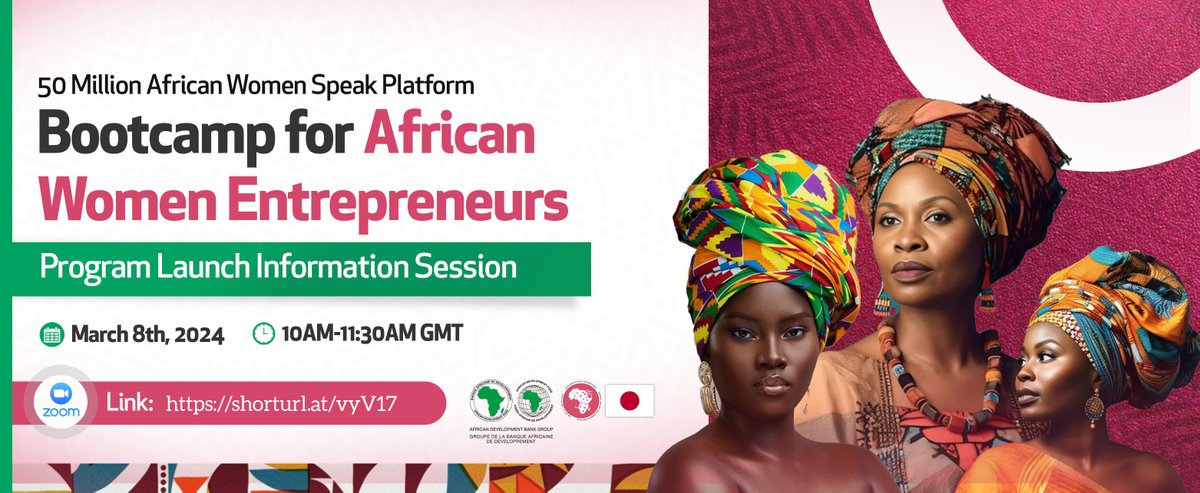
Business Bootcamp for African Women #Entrepreneurs
📅 8 March 2024
⏰ 10:00 am UTC
📍 Virtual
Hosted by @AfDB_Group’s Gender, Women and Civil Society Dept with the #Japan Policy and Human Resources Development Grant.
Info: https://t.co/viEvIkZtdW #IWD2024#InvestingInWomen
BOTTOMLINE - The Ministry of Environment, Forestry and Tourism has issued a sector-wide clearance for the mariculture sector at Lüderitz, Swakopmund, and Walvis Bay. https://t.co/K582StDIir