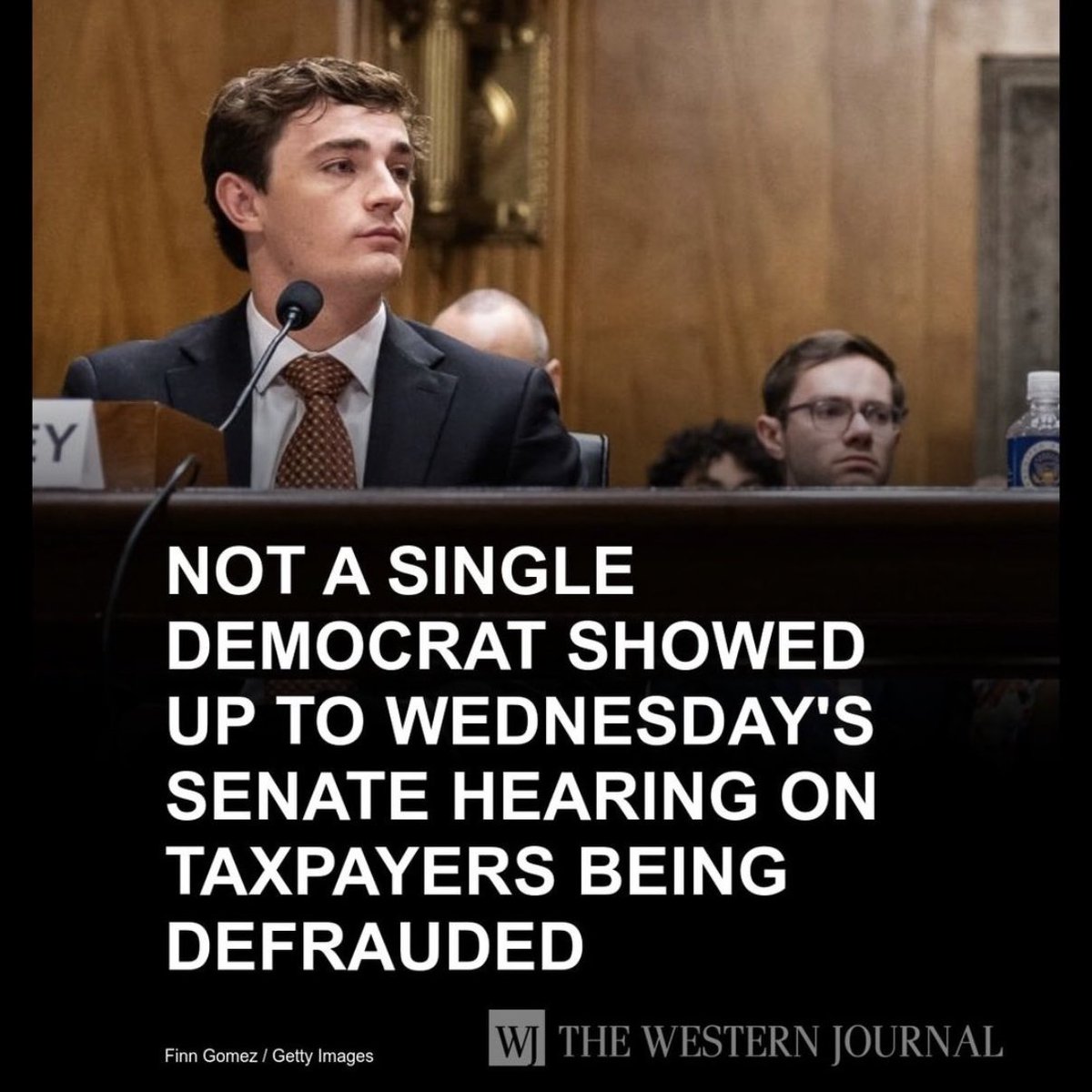
Imagine this: you get paid by our tax dollars and you don’t even show up to do your job when it involves our tax dollars being stolen.
Wtf are these people doing in office if they don’t even care about our money being stolen and wasted? They are simply working against us.
We just had a client under LOI to buy a business for $8 million based on a stated EBITDA of $1.7 million.
Then the Quality of Earnings came back.
After cash-to-accrual adjustments and normalizing expenses, actual EBITDA was closer to $1.3 million.
The buyer went back to his lender.
The lender said the most they could finance while maintaining an acceptable debt service coverage ratio was about $6 million.
The seller was furious.
His response was basically, “I’ll just keep the business.”
He said a friend at his country club got $8 million for a similar company, so that’s what he wanted.
He also believed new business in the pipeline would push EBITDA much higher going forward.
So we got creative.
Instead of an earnout, we structured a contingent note.
Contingent notes can work with SBA financing.
Earnouts generally can’t.
It’s one of the most useful tools in lower middle market M&A when the valuation gap is real but both sides still want to get a deal done.
In this episode of Main Street Deals, we break down how contingent notes work and why every searcher and business buyer should have them in their toolbox.
Enjoy!
@JamesOKeefeIII In this video, I get the fraudsters to:
1. Admit to the fraud happening
2. Expose who’s doing the fraud
3. Show Americans that we are being robbed
A physicist put 22 cars on a circular track and asked every driver to hold a steady 30 km/h, about 19 mph. No lights, no lanes, no obstacles. Within a minute the cars started bunching, and soon a full stop appeared out of nowhere, then drifted backward around the loop.
This was Yuki Sugiyama at Nagoya University in 2008. His team spaced the cars evenly on a 230-meter ring and filmed them from overhead. For a while the flow stayed smooth. Then the tiny differences no human can avoid, one driver a hair slower, the next a hair too close, began to feed on themselves.
One car eases off slightly. The driver behind sees the brake lights, reacts a fraction of a second late, and brakes a little harder to be safe. The next driver brakes harder still. A dozen cars back, someone is stopping dead. The squeeze rolls backward through the line like a compression running down a Slinky, and it keeps going long after the first driver has sped up again.
Car count was the tipping point. With fewer than 22 on that track, the bunching sorted itself out. At 22, a jam formed every time. Engineers call that a critical density, the point where a road holds just enough cars that one small tap can snowball into a standstill.
These waves are eerily consistent. Measured on highways around the world, the jam rolls backward against the traffic at roughly 20 km/h, and that speed barely shifts from one country to the next. Different drivers, different roads, same number.
The same setup later became the cure. In 2017, a US team rebuilt Sugiyama's ring with 22 cars and turned just one of them into a self-driving car running a program to smooth its own speed. That single car soaked up the small slowdowns instead of passing them back, and the waves died. Fuel use across every car fell by up to 40 percent. Fewer than 5 percent of the vehicles had to be automated to steady the whole group.
In 2022 the idea moved onto a live highway. Researchers ran 100 cars with cruise control guided by AI into the morning rush on Interstate 24 near Nashville, mixed into normal traffic. Early numbers pointed the same way: a small share of smoother-driving cars, up to 40 percent less fuel for everyone around them.
The jam you sat in this morning likely had no crash and no cause you could see. It was a few hundred drivers, each braking a moment too late.
If you missed it, the Deseret News (@Deseret) published an essay from President Dallin H. Oaks (@OaksDallinH) on religious freedom in America on the Fourth of July!
Here are a few key quotes from the Prophet:
America's Guarantee of Religious Freedom:
"The guarantee of religious freedom is one of the supremely important founding principles in the United States Constitution, and it is reflected in the constitutions of all 50 of our states."
Religious Freedom and the First Amendment:
"I maintain, that in our nation’s founding and in our constitutional order, religious freedom and its associated First Amendment freedoms of speech and press are the motivating and dominating civil liberties and civil rights. Religious teachings and religious organizations are valuable and important to our free society and therefore deserving of special legal protection."
Faith Motivates Service and Aid:
"Our nation’s incredible generosity in many forms of aid to other nations and their peoples are manifestations of our common religious faith that all peoples are children of God. Religious beliefs instill patterns of altruistic behavior."
On What Motivates Morality:
"Many of the great moral advances in Western society have been motivated by religious principles and moved through the public square by pulpit-preaching."
Honesty and Technology:
"Religion also strengthens our nation in the matter of honesty and integrity. Modern science and technology have given us remarkable devices, but we are frequently reminded that their operation in our economic system and the resulting prosperity of our nation rest on the honesty of the men and women who use them."
Public Servants' Responsibility:
"Americans’ honesty is also reflected in our public servants’ remarkable resistance to official corruption. These standards and practices of honesty and integrity rest, ultimately, on our ideas of right and wrong, which, for most of us, are grounded in principles of religion and the teachings of religious leaders."
The Founding of the Constitution:
"[The Constitution's] formation over 200 years ago was made possible by religious principles of human worth and dignity, and only those principles in the hearts of a majority of our diverse population can sustain that Constitution today. I submit that religious values and political realities are so interlinked in the origin and perpetuation of this nation that we cannot lose the influence of religion in our public life without seriously jeopardizing our freedoms."
Religion Determines Morality:
"The preservation of religious freedom in our nation depends on the value we attach to the teachings of right and wrong in our churches, synagogues and mosques. It is faith in God that translates these religious teachings into the moral behavior that benefits the nation."
getting blood work done? here are 12 things most people miss that can ruin the data:
1. know which supplements to pause or know how to standardize them for the lab draw
- biotin can interfere with thyroid and hormone immunoassays, creatine can shift creatinine interpretation, high dose B vitamins can alter certain markers, iron can distort iron studies if taken right before, thyroid support can change the read, and taking random liver, bile, adrenal, glucose, or hormone supplements inconsistently before labs makes the whole panel harder to interpret
2. do not test after a terrible night of sleep
3. do not fast for 16-24 hours to “look healthier” in the labs
- overfasting can falsely improve glucose/triglycerides while pushing cortisol higher and making thyroid, hormones, and stress markers harder to interpret
4. No coffee before labs duh
5. test hormones based on what you are trying to learn
- for women, day 3 labs and luteal phase labs tell completely different stories. if you test progesterone at the wrong time, the data is basically useless
6. track body temp and pulse the week of labs
- low thyroid labs with low temps means something very different than low labs with strong temps
7. do not change your diet the week before
8. showing up diluted and mineral depleted can shift sodium, potassium, kidney markers, blood volume markers, and make the panel harder to read so don’t over consume water or change water consumption from there is normally is
9. avoid alcohol for at least 3-5 days
10. do not run labs during a weird life event
- travel, acute stress, sickness, poor sleep, a huge argument, dehydration, a brutal work week, or starting a new protocol can all make the panel reflect chaos instead of your baseline
time HRT and injections correctly
11 if you are on injectables, the timing of the shot versus the blood draw matters a lot. peak, trough, and mid-point labs can tell completely different stories, so do not randomly test and then make decisions off data that was skewed one way or another
12. do not train hard 48-72 hours beforehand
- lifting can spike AST, ALT, CK, LDH, creatinine, inflammation, and make your liver/kidney markers look worse than they are
Save if this was helpful
There was a small unit in World War II that operated deep behind Japanese lines more than a hundred times and never lost a single man.
They were called the Alamo Scouts.
Formed in late 1943 by General Walter Krueger, these men were hand-picked for one job: go where no one else could and come back with intelligence.
More than seven hundred volunteers tried out. He kept just 138. In teams of six or seven they slipped through the jungles of New Guinea and the Philippines, living for weeks inside enemy territory, mapping Japanese positions and sending back the intelligence that shaped entire invasions.
They did not just watch. On multiple missions they went in and brought people out. In New Guinea they freed dozens of captives the Japanese were holding.
Then came their most impressive mission:
American prisoners were starving in a camp at Cabanatuan, twenty-five miles inside Japanese-held Luzon. Before the Rangers could raid it, someone had to know exactly what was waiting. Two Alamo Scouts dressed as farm workers and set up a hidden observation post just a few hundred yards from the Japanese guards. For days they counted men and mapped the ground inch by inch.
The raid that followed freed more than five hundred Allied prisoners in a single night.
In total the Alamo Scouts ran 106 missions behind enemy lines across 1,482 days of sustained operations. Not one man was killed. Not one was captured.
The men who made it possible got almost none of the credit. Their work was secret, and secret men cannot be celebrated. When the war ended the Army no longer needed them, and the unit was quietly disbanded and forgotten.
The finest small-unit record of the war belonged to men most Americans have never heard of.
Now you have.
In The Social Network, a girl dumps Mark Zuckerberg, he builds a site to rank his classmates out of spite, and that prank turns into Facebook. The actual timeline runs the other way. That prank is how he met his wife.
In late October 2003, a 19-year-old sophomore spent about a week building a site called Facemash. It pulled student ID photos from nine Harvard dorm websites, put two people side by side, and asked you to click the better-looking one. Opening night, by 10pm, roughly 450 students had cast more than 22,000 votes. Harvard killed it within two days and accused him of hacking, copyright violation, and invading students' privacy. Everyone assumed he was about to be expelled.
His friends threw him a going-away party. He met Priscilla Chan in line for the bathroom there, months before TheFacebook launched on February 4, 2004. He has said they were already together before Facebook existed. The girlfriend whose breakup starts the whole movie was made up for the film. Zuckerberg has said she never existed.
Facemash and Facebook were separate projects, like he says. The link between them is small and indirect. The Facemash backlash led the student paper to run an editorial saying Harvard should just build a proper student directory itself, and Zuckerberg has pointed to that editorial as the start of TheFacebook. The prank gave him a reputation. The editorial gave him the idea.
The wrong version stuck because the movie went everywhere. It grossed $226 million at the box office and won three of its eight Oscar nominations, and nobody at Facebook had input on the script. The next one arrives October 9, 2026. Aaron Sorkin wrote and directed it, Jeremy Strong plays Zuckerberg, and it covers the 2021 leak of Facebook's internal research by a whistleblower. He had no say in that one either.
Nitric oxide controls how long you live.
Without it, heart attack risk triples, erections disappear and early Alzheimer's begins.
By 40, you've already lost 50%.
Here are 7 hacks to restore it naturally (backed by science):🧵
1. Stop breathing through your mouth
24. The Real Cost of Cheap Hardware
The guy stood there completely stunned. A television that took five seconds just to register a volume click was now flying through menus like a brand new smartphone. He did not need to spend a thousand dollars. He just needed to turn off the corporate spyware.
We live in an era where consumer hardware is actually incredible, but it is entirely suffocated by software bloat and aggressive data harvesting. You already paid for the television with your hard-earned money. You do not owe these massive companies every single detail of your private viewing habits just so they can squeeze a few more pennies out of your household data profile.
Take ten minutes today to go through these settings. Reclaim your privacy. Reclaim your processor speed. Give your television the breathing room it desperately needs to function properly.
“It was one of the most monumentally unselfish things one group of people did for another.”
-#DDay veteran Andy Rooney on the young 🇺🇸 🇨🇦 🇬🇧 soldiers who stormed the beaches of Normandy 82 years ago.
Required watching for every young person today!
Yes, stats favor backing in. A 2020 study in Transportation Research Part F found back-in/pull-out parking safer than pull-in/back-out, with higher crash risk when backing out. In NC data, 90% of parking-related fatal/serious injuries occurred during back-out maneuvers.
Fleet safety experts (tied to NHTSA) recommend it: you exit forward with better visibility, reducing hits on pedestrians/traffic. Backing out causes most lot backover incidents.
Maneuvering takes a sec, but overall safer.
I’m reading Teachings of Presidents of the Church, specifically George A Smith’s.
Being a parent really helps you see things in a new light that now make you want to cry.
The story from George A Smith:
A number of years ago … I heard of [a] nine-year-old boy, an orphan, who was hurried off to the hospital, where examination indicated that he had to be operated upon without delay.
He had been living with friends who had given him a home. His father and mother, (when they were alive) had taught him to pray; thus, when he came to the hospital, the thing he wanted was to have the Lord help him.
The doctors had decided to hold a consultation. When he was wheeled into the operating room, he looked around and saw the nurses and the doctors who had consulted on his case.
He knew that it was serious, and he said to one of them, as they were preparing to give him the anesthetic: “Doctor, before you begin to operate, won’t you please pray for me?”
The doctor, with seeming embarrassment, offered his excuses and said, “I can’t pray for you.” Then the boy asked the other doctors, with the same result.
Finally, something very remarkable happened; this little fellow said, “If you can’t pray for me, will you please wait while I pray for myself?”
They removed the sheet, and he knelt on the operating table, bowed his head and said, “Heavenly Father, I am only an orphan boy. I am awful sick. Won’t you please make me well? Bless these men who are going to operate that they will do it right. If you will make me well, I will try to grow up to be a good man. Thank you, Heavenly Father, for making me well.”
When he got through praying, he lay down. The doctors’ and the nurses’ eyes were filled with tears. Then he said, “I am ready.”
The operation was performed. The little fellow was taken back to his room, and in a few days they took him from the hospital, well on the way to complete recovery.
Some days after that, a man who had heard of the incident went to the office of one of the surgeons and said, “Tell me about the operation you performed a few days ago—the operation on a little boy.”
The surgeon said, “I have operated on several little boys.”
The man added, “This little boy wanted someone to pray for him.”
The doctor said very seriously, “There was such a case, but I don’t know but that it is too sacred a thing for me to talk about.”
The man said, “Doctor, if you will tell me, I will treat it with respect; I would like to hear it.”
Then the doctor told the story about as I have retold it here, and added: “I have operated on hundreds of people, men and women who thought they had faith to be healed; but never until I stood over that little boy have I felt the presence of God as I felt it then. That boy opened the windows of heaven and talked to his Heavenly Father as one would talk to another face to face. I want to say to you that I am a better man for having had this experience of standing and hearing a little boy talk to his Father in heaven as if he were present.”
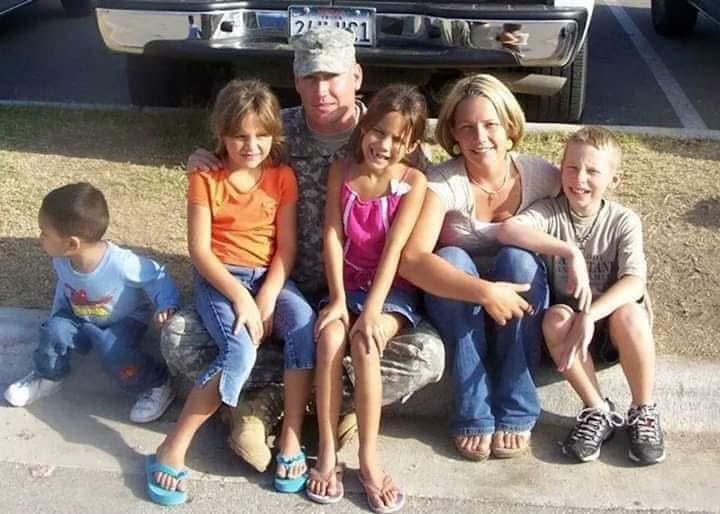
Memorial Day will always mean more to our family than cookouts or a long weekend.
It’s the sound of boots on concrete.
The weight of a folded flag in shaking hands.
Three children growing up with memories instead of a father.
A headstone in Section 60 with a date that changed the course of all our lives forever.
SSG Alan W. Shaw, was killed in Iraq on February 9, 2007. He was 31 years old. He didn’t get the chance to come home, grow old, meet grandchildren, or live the quiet life so many of us take for granted.
That’s what Memorial Day means to us.
It’s not abstract. It’s not political. It’s personal.
But over the years, I’ve also realized something else. The men we honor today did not give everything so America would sit in mourning forever. They believed in life. In freedom. In family. In backyard barbecues, ballgames, loud laughter, and the simple privilege of being home.
So yes, remember them. Speak their names. Teach your children who they were. Fly the flag. Visit the cemetery.
And then live.
Live in a way worthy of what they gave up for the rest of us. Because they are never truly gone as long as somebody is still speaking about them. 🇺🇸
“Then Peter said unto them, Repent, and be baptized every one of you in the name of Jesus Christ for the remission of sins, and ye shall receive the gift of the Holy Ghost.” (Acts 2:38)
P.S. Why do you suppose Church social media accounts on X are sending eyes over to Instagram? Because doctrinal posts struggle to get traction on this platform. That shouldn’t be.
Next time you tap “like” and tip your hat as you mosey on to the more emotionally-engaging religious disputes here on X, consider what posts are getting left behind because engagement is stronger in debate clusters. Feed your support of official Church accounts into the algorithm. Two taps instead of one—share it. Two discussions instead of one—talk about your testimony of this doctrine, don’t just give your ears and voice to the salty opponents.
When we get to the Judgment, it won’t credit us much to reveal how much we did to confirm the existence of horses in ancient North America, or how many enemies we “mogged” on social media. It’ll matter if we did our missionary duty. Make X a better home for the Church. Please and thank you.
Ilhan Omar is still a citizen of Somalia, and she has never given up her citizenship.
Unbelievable.
My new bill would make people like @IlhanMN give up their dual citizenship if they want to serve in Congress.
You’re either American or Somali.
It’s just that simple.
We don’t want foreigners serving in Congress any longer. PERIOD.





![PeacemakingSt's tweet photo. If you missed it, the Deseret News (@Deseret) published an essay from President Dallin H. Oaks (@OaksDallinH) on religious freedom in America on the Fourth of July!
Here are a few key quotes from the Prophet:
America's Guarantee of Religious Freedom:
"The guarantee of religious freedom is one of the supremely important founding principles in the United States Constitution, and it is reflected in the constitutions of all 50 of our states."
Religious Freedom and the First Amendment:
"I maintain, that in our nation’s founding and in our constitutional order, religious freedom and its associated First Amendment freedoms of speech and press are the motivating and dominating civil liberties and civil rights. Religious teachings and religious organizations are valuable and important to our free society and therefore deserving of special legal protection."
Faith Motivates Service and Aid:
"Our nation’s incredible generosity in many forms of aid to other nations and their peoples are manifestations of our common religious faith that all peoples are children of God. Religious beliefs instill patterns of altruistic behavior."
On What Motivates Morality:
"Many of the great moral advances in Western society have been motivated by religious principles and moved through the public square by pulpit-preaching."
Honesty and Technology:
"Religion also strengthens our nation in the matter of honesty and integrity. Modern science and technology have given us remarkable devices, but we are frequently reminded that their operation in our economic system and the resulting prosperity of our nation rest on the honesty of the men and women who use them."
Public Servants' Responsibility:
"Americans’ honesty is also reflected in our public servants’ remarkable resistance to official corruption. These standards and practices of honesty and integrity rest, ultimately, on our ideas of right and wrong, which, for most of us, are grounded in principles of religion and the teachings of religious leaders."
The Founding of the Constitution:
"[The Constitution's] formation over 200 years ago was made possible by religious principles of human worth and dignity, and only those principles in the hearts of a majority of our diverse population can sustain that Constitution today. I submit that religious values and political realities are so interlinked in the origin and perpetuation of this nation that we cannot lose the influence of religion in our public life without seriously jeopardizing our freedoms."
Religion Determines Morality:
"The preservation of religious freedom in our nation depends on the value we attach to the teachings of right and wrong in our churches, synagogues and mosques. It is faith in God that translates these religious teachings into the moral behavior that benefits the nation."](https://pbs.twimg.com/media/HMgpOOgXAAA8kzU.jpg)