Dorothy Sayers wrote, “Those who prefer their English sloppy have only themselves to thank if the advertisement writer uses his mastery of vocabulary and syntax to mislead their weak minds,” and we need to ask ourselves who benefits if we all become dumb and illiterate.
Not surprised by the new finding from the lab of Ev Fedorenko (a former grad student) at MIT that with lower activity thresholds, many more areas of the brain are engaged by language than the classic textbook areas. Language is inherently integrative: information must be coordinated from speech perception, articulatory planning, long-term memory of the rules of language and the context shared by speaker and hearer, the semantic content being conveyed, and the speaker's intentions in the social context. https://t.co/kfNo8kcFQt
Languages express far more meanings than they have words (or parts of words, like prefixes, suffixes, and roots). All languages have ambiguity, polysemy, homophony, syncretism -- many-to-one mappings between meanings or functions and forms (opening the door to puns and verbal wit, as in Ben Franklin's "We must all hang together, lest we hang separately," and Mae West's "Marriage is a great institution, but I'm not ready for an institution yet.") The explanation is that there's a tradeoff between ease of coining and adoption (resulting in word forms being stretched, adapted, and recycled) and communication (hearers being clear on what the speaker is talking about). A new paper explores this tradeoff: The interaction of meaning similarity and confusability explains regularity in form–meaning mappings at and below the word level | Nature Human Behaviour https://t.co/nPZcVFJuQ2
“I find many adults are put off when young children pose scientific questions. Why is the Moon round? the children ask. Why is grass green? What is a dream? How deep can you dig a hole? When is the world's birthday? Why do we have toes?
Too many teachers and parents answer with irritation or ridicule, or quickly move on to something else: 'What did you expect the Moon to be, square?' Children soon recognize that somehow this kind of question annoys the grown-ups. A few more experiences like it, and another child has been lost to science. Why adults should pretend to omniscience before 6-year-olds, I can't for the life of me understand. What's wrong with admitting that we don't know something? Is our self-esteem so fragile?”
— Carl Sagan
4 in 10 students feel their teacher knows when something is upsetting them.
A sense of belonging underpins almost every aspect of wellbeing and learning. It’s not a school-specific construct; it’s part of being human.
We all need to feel connected to people, to places, to something bigger than ourselves.
Based on 120,000 learner surveys completed on the Great Teaching Toolkit platform, only around four in ten students feel their teacher knows when something is upsetting them. These findings should give every leader pause for thought.
@ProfKime explains why belonging matters and isn't a "nice-to have" in this blog
https://t.co/H1UsPyJVG6
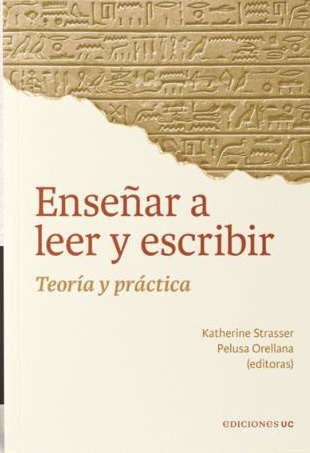
#InvestigaciónUC | En tiempos marcados por las pantallas y la inmediatez, enseñar a leer también es enseñar a comprender, imaginar y pensar críticamente 📚
El éxito de “Enseñar a leer y escribir” abre una conversación urgente sobre cómo formar lectores en Chile y fortalecer la alfabetización en contextos de consumo rápido de información.
🧠 A través de investigaciones y estrategias basadas en evidencia, Katherine Strasser, decana de @socialesuc, y Pelusa Orellana, directora académica del Centro de Investigación e Innovación en Lectura de la @uandes, proponen repensar la enseñanza de la lectura desde la comprensión y el desarrollo del pensamiento crítico.
📖 Publicado por @edicionesuc, el libro ya figura entre los textos de no ficción más vendidos del país.
🔗 Lee más en #VisiónUniversitaria: https://t.co/2fUZKCSYKC
Este manual que editamos junto a Pelusa Orellana enseña cómo promover en el aula todos los componentes críticos para lograr la competencia en la lectura y escritura. Esperamos que sea muy útil tanto para docentes en formación como en ejercicio. https://t.co/6CAFgCgLe7
#BioéticaUC | Un conversatorio interdisciplinario entre decanas para pensar lo esencial: ¿qué es lo propiamente humano?
Ocho voces se reúnen para reflexionar sobre cuerpo, comunidad, vulnerabilidad y dignidad en un presente atravesado por cambios científicos, tecnológicos y sociales.
Una instancia de diálogo interdisciplinario que busca abrir preguntas más que cerrar respuestas, poniendo en el centro aquello que merece ser pensado, cuidado y sostenido colectivamente.
📍 Auditorio Dr. Roberto Barahona, Escuela de Medicina UC @FacMedicinaUC
🗓 Jueves 26 de marzo
🕒 11:30 hrs
Gracias por acompañarnos en la jornada de Siembra Educación.
Una experiencia llena de #reflexión, intercambio y entusiasmo por seguir transformando las prácticas educativas.
¡Seguimos sembrando ideas, construyendo aprendizajes y fortaleciendo #comunidad educativa!
¿IA en educación? @katystrasser, decana de @socialesuc, advierte que si no desarrollamos el pensamiento crítico en los estudiantes, la IA puede aumentar la brecha. Te invitamos a leer su columna publicada en La Segunda en 👉 https://t.co/IYYk5s8QR9
📚Decana de @socialesuc, Katherine Strasser, y las doctorandas de Psicología UC, Nicole Frez y Paulina Freire, participan en la 32ª Conferencia de la SSSR en Calgary 🇨🇦 presentando investigaciones sobre lectura, lenguaje y vocabulario.
🔗Detalles en https://t.co/v0Jrj49JrL
Una de nuestras líneas de estudio es la calidad y seguridad de los juguetes. Muchos productos del mercado presentan riesgos graves para los niños (asfixia, intoxicación, etc.). Por el #DíaDelNiño escribimos sobre esto en La Segunda junto a @jcartes_s (UTAL). #Juguetes#Jugar
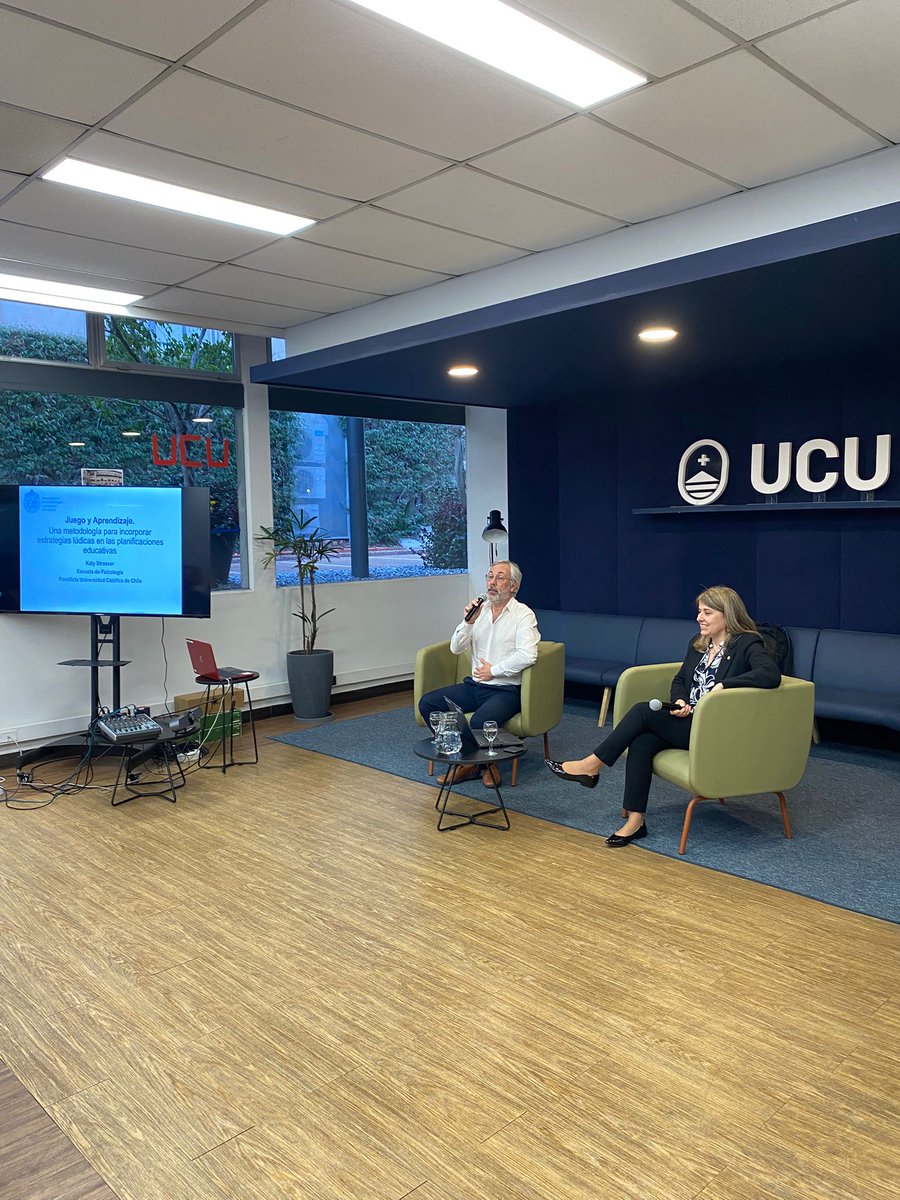
📚 ¿Qué ganamos y perdemos cuando la tecnología transforma nuestros hábitos lectores? 🤔 La decana de @socialesuc, @katystrasser, reflexionó sobre este tema ante más de 5 mil estudiantes de enseñanza media en #Protagonistas2030
Más detalles en 👉 https://t.co/a8FwG5bjJu
Your periodic reminder that all libraries in Tenochtitlan were totally destroyed. No Mexica texts exist, none. Yes, there’s Mexica sculptural works that survived, just no written works on paper.
A recent article claimed that the Science of Learning and Direct Instruction is "neoliberal dogma that is working to de-skill the teaching profession". This is my response. Link in reply ⬇️
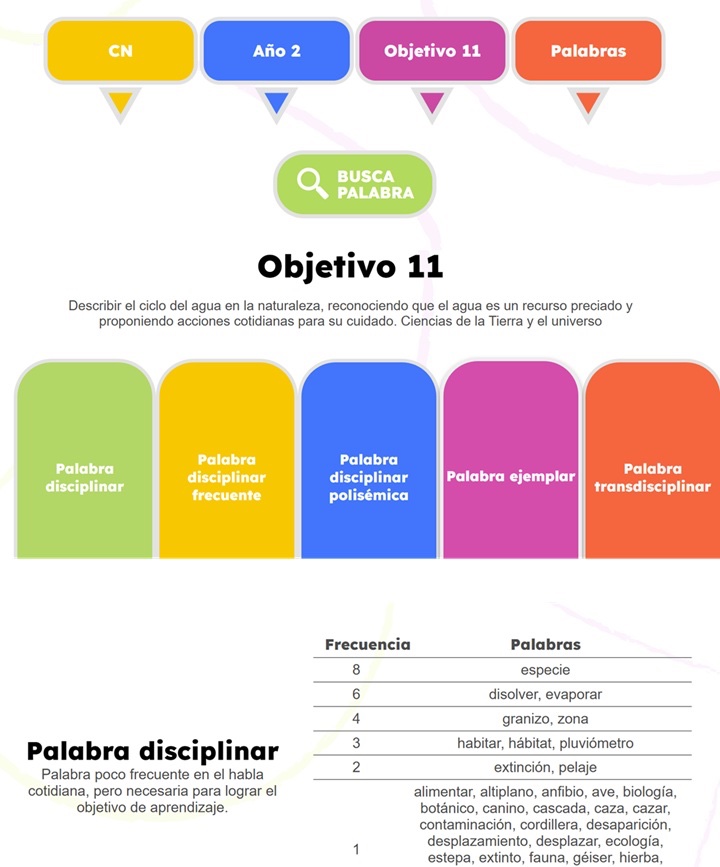
¿No sabes qué palabras enseñar? Usa el BUSCA PALABRA en https://t.co/7Oupwaufjs para ver qué palabras se repiten más para CADA objetivo basal de 1o a 3o básico. Mientras más se repite una palabra, más importante es que tus estudiantes la conozcan para lograr ese aprendizaje.
¡¡Hoy la #UC suma una nueva decana!!💜Enviamos un cariñoso saludo a @katystrasser, académica de #PsicologíaUC que liderará la Facultad de @socialesuc hasta marzo de 2029. Mucho éxito en este nuevo desafío 🤗
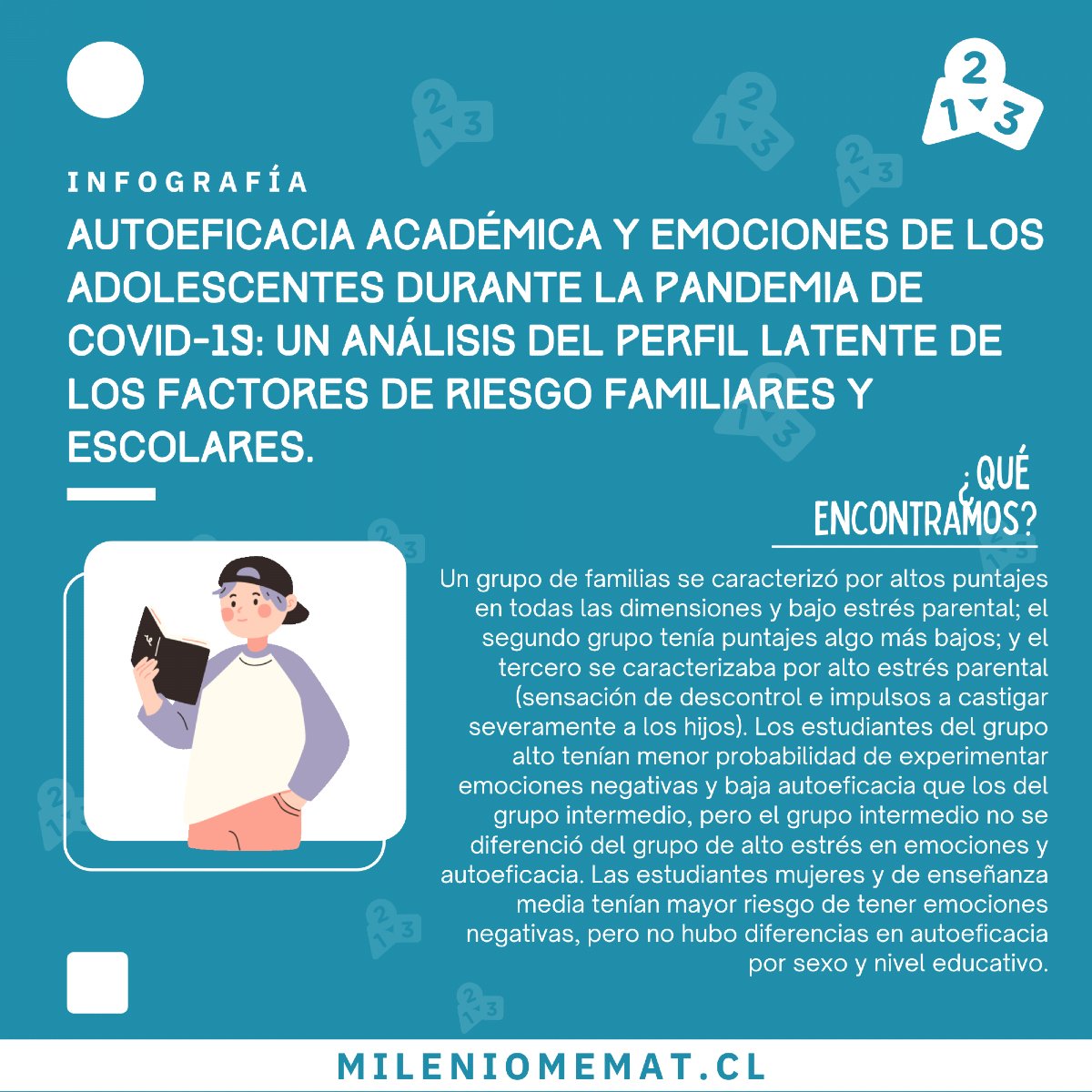
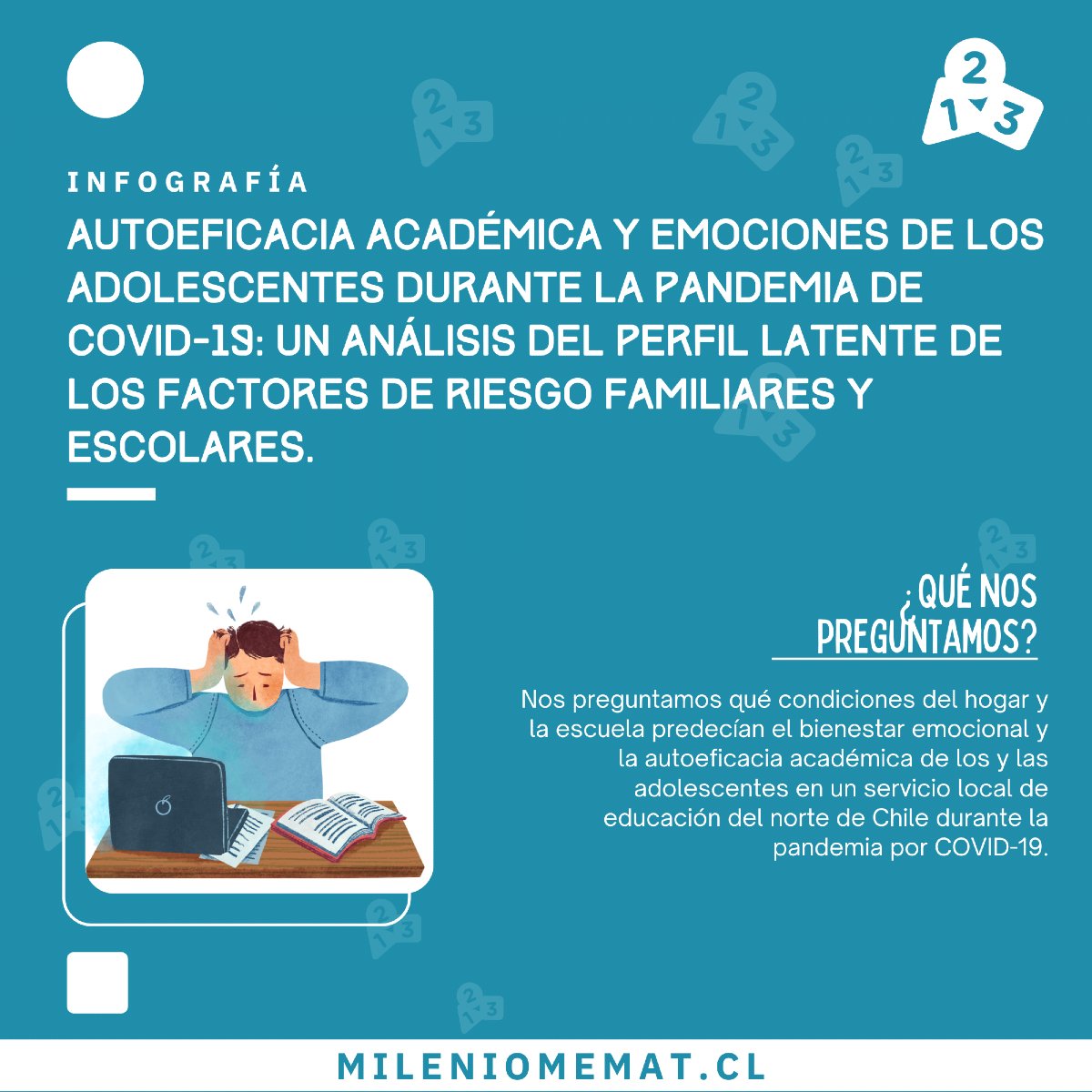
¡Publicamos una nueva infografía! 📣
"Autoeficacia académica y emociones de los adolescentes durante la pandemia de covid-19: un análisis del perfil latente de los factores de riesgo familiares y escolares."
Por: Katherine Strasser
Investigadora Principal MEMAT 👏👏