This study shows incorporating physical movement into math classes can help students learn their multiplication tables- https://t.co/MUpK9epgd5 #ED611045
Even in middle school, kids love to play. If you can make a lesson hands-on, relate it to their interests, or create a fun environment to explore the content - you'll have more students participating.
#ED611045
The belief that play and learning are separate is a relatively new idea — before the last few centuries, children around the world spent most of their time learning through play.
So, how can we build this into how we teach and learn in schools? https://t.co/VKkbn6W2nq
Interesting read! I've had many parents communicate that their kids aren't telling them when they're missing assignments. Having an automated system that sends reminders can help keep them in the loop!
#ED611045
https://t.co/ujtfVwEUNx
It's okay to get frustrated! It's not okay to give up. It's up to us to make sure that our students feel comfortable communicating their struggles with us.
#ED611045
We’ve got to teach kids that when they grow frustrated with the work to communicate that frustration to the teacher. Teachers can’t read minds.
We’ve also got to teach kids that growth lies where the struggle is. The window to everything they want in their life is on the other side of that struggle.
New OECD data reveals a gap in initial teacher education (ITE): many teachers aren't trained to critically engage with research.
What can ITE institutions and governments do to strengthen teachers’ research engagement skills?
Learn more👉 https://t.co/DAaWfh1ISR
@kcondranhrce Love this. I just finished listening to the book "Guilt-Free" by Jennifer Reid, and it talks about this! True resilience comes when we accept that humans aren't meant to be perfect. Once students accept that, mistakes in math become lessons, not sources of shame. #ED611045
I LOVE using TED-Ed puzzles for my math starters. We often use them for "Fun Friday" - it gets the kids using their critical thinking skills and encourages them to work together to come up with the answer.
#ED611045
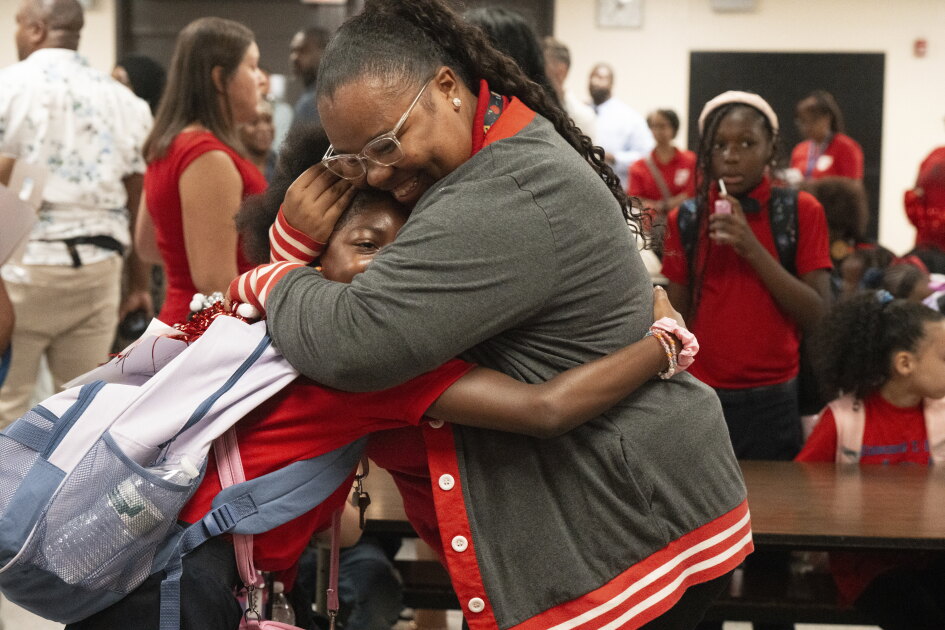
Students don’t usually come back because of one perfect lesson. They come back because something about the room feels predictable: an adult says their name, notices the shift, stays steady when the day gets messy, and gives them a clean start.
That matters.
Not because teachers can fix everything, but because consistency can make school feel possible for a student who was close to giving up on it.
A new guide to inclusive teaching has just been released. Although it's based in the UK, the strategies and insights are highly relevant for educators in Canada as well.
#ED611045
https://t.co/zw0ZB2gO3F
@MrWhiteHalifax We learn by making mistakes and who would you be more willing to make a mistake in front of: A teacher you liked? Or one you didn't feel comfortable around? It's definitely crucial to build positive relationships to support learning!
@kj_macleod I wish I could incorporate "productive struggle" in my classrooms more often, but there's so many students who just give up when it feels too hard. I think it would be beneficial to introduce students to this at a very early age in their education, so they're more open to it!
A RAND Corp. report on AI and homework use from December 2025 found that 68% of middle school students reported being concerned that AI is harming their critical thinking skills.
Even the kids can recognize there are issues with overuse of AI!
#ED611045#criticalthinking
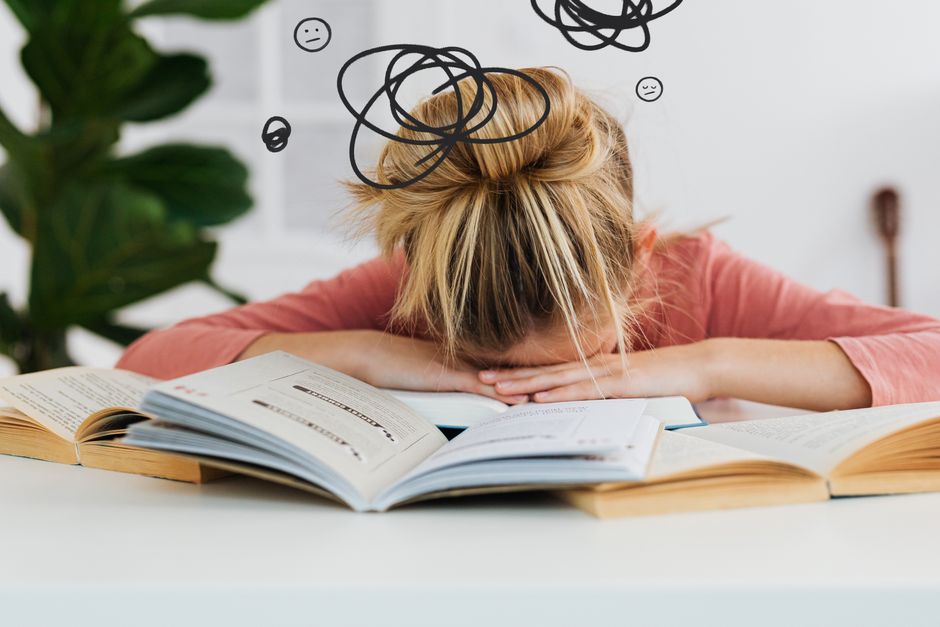
Many students experience math anxiety, and shame only makes it worse. Creating a classroom where mistakes are treated as opportunities to learn, helps students build confidence, resilience, and a more positive relationship with mathematics. #ED611045
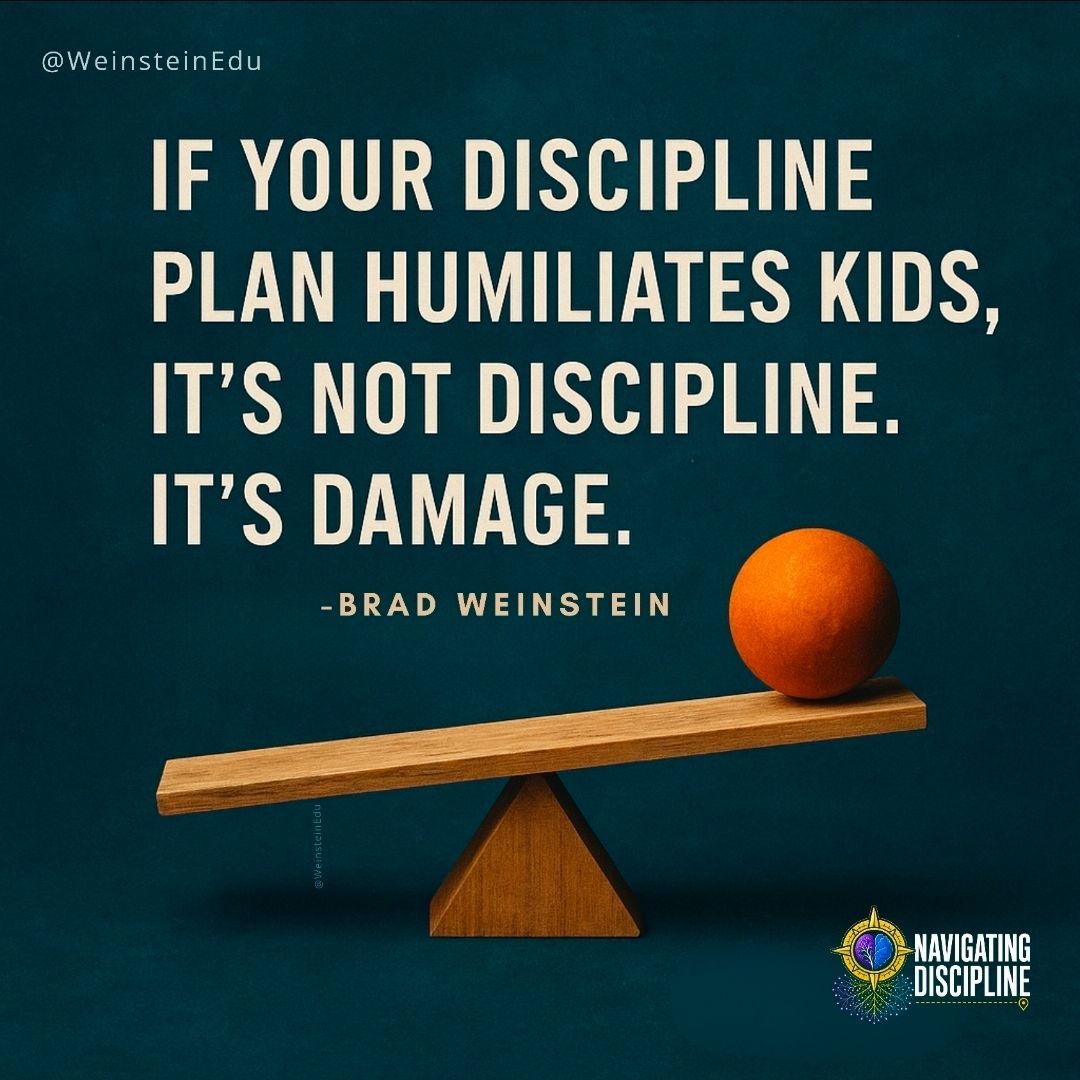
If the plan depends on public embarrassment, shame, or humiliation, it may create short-term compliance, but it does not build responsibility.
Students need clear limits. They need follow-through. They need adults who can name the behavior, address the harm, and help them repair what was damaged.
But they also need dignity.
A consequence should not become a performance for the rest of the class. Correction should not require a student to lose face in front of peers.
The strongest discipline is not the loudest or most humiliating. It is the clearest, steadiest, and most teachable.
When students leave a discipline moment understanding what happened, what needs to change, and how to make it right, the plan is doing its job.
When they leave feeling shamed, exposed, and disconnected, we should be honest about what was actually taught.
Outdoor education isn’t just about taking students outside. It’s about helping them build a relationship with the places they learn from. How can schools do this better? #ED611045 https://t.co/uy2uY8EvnV
A common problem I find with being a teacher - I want to support all of my students, at every level, but don't always know how.
We need more studies on not only what works for low-attaining learners, but how to implement these strategies and how to structure support.
#ED611045
✨🎉New Article🎉✨Why do evidence-based teaching practices remain difficult to implement? 🤔❓This study explores the challenges mathematics teachers face in supporting low-attaining learners. #MathEd#EdResearch 💡Read here: https://t.co/XjlKCTbgu1
"Youth with disabilities are less likely than their peers without disabilities to enroll in science or math courses or to pursue post-secondary STEM majors"
See how robotics programs can impact STEM activation for children with disabilities!
https://t.co/Ovke0A8eQF
#ED611045
Reading @pgliljedahl 's book "Building Thinking Classrooms in Mathematics," has helped me to improve my practice and empower students.
Whether you read his book, or attend a workshop. It's so worth it! #ED611045
Build your own Thinking Classroom using 14 research-based practices that empower students to collaborate, persevere, and think deeply and critically.
Learn more about Peter Liljedahl's @pgliljedahl online workshop at https://t.co/5KDYzhzXCa
@BTCthinks