@NJTRANSIT_NJCL Shameless with zero integrity!!! Could have published this much ahead to save 30 minutes+ for commuters who planned for #3320 early in their days.
Over the weekend Pakistan announced that it has designated six corridors—both ports and land borders—through which Iranian goods could transit without restriction. Leakage to US Blockade?? #IranWar
Thank You India 🇮🇳 🙏
Sri Lanka President Anura Kumara Dissanayake thanks India for its swift support after Sri Lanka faced fuel supply disruptions due to the Middle East conflict.
President @anuradisanayake says he spoke with India PM Narendra Modi days ago, and 38,000 MT of fuel arrived in Colombo. He also thanked EAM @DrSJaishankar for close coordination.
🇱🇰🇮🇳
As a major news outlet, they carry a lot of responsibility to be unbiased and transparent and we have to hold them to very high standards at all times, they did this on multiple occasions on India too. Large part of the world doesn't agree it's an error of judgement #BBCNews
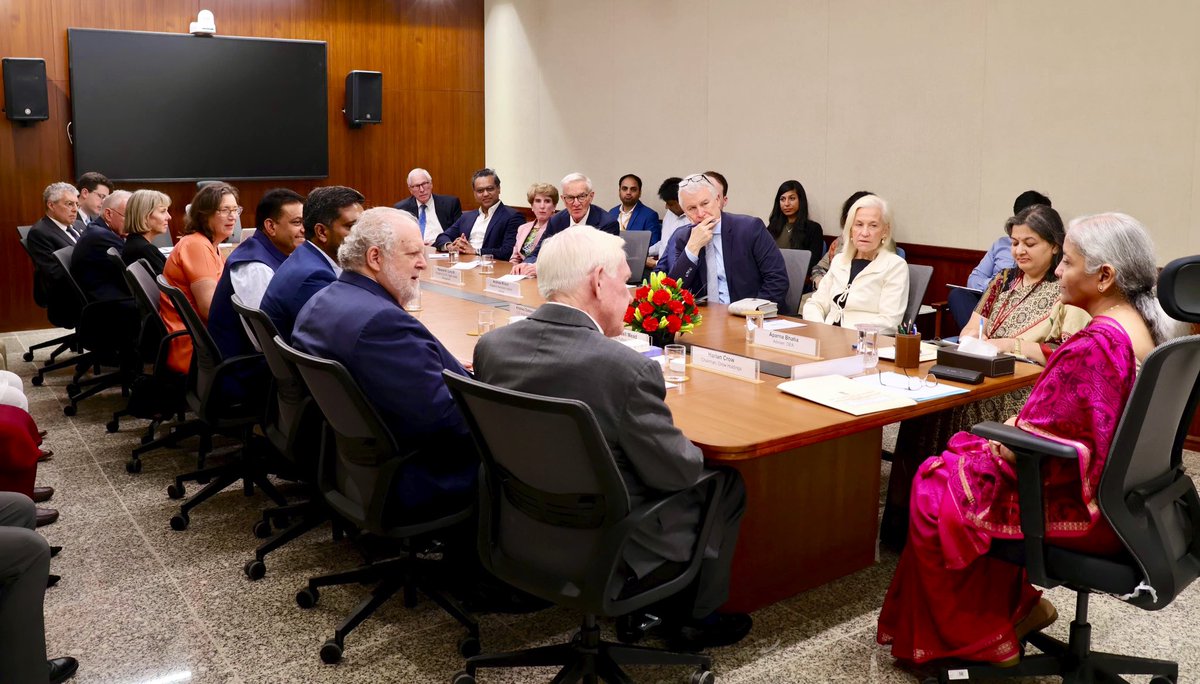
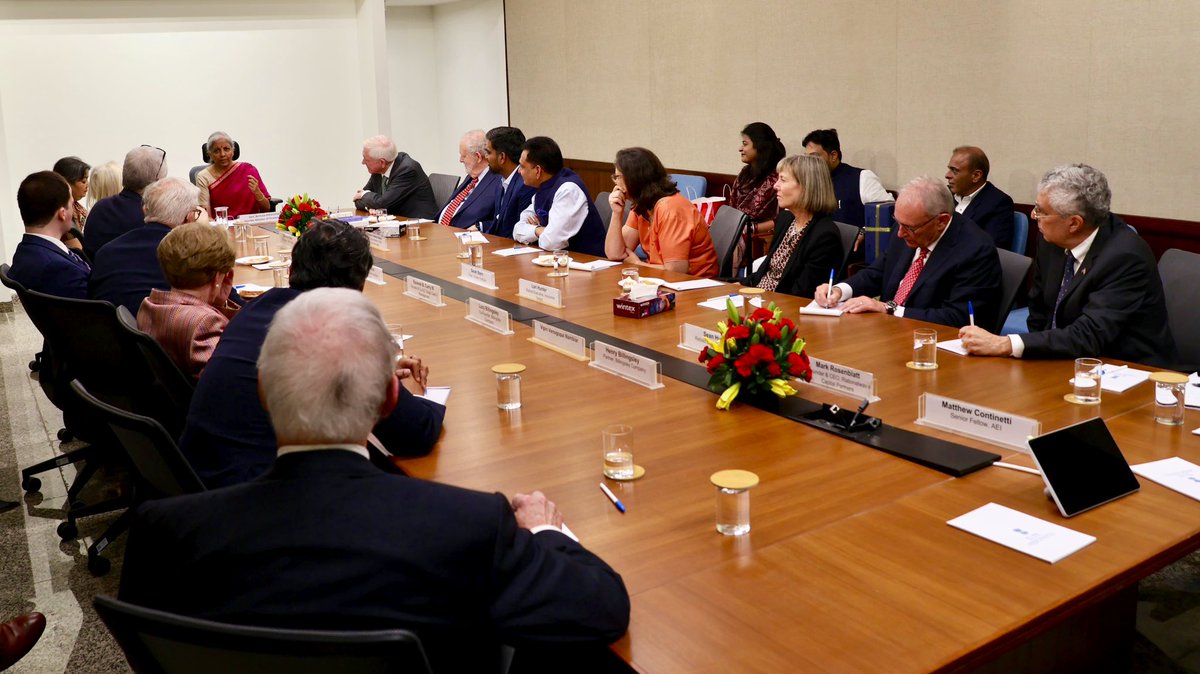
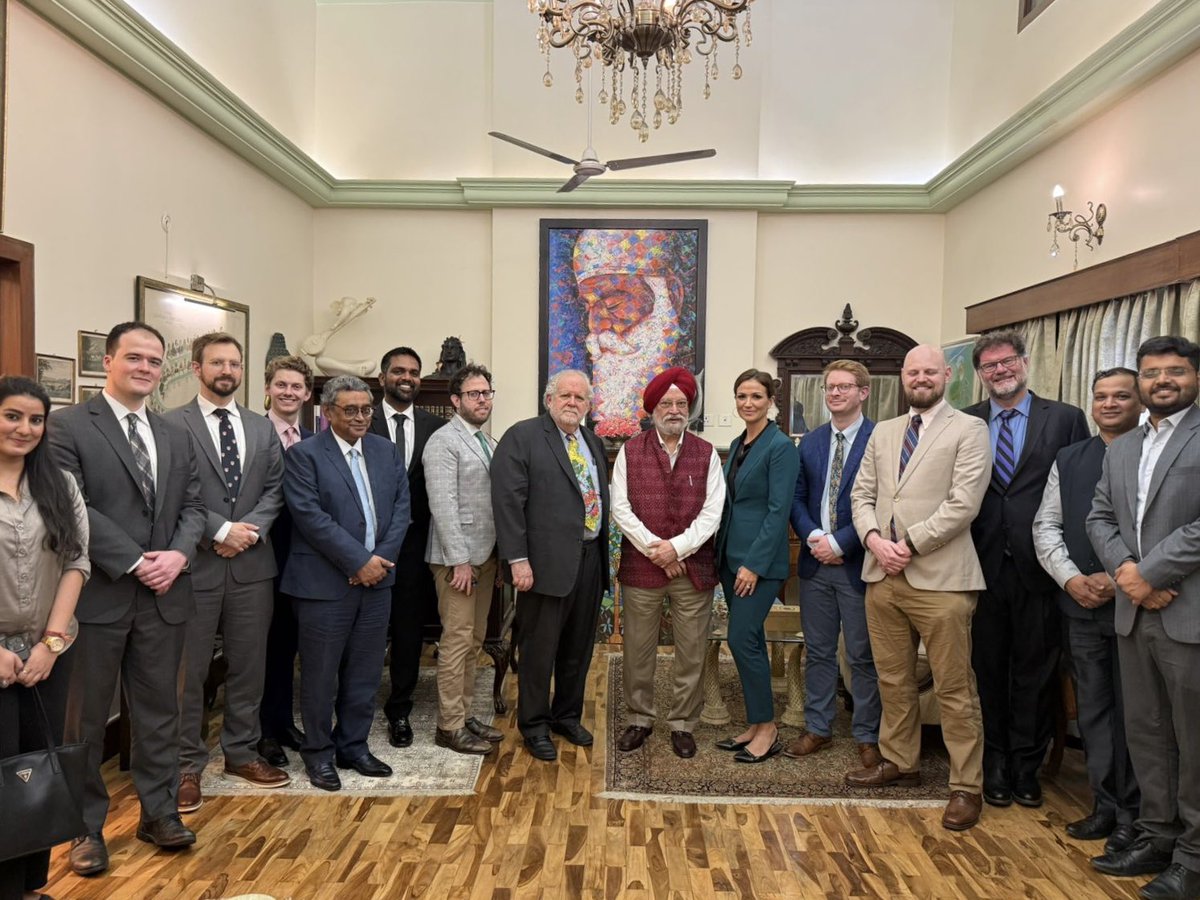
Glad to interact with a US delegation of thinkers and business leaders led by Mr. Walter Russell Mead. Value their contribution in strengthening India-US ties and advancing our partnership for global peace, progress and prosperity.
@wrmead
Union Minister for Finance and Corporate Affairs Smt. @nsitharaman interacted with a US delegation led by Mr. Walter Russell Mead, @HudsonInstitute, in New Delhi, today.
Discussions focused on geopolitical developments and shared interests within the India–US partnership.
The delegation included representatives from leading US institutions such as the @HudsonInstitute, American Enterprise Institute @AEI , Eagle Capital Management, Crow Holdings and Rationalwave Capital Partners.
For someone like me who admires India’s culture and civilization, marvels at its growing economic power, appreciates its critical importance for the peaceful future of the Indo-Pacific and cares deeply about the US-India relationship, the past week was a shocker.
Pakistan, trade, Russia: all the old pain points in US-India relations are flaring. And while past presidents couched their disagreements with India and other countries in diplomatic language, President Trump lets it all hang out.
But this isn’t a return to the bad old days. From the 1940s to the 1990s, every time the US and India started to work together, something would pull them apart. That’s not where we are now.
Even in this tough week, India’s ambassador announced the opening of 8 new consular application centers across the United States. People to people ties continue to grow. Diplomats in both countries are looking for solutions, not shouting slogans.
So how can India and the United States be drawing closer together in some ways, but quarrelling so bitterly? This is more common in international relations than most people think.
The closer the relationship between two countries becomes, the more quarrels they often have. You argue more with your brother than you do with your cousin, more with your next door neighbor than with random strangers you pass on the street.
As India becomes a more important global force, and its economy becomes a larger factor, India and the United States naturally and inevitably matter more to each other—and any disagreements we have become more visible and more consequential.
We quarrel more over trade because our trade has grown and will grow more so there is more to argue about. Americans care more about India’s foreign policy than ever before because India is more powerful than ever before.
My personal view is that the Trump administration needs to think through its India policy more. Different actions that may have seemed unrelated at the time have combined to create a strong and negative impression in India.
I think this administration can do better and hope that in time it will.
The root problem is that as the relationship becomes more important, the number of people in both countries who deeply understand the other needs to grow.
President Trump needs more people in his inner circle who understand India deeply. But so do most policymakers in Washington. India literacy, being reasonably well informed about India, used to be something that only “South Asia” experts needed to have.
Today, generalists and non-specialists need to know India as deeply as so many know Europe, Japan and the Middle East. India isn’t just for specialists anymore.
We need more Americans who grasp India's importance to the world and to America, and who understand the political realities that Indian governments of any party inevitably face. And more Indians need experience dealing with US policy makers, thought leaders and cultural leaders in different fields.
America's closest international relationships all have a strong infrastructure of think tanks, academic exchanges and business groups. There are countless programs promoting cultural exchanges and visits for emerging young leaders between countries like Germany, Japan and the US.
When controversies emerge and, inevitably, they do, these large groups of informed observers and thought leaders can explain the issues to public opinion in both countries and find mutually acceptable compromises while avoiding unnecessary problems.
The Indian diaspora plays an important role in American life, and that role is growing. But it is not only German-Americans, Japanese-Americans or Jewish-Americans (I wrote a whole book on this subject) who help stabilize these important relationships.
India's growing importance in the world, and America's interest in promoting the emergence of India as a global power, both require a strong and broadly based, trans-partisan community of leaders.
To make a relationship this important work, we need sharp policy analysts and diaspora leaders. We need journalists, intellectuals, businesspeople and religious bridge builders too. And lots of them. India and the US are big, complex, and at times raucous democracies.
I’m blessed. At Hudson Institute I have colleagues like @Aparna_Pande, @bill_drexel and @MikeWatsonVa who are as committed to this relationship as I am, and in many ways understand India more deeply than I do.
But we need more young scholars, analysts and writers like them. That’s how we reduce the number of dustups and car crashes so we can all focus on tackling seriously the greatest challenges facing our countries, and the world.
In November I traveled to India. Met with government officials. Traveled the high Himalayas. Listened to Bengalore coders speak.
Here I share what I learned. 🧵
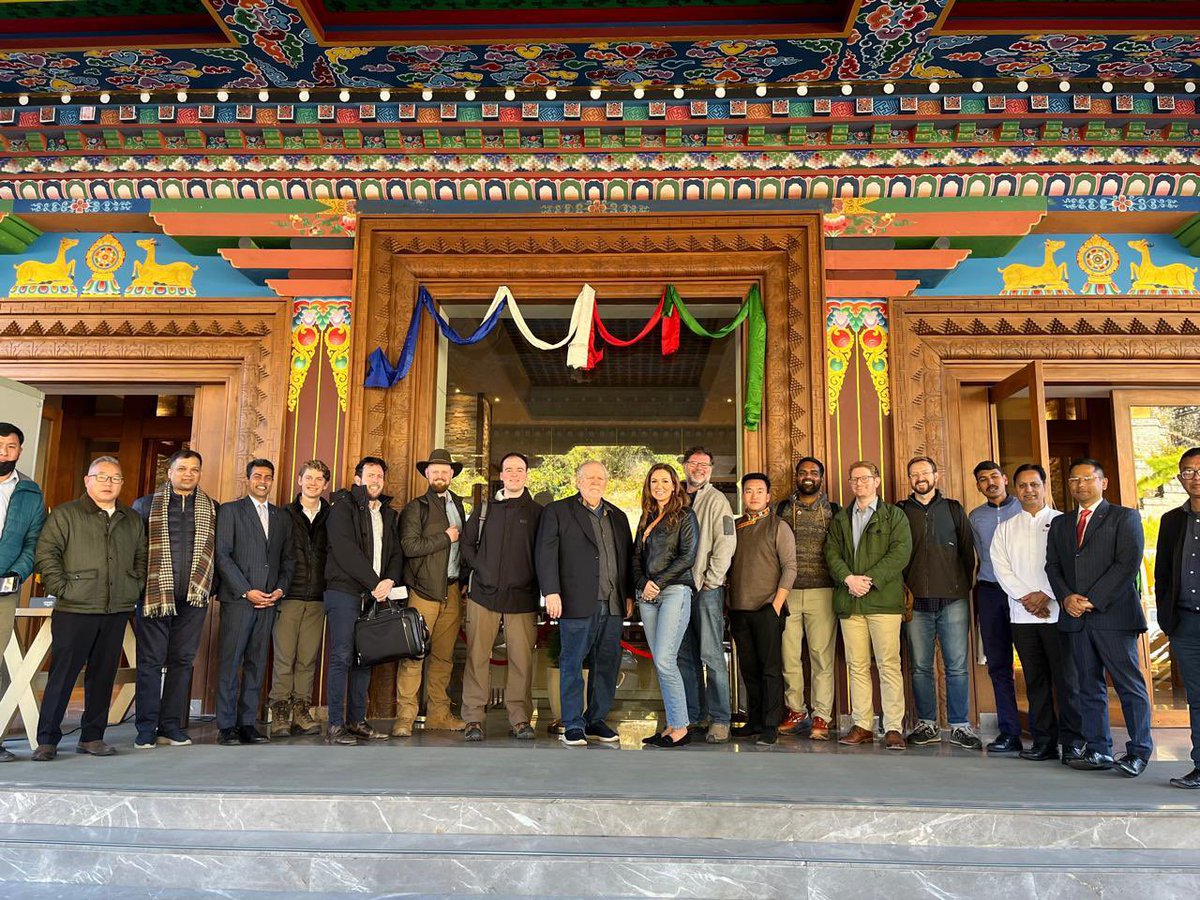
Delighted to host the United States delegation, including senior scholars from prominent US think tanks led by Prof. Walter Russell Mead (@wrmead), during their visit to Tawang. The delegation explored various historical sites, Tibet border and engaged with local citizens, gaining insights into the rich cultural heritage of the region.
I’m confident they will carry back fond memories of Arunachal Pradesh and its vibrant traditions. Such interactions strengthen cultural ties and foster mutual understanding!
A delegation of distinguished scholars from the United States of America hosted by @indfoundation called on Hon'ble Vice-President, Shri Jagdeep Dhankhar at Vice-President's Enclave in New Delhi.
@rammadhav_@swapan55@wrmead
India in reply to US and Germany: States are expected to be respectful of the sovereignty and internal affairs of others, and this responsibility is even more in case of fellow democracies. It could otherwise end up setting unhealthy precedents @POTUS@IndiaUNNewYork@USAmbIndia
Attended the fascinating conversation of @rammadhav_ ji at India Business Conference of @Columbia’s Business School. The audience reaction when he said “Aayega to Modi hi” is reflective of the sentiment about PM @narendramodi and India!