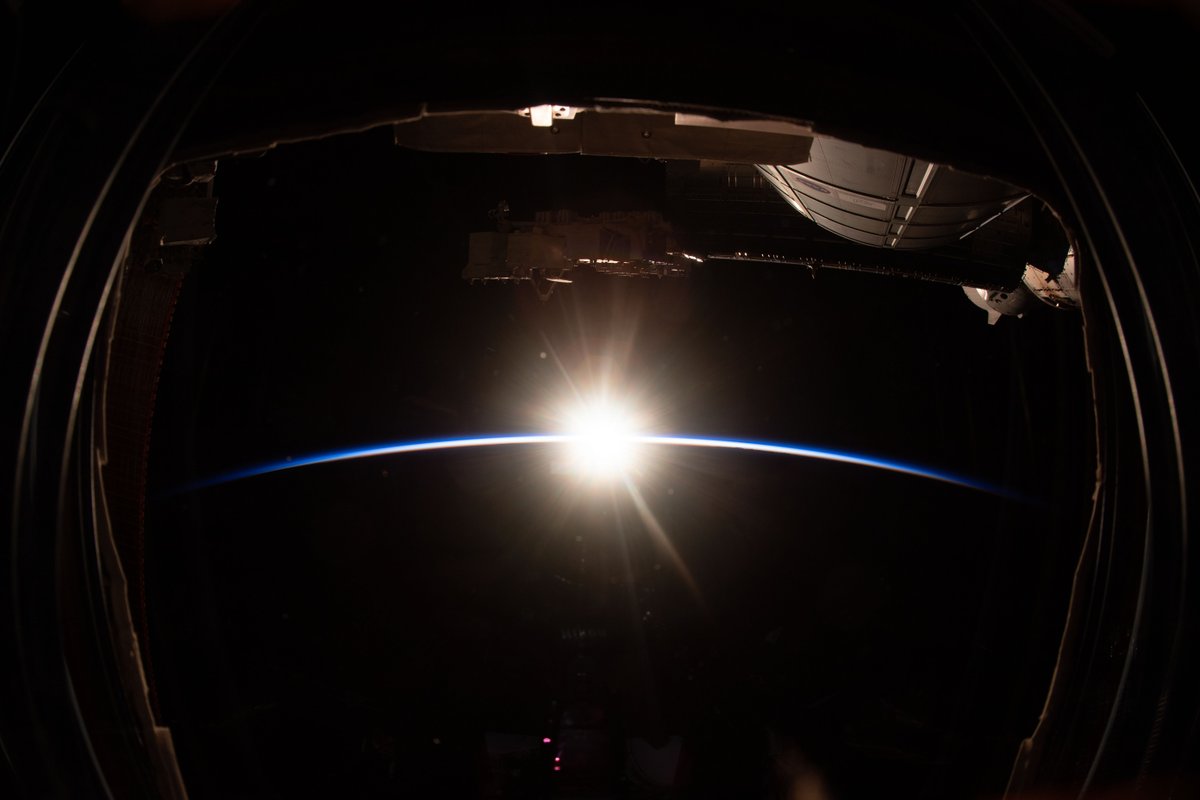
The Sun is not travelling through empty space. As it orbits the Milky Way, it moves through the local interstellar medium, while continuously releasing a stream of charged particles called the solar wind. This magnetized wind pushes against the surrounding interstellar environment, creating an enormous bubble around the Sun and its planets: the heliosphere.
The solar wind travels outward at hundreds of kilometres per second. Far beyond Neptune, it encounters the pressure of the interstellar medium and slows abruptly at the termination shock. It then flows through a turbulent region called the heliosheath, before reaching the heliopause, where the solar wind's outward pressure is balanced by the surrounding interstellar pressure. Beyond this boundary, neutral hydrogen can accumulate in a region known as the hydrogen wall. The heliosphere may also have an extended tail, although its precise shape remains an active area of research.
Only two spacecraft have directly crossed the heliopause. Voyager 1 crossed in August 2012 at approximately 122 AU, and Voyager 2 followed in November 2018 at approximately 119 AU. By November 2026, they had travelled roughly 172 AU and 144 AU from the Sun, respectively. Their measurements provide our first direct observations of the boundary between the Sun's plasma environment and interstellar space.
The heliosphere does not stop every galactic cosmic ray, but it does reduce the number reaching the inner Solar System. It is a dynamic magnetic environment that helps shape the radiation conditions around our planetary neighbourhood.
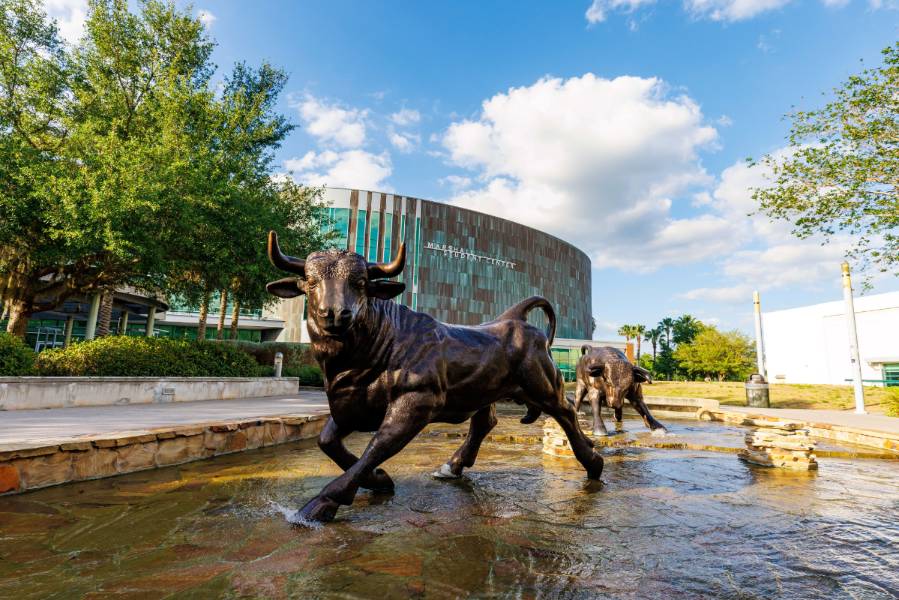
#USF has been selected as the site of a new U.S. Patent and Trademark Office, expanding access to intellectual property resources across the Florida High Tech Corridor and the broader southeast region.
The new community engagement office will be located in USF Research Park on our Tampa campus and serve as a valuable resource for inventors, entrepreneurs and small businesses seeking to protect their ideas, inventions and brands.
🔗: https://t.co/O12PF80Yzd
Due to weather, we're now targeting early Wednesday, Feb. 25, to roll our Moon rocket off the launch pad and back to the Vehicle Assembly Building at @NASAKennedy. Get more @NASAArtemis updates on our blog: https://t.co/N6HJLLhuRw
Amazon's Kuiper division can start launching satellites to offer broadband service in the US, the FCC said yesterday, dismissing objections from other satellite providers such as SpaceX and Viasat.
https://t.co/ZQp2BoDxJO