@lakidlah@PetrolWeeb@26Ceicei terima kasih atas permintaan maafnya @lakidlah, semoga bisa menjadi pelajaran untuk tidak mengulanginya kembali. saya harap untuk kedepannya kalian bisa berkomunitas dengan baik, dan lebih bisa menghargai sesama.
maaf baru balas juga, kebetulan saya agak jarang buka X.
Halo @PT_Transjakarta mau sampai kapan ya pakai announcer audio AI? Jelek banget loh, pelafalannya tidak jelas. Penyebutan halte sering tidak jelas dan cenderung gibberish.
Apa tidak kasihan dengan teman-teman yang mengandalkan pendengaran? Atau lansia yang penglihatannya kurang?
Socio-Political Condition Colour Code
🔵🟢🟡🟠🔴🟤🟣
This index helps track how unrest grows, from small complaints to total chaos, showing when police or military get involved, how violent things get, and how much daily life is disrupted.
Blue: Completely Calm
🔵 (Blue 1) Total Peace
- What it looks like: Everything is normal—no protests, no violence, no disruptions. People trust the government, and daily life runs smoothly.
- Police/Military: Normal presence.
- Disorder/Looting: None.
🔵🔵 (Blue 2) Almost Perfect Calm
- What it looks like: Tiny complaints (e.g., online grumbling) but no real issues. Life continues as usual.
- Police/Military: Normal presence.
- Disorder/Looting: None.
🔵🔵🔵 (Blue 3) Slight Tensions
- What it looks like: Minor grumbling, like small community meetings or petitions, but no protests or disruptions.
- Police/Military: Normal presence.
- Disorder/Looting: None.
Green: Minor Tensions
🟢 (Green 1) Small Grievances
- What it looks like: People start voicing small complaints, like online campaigns, but nothing disrupts daily life.
- Police/Military: No intervention; maybe additional routine police patrols.
- Disorder/Looting: None.
🟢🟢 (Green 2) Localized Issues
- What it looks like: Small gatherings or petitions in specific areas, but still no protests or major issues.
- Police/Military: Police monitor casually (e.g., checking on gatherings), no crowd-control teams.
- Disorder/Looting: None.
🟢🟢🟢 (Green 3) Growing Discontent
- What it looks like: More vocal complaints, like online petitions, but no protests or disruptions yet.
- Police/Military: Police keep a closer eye but no crowd-control teams.
- Disorder/Looting: None.
Yellow: Emerging Unrest
🟡 (Yellow 1) Sporadic Protests
- What it looks like: Small, peaceful protests pop up in a few places, causing minor disruptions like traffic delays.
- Police/Military: Police deploy crowd-control (anti-riot) teams to watch protests, no tear gas or weapons used.
- Disorder/Looting: Minor disorder (e.g., traffic issues), no looting.
🟡🟡 (Yellow 2) Frequent Small Protests
- What it looks like: More small protests in specific areas, with slight disruptions like road blockages.
- Police/Military: Anti-riot police use tear gas rarely to break up crowds. No military.
- Disorder/Looting: Minor disorder (e.g., public disturbances), no looting.
🟡🟡🟡 (Yellow 3) Widespread Small Protests
- What it looks like: Small protests spread to more areas, with noticeable disruptions like public disturbances or minor vandalism.
- Police/Military: Anti-riot police use tear gas often to control crowds. Rubber bullets may have been used. No military.
- Disorder/Looting: Minor disorder, no looting.
Orange: Moderate Unrest
🟠 (Orange 1) Organized Protests
- What it looks like: Larger, planned protests in specific areas disrupt services (e.g., buses stop). Some looting starts.
- Police/Military: Anti-riot police use tear gas regularly and rubber bullets rarely. Unarmed military presence begin (e.g., guarding buildings) and assist in unarmed crowd control.
- Disorder/Looting: Minor vandalism, isolated looting (e.g., a few shops).
🟠🟠 (Orange 2) Escalating Protests
- What it looks like: Frequent protests across multiple areas, with bigger disruptions like business closures. Looting increases slightly.
- Police/Military: Police use tear gas and rubber bullets often. Unarmed military presence grows.
- Disorder/Looting: Vandalism and minor clashes, sporadic looting.
🟠🟠🟠 (Orange 3) Intensifying Unrest
- What it looks like: Large protests with minor fights between protesters and police, disrupting daily life more.
- Police/Military: Police use tear gas and rubber bullets heavily. Unarmed military deployed, with some anti-riot military units join.
- Disorder/Looting: Disruptions spread, sporadic looting increases.
Red: Significant Unrest
🔴 (Red 1) Widespread Protests
- What it looks like: Big protests across many regions disrupt services like schools or hospitals. Minor violence and looting grow.
- Police/Military: Police use tear gas and rubber bullets heavily. Unarmed and anti-riot military deployed, using rubber bullets rarely.
- Disorder/Looting: Notable disruptions, sporadic looting, minor violent clashes.
🔴🔴 (Red 2) Violent Clashes
- What it looks like: Protests turn more violent with regular small fights. Looting and damage spread.
- Police/Military: Police use tear gas and rubber bullets extensively. Anti-riot military common, using rubber bullets regularly. No lethal bullets.
- Disorder/Looting: Major disruptions, frequent looting.
🔴🔴🔴 (Red 3) Major Unrest
- What it looks like: Widespread protests with significant violence, property damage, and frequent looting.
- Police/Military: Police regular use of tear gas and rubber bullets. Armed anti-riot military use rubber bullets often. No lethal bullets.
- Disorder/Looting: Severe disruptions to services and economy, frequent looting.
Brown: Severe Unrest
🟤 (Brown 1) Intense Conflict
- What it looks like: Violent protests and clashes with major looting and property damage. Daily life is heavily disrupted.
- Police/Military: Police use tear gas and rubber bullets, with sparing use of lethal bullets. Armed military use rubber bullets and lethal bullets sparingly (e.g., warning shots).
- Disorder/Looting: Widespread disorder, significant looting, curfews likely.
🟤🟤 (Brown 2) Escalating Violence
- What it looks like: Sustained violent clashes and widespread looting. Governance starts to falter in some areas.
- Police/Military: Police and military use rubber bullets heavily and lethal bullets in targeted cases (e.g., against violent groups).
- Disorder/Looting: Severe disorder, rampant looting.
🟤🟤🟤 (Brown 3) Near-Critical Unrest
- What it looks like: Massive protests with frequent violence and looting. Government control weakens significantly.
- Police/Military: Police and military use rubber bullets and lethal bullets regularly to control crowds.
- Disorder/Looting: Widespread disorder, rampant looting, emergency measures like martial law.
Purple: Critical Unrest
🟣 (Purple 1) Governance Crisis
- What it looks like: Riots and armed conflicts spread, with major looting and service breakdowns (e.g., no power or hospitals).
- Police/Military: Police and military use rubber bullets and lethal bullets often to stop crowds.
- Disorder/Looting: Extreme disorder, widespread looting, major service failures.
🟣🟣 (Purple 2) Widespread Breakdown
- What it looks like: Near-anarchy with ongoing armed conflicts and pervasive looting. Government loses control of regions.
- Police/Military: Police and military use lethal bullets heavily.
- Disorder/Looting: Extreme disorder, pervasive looting, service collapse.
🟣🟣🟣 (Purple 3) Near-Chaos
- What it looks like: Almost total breakdown, with uncontrolled violence and anarchy-like conditions. Humanitarian crises (e.g., food shortages) emerge.
- Police/Military: Police and military use lethal bullets widely but can’t fully restore order.
- Disorder/Looting: Complete disorder, rampant looting.
Black: Chaos
⚫️ (Black 1) Onset of Chaos
- What it looks like: Society collapses with widespread armed conflict and anarchy. Humanitarian crises worsen.
- Police/Military: Police gone. Military use lethal bullets extensively but are ineffective.
- Disorder/Looting: Total disorder, pervasive looting.
⚫️⚫️ (Black 2) Full Anarchy
- What it looks like: Complete breakdown with uncontrolled violence and looting. No government control.
- Police/Military: Police and military overwhelmed, with frequent lethal shootings.
- Disorder/Looting: Extreme disorder, pervasive looting, humanitarian collapse.
⚫️⚫️⚫️ (Black 3) Total Collapse
- What it looks like: Civil war-like chaos with no functioning government. Violence and looting are everywhere.
- Police/Military: Police and military absent or fighting in conflict, with rampant lethal shootings.
- Disorder/Looting: Absolute disorder, pervasive looting, total societal breakdown.
DISCLAIMER:
The colour coding (GSPC3) are for casual use only.
Above definitions and categories are not absolute. Assessments and Statuses may vary subject to circumstances that differ from what has been anticipated.
Your enemy is not Javanese, Tionghua, Sundanese, Dayak, Batak and whatever ethnicity. Your enemy is not Catholicism, Protestant, Muslim, Buddhism, Kong Fu Cu, Hinduism and other religions.
Your enemy is those elites on the top. Unite in diversy - Bhinneka Tunggal Ika.
Halte rusak atau dijarah :
1. Semanggi
2. St Jatinegara
3. Benhil
4. Kwitang
5. Melayu
6. Keramat Sentiong
7. Bidara Cina
8. Petamburan
9. CSW Kejaksaan Agung
Semoga tidak meluas lagi
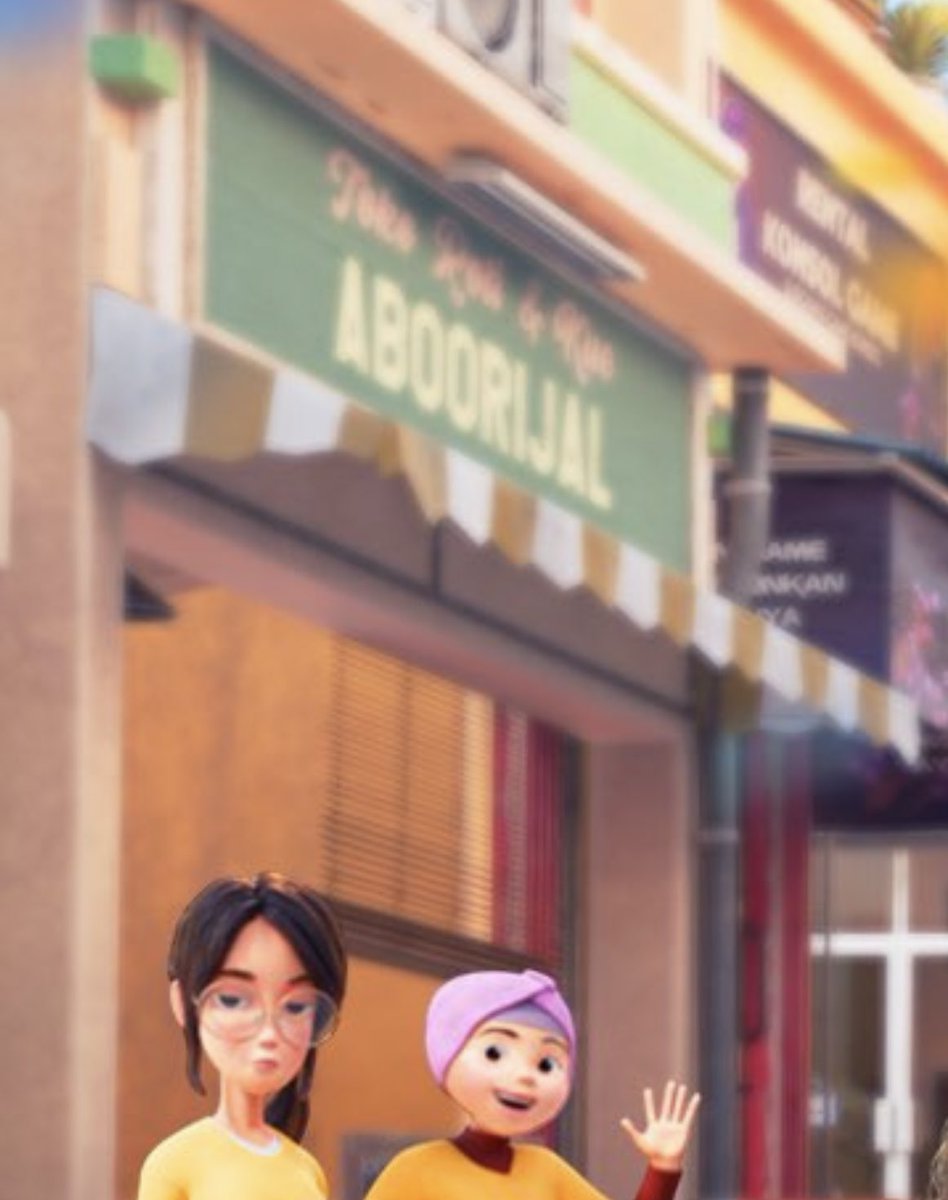
Karena umur filmnya dah mau habis di bioskop, maka kegaringan dad joke ini akan saya akui:
Di Kampung Seruni, ada Toko Roti & Kue ABOORIJAL.
Aboorijal Bakery.
Hehe.
harusnya SEMUA stasiun didesain begini. pengguna krl di sini keluarnya ke plaza dulu, bisa do little errands (kopi, minimart etc). harus tetep digalakin biar ga kumuh. street foods should be accomodated legally di sini
di stasiun lain, setelah keluar stasiun be like:
🧍🏻
now what