@skirano A Ferrari and a Lamborghini have to look like something a kid would want. Dreams.
If the car doesn't inspire the kids, then it won't work.
Just ask yourself if the 16 year old parking cars would shove the rest aside to park yours. That's the test.
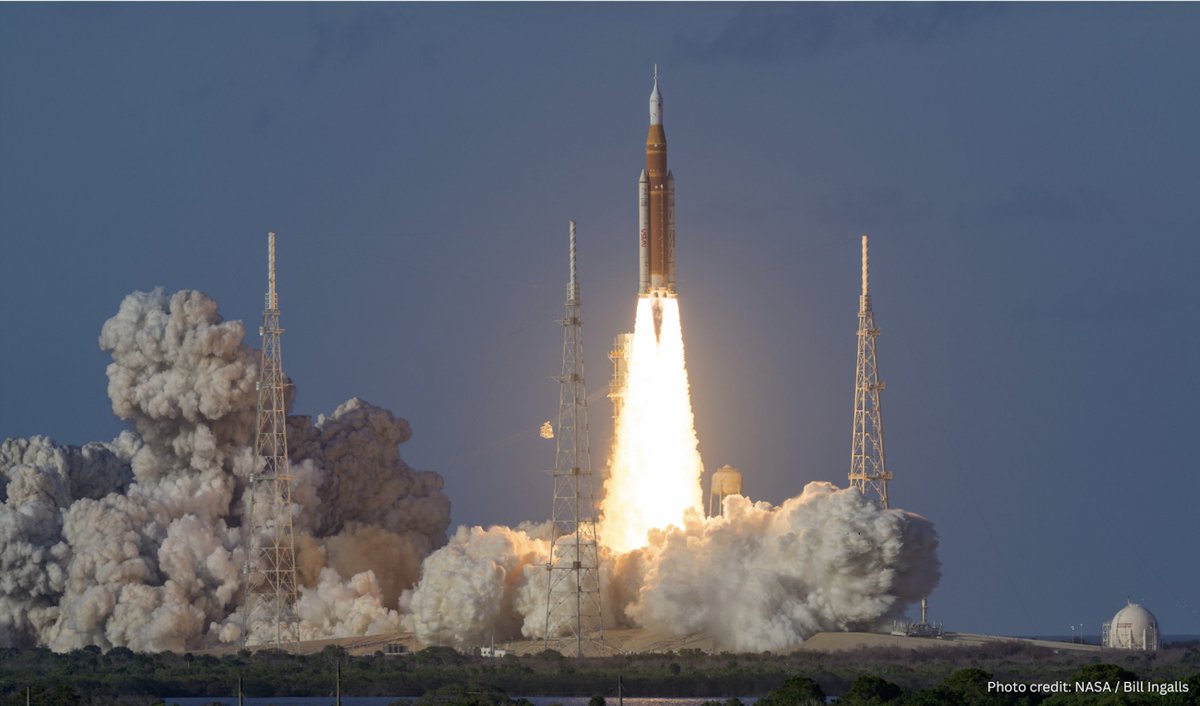
It was inspiring to watch the Artemis II launch yesterday — @NASA’s first crewed mission around the moon since 1972. Our space program has always captured an essential part of what it means to reach beyond what we thought was possible, and I hope the four brave astronauts on this mission will inspire a new generation to follow in their footsteps.
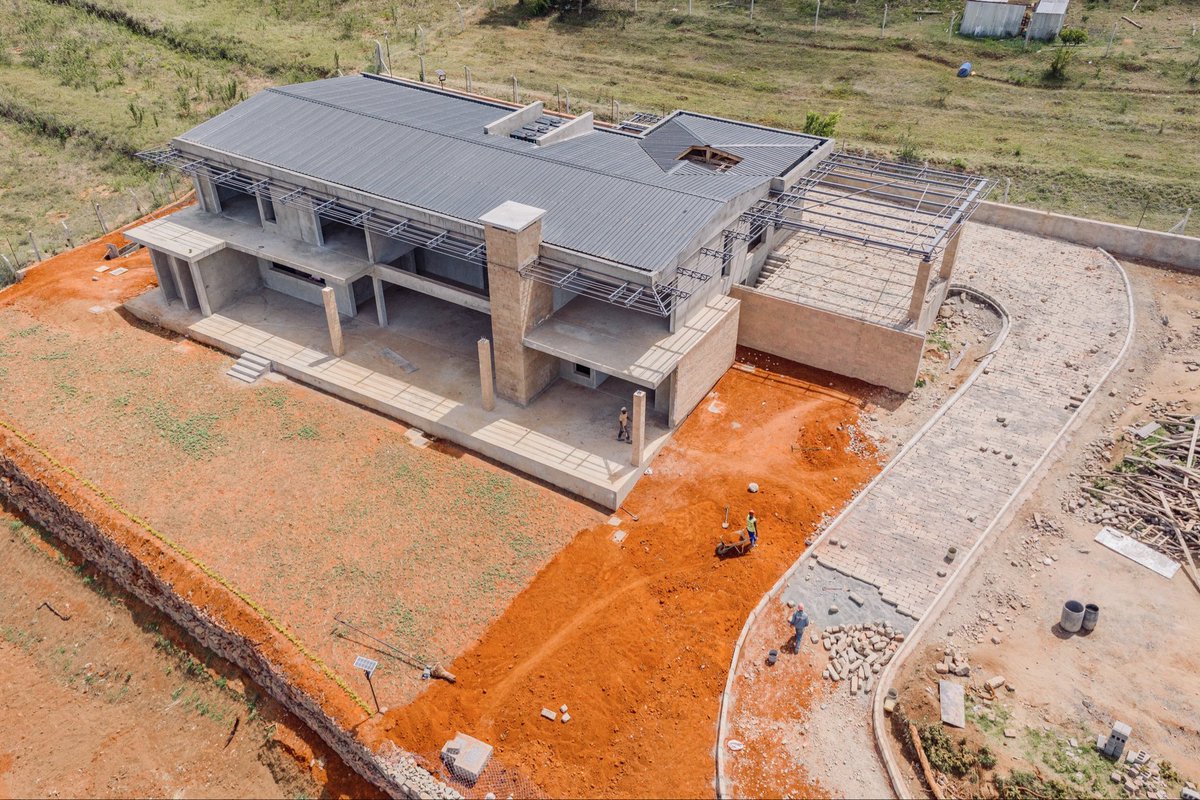
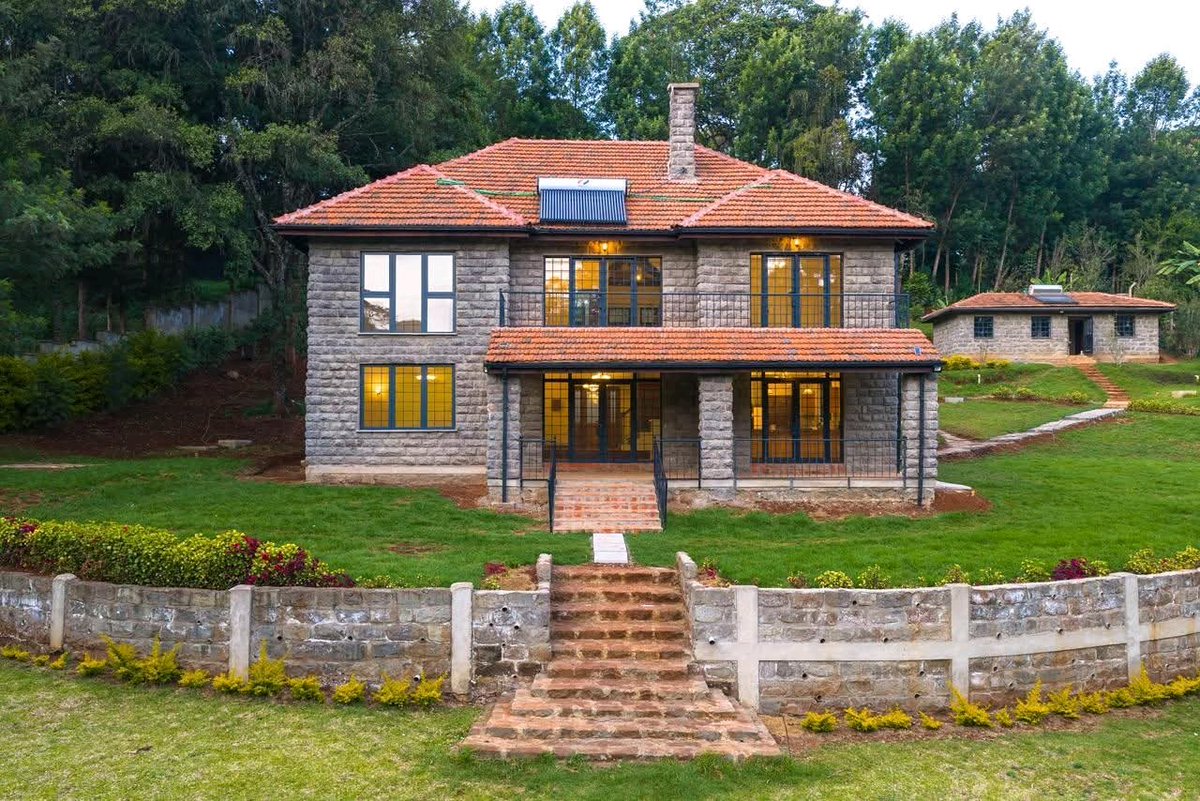
Gables is conceived as a split-level composition that responds to the site’s slope.
The architecture derives its identity from a series of repeated pitched forms against the Tigoni sky.
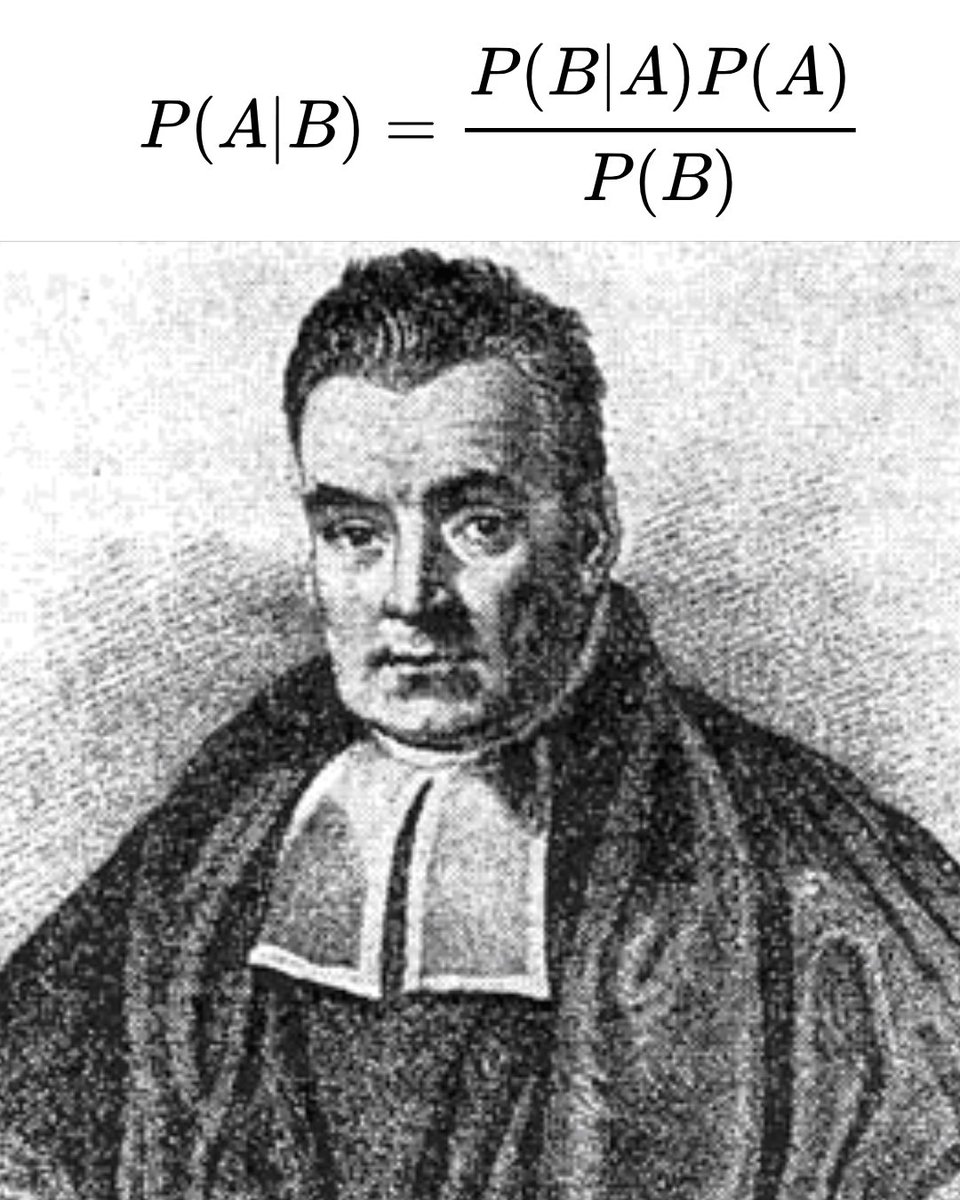
Bayes’ theorem is probably the single most important thing any rational person can learn.
So many of our debates and disagreements that we shout about are because we don’t understand Bayes’ theorem or how human rationality often works.
Bayes’ theorem is named after the 18th-century Thomas Bayes, and essentially it’s a formula that asks: when you are presented with all of the evidence for something, how much should you believe it?
Bayes’ theorem teaches us that our beliefs are not fixed; they are probabilities. Our beliefs change as we weigh new evidence against our assumptions, or our priors. In other words, we all carry certain ideas about how the world works, and new evidence can challenge them.
For example, somebody might believe that smoking is safe, that stress causes mouth ulcers, or that human activity is unrelated to climate change. These are their priors, their starting points. They can be formed by our culture, our biases, or even incomplete information.
Now imagine a new study comes along that challenges one of your priors. A single study might not carry enough weight to overturn your existing beliefs. But as studies accumulate, eventually the scales may tip. At some point, your prior will become less and less plausible.
Bayes’ theorem argues that being rational is not about black and white. It’s not even about true or false. It’s about what is most reasonable based on the best available evidence. But for this to work, we need to be presented with as much high-quality data as possible. Without evidence—without belief-forming data—we are left only with our priors and biases. And those aren’t all that rational.
The Bush Hammer
The name Bush Hammer is drawn from the hand textured stone walls left to carry the marks of their making allowing construction to remain visible and honest through the passage of time typical of notable instances such as a popular manor in Karen amongst others.
The front porch, approached via descending steps, is supported by a stone arch with a keystone rather than reinforced concrete a quiet reference to traditional construction methods. This marked our first application of the method a rewarding moment of learning through making.
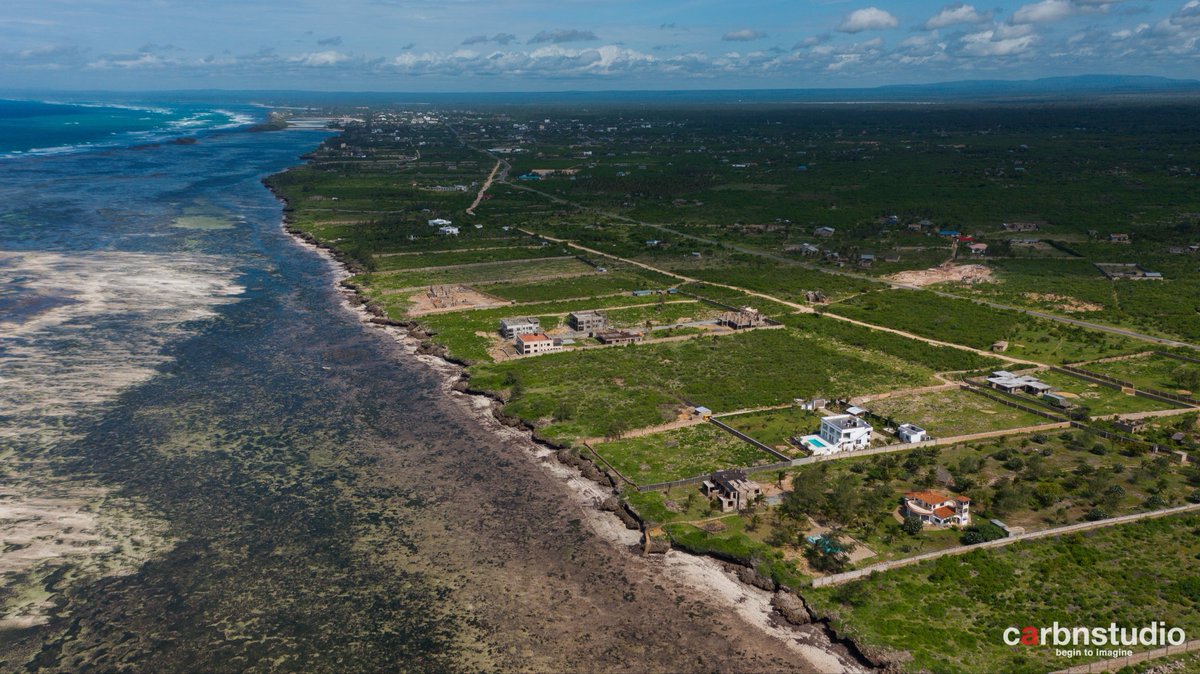
A first attempt at a feeling of a light and airy structure. Light floating lines viewing the Indian ocean horizon in Watamu right in front of a cliff.
#design
It’s where you meet others meaningfully. Aligned with your cause as you support theirs.
I think that in between space where doubt forms should be defended. It’s where becoming begins.
When exploring something new, believing, sketching, creating there’s always a lag before the world catches up.
That in-between space is where doubt creeps in. But that delay is sacred.
It’s where clarity forms where the next version of the idea is taking shape.
Timau and Laikipia, Inherited Grace stands as a tribute to heritage, reimagining iconic forms through the lens of Grounded Futurism.
Learn more via https://t.co/MOmPUQ4Bvf
Looking back, a distinct genre is emerging at Carbnstudio where traditional architectural styles reemerge with a modern voice. In select locations such as Naivasha, Naro Moru,