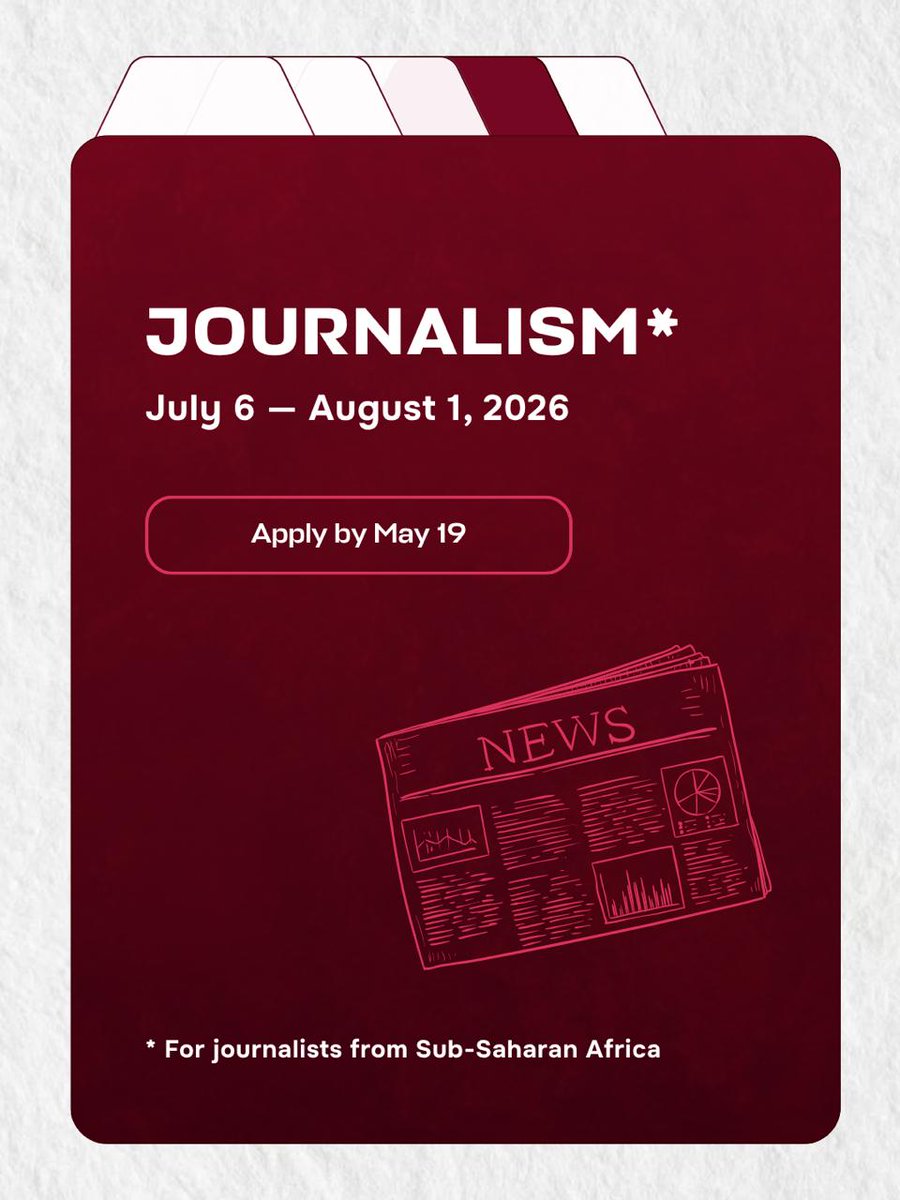
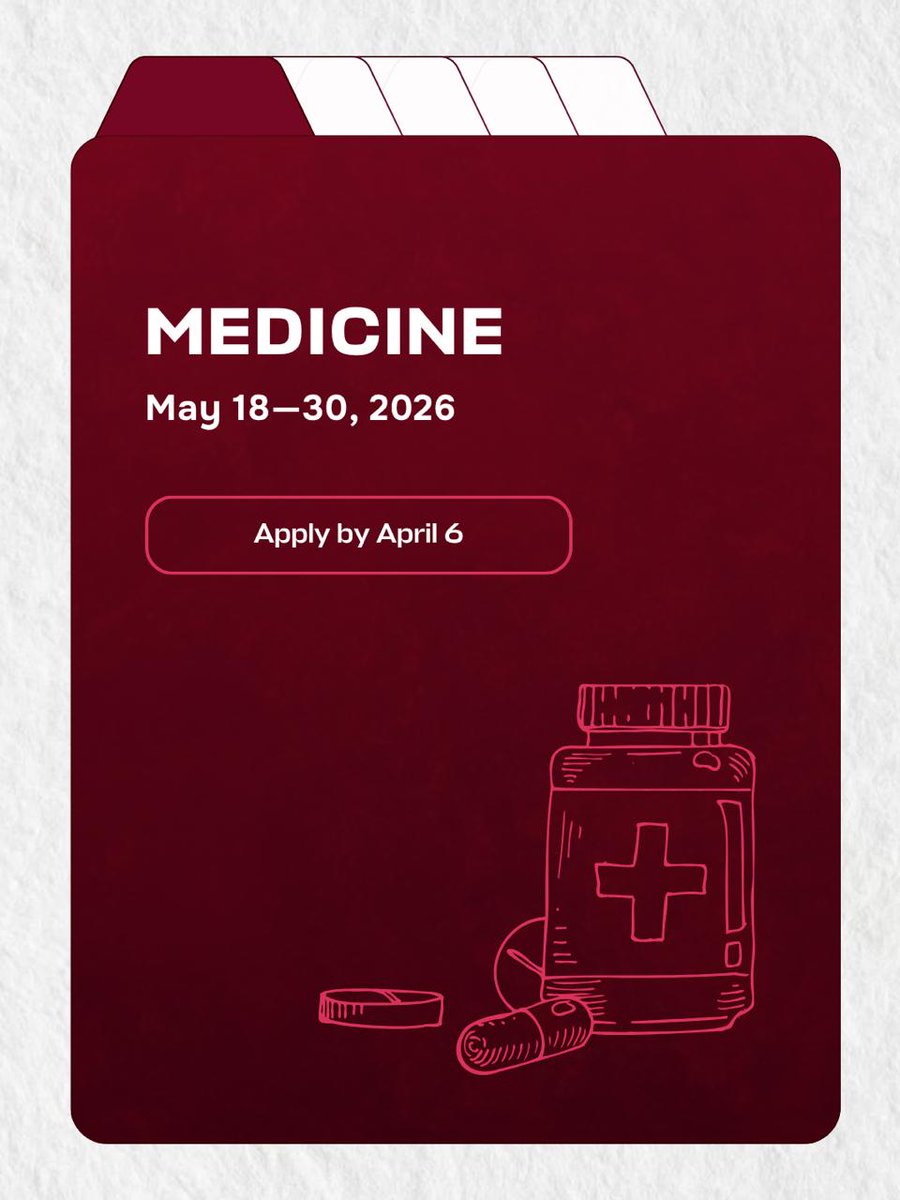
#StudyInRussia
⚡️ Applications open for InteRussia Fellowships!
If you’re a young professional from #Africa, this is your chance to grow and build real skills.
➡️ Explore programs & apply: https://t.co/HL5Iw1Zm3t
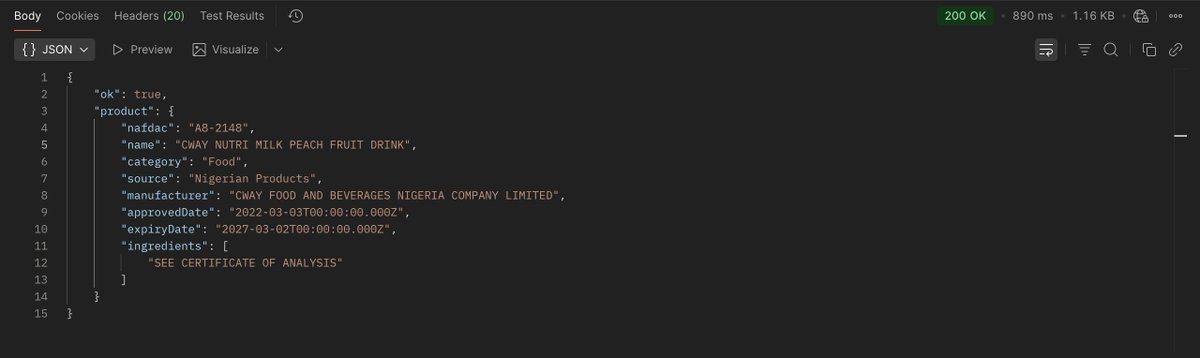
i built an API that verifies NAFDAC numbers in Nigeria
Everyone's been asking how the NAFDAC verification API actually works
here's exactly how it works 🧵
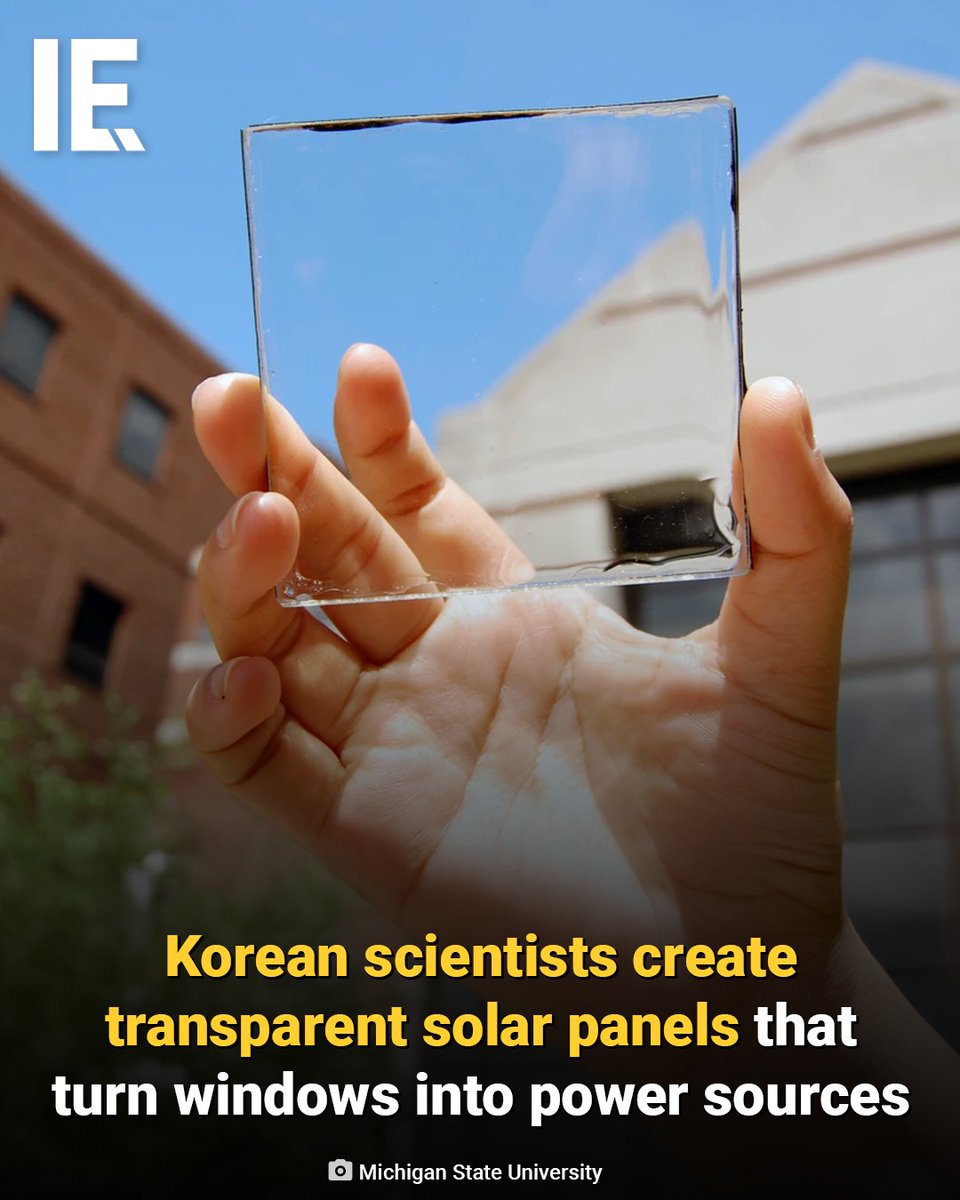
Researchers in South Korea have developed transparent solar panels that can be integrated into ordinary windows, allowing homes and skyscrapers to generate electricity without altering their appearance. The panels harvest energy from sunlight while maintaining visibility, opening the door to buildings that power themselves through their own glass.
#science #technology #solarenergy #renewables #sustainability
The Japanese way of building motor skills.
See → understand → move → feel.
Children who seem physically slow are often not weak. By repeating this small loop, neural circuits strengthen and movement becomes natural.
The math on this project should mass-humble every AI lab on the planet.
1 cubic millimeter. One-millionth of a human brain. Harvard and Google spent 10 years mapping it. The imaging alone took 326 days. They sliced the tissue into 5,000 wafers each 30 nanometers thick, ran them through a $6 million electron microscope, then needed Google’s ML models to stitch the 3D reconstruction because no human team could process the output.
The result: 57,000 cells, 150 million synapses, 230 millimeters of blood vessels, compressed into 1.4 petabytes of raw data. For context, 1.4 petabytes is roughly 1.4 million gigabytes. From a speck smaller than a grain of rice.
Now scale that. The full human brain is one million times larger. Mapping the whole thing at this resolution would produce approximately 1.4 zettabytes of data. That’s roughly equal to all the data generated on Earth in a single year. The storage alone would cost an estimated $50 billion and require a 140-acre data center, which would make it the largest on the planet.
And they found things textbooks don’t contain. One neuron had over 5,000 connection points. Some axons had coiled themselves into tight whorls for completely unknown reasons. Pairs of cell clusters grew in mirror images of each other. Jeff Lichtman, the Harvard lead, said there’s “a chasm between what we already know and what we need to know.”
This is why the next step isn’t a human brain. It’s a mouse hippocampus, 10 cubic millimeters, over the next five years. Because even a mouse brain is 1,000x larger than what they just mapped, and the full mouse connectome is the proof of concept before anyone attempts the human one.
We’re building AI systems that loosely mimic neural networks while still unable to fully read the wiring diagram of a single cubic millimeter of the thing we’re trying to imitate. The original is 1.4 petabytes per millionth of its volume. Every AI model on Earth fits in a fraction of that.
The brain runs on 20 watts and fits in your skull. The data center required to merely describe one-millionth of it would span 140 acres.
This one actually made me pause.
Scientists built a robot made of liquid.
Not flexible.
Liquid.
It can split, merge, squeeze through tiny spaces, and then re-form.
When it breaks, it heals itself.
No motors.
No joints.
No rigid body.
I’ve spent years thinking about AI as the brain of machines.
This feels like the first glimpse of something else.
A body that does not have a fixed shape.
Today it’s millimeter-scale.
Tomorrow, it’s medicine moving through the body, or machines exploring places nothing solid can reach.
That thought excites me.
And honestly, it unsettles me too.
So here’s the question.
When machines no longer have a stable form, what does “control” even mean?
#AI #Robotics #SoftRobotics #Innovation #Technology #FutureOfWork
HISTORY!!!
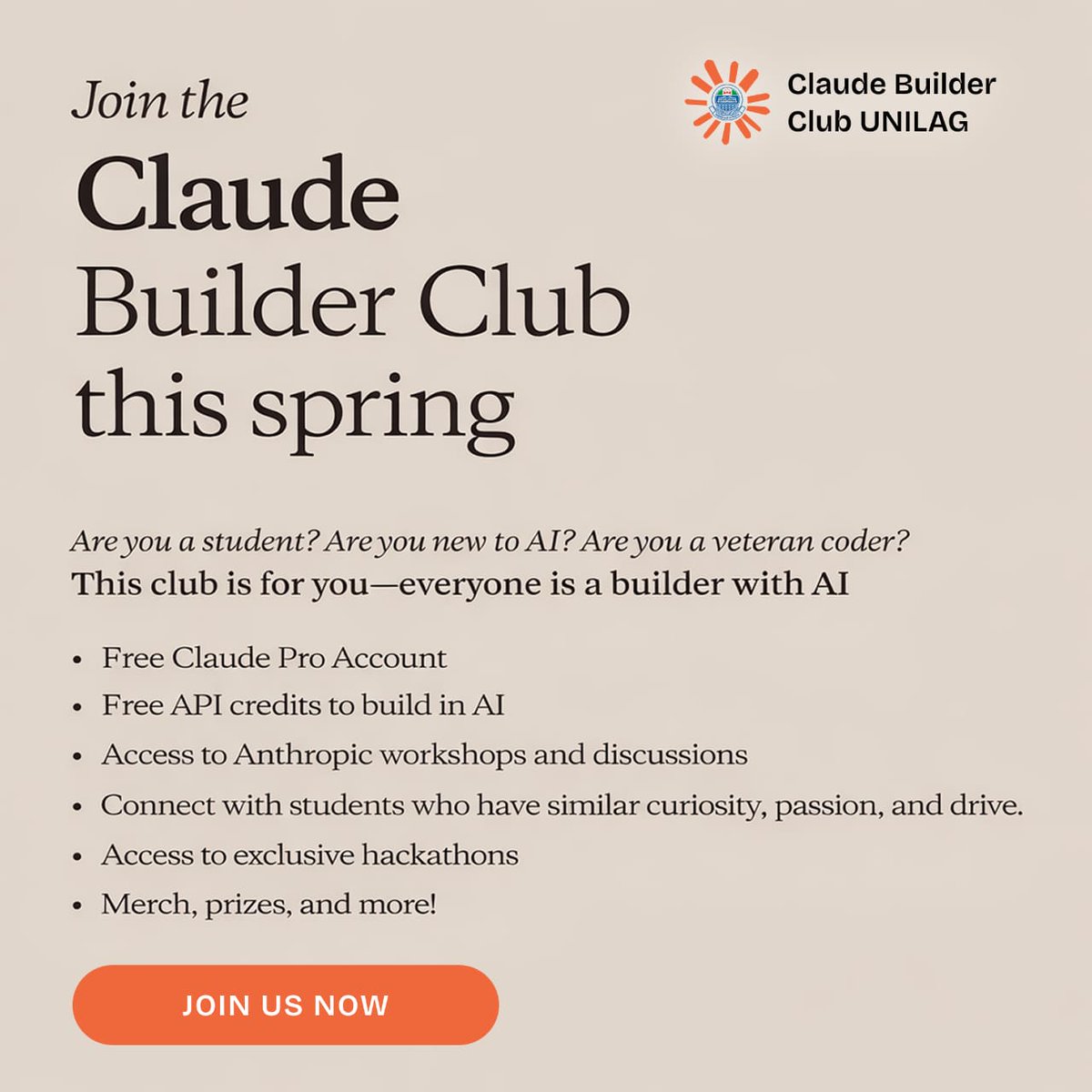
🚀 FIRST EVER Claude Builder Club in Nigeria launches at UNILAG! 🇳🇬
✨ Free Claude Pro ✨ Free AI API credits ✨ Hackathons & workshops ✨ Community, merch & prizes
Building the future of AI in Nigeria starts here.
More updates soon!!!
Let's make history! 💪🏾🔥
I never envisaged that I would resort to this at this stage of my life.
Please, if this appears on your timeline, help me repost till I am saved from my current dark realities.
I am in my late 30s. I have a degree in English & literary studies, and Social Welfare (Masters), from
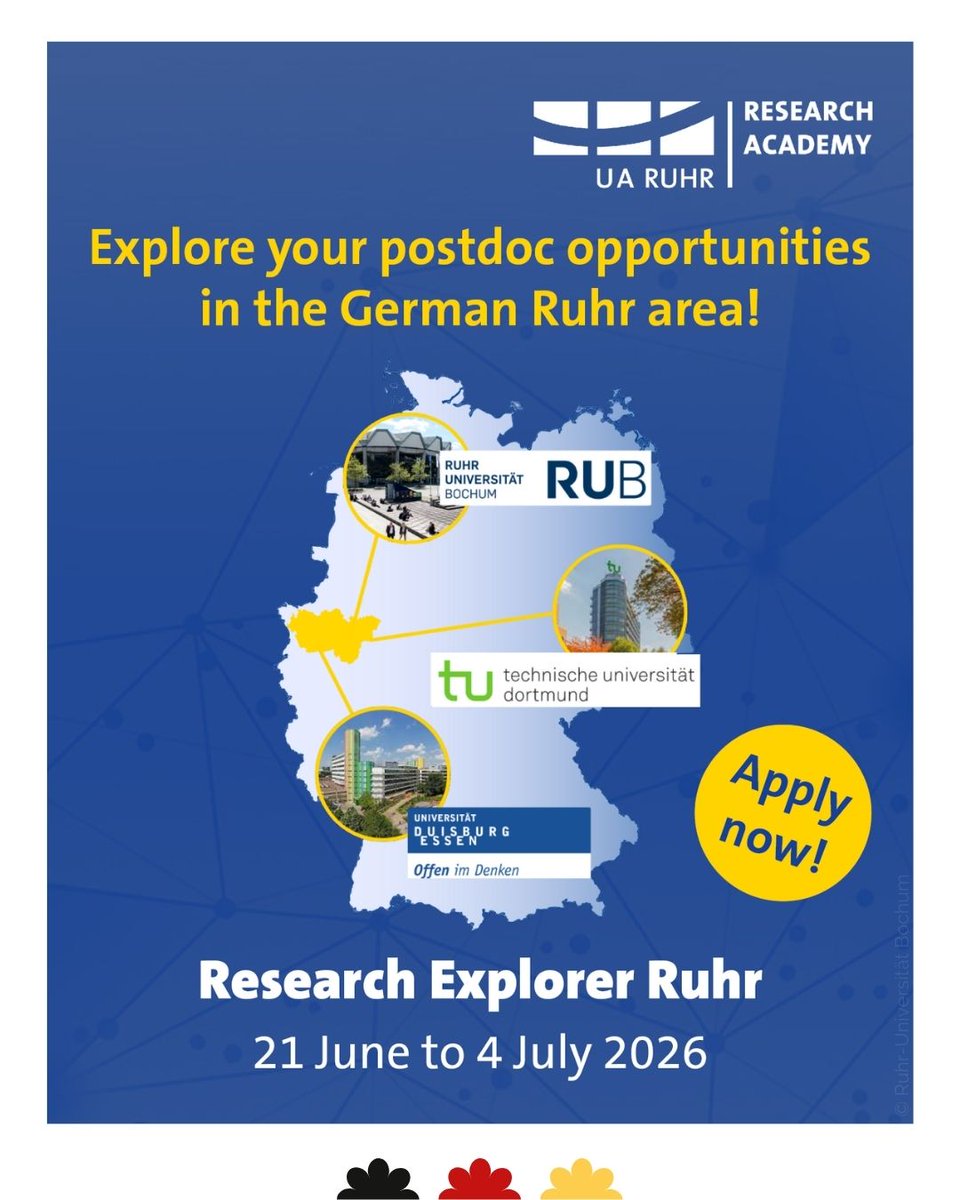
Boost your postdoc career in Germany! ✈️ Apply for the Research Explorer Ruhr summer programme:
📍21 June – 4 July 2026
🤝 Two weeks of networking, lab visits & career workshops at 3 universities in the Ruhr Area
🎓 PhDs & postdocs
🗓️ Apply by 15 Feb 👉 https://t.co/c89ArpmKO2
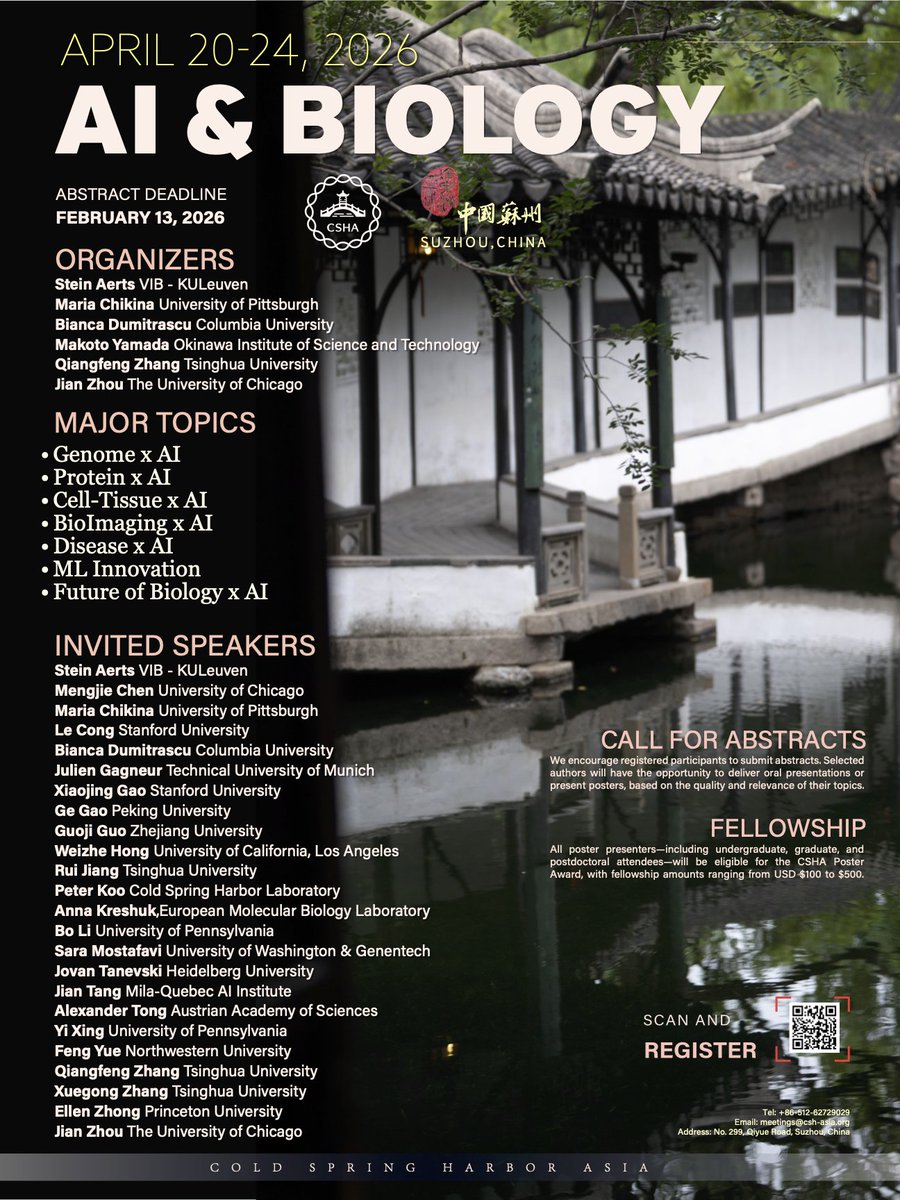
Excited for the AI & Biology Conference in Suzhou, China (Apr 20-24, 2026)! Don't miss the abstract deadline: Feb 13, 2026. Submit your work on Genome x AI, Protein x AI & more—plus fellowships up to $500. Register now: https://t.co/D3EOTj2kXN
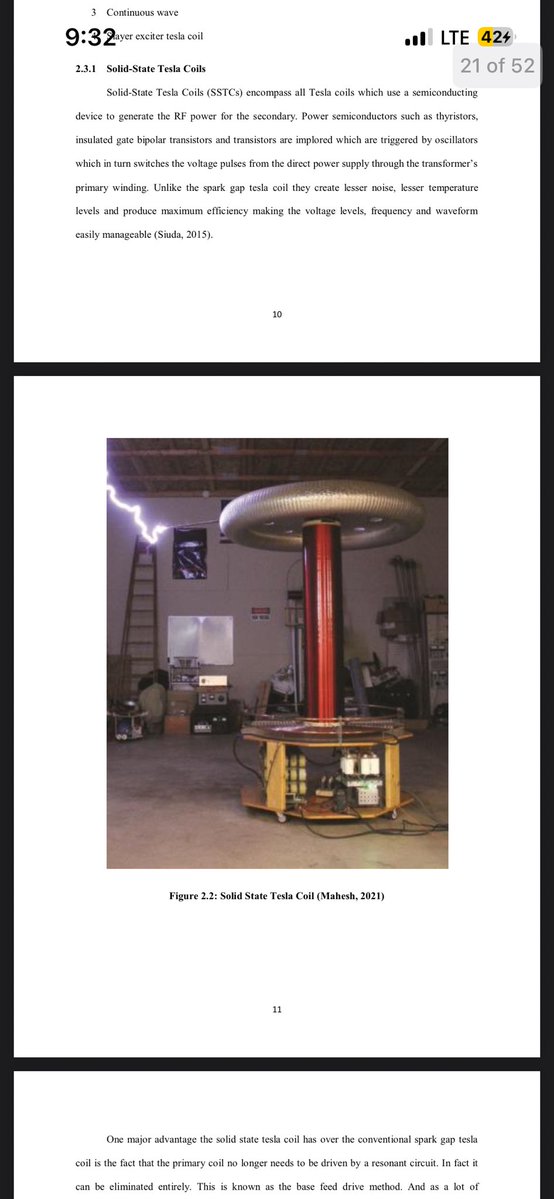
My final thesis in uni was about “wireless power transmission”
I intended on modeling Nikola Tesla’s Wardenclyffe tower but on a small scale
I started but had to stop because of instability of the output voltage
I was able to generate the corona effect as seen below……
Interested in pursuing a PhD at the intersection of AI & genomics?
The Koo Lab is recruiting through the new BioAI PhD Program at CSHL!
Send me an email w/ CV. Applications are rolling until position is filled.
*A Master’s degree or equiv is required
https://t.co/IBZCtC3LFP
Folks, heres a list of things not happening by 2030 that you can take to the bank:
-AGI or any AI at all
-Autonomous vehicles deployed generally
-Autonomous robots of any kind
-datacenters in space
All of these technologies currently rely on regression to work. The first 3 use regression to compute predictions. The last one relies on the regression compute to be practical. All automation up until this point more or less relies on regression. It is incremental, not revolutionary, and IT DOESN’T SCALE. We are seeing this now, as models have now consumed all of the data on the planet and still can’t quite do anything correctly. In small domains with lots of data, it can be practical. Nearly all automation we have today leans on small domains to remain tractable. Once the domain expands, the problem blows up. Variance is the death of regression, data be damned. And the future is more variance than trend.
Humans excel because they are not statistical. They are superstitious. Adaption is quick, but leaves many data points unexplained. Most people who are extremely productive go their whole lives strongly believing a whole host of things that are not true. It is precisely our lack of statistical rigor that makes us effective.
So when you try to recreate human superstition with statistics, compute will blow up and edge cases will snuff it out in the night.
It is a certainty that regressive methods are a dead end. A certainty. It is not practical to require 10,000 humans worth of energy to recreate 1 human output.
Now could someone discover how the mind works and the methods it uses? Absolutely. But no one is looking for it because they are getting paid millions a year to bark up another tree. And once discovered, then a roadmap must be built to get us to systems that can perform it. We must design new chips, develop new material systems, new compute structures, how to interface them with conventional computing, and on and on and on. It’s a decade+ job once the roadmap has been developed. We don’t even know where to start!
The sooner we abandon the bankrupt religious belief that AI will save us, the better we will be. Because every day we ignore reality is another day for our problems to metastasize.
AI will not solve our problems. Robots will not solve our problems. We must solve our problems ourselves. And we could start building a roadmap for that today.