GLP-1 drugs in people with obesity (no diabetes) and the link to reduction of cancer
Among nearly 230,000 individuals, there was >40% overall reduction in 13 cancers associated with obesity with just 2 years of follow-up. Not proof of cause and effect, but consistent with many recent reports on the link between GLP-1 drugs with less cancer
https://t.co/X1P9xe8z2O
An integrated single-cell atlas of human pulmonary hypertension reveals shared and subtype-specific cell states and introduces PH-Map for consistent annotation
@[email protected]
https://t.co/yiR9ZrIa9X
A video shows cardiac computed tomography in a patient with heart failure treated with stem-cell–derived biologic ventricular assist tissue. Read the full BioVAT-HF study results to learn more: https://t.co/gNAjQK7N5Q
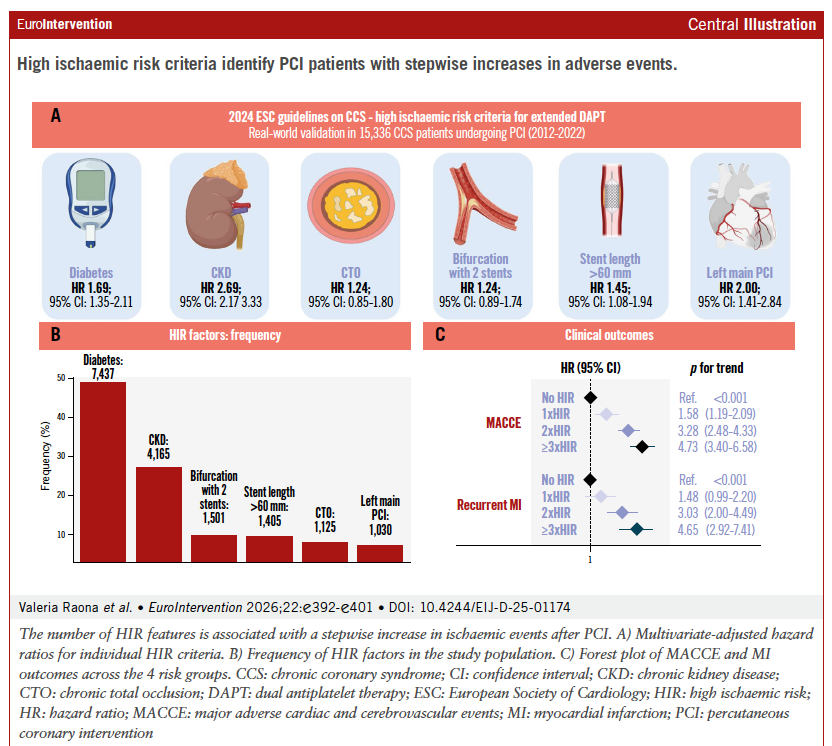
Clopidogrel vs aspirin after PCI:
10-year HOST-EXAM follow-up shows lower ischemic and bleeding events with clopidogrel—but no difference in mortality.
Read more: https://t.co/UrwslCemU8 #ACC26
Beyond glucose and weight loss: GLP-1 RAs reduce systemic inflammation, atherosclerosis inflammation and progression, and MACE —independent of diabetes or obesity
Key findings:
* Using serial intravascular NIRF-OCT inflammation and IVUS imaging, liraglutide reduced plaque inflammation and plaque progression in rabbits without obesity or diabetes;
* In the MGB Biobank, GLP-1 RA use reduced blood inflammation and MACE, regardless of A1c or BMI status;
* In human macrophages, three GLP-1RAs suppressed inflammatory cathepsin protease activity;
--> Intravascular NIRF-OCT offers the potential for inflammation imaging and anti-inflammatory drug assessment in human CAD
--> Time to investigate GLP-1RAs in all patients with CAD?
Collaborative, extended effort by @MohamadBKassab1 H.Khraishah A.Thrapp @ShadyAbohashem@ATawakolMD P.Libby @GTearney1 et al. Our sincere thanks to the editors and reviewers @ehj_ed
https://t.co/pOqtyGcWLM
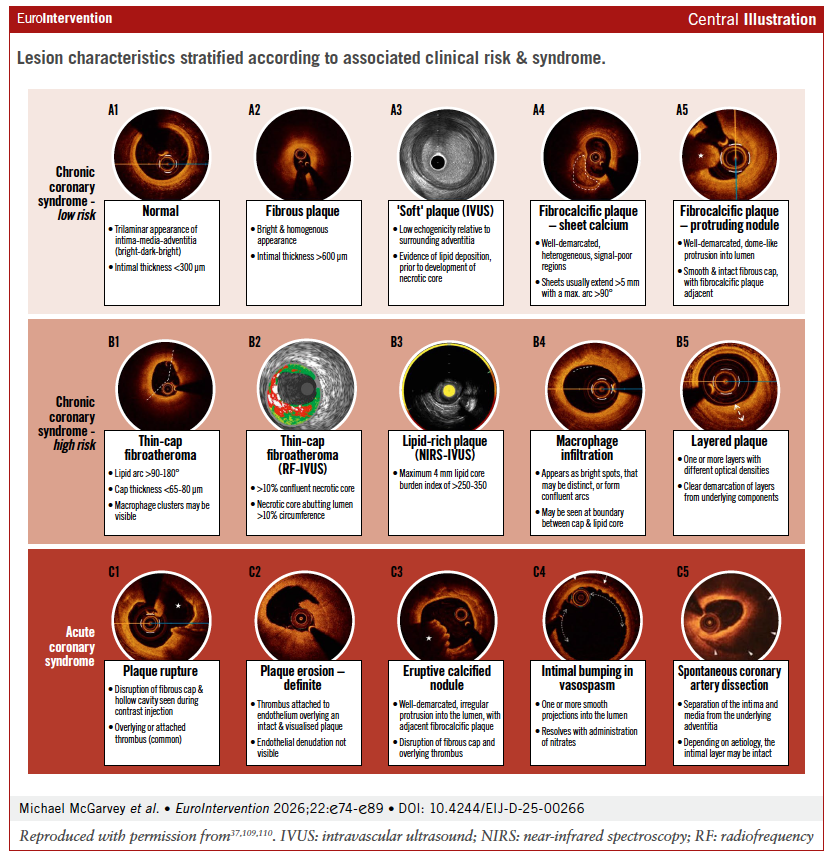
Lesion stratification with intracoronary imaging provides detailed morphological insights that may guide PCI, identify high-risk plaques, and support a shift towards integrated morphofunctional assessment in coronary artery disease.
https://t.co/Bc6jp82gE1
@m_g_mcgarvey@K_DeSilva@DrKeeble@ziadalinyc@divaka_perera@drdworakowski@DrNileshPareek
#CardioTwitter #InterventionalCardiology #CoronaryArteryDisease
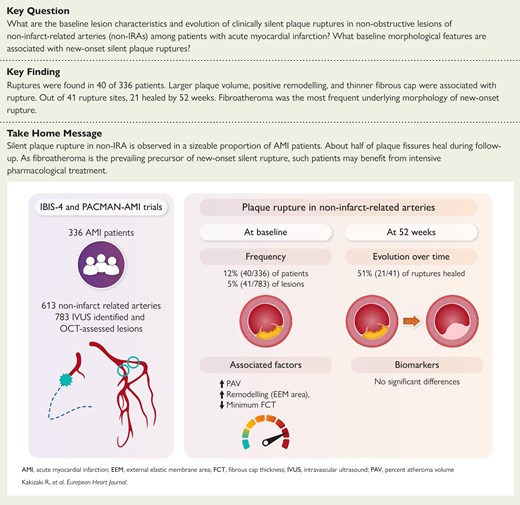
Plaque rupture is the most common mechanism of instability underlying the onset of acute coronary syndrome. New large study sheds new light on silent plaque ruptures in non-obstructive lesions of non–infarct-related arteries.
https://t.co/xeQ1k42aID
#TCFA#MI#atherosclerosis #cardiotwitter, @ESC_Journals, @escardio
The real story about statin safety from >122,000 RCT participants with individual level data. They can cause new-onset diabetes (especially with intensive Rx) and muscle pain/weakness, but other than that they are remarkably safe for 62 outcomes. Rare (0.13%/yr) liver function test abnormalities https://t.co/QZTe5DgGb8
Join the RCMB Early Career Professionals Working Group for Mastering the Specific Aims Page, a focused webinar offering practical guidance from experts on writing a strong Specific Aims page tailored for a career development award.
February 12 at 2pm ET
https://t.co/qf3eYrdJXc
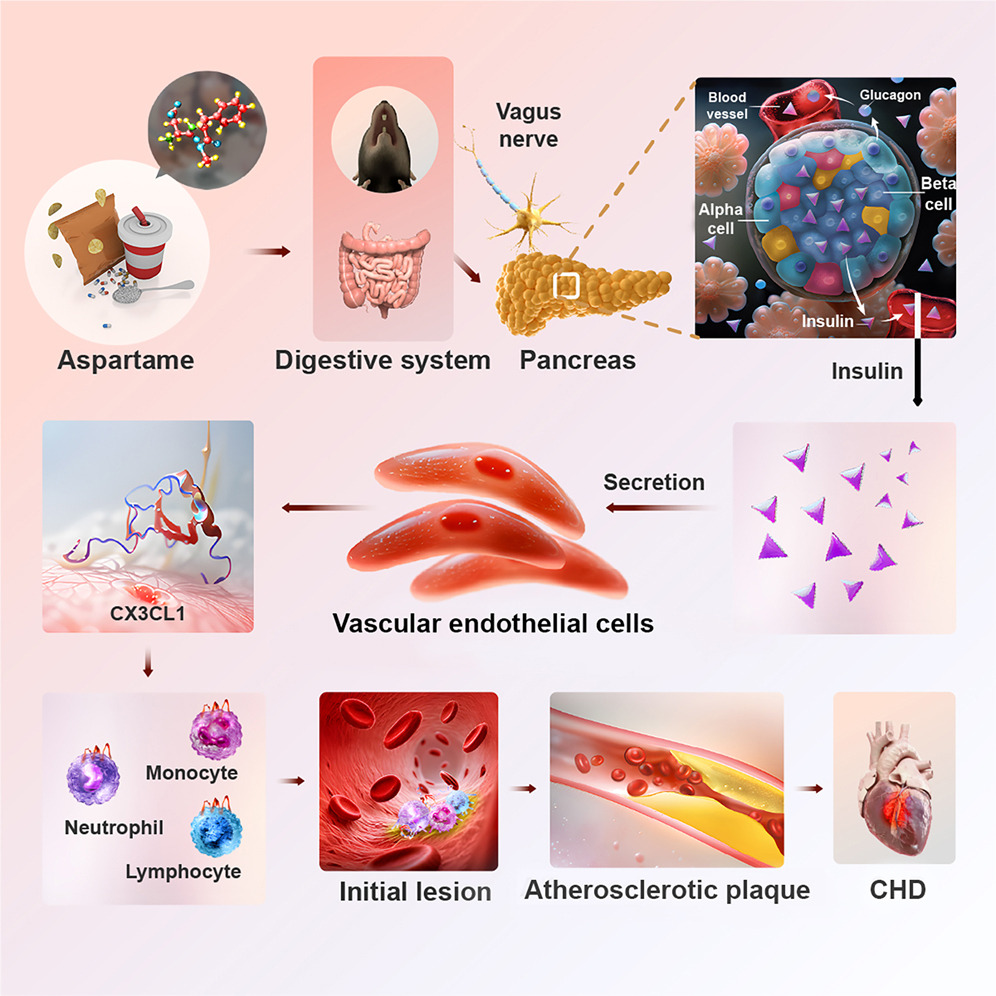
New paper: Aspartame, a synthetic dipeptide 200X sweeter than sugar, is linked to heart disease and Type 2 diabetes. New paper finds aspartame binds tightly & stably to PGC-1alpha, a key regulator of muscle health, inflammation, and insulin resistance 🧵
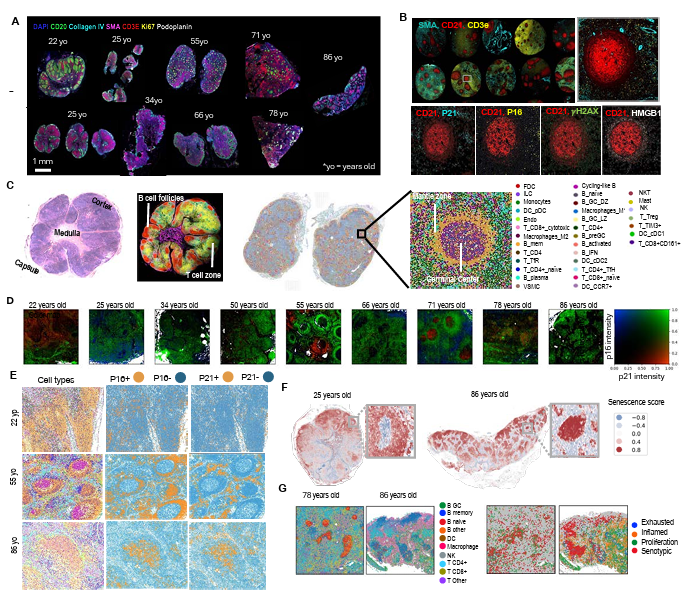
📢 Aging hearts reveal their secret: vascular niches are the primary hotspots of cardiac aging.
“You’re only as old as your arteries.” T. Sydenham, 17th century wisdom meets 21st century data. Find mechanistic insights and potential interventions:
https://t.co/RQfXyrXHjG. #Aging
In person symposium registration:
❤️🔥❤️🩺
https://t.co/O3ZD9Y4K04
❤️🔥❤️🩺
Spectacular lineup of speakers -- so looking forward to discussing how ❤️🔥inflammation imaging ❤️🔥can propel basic research, translation and clinical trials!
❤️🔥❤️🩺
October 23 2025
All are invited!!