Our latest study suggests that we're at an inflection point for antimicrobial resistance with an acceleration of AMR mortality forecast over the next quarter century-with an estimated 39 million deaths due to AMR in the next 25 years -or just under 3 deaths every minute
🆕 Antimicrobial resistance poses an important global health challenge in the 21st century.
A new in-depth global analysis suggests more than 39 million deaths from antibiotic-resistant infections could occur between now & 2050.
Explore the data: https://t.co/MWXNRrUDuz #AMR
Global leaders must prioritize actions to reduce the burden of AMR. This includes enhancing diagnostic capacity, promoting stewardship to balance antibiotic access and excess, implementing infection prevention measures, and supporting the development of new antibiotics.
On the other hand, there have been remarkable decreases in AMR mortality in children under 5, coinciding with improvements in access to clean water, sanitation, and hygiene as well as vaccination efforts
The declining mortality in children will be far outpaced by the increasing AMR burden in older adults, particularly as the population ages in the coming decades.
There has been a worrisome increase in mortality due to carbapenem resistant gram negatives in the last 30 years and a substantial increase in AMR mortality in older adults
Our latest study suggests that we're at an inflection point for antimicrobial resistance with an acceleration of AMR mortality forecast over the next quarter century-with an estimated 39 million deaths due to AMR in the next 25 years -or just under 3 deaths every minute
🆕 Antimicrobial resistance poses an important global health challenge in the 21st century.
A new in-depth global analysis suggests more than 39 million deaths from antibiotic-resistant infections could occur between now & 2050.
Explore the data: https://t.co/MWXNRrUDuz #AMR
🆕 Antimicrobial resistance poses an important global health challenge in the 21st century.
A new in-depth global analysis suggests more than 39 million deaths from antibiotic-resistant infections could occur between now & 2050.
Explore the data: https://t.co/MWXNRrUDuz #AMR
@KelleyChuangMD @uclaimchiefs@AdelaGreeleyMD@CKaneshiroMD @SatyaPatelMD @UREssien @DxRxEdu @Dr_Cal_ Haha, thanks for the +1. I was a chief @YaleIMed during the study period... helpful to get feedback on how I ran report then, the challenges wrangling faculty definitely rings true
This has implications on empiric antibiotic selection, which needs to be informed by local microbiology data. This requires microbiologic capacity, which is also lacking in many regions.
Which bacteria represent the most urgent threat to health? And how does this vary by region? Our estimates in @TheLancet try to address these questions @IHME_UW
2 - There was substantial variation in the pathogens responsible for bloodstream infection across regions. Clearest example is Staph aureus, which was responsible for >30% of BSI in High Income Asia Pacific but only 5% in sub Saharan Africa.
OMG
📍Staphylococcus aureus was the leading bacterial cause of death in 135 countries and was also associated with the most deaths in individuals older than 15 years, globally
📍Among children younger than 5 years, Strep pneumoniae was the pathogen associated with the most deaths
We found that 7.7 million deaths were linked to bacterial infections other than TB. More than half of these (>4 million) were due to just five bacteria and they’re the ones you probably expect: Staph aureus, E coli, Strep pneumo, Klebsiella, and Pseudomonas
Which bacteria represent the most urgent threat to health? And how does this vary by region? Our estimates in @TheLancet try to address these questions @IHME_UW
NEW—Common #bacterial infections were the 2nd leading cause of death in 2019 and linked to 1 in 8 deaths globally, according to an analysis by @IHME_UW: https://t.co/hHpcqqD3Dv #WAAW2022
NEW—Common #bacterial infections were the 2nd leading cause of death in 2019 and linked to 1 in 8 deaths globally, according to an analysis by @IHME_UW: https://t.co/hHpcqqD3Dv #WAAW2022
We are not okay. @WHO global #TB report 2022 out today shows that we are way behind in finding and preventing TB, and TB deaths increased again in 2021. One of the most important areas for improvement: TB prevention! Need to deliver short-course TB prev therapy to millions more!
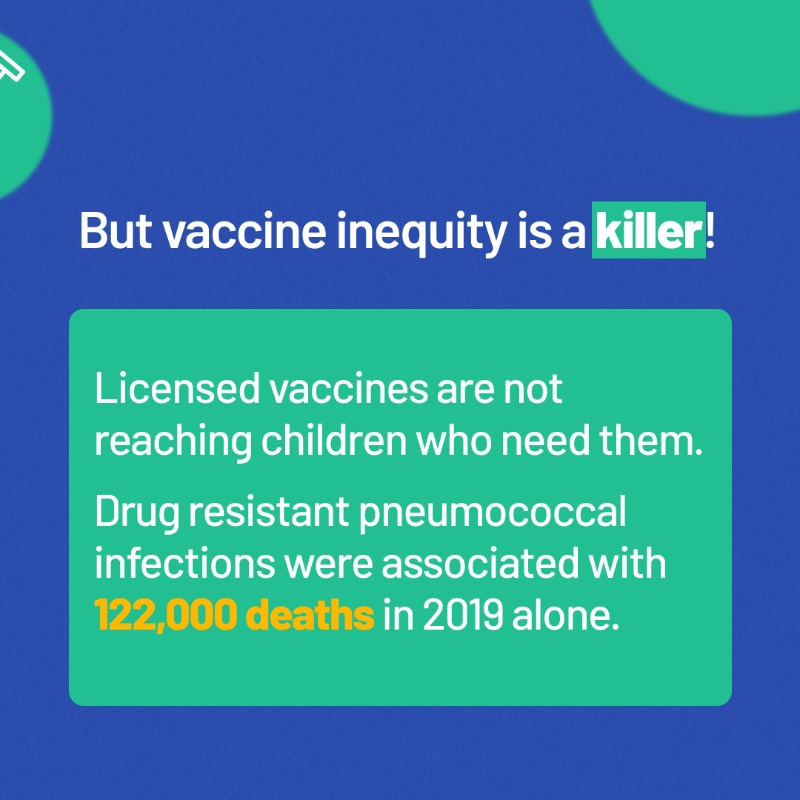
Resistant bacterial infections cause nearly 5 million deaths every year.
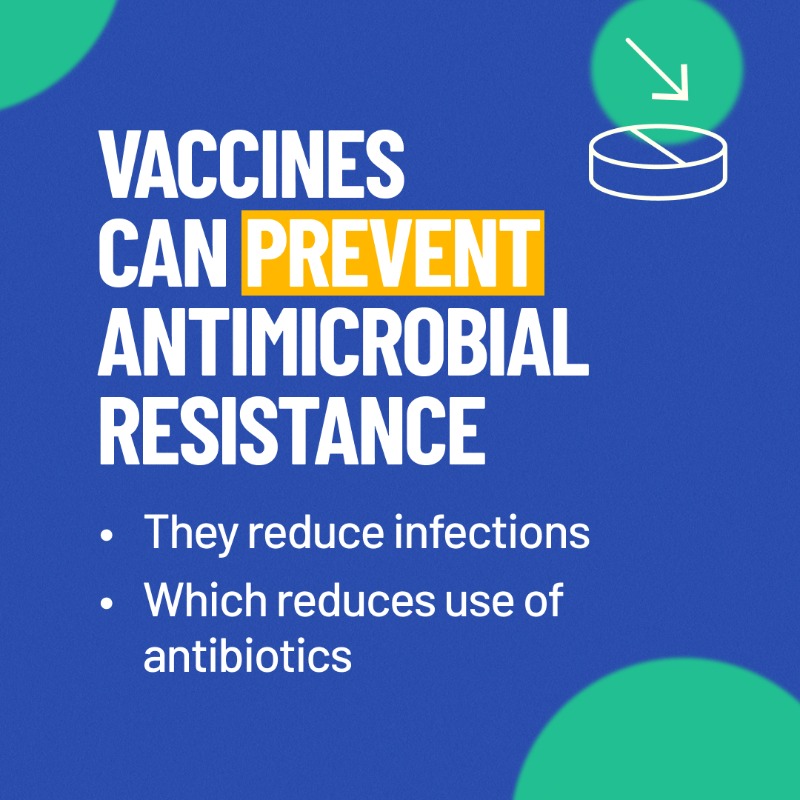
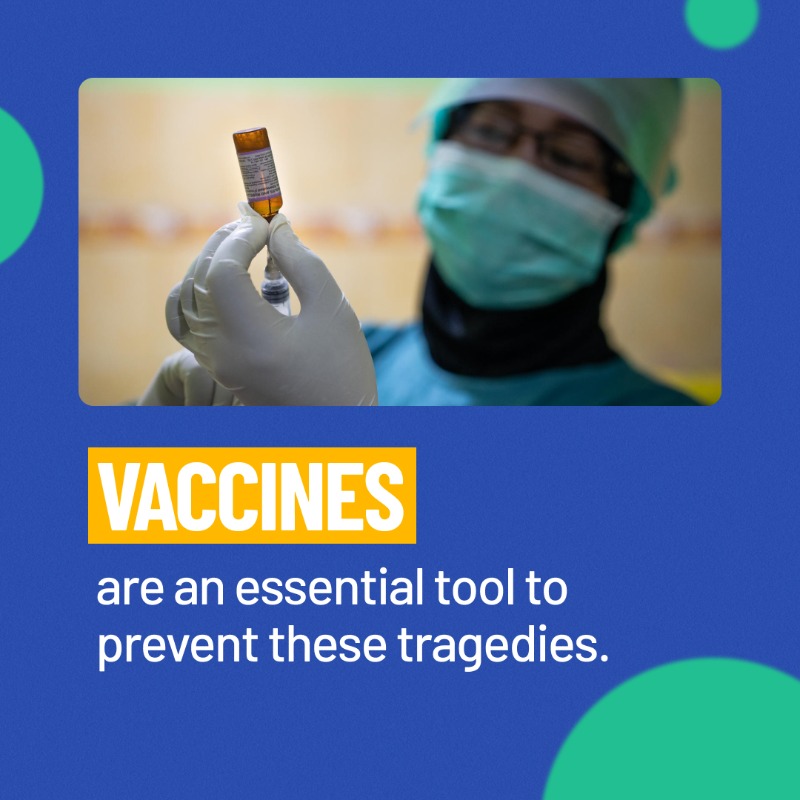
#VaccinesWork to reduce the use & overuse of antibiotics, which are 🔑 drivers of #AntimicrobialResistance.
🆕 report describes all vaccines currently in development for priority bacterial pathogens ⬇Resistant bacterial infections cause nearly 5 million deaths every year.
#VaccinesWork to reduce the use & overuse of antibiotics, which are 🔑 drivers of #AntimicrobialResistance.
🆕 report describes all vaccines currently in development for priority bacterial pathogens ⬇Resistant bacterial infections cause nearly 5 million deaths every year.
#VaccinesWork to reduce the use & overuse of antibiotics, which are 🔑 drivers of #AntimicrobialResistance.
🆕 report describes all vaccines currently in development for priority bacterial pathogens ⬇Resistant bacterial infections cause nearly 5 million deaths every year.
#VaccinesWork to reduce the use & overuse of antibiotics, which are 🔑 drivers of #AntimicrobialResistance.
🆕 report describes all vaccines currently in development for priority bacterial pathogens ⬇Resistant bacterial infections cause nearly 5 million deaths every year.
#VaccinesWork to reduce the use & overuse of antibiotics, which are 🔑 drivers of #AntimicrobialResistance.
🆕 report describes all vaccines currently in development for priority bacterial pathogens ⬇Resistant bacterial infections cause nearly 5 million deaths every year.
#VaccinesWork to reduce the use & overuse of antibiotics, which are 🔑 drivers of #AntimicrobialResistance.
🆕 report describes all vaccines currently in development for priority bacterial pathogens ⬇️
Want to highlight the work of two @UCLA_ID fellows from #IDweek showing the value of IPC in reducing sepsis incidence and the role of methenamine in preventing UTIs. Absolutely crushing it