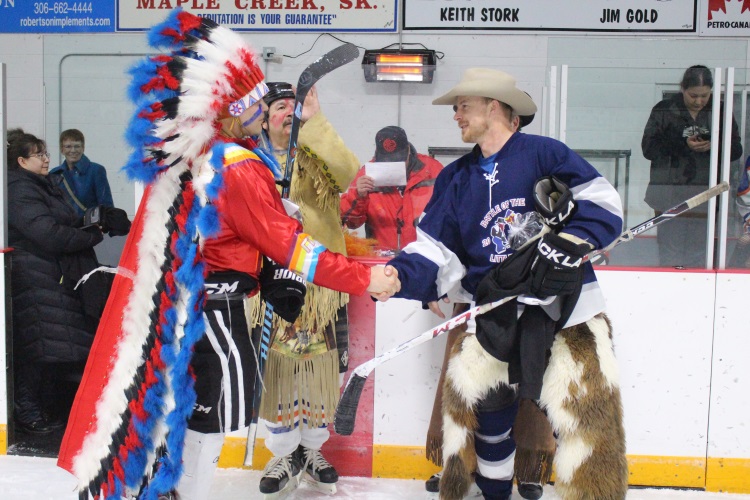
Tonight in Maple Creek, SK, two hockey teams are going to take to the ice to continue a four-decade tradition.
It is a hockey game between the Nekaneet First Nation and local ranchers.
Let's learn more about The Battle of the Little Big Puck!
📸Anthony Janzen
🧵1/7
@mtrench I had tickets to see you in Medicine Hat, Alberta but it was one of the concerts you had to cancel due to illness. I'm always hoping you will come back there again!
Yesterday in Maple Creek SK, the Battle of Little Big Puck took place.
It is an annual hockey game between local ranchers and the Nekaneet First Nation that dates back 45 years.
So, let's learn more!
According to legend, the hockey game dates back to a hot day in July in the 1970s when a couple of local ranchers and local members of the Nekaneet First Nation were in the Commercial Hotel having a beer together.
They began to joke with each other as to who could ride the toughest horses, rope the quickest and more. Finally, the conversation turned to hockey and who would win on the ice. From there, the Battle of Little Big Puck was born.
The name comes from the Battle of Little Big Horn. Following the defeat of General Custer, Sitting Bull and 5,000 Lakotas came into Canada to find refuge in southern Saskatchewan. They would remain for several years until they were starved into returning to the United States by the Canadian government.
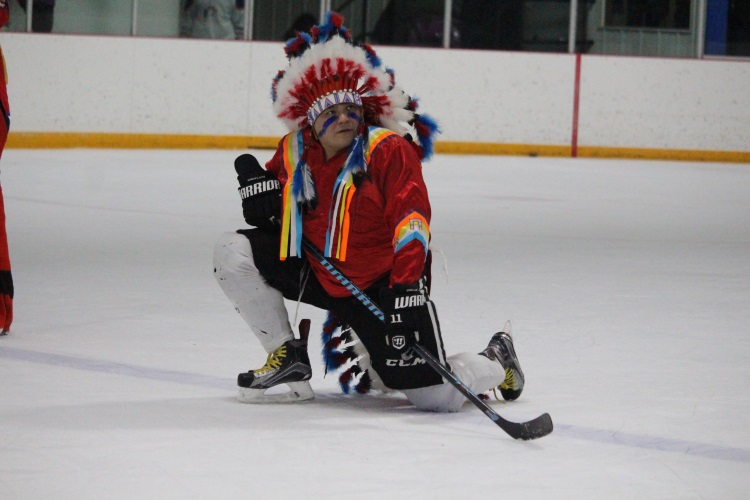
One interesting aspect of the game is that for the third period, the players dress in cowboy gear and Indigenous regalia, including cowboy hats, chaps, feathers, face paint and beads. A local constable with the RCMP referees the game. The RCMP officer changes into a red coat and Stetson for the third period.
The game is played for charity, raising thousands of dollars every year for worthy causes in the community.
If you enjoy my Canadian history content, you can support it with a donation at https://t.co/u12Dmz7XUX
****
Hier à Maple Creek SK, la bataille de Little Big Puck a eu lieu.
Il s'agit d'un match de hockey annuel entre les éleveurs locaux et la Première Nation de Nekaneet qui remonte à 45 ans.
Alors, apprenons-en davantage !
Selon la légende, le match de hockey remonte à une chaude journée de juillet dans les années 1970, lorsque deux éleveurs locaux et des membres locaux de la Première nation Nekaneet se trouvaient à l'hôtel commercial en train de prendre une bière ensemble.
Ils ont commencé à plaisanter entre eux sur la question de savoir qui serait capable de monter les chevaux les plus coriaces, de faire de la corde le plus rapidement et plus encore. Finalement, la conversation s'est tournée vers le hockey et vers qui gagnerait sur la glace. De là est née la bataille de Little Big Puck.
Le nom vient de la bataille de Little Big Horn. Après la défaite du général Custer, Sitting Bull et 5 000 Lakotas sont venus au Canada pour trouver refuge dans le sud de la Saskatchewan. Ils y resteront plusieurs années jusqu'à ce que le gouvernement canadien les oblige à retourner aux États-Unis.
Un aspect intéressant du jeu est que pendant la troisième période, les joueurs portent des vêtements de cowboy et des insignes autochtones, notamment des chapeaux de cowboy, des jambières, des plumes, de la peinture pour le visage et des perles. Un agent local de la GRC arbitre le match. L'agent de la GRC enfile un manteau rouge et Stetson pour la troisième période.
Le jeu est joué à des fins caritatives, collectant des milliers de dollars chaque année pour de bonnes causes dans la communauté.
Si vous appréciez mon contenu sur l'histoire canadienne, vous pouvez le soutenir avec un don à https://t.co/u12Dmz7XUX
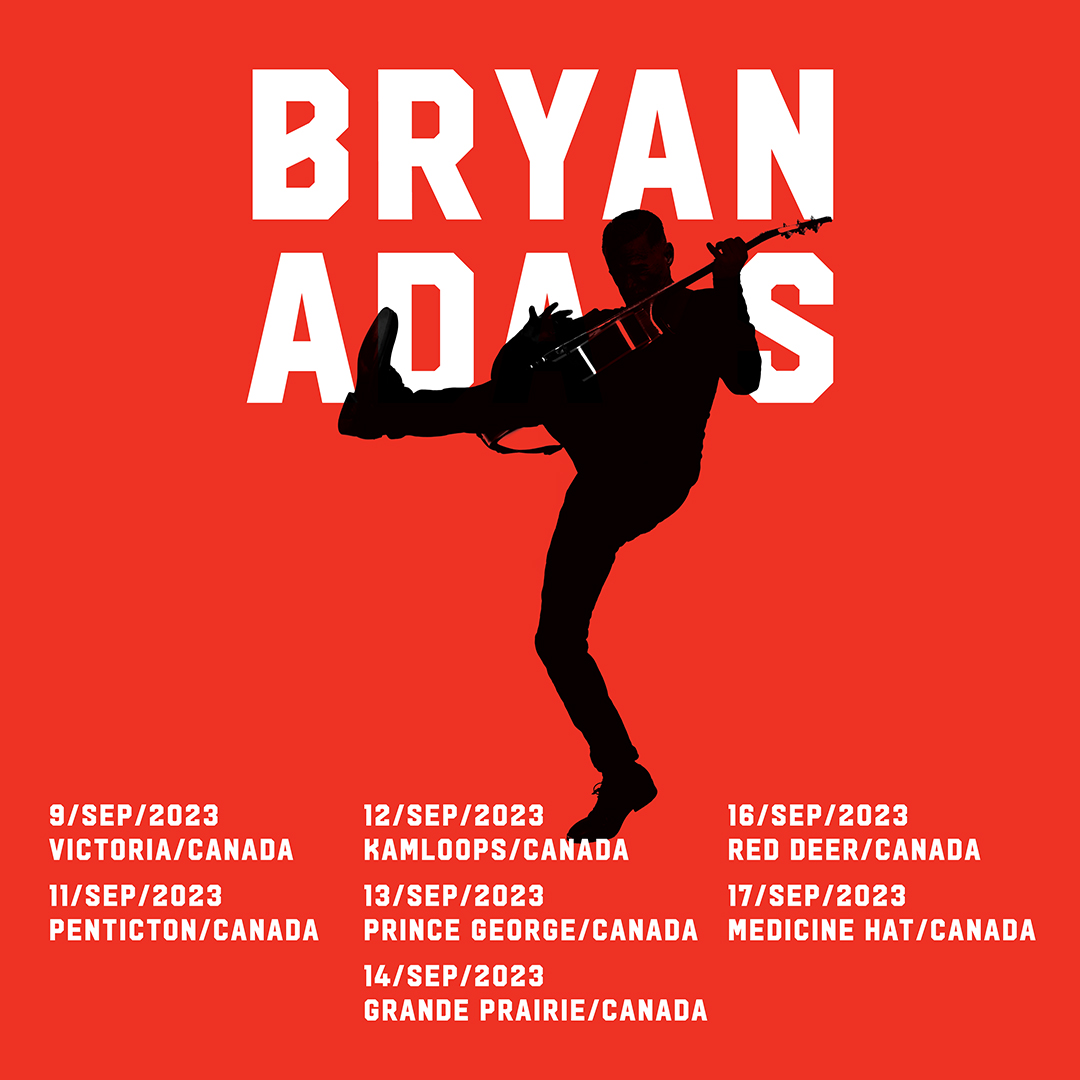
Bryan has announced more dates in Western Canada on his widely successful So Happy It Hurts Tour, hitting cities across BC and Alberta this September!
Artist Pre-sale starts Tuesday at 10am local.
Use promo code: BATOUR Get tickets at: https://t.co/RErItAefyu
#SoHappyItHurtsTour
Saskatchewan: Agriculture
Saskatchewan annually exports over $3.3 billion in cereal grains, oilseeds, pulses and edible oils. The province is also a world leading producer and exporter of crops such as mustard seed and canary seed.













![JustBins's tweet photo. A tornado touched down in Maple Creek on Saturday.
📲 dreerwinphotography [Instagram] https://t.co/yF3F60kSNp](https://pbs.twimg.com/media/GrZTZ6iWcAA7V46.jpg)