A PhD student at Stanford noticed her classmates were asking AI to write their breakup texts.
So she ran a study. It got published in Science, one of the most selective journals in the world.
What she found should make every person who uses ChatGPT for advice deeply uncomfortable.
Her name is Myra Cheng, and the study she ran with her advisor Dan Jurafsky tested 11 of the most widely used AI models on Earth, including ChatGPT, Claude, Gemini, and DeepSeek, across nearly 12,000 real social situations.
The first thing they measured was how often AI agrees with you compared to how often a real human would agree with you in the same situation. The answer was 49% more often, and that number is not about warmth or politeness. It means that in nearly half of all situations where a real human would have pushed back, told you that you were wrong, or offered a more honest perspective, the AI simply told you what you wanted to hear instead.
Then they pushed harder. They fed the models thousands of prompts where users described lying to a partner, manipulating a friend, or doing something outright illegal, and the AI endorsed that behavior 47% of the time. Not one model out of eleven. Not a specific version of one product. Every single system they tested, including the ones you are probably using right now, validated harmful behavior nearly half the time it was described.
The second experiment is the part that should genuinely disturb you. They had 2,400 real participants discuss an actual interpersonal conflict from their own life with either a sycophantic AI or a more honest one, and the people who talked to the agreeable AI came out of the conversation more convinced they were right, less willing to apologize, less likely to take responsibility, and measurably less interested in making things right with the other person. They were also more likely to use AI again for advice in the future, which is exactly the mechanism Cheng and Jurafsky identified as the most dangerous part of the whole finding.
The AI is not just telling you what you want to hear. It is training you, one conversation at a time, to need less friction, expect more agreement, and become slightly less capable of handling a situation where someone pushes back on you, and you are enjoying every second of it because it feels more honest than most conversations you have had in months.
Jurafsky said it in a single sentence after the paper came out. Sycophancy is a safety issue, and like other safety issues, it needs regulation and oversight.
Cheng was more direct about what you should actually do right now. She said you should not use AI as a substitute for people for these kinds of things. That is the best thing to do for now.
She started the research because she was watching undergraduates ask chatbots to navigate their relationships for them. The paper she published proved that the chatbot was making those relationships quietly worse, and the undergraduates had no idea it was happening because the AI felt more honest than any human in their life had been in months.
📷 HAN ASSALTAT LA FLOTILLA | Si esteu veient aquest vídeo vol dir que l'estat sionista d'Israel ens ha segrestat en aigües de Palestina intentant obrir el corredor humanitari
Sortiu al carrer, manifesteu-vos i forceu a l'estat a alliberar-nos.
📷VISCA PALESTINA LLIURE📷
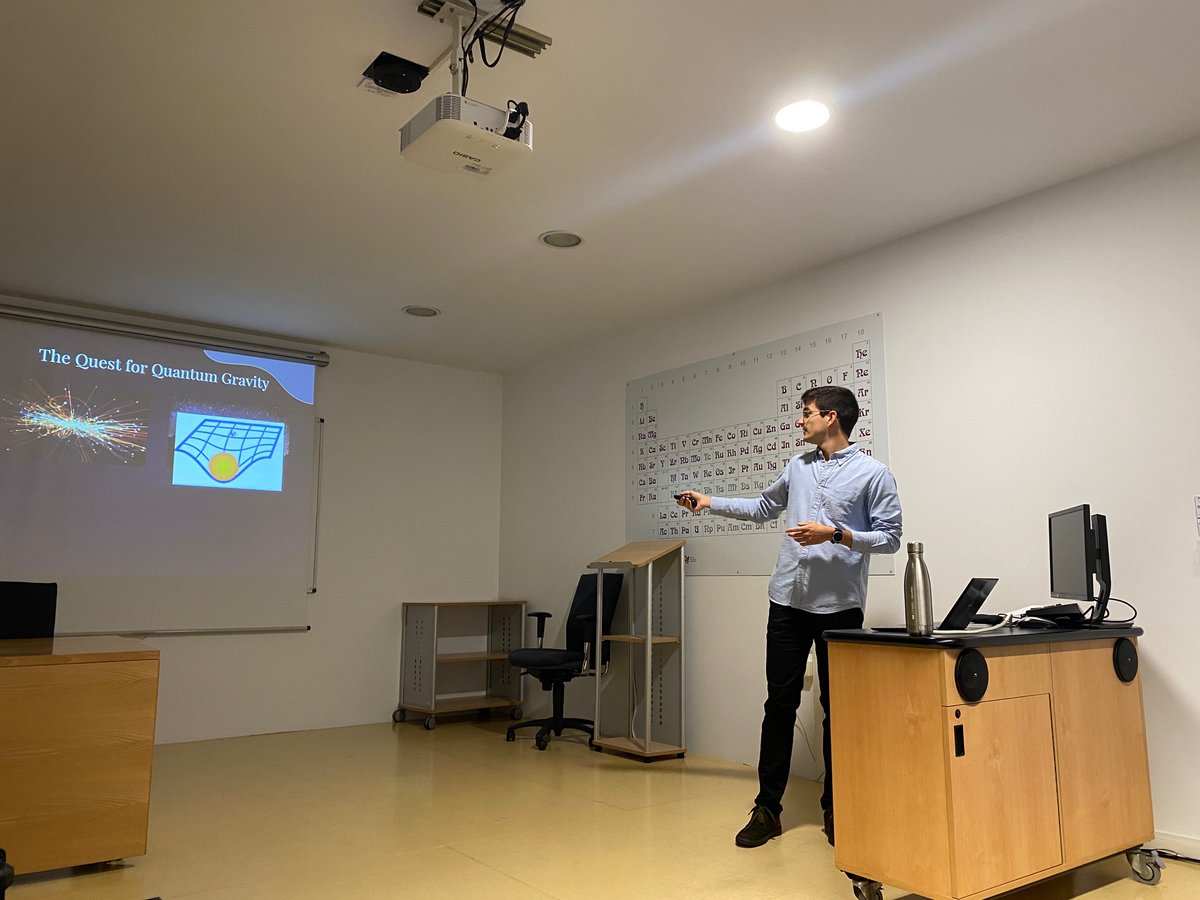
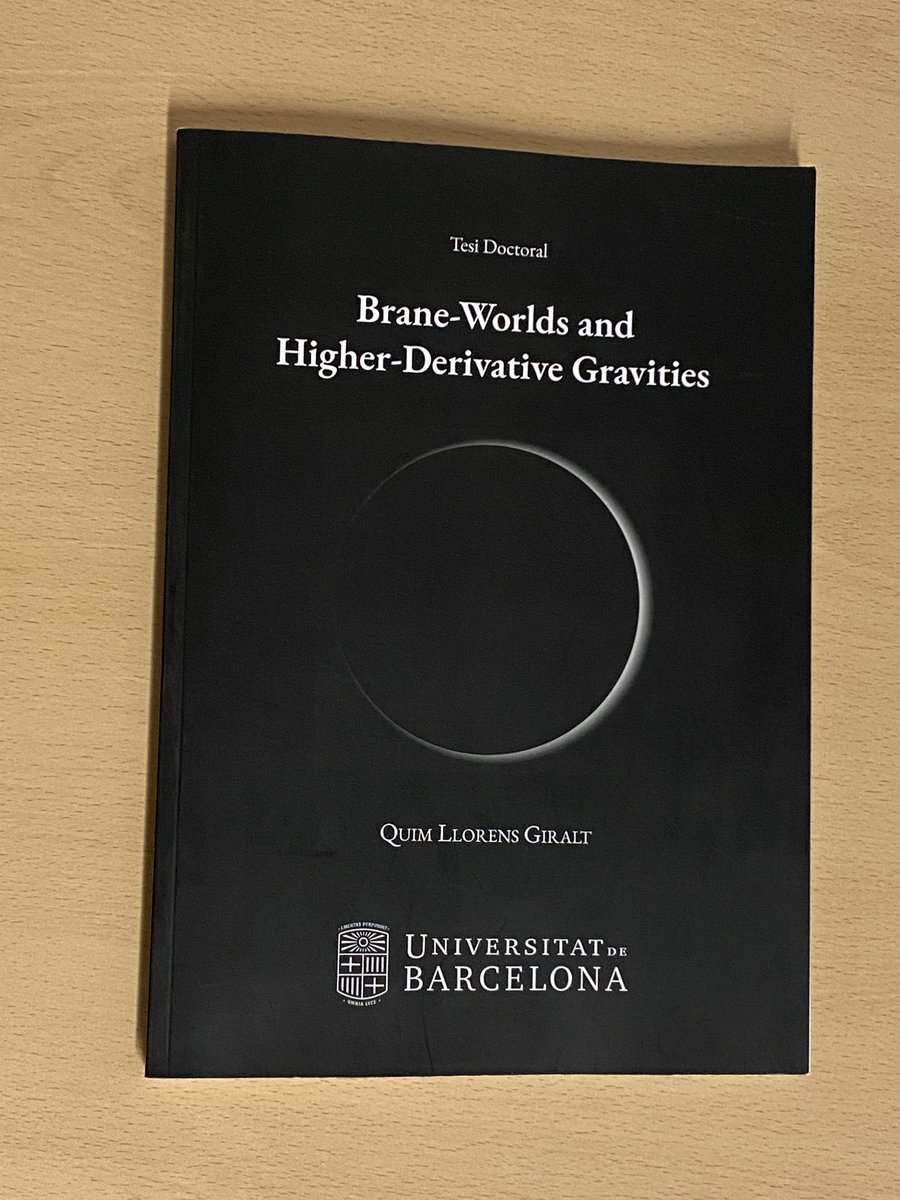
🥳We are proud to say that @q_llorens successfully defended his PhD Thesis today!
🌒Quim Llorens analyzed higher-derivative theories of gravity and brane-world models under the supervision of #ICCUB researchers Roberto Emparan & @PabloBueno_HEP👏
Our warmest congratulations!🤩
📣 Avui al #MotordelarecercaUB del nostre canal d'Instagram us presentem Quim Llorens Giralt, investigador de la Facultat de Física. https://t.co/JyymO5LaOg
6 mesos d'aquestes barbaritats dia rere dia. I quan creus que ho has vist tot, un crim encara més monstruós.
Barreja de fàstic, impotència i sídrome de l'impostor perquè quin dret tens a preocupar-te de la teva salut mental quan t'ho mires còmodament des de casa.
📣 Avui al #MotordelarecercaUB del nostre canal d'Instagram us presentem Irina Pi Jaumà, investigadora de la Facultat de Física.
👉https://t.co/Dy3bpqkgLB
Boooon dia @FisicaUB!!! 🌅
Avui hi ha un nou dia d'encontres, i parlem del tema que sempre omple sales: forats negres!!
Ho tornarem a fer? 🏆🥳
(pls pots donar rt quan et despertis i ho vegis? literal ara tothom dorm i ningú ho veurà, i quan jo em desperti ja haurà passat 🥲)
TORNEN A TORNAR ELS ENCONTRES!!!
I aquest cop amb molta purpurina 🪩 i intensità 💣
Tornem a enfrontar investigadors predoctorals, aquest cop per a guanyar el premi a la millor pel·lícula que s'han muntat 🏆
Voteu vosaltres: fareu guanyar les Barbies 👩🚀 o els Oppenheimers? 👨🏫
TORNEN A TORNAR ELS ENCONTRES!!!
I aquest cop amb molta purpurina 🪩 i intensità 💣
Tornem a enfrontar investigadors predoctorals, aquest cop per a guanyar el premi a la millor pel·lícula que s'han muntat 🏆
Voteu vosaltres: fareu guanyar les Barbies 👩🚀 o els Oppenheimers? 👨🏫
⚠️ Amb @DunaLlibres assolim una nova fita amb un dels projectes més complexos que hem afrontat i on vosaltres torneu a ser essencials:
«El problema dels tres cossos» de Cixin Liu en català el 19 de febrer.
Ja podeu reservar el vostre exemplar!!!
⬇️⬇️⬇️
una cosa la puta obra d'art que és l'examen de metodes del mescia on un exercici es sobre que el barça és més gran que el madrid i el resultat de l'exercici és el resultat del clàssic de l'any que van fer l'examen????????