All puff, no power? ACEN surrenders 13 wind and solar contracts, including 2,272 MW of planned offshore wind capacity. Years of ambition, not a single turbine built on the two offshore projects. Puro laway?
https://t.co/UdGR8OS1M7
Manny V. Pangilinan has seen his share of crises in 45 years of business. But he says nothing compares to what companies are facing today—not even COVID-19.
And he expects 2027 to be even tougher.
https://t.co/ybVpPVOqWp
Normal in energy develoment. Service contracts are merely potential sites. You need to have alignment from technical, regulatory to financial viability for a project to commence.
Kaya nung tinira ng DOE ung service contracts ni Lean, alam mo nang fishy.
https://t.co/YEJxVBV0uC
JUST IN: The Bangko Sentral ng Pilipinas (BSP) says the country is facing a difficult combination of high inflation and slowing economic growth but has not directly confirmed whether the Philippines is already experiencing stagflation.
“We are carefully assessing the implications of the latest growth data for the inflation outlook,” the central bank said in a written statement to Bilyonaryo News Channel.
The BSP said it would consider weak consumer demand in its future monetary policy decisions while keeping inflation expectations under control. | via Che Sulit, https://t.co/9R0Mcay5im
In 2009, a grandfather in Bataan obtained a second birth certificate for his grandson, identifying himself and his wife as the child’s parents. The document was inaccurate, but the circumstances were more complicated.
The child’s parents had separated, and his grandparents had assumed responsibility for raising him. The second birth certificate was used to enroll him in school and obtain a passport.
Years later, the grandfather, Benito Somo, was convicted of two criminal offenses arising from that act. What began as an attempt to provide for his grandson eventually turned into a criminal case carrying the possibility of imprisonment.
In Somo v. People of the Philippines, G.R. No. 256102 (August 26, 2026), the Supreme Court, through Justice Alfredo Benjamin Caguioa, acquitted him.
The Court explained that simulation of birth is a malum in se offense, meaning criminal intent must be established. A false birth registration alone does not necessarily establish criminal liability. The prosecution must prove that the accused intended to deprive the child of his true identity and civil status. That intent was not established in Somo’s case.
The decision is important because it recognizes that the circumstances surrounding an act matter in determining criminal responsibility. An inaccurate birth record is a serious matter, but the law must distinguish between someone deliberately seeking to conceal a child’s identity and someone acting out of concern for the child’s welfare.
THE UNEQUAL BURDEN OF BUREAUCRACY
Beyond its legal reasoning, Justice Caguioa’s opinion makes an important observation about Philippine society.
Many Filipinos who resort to simulated birth registrations are well-meaning individuals, often from poorer households. They may lack the financial resources, legal knowledge, or practical ability to navigate formal adoption procedures. Some may not even know that legal alternatives exist.
This reflects a larger problem with our legal and administrative systems.
For wealthier Filipinos, legal compliance often means hiring lawyers, preparing documents, and paying the necessary fees. For poorer households, the same requirements can mean lost wages, repeated trips to government offices, and dealing with procedures they barely understand.
Consider a grandmother raising an abandoned grandchild, or an aunt caring for a niece whose parents can no longer provide for her. These informal family arrangements are common in the Philippines. Yet formalizing them can require time, money, and legal assistance that many households simply do not have.
The law may impose identical requirements on everyone, but the burden of complying with those requirements is rarely equal.
This is one of the harsh realities of our justice system. A rule can be neutral on paper while imposing disproportionately heavy consequences on those with the fewest resources. When compliance becomes expensive, complicated, or inaccessible, the people most in need of legal protection may also be those most vulnerable to prosecution.
JUSTICE REQUIRES MORE THAN ENFORCEMENT
Of course, the government must protect the integrity of civil records. Birth certificates establish legal identity, parentage, citizenship, and inheritance rights. Good intentions cannot automatically excuse falsification, particularly when a child’s legal rights may be affected.
But there is a difference between protecting the public and imposing criminal punishment without establishing the necessary intent. The Supreme Court recognized that distinction.
The Court also invited Congress to clarify the law concerning criminal intent. Equally important, however, is making adoption and civil registration procedures simpler, more affordable, and accessible to ordinary Filipinos.
Legal assistance and public information should be available to families who need them. Administrative processes should be designed around the realities of the people who use them, rather than assuming that everyone has the resources to hire professionals or repeatedly visit government offices.
Ultimately, the rule of law requires consistent enforcement, but it also demands a legal system that people can realistically comply with. A government that imposes complicated legal obligations has a corresponding responsibility to make compliance reasonably accessible.
Otherwise, we risk punishing people for finding imperfect solutions to problems that functioning public institutions should have helped them solve.
Justice Caguioa’s opinion reminds us that the law must be applied with an understanding of the circumstances in which people live. The protection of legal rights and the recognition of human circumstances are not incompatible principles.
Both are essential to a fair justice system.
Justice should protect the vulnerable, not make their circumstances even more difficult.
(✍️: Von Cuerpo)
#radarPHBusiness #radarPH
1000% AGREE!
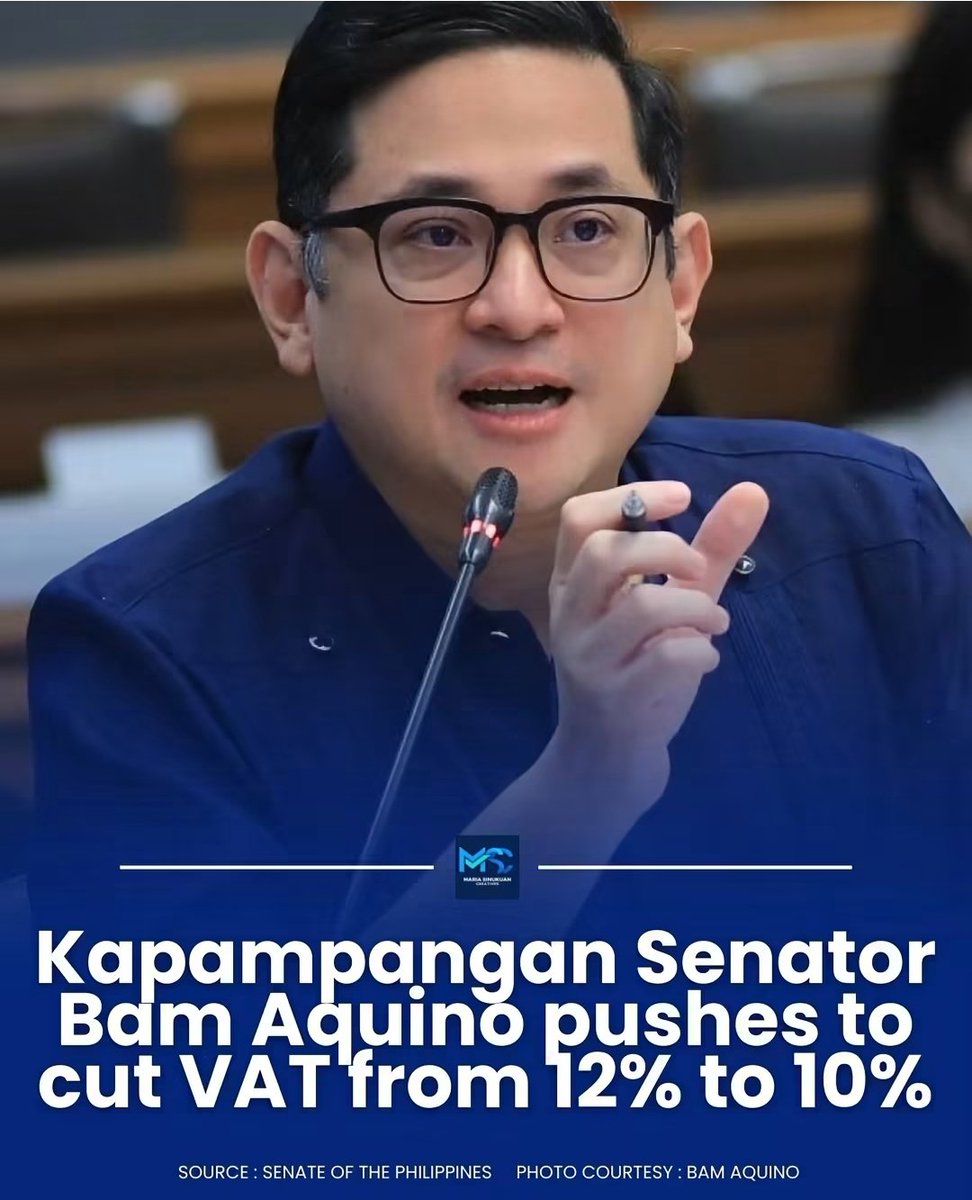
Senator Bam Aquino has filed a bill seeking to reduce the Value-Added Tax (VAT) from 12% to 10% on goods and services to help ease consumer expenses and provide a long-term solution amid economic crises.
GCash will introduce a new payment feature that will allow Filipinos to pay for purchases even without cellular signal or mobile internet access. It will also allow users to make payments simply by unlocking their smartphones and tapping them against an NFC-enabled payment terminal, without opening the GCash application or logging into their accounts.
READ: https://t.co/2zwq7xA7LK
The Philippine economy is in trouble.
Citi Bank has declared that the Philippine economy has entered stagflation as rising inflation, increased unemployment and low investments due to successive corruption scandals rocking the government cripples what was once one of the fastest growing economy in Asia.
https://t.co/tPCKlWKqix
My column today: It can no longer be business as usual, otherwise the exchange rate will be P70 to the dollar before we know it, inflation will be double digit and there will be a lot of angry and hungry people in the streets. https://t.co/TrcPpJLSSl
The rising cost of running a business in the Philippines has forced another homegrown brand to call it quits, with the founder of gummy vitamins brand NutriChews citing taxes, government fees, inflation, and mounting online selling expenses among the reasons for its closure.
In a Facebook post, entrepreneur Airon dela Cruz announced the decision to shut down the business, saying the company had tried to keep it afloat but could no longer sustain operations.
"Nilaban namin pero wala talaga," dela Cruz said in a Facebook post, pointing to what he described as "never-ending" taxes and government charges, along with high selling costs on e-commerce platforms Shopee and Lazada and expensive advertising.
"It's really not the best time to be a business owner in the Philippines," he added.
Dela Cruz said he had gone a year without drawing a salary to help keep the business running.
NutriChews was born out of dela Cruz's personal experience growing up in a family that could barely afford food, let alone vitamins. With the brand, he wanted to give parents an affordable way to support their children's nutrition through gummy vitamins containing 12 vitamins in one product. He also said NutriChews used the same manufacturer as Watsons instead of sourcing its products from cheaper factories in China.
As the business winds down, dela Cruz is offering part of its remaining inventory at a loss, with three bottles of NutriChews being sold for ₱599, down from the regular price of ₱1,500.
He said proceeds from the discounted sale would go toward paying the employees and people handling the packing and shipping of orders, rather than generating profit for the business.
The announcement adds another example of a business owner publicly discussing the difficulties of keeping a venture afloat amid rising costs.
For small business owners, generating sales may not be enough to sustain operations when taxes, government fees, marketplace charges, advertising, and other expenses continue to eat into their earnings.
(✍️: Kenneth M. del Rosario)
#radarPHBusiness #radarPH
'IF IT'S GOING TO PURE AYUDA AND USED FOR PATRONAGE POLITICS, IT'S NOT GOING TO HELP OUR GROWTH'
Former Central Bank Governor Jose Cuisia Jr. is urging the government to adopt an austerity budget, saying at least 20% of national spending could be cut by eliminating wasteful expenditures.
On #BankeroUnfiltered, Cuisia questions the size of allocations for government offices, including the House of Representatives, Senate, and Office of the President. He also cautions against using ayuda as a tool for patronage politics, proposing instead that financial assistance follow rules-based programs like 4Ps.
Cuisia says funds should be directed toward productive investments, such as infrastructure, to help support economic growth.
#FrontlinePilipinas | Abo ng ibang tao umano ang inilalagay sa urn ng mga customer ng isang crematorium sa Parañaque.
Kung minsan naman, sabay-sabay raw ang pag-cremate sa mga katawan.
명품 매장에서 무시당하자 현금 1억 원을 가져와 기막힌 복수를 감행한 한 여성의 사연이 뜨거운 화제를 모으고 있습니다
명품매장에서 물 요구 외면당하고 착용 거부당했던 여성 본사에 항의했음에도 제대로 된 답변을 받지 못하자, 두 달 뒤 현금 약 1억 1,200만 원을 가방에 담아 다시 매장을 찾았습니다
여러 벌의 옷을 고른 뒤 전부 구매하겠다며 현금 뭉치를 건넨 여성. 두 명의 직원이 두 시간 동안 땀을 뻘뻘 흘리며 지폐를 다 세자, 그녀는 덤덤한 한마디를 남기고 돌아섰습니다.
"마음이 바뀌었어여 안살께요" ㅋㅋㅋ 졸라 카리스마 있네요 ㅎㅎㅎ
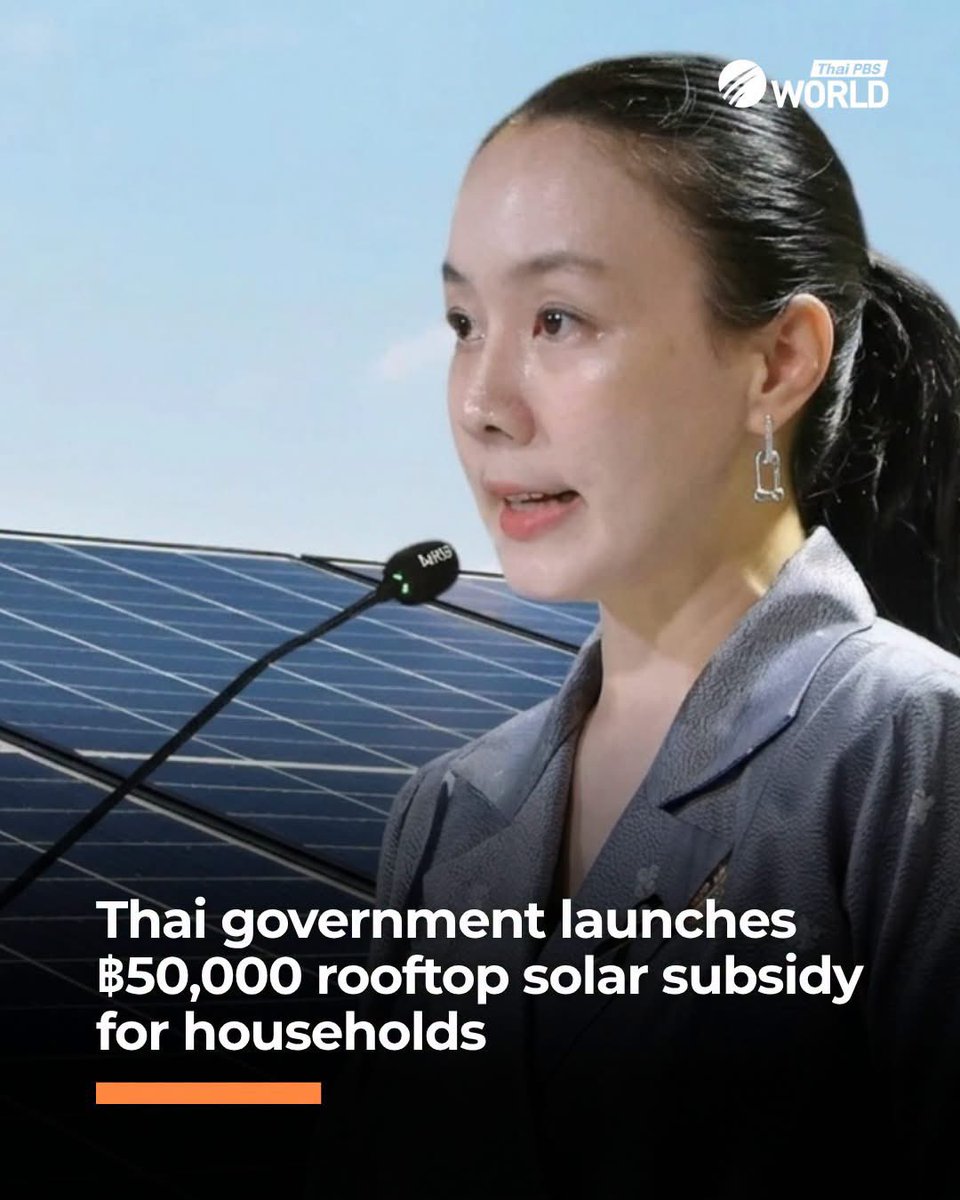
Not only is the cost of residential electricity in Thailand just 4 baht (Php 8) per kWh, or HALF the rate in the Philippines, but their government is promoting use of solar with a 50k baht (Php 100k) subsidy per household, making electricity even MORE AFFORDABLE for its citizens. And they are doing it for at least ONE MILLION households.