For the first time ever, JWST has detected auroras on Neptune. After more than 30 years of eluding detection from Earth, Neptune’s faint polar glow has finally been caught by the James Webb Space https://t.co/Ea4IE5h9at observations made in June 2023, JWST’s near-infrared camera picked up clear signatures of trihydrogen cations (H₃⁺) — molecules that form when energetic particles from the Sun slam into the planet’s upper atmosphere and light it up. The international team, led by Henrik Melin at the University of Leicester, made the breakthrough discovery.Voyager 2 gave us the first hints of Neptune’s auroras during its 1989 flyby, but no telescope had been able to confirm them since. Now we understand why: Neptune’s upper atmosphere has dramatically cooled — by several hundred degrees — over the last three decades. As a result, the auroral emission has faded to just 1% of its 1989 brightness.A distant ice giant quietly dimming its lights… until JWST’s powerful infrared eyes finally revealed the ghostly glow once again.This detection not only confirms Neptune’s auroras but also gives us a rare window into how the planet’s atmosphere is changing over time. Another beautiful example of how JWST is rewriting our understanding of the outer solar system
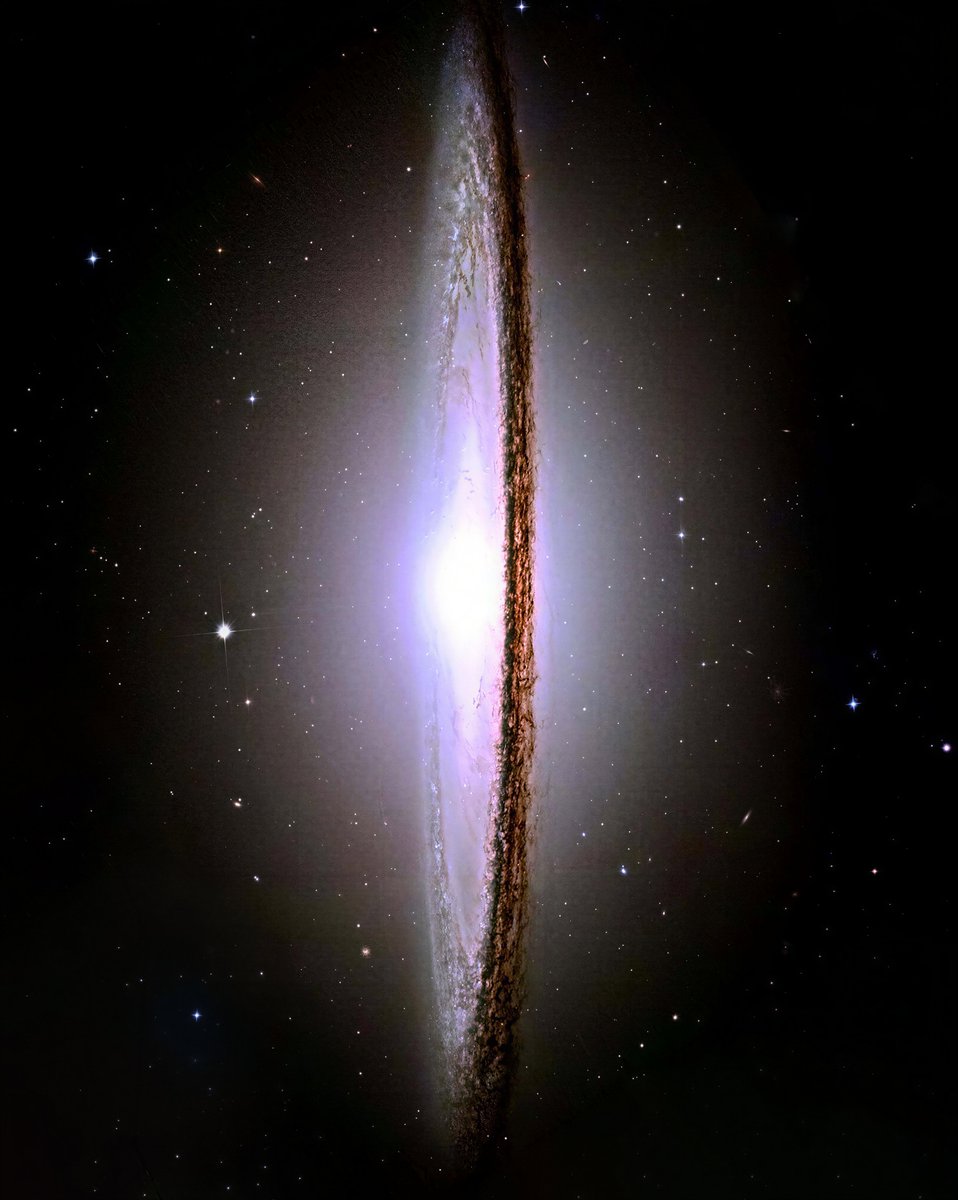
The storm of 800 billion stars.
The light in this photograph is 28 million years old.
It left this galaxy before humans existed.
It crossed unimaginable distances in cold silence — for 28 million years — to end its journey hitting a telescope we built.
Just so you could scroll past it on your phone.
Try to feel that for a second.
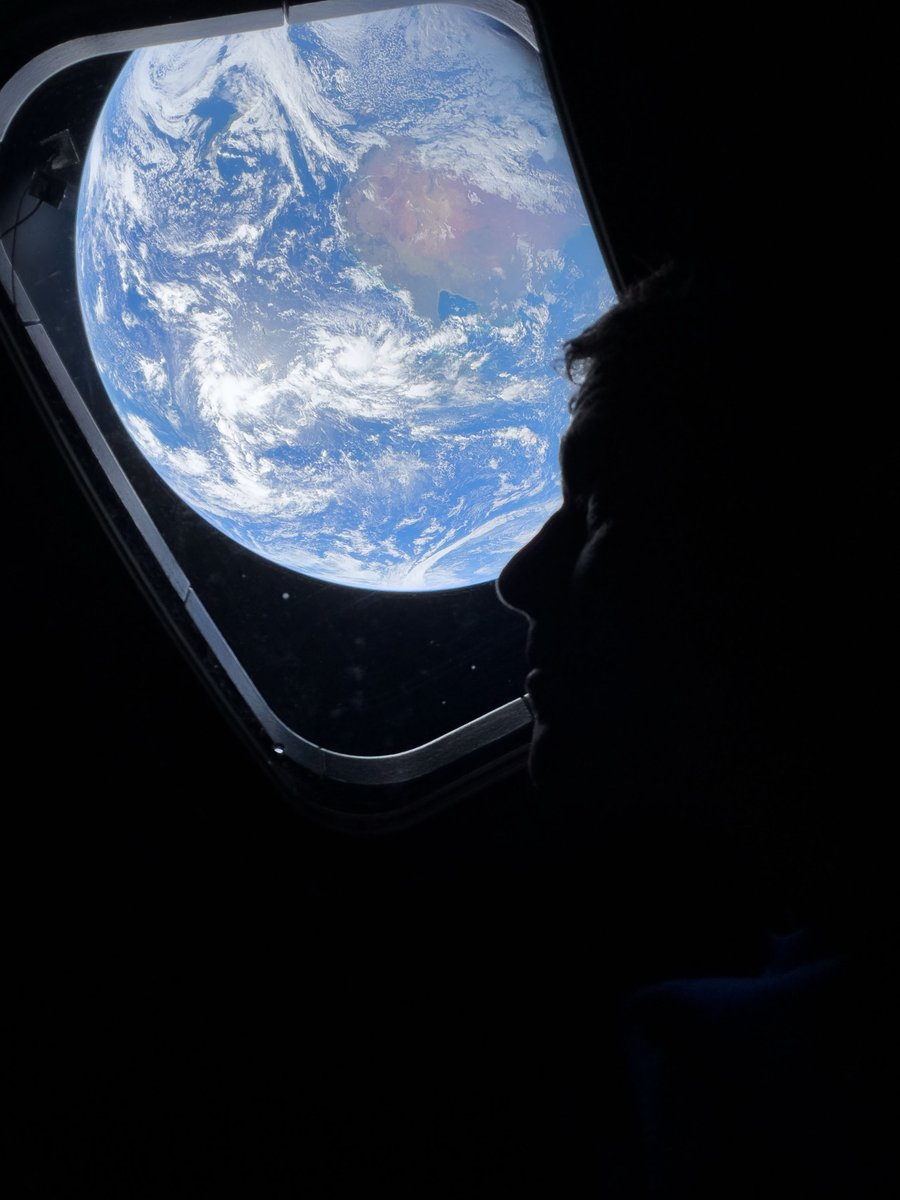
One last look at Earth before we reach the Moon.
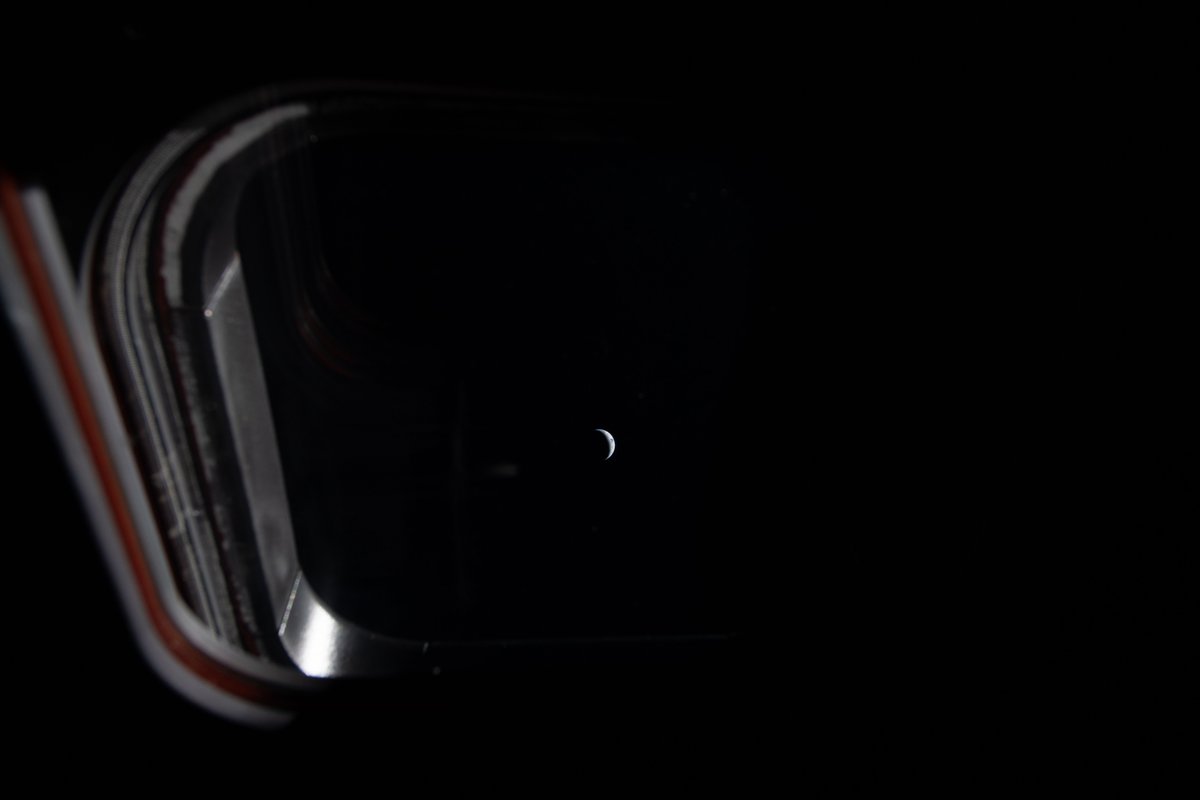
This view of the Earth was captured on April 5, the fourth day of the Artemis II mission, from inside the Orion spacecraft. The four astronauts will reach their closest approach of the Moon tomorrow, April 6.
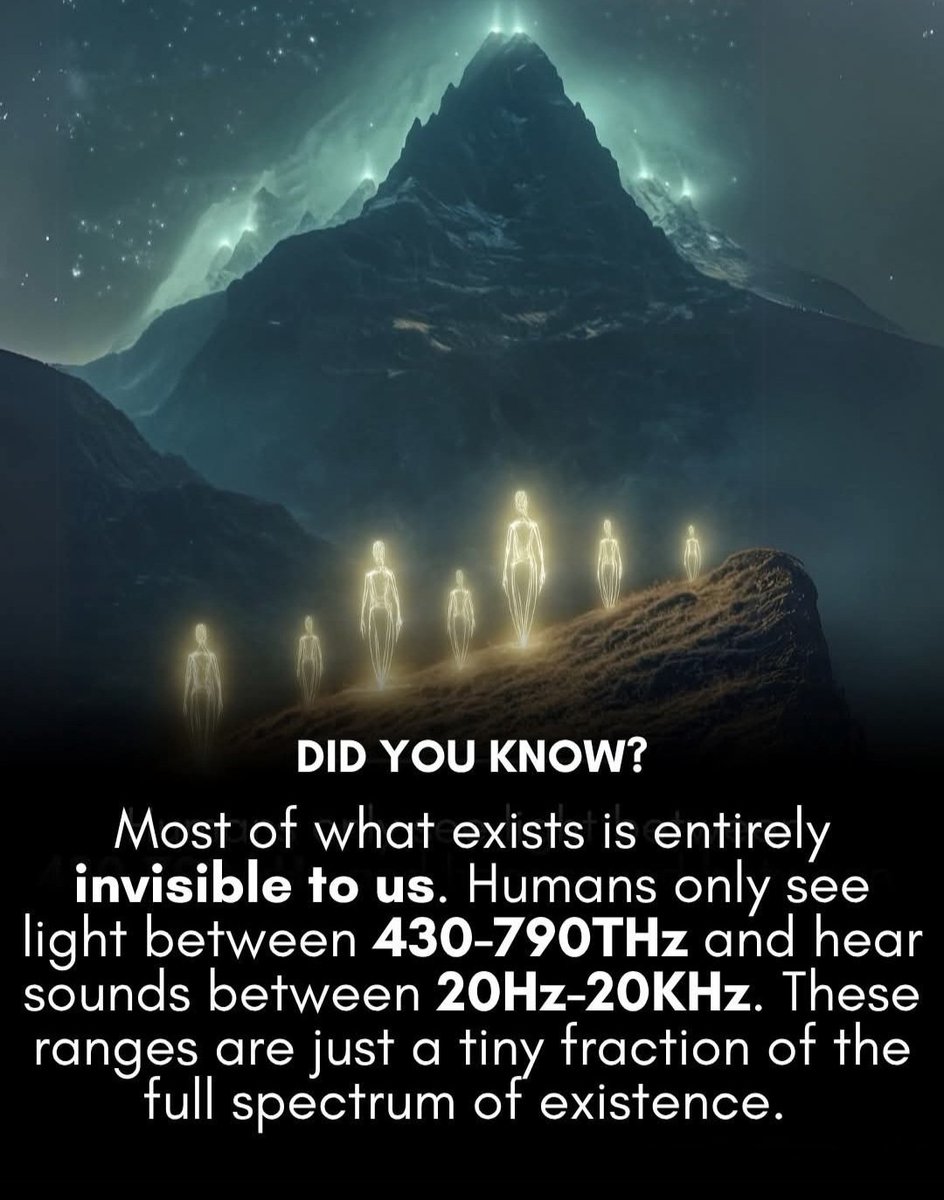
🚨 95% of the universe — of physical reality — is entirely invisible to us.
Scientific estimates suggest that 95% of the cosmos—comprising dark matter and dark energy—remains entirely undetectable without specialized instruments.
But that's not all.
Even within our own environment, much of reality escapes us: our eyes can only detect a narrow band of visible light, and our ears are tuned to a limited range of sound frequencies. Yet, beyond those bounds lies a universe filled with ultraviolet rays, radio waves, and ultrasonic signals that shape our world in subtle but powerful ways.
From deep-sea whale calls to neutrinos streaming through our bodies unnoticed, modern science is only beginning to uncover the vast unseen forces at play.
Tools like infrared cameras and particle detectors help bridge this sensory divide, but the question remains: how much of reality are we still blind to? As our understanding deepens, the invisible universe challenges our perception of what’s real—and how much more there is to discover.
There have been thousands of generations of humans, and you are alive to witness the first photo of a Sunset on another World.
This is a real photo of the sunset on Mars.
Locking the camera to the stars instead of the horizon changes everything.
It’s actually kind of terrifying to see the Earth spinning beneath us like this. 🌍🌌
Forever one of the most surreal moments captured in space 🤙
A timelapse video of europa and io passing over Jupiter’s great red spot made using hundreds of images from Cassini
PSA: When I post my photos in this format, it’s because I want you to save them and use them as phone wallpapers.
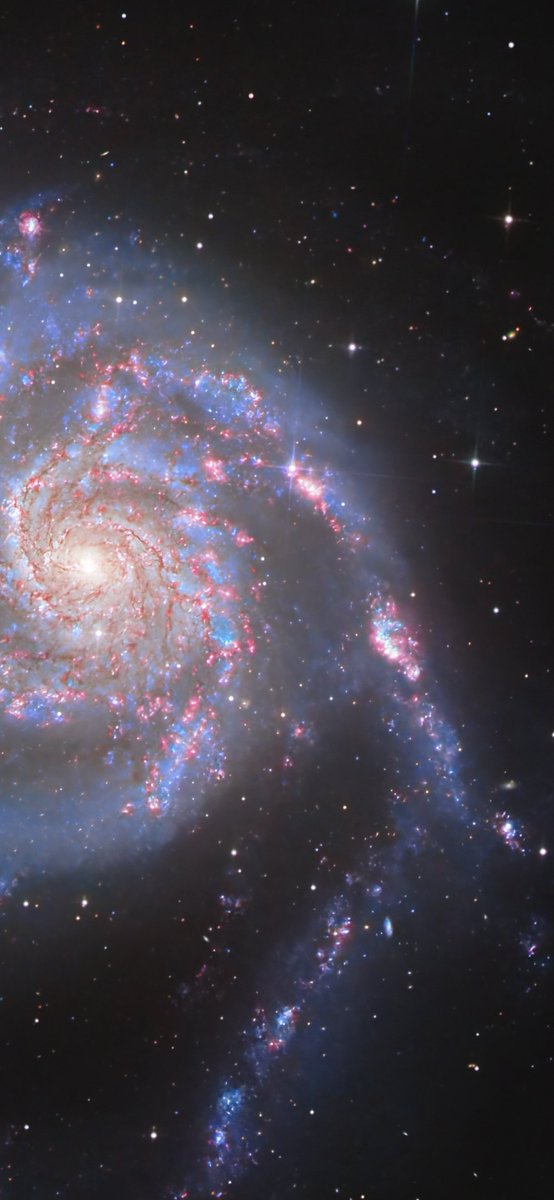
Anyways, here’s my photo of the pinwheel galaxy featuring a supernova.
More coming 🤓
🚨: Near a black hole, time itself slows turning minutes into centuries and reality into a cosmic illusion of gravity!
Time doesn’t flow the same everywhere and black holes prove it. According to Einstein’s theory of general relativity, gravity doesn’t simply pull; it bends space and time itself.
Nowhere is this distortion stronger than near a black hole, where gravity is so extreme it can make time nearly stand still. If you hovered near its event horizon, your minutes could equal centuries on Earth. To you, everything would feel normal but the universe outside would race ahead.