Science Geek with a Strong Humanities Interest. Current interest - Startups, Salsa, Event Management.
Bearing witness to atrocities. #WhatsHappeninginMyanmar
I'm a cardiologist. A woman loses her husband. Two days later she's on my cath lab table — chest pain, EKG changes, enzymes elevated. Everything says heart attack.
I thread the catheter. Her arteries are pristine.
Her heart didn't clog. It shattered. From grief.
Takotsubo — broken heart syndrome. Stress hormones stun the ventricle so severely it balloons and stops pumping. 90% of cases are women. Your heart can literally break. Not a metaphor. Physiology.
But this is just one blind spot in a system built for men's hearts.
Women get microvascular disease — plaque in vessels too small for angiograms to see. Heart attacks with "clean" arteries.
Women get SCAD — leading cause of heart attack under 50. Most doctors have never diagnosed one.
Women present with fatigue, jaw pain, nausea, back pain. Medicine called these "atypical" for decades. They're not atypical. They're female-typical.
Half of humanity is not a variant.
Heart disease kills more women than every cancer combined. Fewer than half know.
Three things every woman needs to hear:
Say these exact words to your doctor: "I am concerned this could be my heart." That sentence changes everything. Don't soften it.
If tests are "normal" but symptoms persist — demand CT angiography or cardiac MRI.
If you had preeclampsia — your cardiac surveillance starts now. Not at 65.
Your heart can break from grief, from stress, from a system that wasn't built to see you.
It can also heal. If someone finally looks.
Share this with every woman you love.
COFFEE: Is it a friend or Foe?
Coffee is one of the most consumed beverages in the world. Yet myths about it refuse to die.
Let us separate facts from fiction. Bookmark this thread for future reference, and share for wider reach. Post your comments below.
1/n
Coffee is NOT just a wake-up drink.
Coffee contains hundreds of biologically active compounds, including polyphenols and antioxidants. In fact, for many people, coffee is one of the largest sources of antioxidants in the diet.
France already made this the law. Any car park with 80 or more spaces has to cover half of it in solar panels, or pay a fine of 50 euros per space every month. The government said it could add as much power as ten nuclear reactors.
The hard part is building it. Carrefour, a French supermarket chain, is putting solar roofs over 180,000 of its parking spaces, enough to power the stores below. Disneyland Paris covered its main lot, which fits 11,200 cars. One car factory parks its staff under 64,000 panels that run about a third of the plant.
The reason people want this is land. If the US copied France, its parking lots could hold up to 800 gigawatts of solar. The whole US grid runs on about 1,144. A Yale study found that car parks in Connecticut could power more than a third of the state on their own.
Then comes the cost. Putting panels in a field is cheap, because they sit on simple metal racks near the ground. Putting them over a car park means a custom steel roof, strong enough to stand over moving cars and hold up in high wind, built without closing the lot. At that scale, a car park roof costs about $3.20 a watt. The same panels in a field cost closer to $1.90.
That price gap is why the rules keep getting weaker. France softened its own law in 2025, letting owners plant shade trees instead, though the biggest lots are still due by 2026 and the rest by 2028. The UK studied the idea for a year, then dropped it in May 2026, once it found that fitting an 80-space car park would cost around £140,000 and save about £28,000 a year.
The picture is right about one thing. Car parks really are the smarter place for solar: no farmland used up, shade for your car, and power made right where it is needed. The catch is that the smarter spot to build is also the more expensive one, which is why fields keep getting chosen.
A British physiologist named Brett Gooden published a paper in 1994 that quietly proved every human walking around on this planet has an emergency reset button hidden in the skin of their face, and almost nobody knows how to use it.
His name is mostly forgotten outside diving medicine. The paper is called "Mechanism of the Human Diving Response," and the body of research it kicked off has been replicated by neuroscientists, cardiologists, and physiologists in labs across the world for the last thirty years.
The mechanism it described is the single fastest way to lower a human heart rate that has ever been documented.
The discovery actually began long before Gooden formalized it. Physiologists had noticed for decades that seals, whales, dolphins, and otters could slow their heart rates dramatically the moment their faces touched water, allowing them to dive for long periods without running out of oxygen.
The question Gooden helped answer was whether the same reflex existed in humans, and what exactly triggered it.
The answer turned out to be a network of nerves almost nobody outside neurology had paid attention to.
The trigeminal nerve is one of the largest nerves in your head, and it covers the entire surface of your face, especially the area around your eyes, nose, forehead, and mouth. When cold water touches that skin, the trigeminal nerve fires a signal straight into the brainstem, which then routes a command through the vagus nerve directly to the heart.
The vagus nerve is the master switch of your parasympathetic nervous system, which is the part of the body responsible for calm, recovery, and the slowing of the heart.
The entire signal chain takes about a second to complete. Cold water hits the face. Trigeminal nerve fires. Vagus nerve responds. The heart slows.
Human heart rate has been documented to drop anywhere from 5 to over 50 percent during this response, depending on the temperature of the water, how much of the face is covered, and how strongly the person is holding their breath.
In infants the response is so powerful that it has been implicated in cases of Sudden Infant Death Syndrome, because the same reflex that protects a baby underwater can be triggered accidentally by bedding pressed against the face during sleep.
The reflex is called the mammalian dive reflex, and the broader nerve circuit it sits inside is called the trigeminocardiac reflex.
Researchers who study it now consider it the single most powerful autonomic reflex in the human body, which means it is faster and stronger than almost any other automatic response your nervous system is capable of producing.
The detail Gooden zeroed in on is the part that should matter most to anyone who has ever had a panic attack, a racing heart at 3am, or a moment of overwhelming anxiety they could not breathe their way out of.
Two ingredients trigger the response. The water has to be cold, ideally under about 15 degrees Celsius, and it has to touch the area around the forehead, eyes, and nose. The skin of the cheeks and chin alone is not enough.
The receptors that fire the reflex are concentrated in the upper face, which is exactly the part of a seal that hits the water first when it dives. Evolution kept that wiring intact in humans even though we stopped diving for our food a long time ago.
This is why splashing cold water on your face during a moment of panic actually works. It is not psychological. It is not a placebo. You are activating a neurological circuit that has been sitting in your body since before your species walked upright, and the circuit does exactly what it was built to do.
A psychiatrist at Harvard named Marsha Linehan eventually wrote this exact protocol into a dialectical behavior therapy technique she called the cold water dive, which she taught to patients in acute emotional crisis. The instruction was simple.
Fill a bowl with cold water and ice. Hold your breath. Submerge your face from the forehead down to the chin for thirty seconds. Within the first ten seconds, the heart begins to slow. By the time the face comes out of the water, the body has shifted out of fight-or-flight and into the parasympathetic state that makes thinking clearly possible again.
Emergency room physicians have used the same trick to reset abnormal heart rhythms in patients with certain types of tachycardia for decades. They call it the diving reflex maneuver.
A bag of ice water held against the face for fifteen to thirty seconds can convert a runaway heart rhythm back to normal without a single drug being administered.
Same nerve. Same reflex. Same biology your ancestors used to hunt for fish underwater two hundred thousand years ago.
The strangest part of all of this is how few people know it exists. The cold plunge industry has built itself into a billion-dollar movement based on full-body cold exposure, ice baths, and dramatic protocols that require expensive equipment and serious commitment.
But the fastest, most underrated nervous system reset available to a human being requires a sink, a few seconds, and the upper half of your face.
Your nervous system has an emergency brake. You were born holding the handle.
I swallowed a miniature computer
drew my blood six times
sat in a 200°F dry sauna for 56 min
felt like I was going to die from the heat
and paid $21,093 for specialty biomarkers…
To ask a question: do sauna benefits depend on time, or body temperature?
This experiment has never been done before.
Results:
1) Sauna benefits depend on how hot your body gets, not how long you sit in the sauna
2) Heat shock protein 27 (HSP27), one of the molecules that drives sauna's longevity benefits, only switched on when my core body temperature held above 102.2°F (39°C) for about 15 minutes.
3) Reaching that took 56 minutes at 200°F (93°C), with ice on my face, neck, and groin.
4) This challenges the generic advice that 20 minutes of sauna is enough.
What this means for you:
1) The standard advice of 20 minutes at 176°F (80°C) is a floor, not a ceiling. The bigger benefits sit further up the curve, in longer and hotter sessions. If you can tolerate more, more likely helps.
2) Skip the cold plunge right after the sauna. My core body temperature kept climbing for several minutes after I left the sauna, so much of my time above the activation threshold happened post-exit. Cold plunging cuts that window short.
3) Population level studies point in a direction but cannot tell you what is happening inside your own body. Continuous core temperature tracking can.
Here is the experiment explained
A brief background first. Heat shock proteins (HSPs) are believed to be the enablers of sauna based longevity benefits. You can think of them as a clean up crew that travels through your body removing misfolded proteins and cellular debris. When you get really hot, like in a sauna, you generate a lot more of them. A tsunami of clean up crews unleashed inside your body.
There are many types of HSPs. We focused on HSP27 in this experiment because of its high value longevity benefits:
1. Calms harmful inflammation through a controlled signaling pulse, driven by IL-10
2. Protects arteries by blocking the damaged cholesterol that builds up into plaque
3. Helps the body grow new blood vessels over time
4. HSP27 is one of the first proteins your body makes when it gets hot, which makes it a clean signal of how hard the sauna session actually worked.
We saw initial signs of biomarkers of these benefits also turned on alongside HSP27, with enough time above the activation threshold.
I ran three sauna sessions, holding sauna temperature, my meticulous morning routine, and every other variable constant. We measured HSP27 activation and release (along with scores of other biomarkers) in my serum after each session. I swallowed a temperature capsule about the size of a vitamin pill. As it traveled through my body, it sent a reading of my core body temperature every 30 seconds. That continuous, real time data from inside the body is what no prior study has had.
The 102.2°F (39°C) core temperature threshold for HSP activation has been established in the research literature for years. Dry-sauna users have never been able to act on it because they had no way to track their core temperature during a session. An end-point thermometer cannot tell you how long you held above threshold, and the duration is the dose. Which is why we chose to use real time tracking.
The findings across the three sessions.
Two of the three sessions pushed me well past the threshold. In one, I spent 14.7 minutes above 102.2°F (39°C), with a peak of 102.87°F (39.37°C). In the other, I spent 15.8 minutes above the threshold, with a peak of 102.81°F (39.34°C). After both, HSP27 in my blood rose sharply.
The third session (the middle one in the figure) was different. I only spent 5.1 minutes above 102.2°F (39°C), with a peak of 102.34°F (39.08°C), barely above the threshold. HSP27 did not respond. The reading actually dipped slightly, but the change was too small to count.
Two things separate the responder sessions from the non-responder. The first is time above the threshold: 14.7 and 15.8 minutes versus 5.1 minutes. The second is peak core temperature: 102.87°F (39.37°C) and 102.81°F (39.34°C) versus 102.34°F (39.08°C). Either, or more likely both, are driving the response. Future sessions will help us figure out how much each one matters.
Within my body, holding all other variables constant, the central heat shock protein response is a direct function of the heat dose delivered to the body's core.
No prior study has done this. Earlier sauna research used a single thermometer reading at the end of the session, not continuous tracking. The studies that used continuous tracking used exercise, not dry sauna. None had a matched negative control like my session three. And all reported only cohort averages, not what happened inside one body.
What this means for the body
Once HSP27 is released into circulation, it signals to cells throughout the body and drives the four mechanistically proven downstream benefits listed above. All four are supported by my long-term sauna data, the population literature, and mechanistic studies. My acute post-session measurements hint at each being engaged.
To activate HSP27 in my body, I needed 56 minutes at 200°F (93°C) in a dry sauna. That is the total session length required to spend enough time above the 102.2°F (39°C) core temperature threshold to trigger HSP27 release.
Does this mean longer sessions, long enough for your core to hit 102.2°F (39°C), would supercharge the longevity benefits? Maybe.
What we do know, I did 232 dry sauna sessions over the past year. My protocol was 200F (93°C) for 20 min. So even though my core body temperature didn’t reach 102.2°F (39°C) to unleash the HSP27, the results were still compelling:
+ a 10 year vascular age reduction
+ massive drop in environmental toxins [1]
+ complete elimination of microplastics in my semen (first ever in human achievement)
The data suggests there are health benefits at 200°F (93°C) for 20 min.
The data also shows that additional health benefits unlock when your core body temperature reaches 102.2°F (39°C).
Does this mean that if one is in the sauna longer, long enough to reach a core body temperature of 102.2°F (39°C). that the longevity benefits would be supercharged? Maybe.
Here is what this experiment teaches:
+ population level data is great for averages, pointing in a general direction
+ the resulting protocols are crude
+ not personalized
+ the only way to find out the truth for you is to measure
+ single person experiments (n=1) like this one are useful, because they find blind spots that population averages cannot see.
Note: I kept ice on my face and neck during these three experimental sessions to protect those sensitive areas from heat induced skin damage at extreme temperatures. In a previous session, not included in this experiment, I had no ice on my face or neck and used an ingestible temperature capsule for real-time core readings. I reached a core body temperature of 102.2°F (39°C) after 34 minutes at 200°F (93°C).
Adding ice to the face and neck adds roughly 20 minutes to the total time required to reach 102.2°F (39°C) core body temperature. Subjectively, the 34 minutes without ice on my face and neck was much harder than the 56 minutes with ice on my face and neck. After the 34 minute session, I exited the sauna and just laid on the concrete, immobilized. But I got the data.
[1] Toxin reduction:
After 15 sessions, sauna dramatically reduced environmental toxins in my body:
65% drop in 2,4-D
100% drop in MEP
15% drop in MBP
100% drop in MEHP (undetectable post sauna)
56% drop in NAPR
56% drop in HEMA
100% drop in Perchlorate (undetectable post sauna)
The Netherlands is the size of Wales. It is also the second-largest agricultural exporter on the planet by value, shifting roughly €100 billion of food a year out of a country you can drive across in an afternoon. The system that built this has been running, refining itself, since the 1950s, and feeding most of northern Europe in the process.
It is also the diet that built the Dutch themselves. In 1850, the average Dutchman was 5 foot 5, among the shortest in Europe. Today he stands 6 foot, the tallest in the world. The variable, by every cross-country analysis ever run on the question, was dairy. Cheese, butter, milk, repeated every day, for six generations, on a national scale. The Netherlands grew its population upward by feeding them what the soil and the cow could produce together.
In 2019, a Dutch court ruled that the country's nitrogen emissions, principally ammonia from livestock manure, exceeded EU limits. In 2022, the government published a target: halve nitrogen emissions by 2030. According to its own modelling, this required closing roughly 11,200 farms and significantly reducing livestock numbers on a further 17,600.
€25 billion was allocated to buy farmers out. Voluntary first. Then forced, if the voluntary route did not deliver. Nitrogen minister Christianne van der Wal informed the country, in public, that there was no better offer coming.
The farmers responded by driving tractors onto motorways, blocking distribution centres, and inverting the Dutch flag. Forty thousand of them gathered in central Netherlands in a single day. The police were briefly issued with shovels because the tear gas was running low and the farmers had brought slurry.
The protest did not stop the policy. The BBB party, formed by farmers in response, briefly became the largest force in the Dutch Senate, the coalition government softened some elements, and the rest continued. The Dutch dairy farmer who built his herd in 1985 is, in 2026, either gone, going, or being offered 120% of his land's value to leave. He is being offered this because the cow that built the tallest population on Earth is, by spreadsheet, now the problem.
Meanwhile, in the same country, Schiphol airport, KLM, and the Dutch chemical industry collectively emit nitrogen oxides the dairy sector cannot match, and have been treated with significantly more diplomatic care.
The farmer is the easiest fight because the farmer is one man, on one piece of ground, with one tractor.
The chemical plant is owned by a board.
Boards do not get bought out at 120%. They get consulted.
Just 28 days without parabans and phthalates turned off breast cancer genes.
Researchers followed a group of healthy women who routinely used common personal-care products containing parabens and phthalates—chemicals found in everything from shampoo and lotion to makeup and fragrance. These compounds can act like estrogen in the body, and excess estrogen-like activity has long been tied to higher breast-cancer risk.
For 28 days, 36 women did one simple thing: they switched to paraben- and phthalate-free alternatives. No drugs, no diet changes—just cleaner cosmetics and toiletries.
The results were striking: urine tests confirmed that levels of the chemicals’ breakdown products plummeted, proving exposure had been sharply reduced.
But the bigger revelation came from breast-tissue biopsies taken before and after the switch. In just four weeks, the women’s breast cells began behaving less like precancerous or cancerous cells.
They regained the ability to respond to normal “cell-death” signals (a safeguard tumors often disable). Protective estrogen receptors, which are typically shut down in breast cancer, switched back on. Gene-expression patterns shifted away from high-risk profiles and toward healthier patterns.
This is the first human evidence that routine exposure to these everyday chemicals can nudge normal breast cells in a cancer-like direction—and, crucially, that removing the exposure can begin to reverse the process remarkably quickly.
It’s not definitive proof that changing your body wash will prevent breast cancer. But it does show that the body notices—and starts to repair itself—almost immediately when you stop putting these substances on your skin.
["Reduction of daily-use parabens and phthalates reverses accumulation of cancer-associated phenotypes within disease-free breast tissue of study subjects." Chemosphere, 2023]
This is it.
Everything learned spending millions on longevity.
From: Your Immortal Unc and Auntie.
To: Our Immortal nieces and nephews.
0. Sleep is the world's most powerful drug.
1. Be in your bed for 8 hours
2. Same bedtime every night, any time before midnight
3. Don’t eat right before bed
4. Calm foods for dinner
5. No screens 1 hour before bed
6. Avoid added sugar (be aware it’s in everything)
7. Avoid all things in an American convenience store
8. Avoid fried foods
9. Shoes off at the door
10. Eat whole foods, particularly veggies fruits nuts legumes berries
11. Walk a little after meals or air squats
12. Get your heart rate high routinely
13. Lift heavy things
14. Stretch daily
15. Water pik, floss, brush, tongue scrape, morning and night
16. Make an effort to drink water
17. Get sunlight when you wake up (UV is low)
18. Protect skin in midday sun
19. Stand up straight
20. See at least one friend once a week
21. Avoid plastic where you can (in all things)
22. Circulate air in rooms
23. When stressed, breathe, learn to calm your body
24. Go to the dentist
25. Avoid sitting for long times
26. Protect your hearing, the world is too loud
27. Alcohol is bad for you
28. Finish coffee before noon
29. Avoid bright lights after sunset
30. If obese, look into a GLP
31. Sleep in a cold room
32. Texting while driving is dangerous
33. Turn off all notifications
34. Limit social media use
35. Don’t smoke anything
36. If you struggle to sleep, read a physical book before bed
37. 1 hour before bed have a calm wind down routine: bath, read, light walk, listen to music
38. The body is a clock and loves routine. Have a daily morning and evening schedule.
39. Avoid long distance travel where you can
40. Baby steps first: incorporate new things slowly
41. Do less… most things don’t work.
Bonus points if you get your blood checked.
Start here, it will change your life.
A Bangalore founder I know built a real business.
₹3.8Cr ARR. Four US enterprise clients. Clean product. Repeat usage. The kind of business that looks good in a deck and feels good to run.
Every single customer contract — including the US ones — was signed by the Indian private limited company.
Deliberately.
His CA had recommended it two years earlier. The logic was straightforward. Keep all revenue flowing into the Indian entity. Clean INR receipts. No FEMA complexity on outward remittances. GST filing stays simple. Board can see everything in one place.
The founder had repeated this logic to himself so many times it had stopped feeling like a decision. It just felt like how the business worked.
In month 26, one of the US clients had a dispute.
Not a small one.
₹41L breach of contract claim.
Services not delivered to the specification outlined in the contract, they said.
Three deliverables missed.
Two deadlines blown.
The founder had a different view of what had been agreed. He believed he was right. His team believed he was right.
What nobody had looked at carefully was the contract itself.
Governing law: California.
Jurisdiction: San Francisco County Superior Court. Dispute resolution: litigation in a California court of competent jurisdiction.
The Indian entity had signed that contract.
The Indian entity had no registered agent in California. No attorney on record in the US.
No legal presence of any kind in any American state. No one monitoring court filings.
No one watching for legal notices sent to a registered address that hadn't been updated in two years.
The client filed suit in San Francisco County Superior Court on a Tuesday.
The founder found out from a follow-up email from the client's lawyer six weeks later.
By that point the window to file a response had already closed.
California court entered a default judgment in 47 days.
Not because the founder's position was weak. Not because the facts were against him. Because nobody showed up to state the facts.
Under California civil procedure, if a defendant fails to respond to a properly served complaint within the statutory period, the plaintiff can apply for a default judgment. The court doesn't evaluate the merits. It records that one party made a claim and the other party did not appear.
The founder called his Bangalore lawyer the same day he found out.
The lawyer explained it carefully.
The judgment was technically unenforceable in India. Indian courts operate under Section 13 of the Code of Civil Procedure — foreign judgments are not automatically enforced.
A default judgment from a court that had no personal jurisdiction over the Indian entity, in a proceeding where the defendant was never properly served under Indian legal standards, had limited direct enforceability.
The immediate financial exposure was containable.
The founder exhaled.
He focused back on the business.
New clients to close. Product to ship.
Team to manage.
He didn't think about the judgment again for eight months.
Eight months later he was in serious conversations with a new US enterprise client.
Healthcare technology company.
Midwest-based.
Serious procurement process.
₹68L annual contract.
Exactly the kind of client that changes the trajectory of a business.
Three calls had gone well. The economic buyer was convinced. The technical evaluation had passed.
Legal review was the last step before the contract was sent for signature.
Their procurement team ran a standard third-party risk assessment on the contracting entity.
This is routine for any US company onboarding a vendor above a certain contract value.
They check litigation history, regulatory flags, financial standing, court records.
The search takes about 15 minutes using standard US legal databases.
They found the California judgment in 11 minutes.
The procurement lead sent one email to the founder.
"𝗪𝗲 𝗵𝗮𝘃𝗲 𝗿𝗲𝘃𝗶𝗲𝘄𝗲𝗱 𝘆𝗼𝘂𝗿 𝗲𝗻𝘁𝗶𝘁𝘆 𝗮𝗻𝗱 𝗳𝗼𝘂𝗻𝗱 𝗮𝗻 𝘂𝗻𝗿𝗲𝘀𝗼𝗹𝘃𝗲𝗱 𝗰𝗼𝘂𝗿𝘁 𝗷𝘂𝗱𝗴𝗺𝗲𝗻𝘁 𝗶𝗻 𝗦𝗮𝗻 𝗙𝗿𝗮𝗻𝗰𝗶𝘀𝗰𝗼 𝗖𝗼𝘂𝗻𝘁𝘆 𝗦𝘂𝗽𝗲𝗿𝗶𝗼𝗿 𝗖𝗼𝘂𝗿𝘁. 𝗢𝘂𝗿 𝘃𝗲𝗻𝗱𝗼𝗿 𝗽𝗼𝗹𝗶𝗰𝘆 𝗱𝗼𝗲𝘀 𝗻𝗼𝘁 𝗽𝗲𝗿𝗺𝗶𝘁 𝗰𝗼𝗻𝘁𝗿𝗮𝗰𝘁𝘀 𝘄𝗶𝘁𝗵 𝗲𝗻𝘁𝗶𝘁𝗶𝗲𝘀 𝗰𝗮𝗿𝗿𝘆𝗶𝗻𝗴 𝘂𝗻𝗿𝗲𝘀𝗼𝗹𝘃𝗲𝗱 𝗨𝗦 𝗹𝗶𝘁𝗶𝗴𝗮𝘁𝗶𝗼𝗻. 𝗜𝗳 𝘆𝗼𝘂 𝗵𝗮𝘃𝗲 𝗮 𝘀𝗲𝗽𝗮𝗿𝗮𝘁𝗲 𝗨𝗦 𝗲𝗻𝘁𝗶𝘁𝘆 𝘄𝗲 𝗰𝗮𝗻 𝗰𝗼𝗻𝘁𝗿𝗮𝗰𝘁 𝘄𝗶𝘁𝗵, 𝘄𝗲 𝗮𝗿𝗲 𝗵𝗮𝗽𝗽𝘆 𝘁𝗼 𝗲𝘅𝗽𝗹𝗼𝗿𝗲 𝘁𝗵𝗮𝘁. 𝗢𝘁𝗵𝗲𝗿𝘄𝗶𝘀𝗲 𝘄𝗲 𝘄𝗶𝗹𝗹 𝗻𝗲𝗲𝗱 𝘁𝗼 𝗽𝗮𝘂𝘀𝗲 𝘁𝗵𝗶𝘀 𝗲𝗻𝗴𝗮𝗴𝗲𝗺𝗲𝗻𝘁."
The founder called back the same day.
Explained the history.
Explained that the judgment was the result of a dispute where he believed his position was correct. Explained that it was technically unenforceable.
The procurement lead was polite. Sympathetic even.
"𝗜 𝘂𝗻𝗱𝗲𝗿𝘀𝘁𝗮𝗻𝗱. 𝗕𝘂𝘁 𝗼𝘂𝗿 𝗽𝗼𝗹𝗶𝗰𝘆 𝗱𝗼𝗲𝘀𝗻'𝘁 𝗵𝗮𝘃𝗲 𝗮 𝗰𝗮𝗿𝘃𝗲-𝗼𝘂𝘁 𝗳𝗼𝗿 𝘂𝗻𝗲𝗻𝗳𝗼𝗿𝗰𝗲𝗮𝗯𝗹𝗲 𝗷𝘂𝗱𝗴𝗺𝗲𝗻𝘁𝘀. 𝗜𝘁 𝗳𝗹𝗮𝗴𝘀 𝗮𝗻𝘆 𝘂𝗻𝗿𝗲𝘀𝗼𝗹𝘃𝗲𝗱 𝗰𝗼𝘂𝗿𝘁 𝗿𝗲𝗰𝗼𝗿𝗱. 𝗜 𝗰𝗮𝗻'𝘁 𝗼𝘃𝗲𝗿𝗿𝗶𝗱𝗲 𝗶𝘁."
The deal was dead in 4 days.
No negotiation. No escalation path. Procurement policy is procurement policy and procurement teams exist precisely to not make exceptions.
Here is what the founder had actually built over two years without realising it.
Every time he signed a US client contract through the Indian entity, he was creating a US legal obligation backed by zero US legal infrastructure.
A US enterprise client who has a problem doesn't think about FEMA. Doesn't think about INR receipts or GST simplicity. They think about where they are, what courts they know, what lawyers they can call on Monday morning.
They file where they live.
And if the entity on the other side of the contract has no presence in that jurisdiction — no registered agent, no attorney, no one watching for a process server — the legal system doesn't pause to accommodate that absence.
It records it as a default.
The structural decision that had felt conservative and clean — keep revenue onshore, one entity, simpler for the board — had quietly created a permanent legal liability in the jurisdiction where the founder's best customers lived and where his best future customers would do their due diligence.
Clean onshore revenue is an accounting outcome.
Signing US contracts with an entity that cannot defend them in a US court is not a finance decision.
It is a legal exposure that compounds silently until it surfaces at exactly the wrong moment.
There is a second problem that the founder hadn't fully calculated.
The California judgment doesn't expire quickly.
In California, a court judgment is enforceable for 10 years and can be renewed for another 10.
For the full duration it sits on the public record of San Francisco County Superior Court, searchable by any attorney, any procurement team, any acquirer's DD firm, any US investor running a standard litigation check on the company or its contracting entities.
Every US enterprise sales process the founder runs for the next decade will pass through a procurement team that may run that check.
Every acquisition conversation will include a legal DD phase where the buyer's attorneys pull court records on all entities associated with the business.
Every US institutional investor considering the company will have a lawyer who searches this as a matter of routine.
The judgment doesn't follow the founder personally. It follows the entity. But the entity is the business. And the record is permanent.
We came in after the second deal fell through.
The first conversation was about understanding the full picture. Not just the judgment — the entire contracting structure, every US client relationship, every agreement that had been signed by the Indian entity.
There were four active US client contracts. All four had California or Delaware governing law. All four had US jurisdiction clauses. None of them had been signed by a US entity.
We incorporated a Delaware C-Corp.
Appointed a registered agent in Delaware with a physical address and a monitored mailbox — the registered agent receives all legal and government correspondence and forwards it immediately.
This is not optional infrastructure for a US-contracting entity. It is the minimum.
We migrated all four active US client contracts to the Delaware entity.
Each client was contacted individually.
The conversation was simple — we are restructuring our US operations through a dedicated US entity for better service and compliance, here is a contract assignment and novation agreement for your signature.
Three clients signed within two weeks. One took a month and a legal call to explain the change.
We built a governing law and jurisdiction matrix into the standard contract template. US client, Delaware governing law, Delaware or federal court jurisdiction, US dispute resolution forum. No exceptions permitted at the sales stage without legal sign-off.
We drafted a one-page internal rule for the sales team and made it part of the contract approval checklist: the contracting entity must match the client's jurisdiction. US client means Delaware entity. Every time.
We also responded formally to the California judgment — filed a motion to set aside the default on the grounds of improper service on a foreign entity, supported by an affidavit from the founder and documentation of the service failure.
The motion was partially successful. The judgment wasn't vacated but the record was updated to reflect the contested service, which gave future DD reviewers context rather than a bare default.
The next US enterprise prospect ran the same standard procurement check six months later.
Clean record on the Delaware entity. Contract signed in 3 weeks.
The original California judgment is still on the record against the Indian entity.
It will be there for 10 years.
Every procurement team that searches that entity name will find it.
Every acquirer running DD on the company's full legal history will find it.
Every US investor who pulls a litigation check on associated entities will find it.
What changed is that the business stopped creating new exposure.
Every US contract signed from that point forward was signed by an entity that could appear in a US court, respond to a US filing, and defend a US claim.
The registered agent costs $150 a year.
The Delaware incorporation cost $800.
The contract migration took 6 weeks.
The total cost of building proper US legal infrastructure was less than the legal fees from the first week of the California default proceeding.
Here is the thing about default judgments that most founders don't understand until it's too late.
You don't lose a US lawsuit by having a weak case.
You lose it by not showing up.
And you don't show up when the contract says California jurisdiction and your entity has never heard of California.
The founder didn't make a bad legal decision.
He made no legal decision at all.
He made an accounting decision — keep revenue onshore — and assumed the legal consequences would take care of themselves.
They did.
Just not in the way he had assumed.
𝗜𝗳 𝘆𝗼𝘂 𝗮𝗿𝗲 𝗿𝘂𝗻𝗻𝗶𝗻𝗴 𝗮 𝗦𝗮𝗮𝗦 𝗯𝘂𝘀𝗶𝗻𝗲𝘀𝘀 𝘄𝗶𝘁𝗵 𝗨𝗦 𝗰𝗹𝗶𝗲𝗻𝘁𝘀 𝗮𝗻𝗱 𝗲𝘃𝗲𝗿𝘆 𝗰𝗼𝗻𝘁𝗿𝗮𝗰𝘁 𝗶𝘀 𝘀𝗶𝗴𝗻𝗲𝗱 𝗯𝘆 𝘆𝗼𝘂𝗿 𝗜𝗻𝗱𝗶𝗮𝗻 𝗲𝗻𝘁𝗶𝘁𝘆, 𝘆𝗼𝘂 𝗮𝗿𝗲 𝗻𝗼𝘁 𝗯𝗲𝗶𝗻𝗴 𝗰𝗼𝗻𝘀𝗲𝗿𝘃𝗮𝘁𝗶𝘃𝗲.
You are signing legal obligations you have no infrastructure to defend.
The judgment doesn't come when you expect it.
It comes eight months later, in a procurement email, on a deal you needed to close.
Here's a list of health-related facts that you've probably not been told.
-You have a higher chance of being gay if your mom was hypothyroid during pregnancy.
-40g of dark chocolate can reduce menstrual pain as effectively as 400 mg ibuprofen.
-Colostrum is 3 times more effective than the flu vaccine.
-Being insulin resistant 2X your risk for depression.
-A single bout of RT or HIIT can increase levels of anti-cancer myokines and reduce the growth of MDA-MB-231 cells in vitro in survivors of breast cancer, potentially contributing to a lower risk of recurrence.
-Vitamin E therapy prevents hyperoxaluria-induced calcium oxalate crystal deposition in the kidney by improving renal tissue antioxidant status.
-CoQ10 levels in hyperthyroid patients were found among the lowest detected in human diseases.
-Lithium appears to be protective against aluminum toxicity in neurons.
-Creatine loading can increase DHT by 56% after 7 day and 40% if 5-10 grams are used after.
-When it comes to exercise a 2022 study saw the lowest risk of mortality at 150-300 min/week of leisurely vigorous physical activity, 300-600 min/week of leisurely moderate physical activity or a combination of both.
-There's a chance that we could achieve a COVID mortality rate pretty close to zero if everyone had a vitamin D level >50 ng/mL. Yes, zero.
-Vitamin D, A, B9 and zinc intake were lower in regions with the highest COVID-19 incidence and mortality.
-Choline is crucial for proper brain development and gestational choline deficiency in animals leads to lifelong cognitive deficits.
-Zinc at just 25mg can reduce depression by half and lower cortisol by up to 70% at 50mg.
-In rats, taurine protects their thyroid from fluoride exposure.
-Dietary vitamin B6 and vitamin E are associated with decreased odds of periodontitis.
-1–2 mg/day of elemental lithium (as lithium orotate or from mineral water) cuts suicide rates by up to 80% in high-lithium regions and reduces dementia progression in RCTs at 5 mg/day.
-Children with autism and/or ADHD seem to have impaired B6 utilization.
-High methionine, low folate and low vitamin B6/B12 (HM-LF-LV) diet causes neurodegeneration and subsequent short-term memory loss.
-Allithiamine can not only alleviate hyperglycaemia-induced endothelial dysfunction, but also reduce the level of advanced glycation end-products (AGEs).
-Rosemary can also reduce the level of advanced glycation end-products (AGEs).
-Astragalus supports mitochondria by scavenging harmful free radicals, reducing lipid peroxidation, increasing glutathione levels and it boosts endurance by 127% in mice.
-Vitamin D dose-dependently reduces symptoms of depression.
-Cannabis is cooking your brain and testicles (CBD can be helpful though).
-Beta-caryophyllene (found in cloves and black pepper) increases salivary testosterone levels by 16%.
-Taurine is an essential neuromodulator during cortical development.
-Niacinamide can reduce plaque buildup in the brain and NMN improves insulin resistance.
-Children with autism often can not utilize folate properly due to genetic impairments.
-Not consuming enough B vitamins literally shrinks parts of the brain (especially B12).
-B1 is crucial for gut motility and stimulating digestive enzymes.
-High dose inositol (12–18 g/day) has antidepressant efficacy equal to SSRIs in multiple RCTs, with almost zero side effects.
-A copper:zinc imbalance (high Cu/low Zn) is found in A LOT of cases of postpartum depression and violent behavior in teens.
-10,800 FU of nattokinase per day showed significant reductions in atherosclerosis progression.
-Patients who passed away from COVID had low iron, vitamin B12 and vitamin D while also having high HbA1c.
-200 mg of vitamin C and 500 µg of B12 per day improve blood pressure, blood flow and reduce arterial thickness.
-Vitamin C lowers cortisol by up to 40% in some cases, increases oxytocin, supports cardiovascular health, increases dopamine and lowers prolactin.
-300 mg/day of ubiquinol (active CoQ10) reduces migraine frequency by up to 50–60%.
-Thiamine (B1) at high doses (up to 1.5 grams) cuts fatigue nearly in half in patients with MS.
-The first 27 longest living humans in history are women, and 80% of people over the age of 100 are women
-Plasma donation and blood donation have been seen to decrease the amount of forever chemicals in firefighters.
-Muscle androgen receptor density predicts muscle growth from resistance training far better than circulating levels of hormones
-PQQ seems good for elderly individuals with mild cognitive impairment.
-20 g/day of creatine loading + 5 g maintenance for 8 weeks cuts pain by 50% and fatigue by 60% in several small RCTs for fibromyalgia.
-High prolactin and low thyroid hormones are common in MDD.
-300 mg/day of ubiquinol cut cardiac death by 43% and total mortality by 42% over 2 years in patients with moderate to severe heart failure.
-High doses of biotin can lower blood sugar by half in diabetics and increase testosterone quite a lot (even by 3X).
-Vitamin C therapy might in fact increase the survival rate across all types of cancers by up to 4X.
-Vitamin A improves A LOT of symptoms of autism.
-Not getting enough selenium is so problematic that people with a baseline serum selenium concentration below approximately 106 ng/mL (within the low-normal range) had significant reductions in total cancer mortality and incidence of lung, colorectal and prostate cancers when supplemented with 200 µg/day of selenium.
-Separating fats and carbs in meals can minimize the simultaneous availability of both substrates, reducing competition and potentially improving glucose clearance.
-High dose riboflavin (400mg) works for up to 70% of migraineurs within 6 weeks.
-Vitamin A is superior to steroids for masculinization before 12y.o.
-10–15 g of glycine at night can improve insulin sensitivity the next day by even up to 50%.
-Men taking 600 mg/day of CoQ10 for 12 months reported a 113.7% increase in sperm concentration and a 104.8% increase in progressive motility.
-A single 20 g dose of creatine almost completely negates the cognitive decline from 24–36 hours of sleep loss.
-I can make you insane by changing your gut microbiome.
-Morning sunlight reduces the length of hospitalization in bipolar disorder.
-Religious people live longer.
-Higher vitamin B1, B6 intakes and plasma pyridoxal-phosphate are associated with lower risk of mortality up to 10 years.
-NAC + Glycine has been shown to expand lifespan in mice by more than 20%.
-Taurine has been shown to expand lifespan by 10% in male mice and 12% in female ones.
-At the end of a chromosome, there are these protective caps called telomeres and the consumption of bee products showed an increase of over 0.25kbp in just a year.
-Urolithin A is more effective than most of the supplements promoted for "anti-ageing" purposes.
-Group sports extend life expectancy and being a cardio freak (marathon maxing for no reason (run a marathon 1/year if it's for charity for example) shortens it).
-B12 supports ptp-3 and helps maintain good cognitive function in centenarians.
-Biomarker differences between centenarians and diseased populations include:
1. Metallothionein
2. Good 03:06 ratio
3. Glutathione
4. SOD
5. IL-6 (low)
6. TNF-a (low)
7. Uric acid (low)
-People who die by su*cide (but also have traits such as hostility(*)) tend to have modestly lower serum total/LDL cholesterol.
But lowering cholesterol with statins does not increase suicidal behavior.
So the proposed theory for this association remains that neuroinflammation changes lipid metabolism and results in these lower circulating cholesterol levels.
(*) patients with borderline personality disorder often have lower baseline fasting serum cholesterol levels compared to patients with other personality disorders.
-Eating breakfast is linked to lower suic*de rates
-A meatless diet increases the frequency of depressive episodes.
-When doctors say that depression is caused by low serotonin, they probably mean that it's caused by high quinolinic acid (its production outpaces its clearance, to be exact).
-Autism spectrum disorder seems to be the outcome of mitochondrial dysfunction during neurodevelopment.
-Magnesium intake is inversely associated with coronary artery calcification, with the risk being lowest at 450 mg/d of magnesium.
-Green tea enhances the skin anti-aging effects of red light.
-Giving hospitalized COVID-19 patients 30,000 IU of vitamin D daily for 3 days reduced their risk of death by 67%.
-Taking ibuprofen for more than 60 days in a year makes men twice as likely to experience infertility.
-66.5% of bankruptcies in the US are due to medical bills.
-Mold exposure can lower the IQ of children by 10 points.
-Vitamin D deficiency is linked to 60% higher odds of depression.
-Nattokinase can reverse carotid artery plaque by 36% at 10,800FU (taken over a year).
-Bright night light exposure is independently associated with type 2 diabetes.
-SSRIs can suppress melatonin by almost 50% under normal light conditions.
-Extending sleep by just 1.2 hours "offsets" 300 extra calories.
-The more you increase sodium fluoride, the dumber kids become.
-Exercise (aerobic) is more effective than SSRIS.
-It might sound weird, but onion juice is actually effective for alopecia aerata.
-Exercising 4 hours after reading something improves retention.
-Creatine is an underrated supplement for lowering triglycerides.
-Negative air ions (think being outside in nature) reduce depression by 50%.
-Thinking that depression is a response to inflammation might be correct in a lot of cases.
-By taking 600mg of NAC twice a day during flu season you might drop your chances of getting sick by up to 50% (note, NAC taken for weeks on end will deplete copper and harm some of the biofilms of beneficial gut bacteria)
-240mg twice daily of Fernblock may reduce the risk of sunburn by 400% and UV damage by over 300%.
-Bile treatment improves psoriasis.
-Using a smartphone for 60 minutes a day lowers fertility and testosterone quite a lot.
-Vapes can contain up to 20 times more lead than cigarettes.
-Laughter reduces cortisol levels by up to 37%.
-Vitamin K is associated with a reduced risk of cardiovascular, cancer, or all-cause mortality.
-Gingerol and shogaol in ginger enhance insulin sensitivity by increasing GLUT4 expression and inhibiting intestinal glucose absorption.
-Chromium enhances insulin receptor activity by improving the binding of insulin to its receptors and supporting glucose metabolism.
-Myo-inositol acts as a second messenger in insulin signaling pathways, improving insulin receptor function and glucose uptake.
-Fiber reduces postprandial glucose spikes.
-Fasting induces FGF21.
-93% of chronic fatigue syndrome patients had mycotoxins in their urine.
-Glyphosate was found in the sperm of 60% of infertile men in France (in the US a bit over 80% of the population have traces in their bodies).
-About 90% of people with fibromyalgia show elevated levels of mold-related toxins in their blood or urine.
-A higher 4-PA/PLP ratio (the marker of vitamin B6 turnover/catabolism) might be one of the strongest independent predictors of all-cause mortality in type 2 diabetics.
-One hour of chopping wood (with an axe) raises salivary testosterone by 48.6%.
-Two quite underrated yet effective tools when it comes to dealing with a candida overgrowth are undecylenic acid and baicalein.
-Tyrosine hydroxylase (the enzyme that converts tyrosine) can't function properly without thiamine pyrophosphate (TPP) as a cofactor.
-Lactoferrin (apolactoferrin might be even more powerful) helps against Covid quite a lot and is an underatted tool for lowering VC.
-630+808nm of RLT 2x/week for 6 weeks reduced abdominal fat by 4-5 cm in all participants without diet or exercise in a study.
-Quercetin and EGCG are zinc ionophores (they facilitate the transport of zinc into cells).
Hydroxychloroquine and ivermectin are also promoted that are zinc inophones in the alternative health spaces but that's not true.
-Giving 300mg of CoQ10 in fibromyalgia patients for 40 days led to 53% decrease in total symptom score.
-Taurine enhances IRS-1 tyrosine phosphorylation and reduces serine phosphorylation.
-Cold exposure activates BAT, which increases glucose uptake and fatty acid oxidation.
-A 25-year study of nearly 30,000 Swedish women found that avoiding sun exposure was a major risk factor for all-cause mortality (similar in magnitude to smoking). -The first time skin cancer was induced in mice was with a lamp that emitted UVC.
-Testosterone increases punishment of unfair behavior.
-Low creatine in the prefrontal cortex is associated with depression.
-A zinc deficiency does in fact harm androgens quite a lot.
-EGCG before doing cardio improves IR sensitivity by activating AMPK and reducing oxidative stress, promoting GLUT4 translocation.
-HIIT increases GLUT4 translocation.
-Light walking (15 minutes) after meals enhances GLUT4 translocation and glucose uptake in skeletal muscle, independent of insulin.
-Hypothyroidism impairs the activation and retention of riboflavin (and maybe iron, vitamin B12, folate, vitamin D, magnesium and copper as well).
*Thyroid hormones are necessary to regulate the enzymatic conversion of riboflavin (vitamin B2) into its active coenzyme forms: flavin mononucleotide (FMN) and flavin adenine dinucleotide (FAD).
-Each 0.5 mEq/L lower baseline serum potassium (within the normal range (3.5–5.5 mEq/L)) was associated with a roughly 45% higher incidence for type 2 diabetes in people who were not on diuretics and had normal potassium at baseline.
-This might sound weird or dumb, but lemon peels can actually help reduce cortisol.
-When you are trying to learn something new for the first time. Write it down.
Handwriting activates far more elaborate and widespread brain connectivity patterns, specifically in the theta and alpha frequency bands, compared to typing on a keyboard.
(*) Theta waves (around 3.5–7.5 Hz) are critical for working memory, processing new information, and learning.
(**) Alpha waves (around 8–12.5 Hz) are associated with focus, attention, and long-term memory formation.
-Believe it or not, the mere presence of a smartphone, even if it is turned off and out of sight in a bag or pocket, significantly reduces a person's cognitive capacity available for complex tasks.
-People with tattoos show a 29% elevated melanoma risk and a 21% lymphoma risk.
-Testosterone's anti-anxiety and analgesic effects may be due in part to actions of its 5alpha-reduced metabolites in the hippocampus.
-Our stomach pH looks like scavengers, not carnivores (the very high acidity in humans and scavengers serves the purpose of killing the high levels of bacteria and pathogens typically found in decaying meat, which was likely an important part of the early human diet during periods of scavenging).
-The fatty acid composition of membranes MIGHT be one of the determining factors of maximum life span.
-Intermittent fasting can increase the abundance of beneficial bacteria, such as members of the Lactobacillaceae, Bacteroidaceae and Prevotellaceae, but it's far preferable to skip dinner than it is to skip breakfast (unless you have sleep issues that are related to cortisol/poor glycogen storage etc).
-Levothyroxine users (T4) had a 50% higher adjusted odds ratio for cancer at any site compared with non-users.
Now, we need to note that this was an observational study and that pre-existing thyroid conditions independently alter cancer risk.
But, it makes some sense since T4 is significantly more potent than T3 at activating the pro-oncogenic signals via the αvβ3 integrin receptor (like the ERK1/2 pathway).
Using high doses of T3 can have its own problems (especially if you use it for no real reason), but it does not seem to impact cancer risk nearly as much.
-Zinc supplementation increased the rate of wound healing by 3X in healthy young people and supplementation in a group of people aged 55-87 resulted in about 2/3 fewer infections than placebo.
-People with serum magnesium above the median had 42% lower risk of sudden cardiac death and correcting magnesium deficiency may prevent atherosclerosis.
-Subclinical atherosclerosis is linked to small intestinal bacterial overgrowth via vitamin K2-dependent mechanisms.
-SIBO-positive patients have a significantly higher prevalence of dyslipidemia (54% vs 29% in SIBO-negative) and metabolic syndrome.
-Taurine supplementation improves several cardiometabolic risk factors.
-Oral supplementation with L. reuteri (NCIMB 30242) increases vitamin D levels, reduces LDL-C by 11.64% and apoB-100 by 8.41% relative to placebo.
-Excess aldosterone can contribute to androgenetic alopecia.
-Urolithin A enhances vitamin D receptor signaling
-Melatonin and vitamin E seem quite effective for atopic dermatitis
-A high dietary intake of vitamin C (≥ 75 mg/d) was found to have a statistically significant impact on reducing the risk of AD.
-The brain consumes about 20% of the body's oxygen despite comprising only 2% of body weight, leading to high production of reactive oxygen species (ROS) during energy metabolism.
BUT, antioxidant supplements often fail in trials and supporting the Nrf2 pathway seems to be preferable.
-Decreased lipoprotein (a) and serum high-sensitivity C-reactive protein levels in male patients with atherosclerosis after supplementation with ginger.
For more cool facts: https://t.co/NaiHjpohF8
India ran the most important cardiovascular study of the 20th century by accident, and then immediately forgot about it.
In 1967, Dr. S.L. Malhotra published a study in the British Heart Journal examining heart disease rates among 1.5 million Indian railway employees. The population was extraordinarily useful for research purposes: same employer, same healthcare access, comparable income and working conditions, spread across the entire country.
The only meaningful variable was geography. Which meant diet.
North Indian railway workers: Punjab, Rajasthan, UP, ate a diet built around ghee and dairy fat. They consumed up to 19 times more fat than their southern counterparts. The fat was primarily saturated: clarified butter, milk fat, the short-chain saturated fatty acids that Ancel Keys had recently been telling the Western world were arterial death.
South Indian railway workers ate a diet based on rice, sambar, and seed oils: groundnut oil and sesame oil, primarily. They ate considerably less fat overall. By the standards of dietary advice being formulated in the 1960s, they should have been the healthy ones.
Heart disease mortality in South India: 135 per 100,000.
Heart disease mortality in North India: 20 per 100,000.
Seven times higher in the population eating seed oils.
Among railway sweepers specifically, the lowest-paid, most physically active workers, the gap was even wider. Heart disease was fifteen times more common in the South Indian sweeper population than in the North Indian sweeper population.
Malhotra controlled for everything he could reach: smoking, where Northerners actually smoked more. Activity levels, where the relationship was inconsistent. Socioeconomic status, where executives died more often than sweepers regardless of region. He found no variable that explained the gap except the type of fat in the diet.
He published the data. In a peer-reviewed journal. In 1967.
The study was cited periodically, acknowledged as methodologically interesting, and then set aside.
The decade in which Malhotra published was the decade in which Ancel Keys's fat hypothesis was being converted into policy. The American Heart Association was issuing guidance recommending polyunsaturated vegetable oils as replacements for saturated animal fats. The food industry was producing seed oils at industrial scale. The infrastructure of seed oil promotion was being built, expensively and with great institutional momentum.
A study showing that populations eating animal fat had a fraction of the heart disease of populations eating seed oils was not, in that context, a study that anyone particularly wanted to follow up.
Nobody followed up.
Almost sixty years later, the finding stands unrefuted in the literature.
It is not in the dietary guidelines.
@rishi841312@SamaHoole Many Indians are NOT Vegetarians. In fact multiple surveys show that around 70% of people in India consume meat. And this percentage goes up amongst the poorer population.
Not sure why we want to compare with the average Chinese kid, just to make a random tangential point.
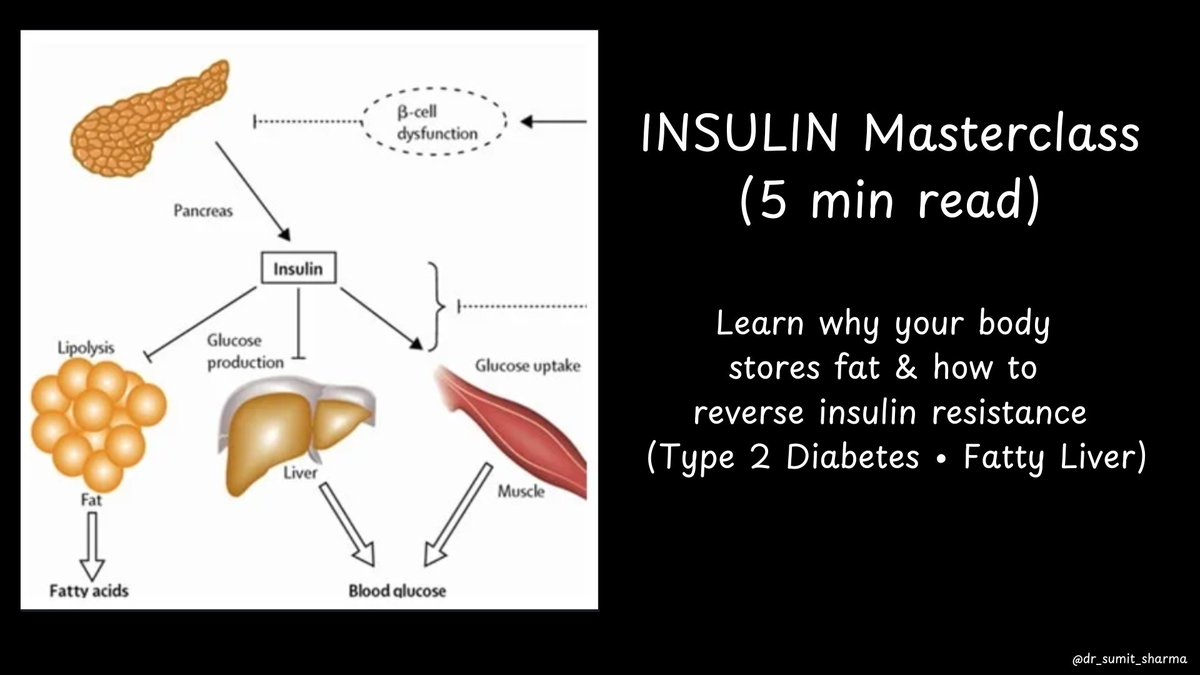
I’ve reversed insulin resistance in hundreds of clients in 90 days.
Not with calorie counting. Not with more exercise.
But by understanding 10 insulin facts your doctor never explains.
Here’s the blueprint:
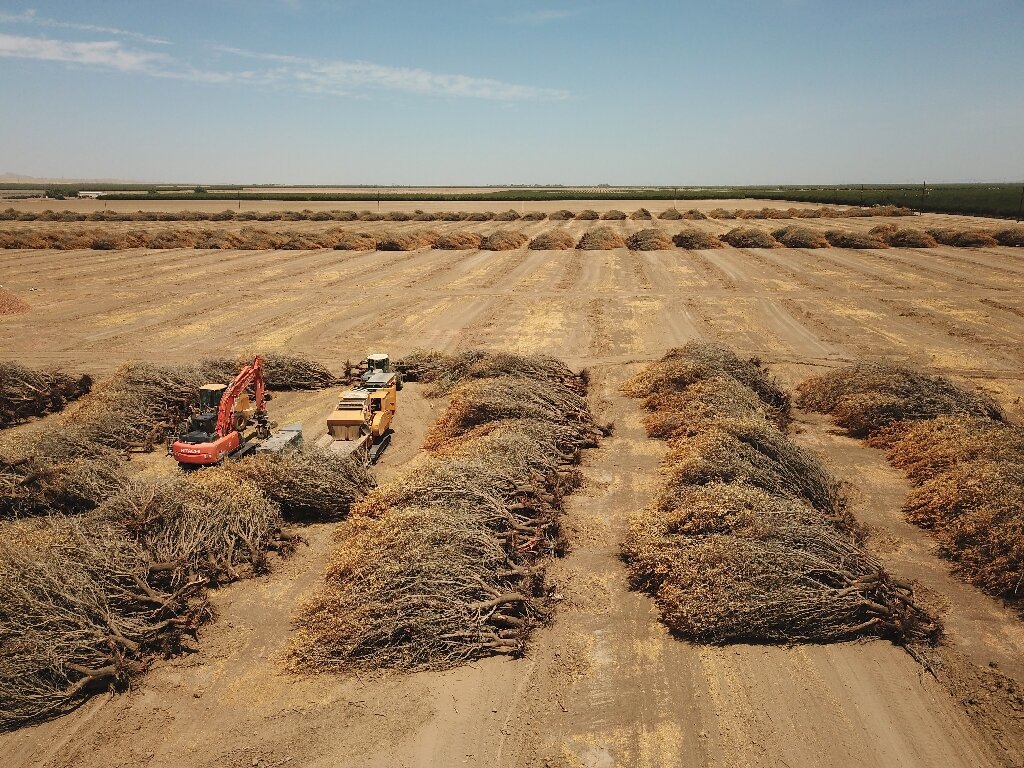
California's Central Valley produces 80% of the world's almonds. Each almond requires 3.2 gallons of actual irrigation water to grow. Not rainfall. Actual tap water pumped from aquifers.
One gallon of almond milk requires 162 gallons of irrigation water. Compare that to dairy milk at 8 gallons of tap water per gallon, with the rest being rainfall that falls on pasture anyway.
But here's where it gets properly grim. Almonds bloom for exactly three weeks in February. During those three weeks, California needs every pollinating bee in North America transported to the Central Valley or the crop fails entirely.
Commercial beekeepers truck in 31 billion honeybees. That's two-thirds of America's entire managed bee population, all concentrated in one valley for three weeks. The bees are packed into trucks, driven across the country, dumped into almond groves drenched in pesticides, worked to exhaustion, then packed up and shipped to the next crop.
The mortality rate is catastrophic. Beekeepers report losing 30 to 50% of their hives annually. That's billions of bees dead. Not from natural causes. From being used as disposable pollination machines for your almond milk.
The pesticides don't help. Almond groves are sprayed with neonicotinoids which scramble bee navigation systems, fungicides which weaken their immune systems, and herbicides which eliminate the wildflowers they'd normally forage on between almond blooms.
Meanwhile the aquifer depletion is permanent. The Central Valley has sunk 28 feet in some areas from groundwater extraction. That water took 10,000 years to accumulate. It's being drained in decades for almond milk.
Your vegan latte killed more bees and used more water than a year's worth of dairy milk. But it's got "plant-based" on the label so you're definitely saving the planet.
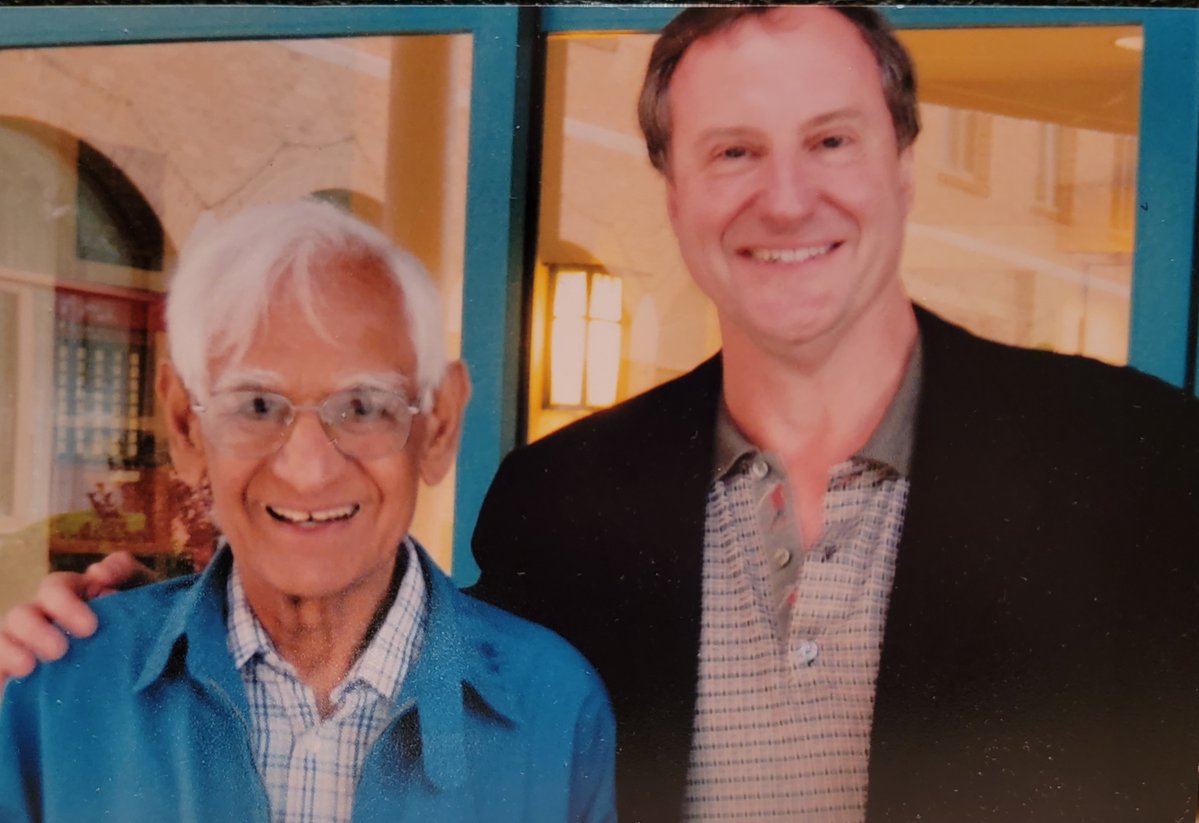
I was doing some computer file clean up recently and came across this picture of Gobind Khorana.
I took it when I was in Cambridge, MA for a meeting and, as I did most times when I visited Boston, I made a point of stopping and spending time with Gobind.
This was taken outside an assisted living center where he resided.
For those who might not know who he was, his research at Univ Wisconsin & MIT led him to discover the Rosetta Stone of Life, the three nucleotide to one amino acid genetic code.
That discovery made him the first Indian-born scientist to win the Nobel Prize.
I got to his lab at MIT as he was moving from the world of RNA/DNA to membranes and photon processing. We did some foundational work using carbene precursors to generate covalent protein-membrane couplings via laser photolysis.
During his peak three decades of research he published a paper every 11 days. He invented ALL of the chemistry that made DNA/RNA synthesis possible...and never patented a thing.
My favorite times in his lab were the early Saturday mornings when his phone wasn't ringing, there were few of us working, and we could just talk about science, life, etc.
He was the gentlest man I have ever known.
RIP Gobind (1922-2011)
you don't suck at sales, you just never read:
- Dixon & Adamson's CEB study proving relationship building is the worst approach
- Rackham's 35,000 sales calls research on what actually closes deals
- Kahneman & Tversky's 1979 prospect theory on loss aversion
- Tversky & Kahneman's 1974 anchoring research on first offer advantage
- Fredrickson & Kahneman's 1993 Peak End Rule research (incredible)
- Von Restorff's 1933 isolation effects
- Zajonc's 1968 research on familiarity = preference
- Zeigarnik's 1927 research on incomplete tasks
- Strohmetz's 2002 study on reciprocity timing
- Cialdini's pre-suasion research on influence
you just haven't gone down the right rabbit holes..
close these loops and you'll close more deals.




![bryan_johnson's tweet photo. I swallowed a miniature computer
drew my blood six times
sat in a 200°F dry sauna for 56 min
felt like I was going to die from the heat
and paid $21,093 for specialty biomarkers…
To ask a question: do sauna benefits depend on time, or body temperature?
This experiment has never been done before.
Results:
1) Sauna benefits depend on how hot your body gets, not how long you sit in the sauna
2) Heat shock protein 27 (HSP27), one of the molecules that drives sauna's longevity benefits, only switched on when my core body temperature held above 102.2°F (39°C) for about 15 minutes.
3) Reaching that took 56 minutes at 200°F (93°C), with ice on my face, neck, and groin.
4) This challenges the generic advice that 20 minutes of sauna is enough.
What this means for you:
1) The standard advice of 20 minutes at 176°F (80°C) is a floor, not a ceiling. The bigger benefits sit further up the curve, in longer and hotter sessions. If you can tolerate more, more likely helps.
2) Skip the cold plunge right after the sauna. My core body temperature kept climbing for several minutes after I left the sauna, so much of my time above the activation threshold happened post-exit. Cold plunging cuts that window short.
3) Population level studies point in a direction but cannot tell you what is happening inside your own body. Continuous core temperature tracking can.
Here is the experiment explained
A brief background first. Heat shock proteins (HSPs) are believed to be the enablers of sauna based longevity benefits. You can think of them as a clean up crew that travels through your body removing misfolded proteins and cellular debris. When you get really hot, like in a sauna, you generate a lot more of them. A tsunami of clean up crews unleashed inside your body.
There are many types of HSPs. We focused on HSP27 in this experiment because of its high value longevity benefits:
1. Calms harmful inflammation through a controlled signaling pulse, driven by IL-10
2. Protects arteries by blocking the damaged cholesterol that builds up into plaque
3. Helps the body grow new blood vessels over time
4. HSP27 is one of the first proteins your body makes when it gets hot, which makes it a clean signal of how hard the sauna session actually worked.
We saw initial signs of biomarkers of these benefits also turned on alongside HSP27, with enough time above the activation threshold.
I ran three sauna sessions, holding sauna temperature, my meticulous morning routine, and every other variable constant. We measured HSP27 activation and release (along with scores of other biomarkers) in my serum after each session. I swallowed a temperature capsule about the size of a vitamin pill. As it traveled through my body, it sent a reading of my core body temperature every 30 seconds. That continuous, real time data from inside the body is what no prior study has had.
The 102.2°F (39°C) core temperature threshold for HSP activation has been established in the research literature for years. Dry-sauna users have never been able to act on it because they had no way to track their core temperature during a session. An end-point thermometer cannot tell you how long you held above threshold, and the duration is the dose. Which is why we chose to use real time tracking.
The findings across the three sessions.
Two of the three sessions pushed me well past the threshold. In one, I spent 14.7 minutes above 102.2°F (39°C), with a peak of 102.87°F (39.37°C). In the other, I spent 15.8 minutes above the threshold, with a peak of 102.81°F (39.34°C). After both, HSP27 in my blood rose sharply.
The third session (the middle one in the figure) was different. I only spent 5.1 minutes above 102.2°F (39°C), with a peak of 102.34°F (39.08°C), barely above the threshold. HSP27 did not respond. The reading actually dipped slightly, but the change was too small to count.
Two things separate the responder sessions from the non-responder. The first is time above the threshold: 14.7 and 15.8 minutes versus 5.1 minutes. The second is peak core temperature: 102.87°F (39.37°C) and 102.81°F (39.34°C) versus 102.34°F (39.08°C). Either, or more likely both, are driving the response. Future sessions will help us figure out how much each one matters.
Within my body, holding all other variables constant, the central heat shock protein response is a direct function of the heat dose delivered to the body's core.
No prior study has done this. Earlier sauna research used a single thermometer reading at the end of the session, not continuous tracking. The studies that used continuous tracking used exercise, not dry sauna. None had a matched negative control like my session three. And all reported only cohort averages, not what happened inside one body.
What this means for the body
Once HSP27 is released into circulation, it signals to cells throughout the body and drives the four mechanistically proven downstream benefits listed above. All four are supported by my long-term sauna data, the population literature, and mechanistic studies. My acute post-session measurements hint at each being engaged.
To activate HSP27 in my body, I needed 56 minutes at 200°F (93°C) in a dry sauna. That is the total session length required to spend enough time above the 102.2°F (39°C) core temperature threshold to trigger HSP27 release.
Does this mean longer sessions, long enough for your core to hit 102.2°F (39°C), would supercharge the longevity benefits? Maybe.
What we do know, I did 232 dry sauna sessions over the past year. My protocol was 200F (93°C) for 20 min. So even though my core body temperature didn’t reach 102.2°F (39°C) to unleash the HSP27, the results were still compelling:
+ a 10 year vascular age reduction
+ massive drop in environmental toxins [1]
+ complete elimination of microplastics in my semen (first ever in human achievement)
The data suggests there are health benefits at 200°F (93°C) for 20 min.
The data also shows that additional health benefits unlock when your core body temperature reaches 102.2°F (39°C).
Does this mean that if one is in the sauna longer, long enough to reach a core body temperature of 102.2°F (39°C). that the longevity benefits would be supercharged? Maybe.
Here is what this experiment teaches:
+ population level data is great for averages, pointing in a general direction
+ the resulting protocols are crude
+ not personalized
+ the only way to find out the truth for you is to measure
+ single person experiments (n=1) like this one are useful, because they find blind spots that population averages cannot see.
Note: I kept ice on my face and neck during these three experimental sessions to protect those sensitive areas from heat induced skin damage at extreme temperatures. In a previous session, not included in this experiment, I had no ice on my face or neck and used an ingestible temperature capsule for real-time core readings. I reached a core body temperature of 102.2°F (39°C) after 34 minutes at 200°F (93°C).
Adding ice to the face and neck adds roughly 20 minutes to the total time required to reach 102.2°F (39°C) core body temperature. Subjectively, the 34 minutes without ice on my face and neck was much harder than the 56 minutes with ice on my face and neck. After the 34 minute session, I exited the sauna and just laid on the concrete, immobilized. But I got the data.
[1] Toxin reduction:
After 15 sessions, sauna dramatically reduced environmental toxins in my body:
65% drop in 2,4-D
100% drop in MEP
15% drop in MBP
100% drop in MEHP (undetectable post sauna)
56% drop in NAPR
56% drop in HEMA
100% drop in Perchlorate (undetectable post sauna)](https://pbs.twimg.com/media/HK8ovU7aYAAYipg.jpg)

![Rainmaker1973's tweet photo. Just 28 days without parabans and phthalates turned off breast cancer genes.
Researchers followed a group of healthy women who routinely used common personal-care products containing parabens and phthalates—chemicals found in everything from shampoo and lotion to makeup and fragrance. These compounds can act like estrogen in the body, and excess estrogen-like activity has long been tied to higher breast-cancer risk.
For 28 days, 36 women did one simple thing: they switched to paraben- and phthalate-free alternatives. No drugs, no diet changes—just cleaner cosmetics and toiletries.
The results were striking: urine tests confirmed that levels of the chemicals’ breakdown products plummeted, proving exposure had been sharply reduced.
But the bigger revelation came from breast-tissue biopsies taken before and after the switch. In just four weeks, the women’s breast cells began behaving less like precancerous or cancerous cells.
They regained the ability to respond to normal “cell-death” signals (a safeguard tumors often disable). Protective estrogen receptors, which are typically shut down in breast cancer, switched back on. Gene-expression patterns shifted away from high-risk profiles and toward healthier patterns.
This is the first human evidence that routine exposure to these everyday chemicals can nudge normal breast cells in a cancer-like direction—and, crucially, that removing the exposure can begin to reverse the process remarkably quickly.
It’s not definitive proof that changing your body wash will prevent breast cancer. But it does show that the body notices—and starts to repair itself—almost immediately when you stop putting these substances on your skin.
["Reduction of daily-use parabens and phthalates reverses accumulation of cancer-associated phenotypes within disease-free breast tissue of study subjects." Chemosphere, 2023]](https://pbs.twimg.com/media/HILppvnXkAAmmMm.png)