There was a time when a European final belonged to the supporters who dragged their club there.
Not anymore.
When Aston Villa were handed roughly 11,000 tickets for a Europa League final in a 70,000-plus stadium, the number itself told the story. UEFA can package the event however it likes — “festival of football”, “European showpiece”, “global celebration” — but the modern European final is no longer built around supporters. It is built around clients.
The supporters fund the journey. The corporates inherit the destination.
Villa fans will have spent thousands following the club across Europe. Flights, hotels, time off work, loyalty schemes built over years. Yet when the final arrives, huge sections of the stadium are reserved for sponsors, hospitality guests, executives, delegates and “neutral” allocations that often end up on resale sites within hours.
And supporters are expected to accept it.
UEFA’s defence is familiar. Sponsors fund competitions. Broadcasters need space. Hospitality drives revenue. All true. But football crossed a line when the event surrounding the final became more important than the supporters inside it.
The optics are awful because fans can see it themselves.
A finalist gets 11,000 tickets while corporate packages costing thousands remain available. Genuine supporters scramble through ballots with lottery-like odds, while neutral areas fill with tourists taking photos during the warm-up.
And UEFA wonders why resentment grows.
Supporters are constantly called “the lifeblood of the game” until ticket allocations are discussed. Then they become an inconvenience to work around premium inventory.
Football did not become Europe’s dominant sport because sponsors created atmosphere. The noise, colour and emotion UEFA sells globally every season is generated by match-going supporters — the same people increasingly pushed aside at the biggest games.
The “neutral fan” concept is perhaps the biggest fiction of all. In theory it promotes access. In reality it fuels resale markets, inflated prices and thousands travelling ticketless out of desperation.
UEFA could change it tomorrow. Finalists could receive 70 per cent of the stadium combined. Corporate sections could shrink. Hospitality would still exist.
But that would mean sacrificing revenue.
And modern football has shown repeatedly which side wins that argument.
#AVFC #scfreiburg
Managers come and go at Tottenham Hotspur like buses on the High Road outside. Some stop there slightly longer than others, some stall, some over-rev their engines, but all move on, some in a cloud of smoke. Assuming he doesn't take a look and accelerate past, the latest arrival, Roberto di Zerbi, is a good head coach, not A-list but potentially up there, depending on his temperament. He’s committed to attacking football which Spurs fans want.
He’s very demanding of players and, occasionally, of the board, so sparks will fly eventually. He also has to address his comments about Mason Greenwood. But RDZ would undoubtedly be a coup for Spurs, a statement of intent that they can get out of this relegation mess and build for the future. His arrival will also put pressure on the players to show some fight. They can’t hide behind a manager’s flaws now.
But RDZ should be only one part of the Tottenham rescue plan/rebuild. Much is right about Spurs: magnificent stadium and training ground and a fanbase that is large, passionate and rightly concerned about the leadership of their club, especially in the board-room. If RDZ is to succeed, Spurs have to improve player recruitment and the board has to underwrite that.
Since failing to invest in elite talent after the 2019 Champions League final, Spurs have wasted an eye-wateringly obscene amount of money on poor recruitment. It’s not that they haven’t spent. They have. It’s just that they haven’t spent it well. (Spurs certainly aren’t alone in this failing, of course).
According to Transfermarkt, Spurs have spent £979m on loans and transfers since Pochettino was dismissed in November 2019. The popular Argentine left the club bemoaning failure to invest properly in the squad after that UCL final defeat in Madrid. How much real talent did they acquire in that time?
Definitely some. Kulusevski cost £8.66m loan fee and then £26m permanent; he’s a talent, unfortunately sidelined through injury. Van de Ven is worth more than the £34.65m he cost. Same with the excellent Gray (£35.75m), Bergvall (£17.32m) and Sarr (£14.5m). Spence may be a strange character but he’s worth more than the £12m paid, especially with England caps.
Porro cost £4.3m loan and then £34.65m. If Spurs went down, there will be players like Porro in demand (which is part of the problem as they know there’s a safety net for them). Kudus is unfortunately injured. Simons may train on under the right coach.
Otherwise, in five of those seven seasons since Madrid, Spurs Player of the Year has been the home-grown Kane or the 2015 £22m value-for-money Son. Van de Ven and Bergvall have been the most recent recipients of the honour. Gray, a beacon of hope in a dark season, will probably win this season.
Spurs have also spent heavily on managers. The cost of recruiting and paying off six head coaches (and their staff) since Madrid is just shy of £60m. Compensation to their clubs (such as £6.7m to Brentford for Frank) and their pay-offs (such as the reported £8m to Frank) does not include wages, probably doubling the outlay to around £120m spent on managers in seven years. Churn is expensive.
Three of the head coaches, Pochettino, Mourinho and Conte, are heavyweights. Nuno was too cautious, Postecoglou won the Europa League but neglected the Premier League, Frank was admired but failed to understand expectations while Tudor was out of his depth.
All would have achieved more with a stronger group of players (and less of an injury list). These coaches deserve some culpability for Tottenham’s travails but the real indictment is the players not fighting hard enough for the cause – and the recruitment department for not bringing in the right characters.
RDZ, if he stops at Spurs, has work to do on that squad, getting them to take more responsibility in these seven games and then strengthening it. Recruitment has to be better. #THFC
This week's newsletter is out - lots and lots of new pop-ups, supper clubs and more - link to read is via my Linktree - https://t.co/W8aBSiK7TE - inc #TheSweetLoafClub - a 3 day banana bread pop-up starting tomorrow
some enterprising soul on Amazon has come to a book signing and is offering a signed copy of Willie Willie at twice the cover price. Save your money and check out your favourite indie bookshop to get one at normal price with lovely sprayed edges. i.e. https://t.co/CyixhgDOPj
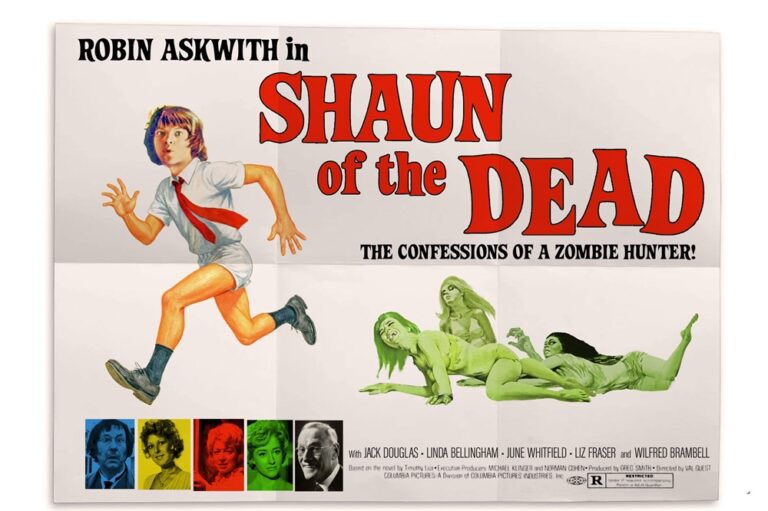
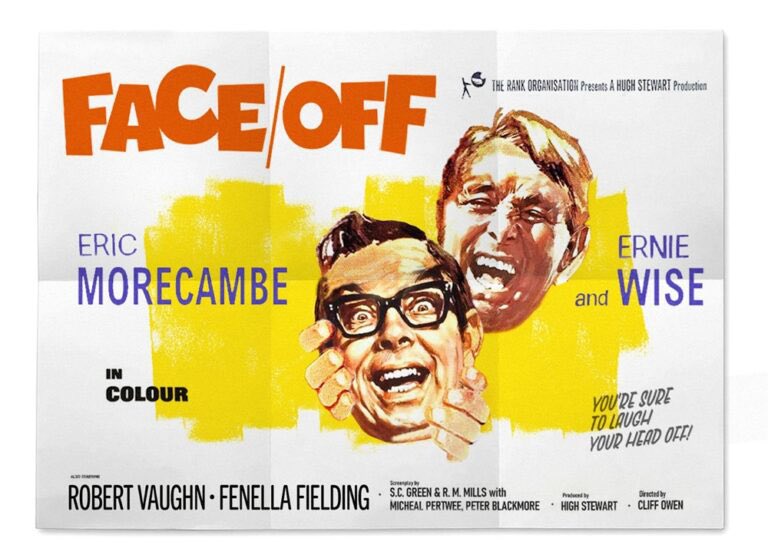
This is brilliant. From the ever amazing David Quantick (and Chris Barker)
THE LOST FILMS OF HOLLYWOOD, a collection of posters for films that never existed
https://t.co/CtLM1rmuOB
Robin Asquith in Shaun Of The Dead
Ishe Samuels-Smith has rejoined Chelsea from Strasbourg, 33 days after signing a permanent deal with the French club.
The Athletic reported in July that Samuels-Smith, 19, was to join Strasbourg for an undisclosed fee and this was confirmed by the clubs — both of whom are owned by BlueCo, the consortium led by Todd Boehly and Clearlake Capital — on July 30.
On September 1, transfer deadline day in Europe’s top five leagues, The Athletic reported that the defender was to sign for Championship side Swansea City on loan.
Full story from @SJohnsonSport and @bosherL ⬇️
🔗 https://t.co/wgFRsHkzSg
I am now home and recovering well 💪
Forever grateful to all the medical team that cared for me along with my amazing family.
Thank you for all the messages of support which gave me strength when I needed it most.
I look forward to seeing you all soon.
Sints
🙏💙🤍💙🤍🙏