The countdown begins: 361 days until Entomology 2026 in Columbus, Ohio! We hope you'll join us again next year. Symposia proposals are due March 1. #EntSoc26 Learn more: https://t.co/5xFJVMJx8K
Very excited to see my first first author paper published in @PNASNews . We found the first effector regulator in plant-parasitic nematodes! Congratulations to all authors and co first author @ClemPellegrin. https://t.co/QXvViTlJ64
Biodiversity is under intense pressure from human activity worldwide. Sir David Attenborough explains why biodiversity is so important to humans, how biodiversity loss is impacting our world and how there is still time to change direction – if we act now:
Seeds harbor more than just a plant's genetic future – they are living capsules that transmit not only genetic material, but entire communities of microorganisms from one plant generation to the next.
This process, known as microbial inheritance, is deepening our understanding of plant biology and exposing critical oversights in modern breeding practices.
It starts with the parent plant, where microbes travel to developing seeds through two distinct pathways. The primary route follows the plant's vascular system, while a second, less understood path involves transmission through reproductive cells during fertilization.
These inherited microbes aren't random hitchhikers – they're specialized symbionts that help plants grow, fight diseases, and adapt to stress.
During seed dormancy, these microbial communities face a dramatic challenge. Their populations crash as seeds dehydrate, creating a natural bottleneck that selects for organisms capable of surviving extreme conditions.
Some microbes enter dormant states, while others maintain minimal metabolic activity. This period forms the microbial community that will emerge with the next generation.
When seeds germinate, surviving microbes colonize the developing seedling with remarkable precision. Different species migrate to specific plant tissues – some to the leaves, others to the roots – suggesting a highly organized process.
These inherited microbes compete and collaborate with soil organisms to establish the seedling's microbiome, setting the stage for the plant's future health.
Traditional breeding programs have inadvertently disrupted these crucial relationships. By focusing solely on plant genetics while ignoring the inherited microbiome, we've often bred out natural resistance mechanisms that depend on microbial partners.
Recent research suggests that parental breeding lines can predict seed microbiome composition, opening the door to microbiome-aware breeding strategies.
This could lead to crops that naturally resist pests and diseases, require fewer chemical inputs, adapt to environmental stress, and express full nutritional and flavor potential – all through their inherited microbial partners.
This emerging field challenges the view of plants as autonomous organisms as well as current approaches to crop improvement.
As we unravel these relationships, we're discovering new dimensions of plant biology that could fundamentally transform agriculture - shifting from a chemical-dependent paradigm to one that fosters plants' essential partnerships with beneficial microbes, starting with the seed.
Join us on August 13th at 2pm EST for our @eOrganic_CP webinar highlighting how organic farming practices impact the soil microbiome! Registration is free with presentations from researchers and farmer collaborators! More info here 👉 https://t.co/QlrGrGqjy3
I'm honored to be an invited speaker for the @beescapepsu Ecospatial Summit on October 10th and 11th! Interested in spatial data analysis and visualization for bees and beyond? Join us! Registration is free! https://t.co/5q1a7nOZS9
I'm delighted to share my new socio-ecological research with @clarecasteel and @ssatallah "Motivating organic farmers to adopt practices that support the pest-suppressive microbiome relies on understanding their beliefs" @CUP_LifeScience journal RAFS 👉 https://t.co/edtmhmv9Ya
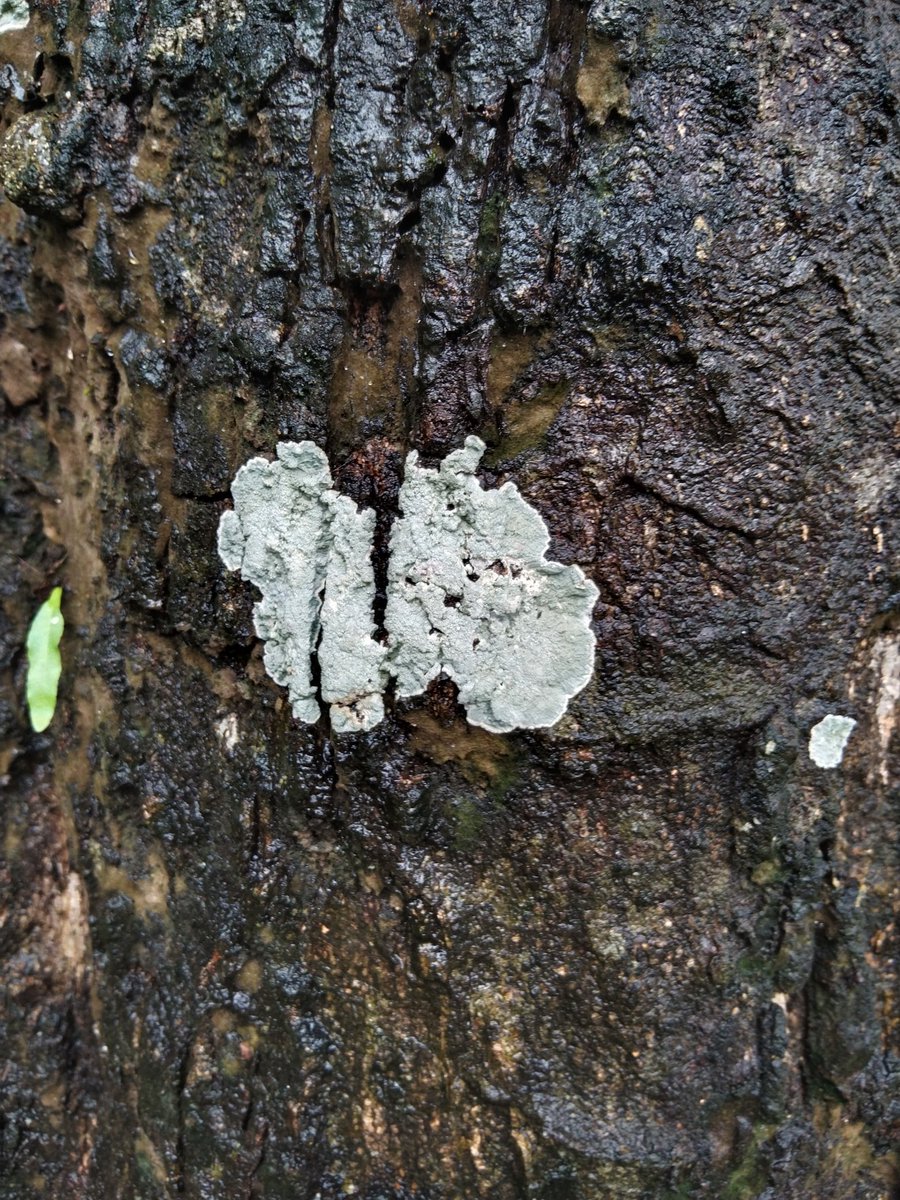
Finally I got to see "#lichnes" in real rather than in books & google images @bsi_moefcc. These lichen mats were extended up to the barks of the "great Indian Banyan tree" reflected a pollution free environment!
I spotted this okra #leafborer while it had already damaged a significant proportion of the leaf. It's quite fascinating to see insects being evolved & evolving to adapt to new diets.
Course- PhD maths (Delhi University)
Marks- 93
Status- Rejected
Marks- 0
Status- Selected
Imagine a person who can't score a single mark becoming a professor and teaching students.
This is just insane.
Plants transfer as much as 13 #gigatons of carbon to underground mycorrhizal #fungi each year--equivalent to roughly 1/3 of the carbon emitted yearly by fossil fuels.
@heidi_j_hawkins
Read more in @currentbiology https://t.co/3xELtfLSgL
My blood-redhead self starting my PhD almost 20 years ago. My 2 bedroom appartement in Villeray Mtl, with parking and backyard, was 600$. The amount of the NSERC scholarship hasn't change since, but my hair did (many times). Our students deserve better. @SupportOurSci
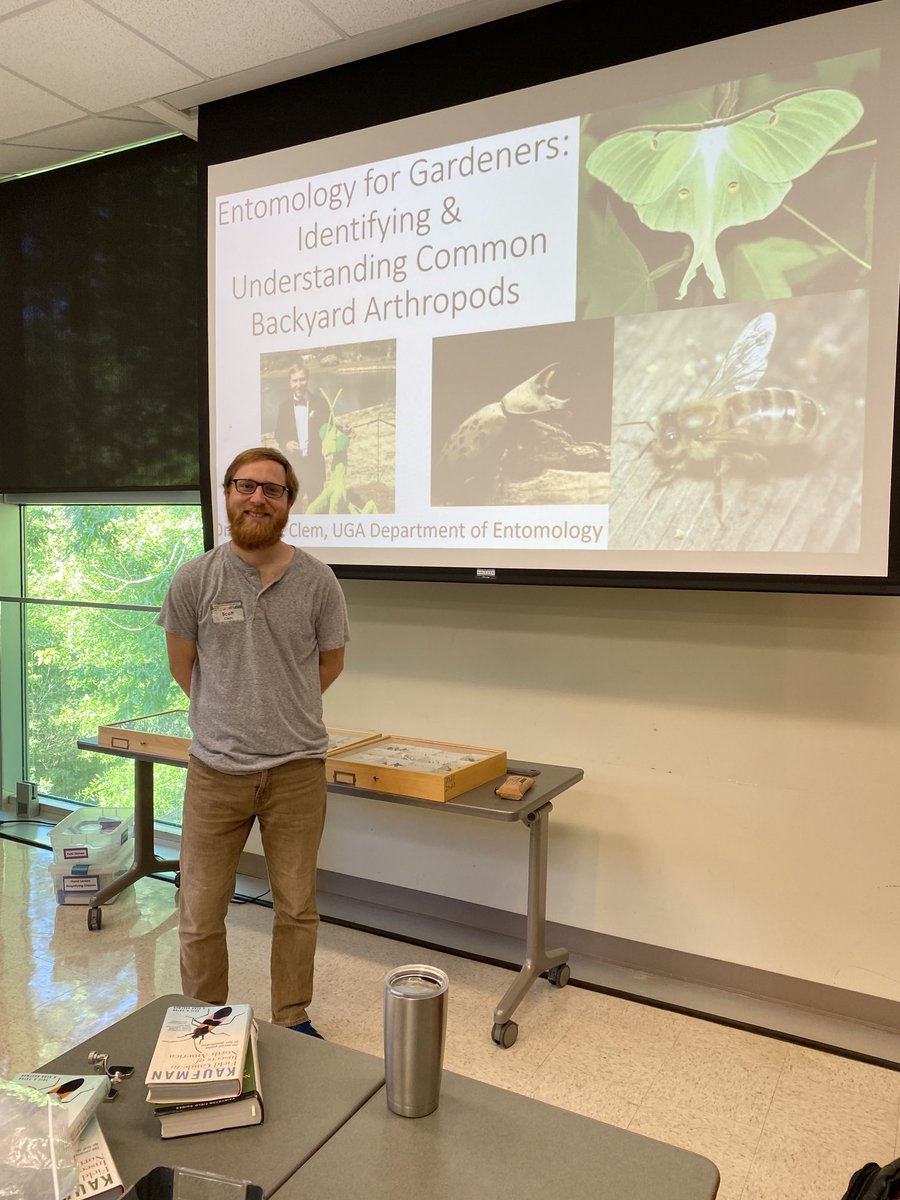
Had fun giving an Entomology for Gardner’s workshop at @BotGardenGA! It was a lot of information about predators, parasites, herbivores, pollinators, and parasitoids packed into 4hrs!
A mysterious new statue in San Francisco honors the extinct Xerces blue butterfly (Glaucopsyche xerces). The statue appeared on Earth Day, not far from where the species was last documented alive in the 1940s. https://t.co/Ar9DsA2hJP
As all plant biologists always work with thousands and thousands of plants. enjoy killing and reviving them make me excited to start my work as soon as possible .😅Especially a person who is deadly hungry to work with plants. It's so grinning!
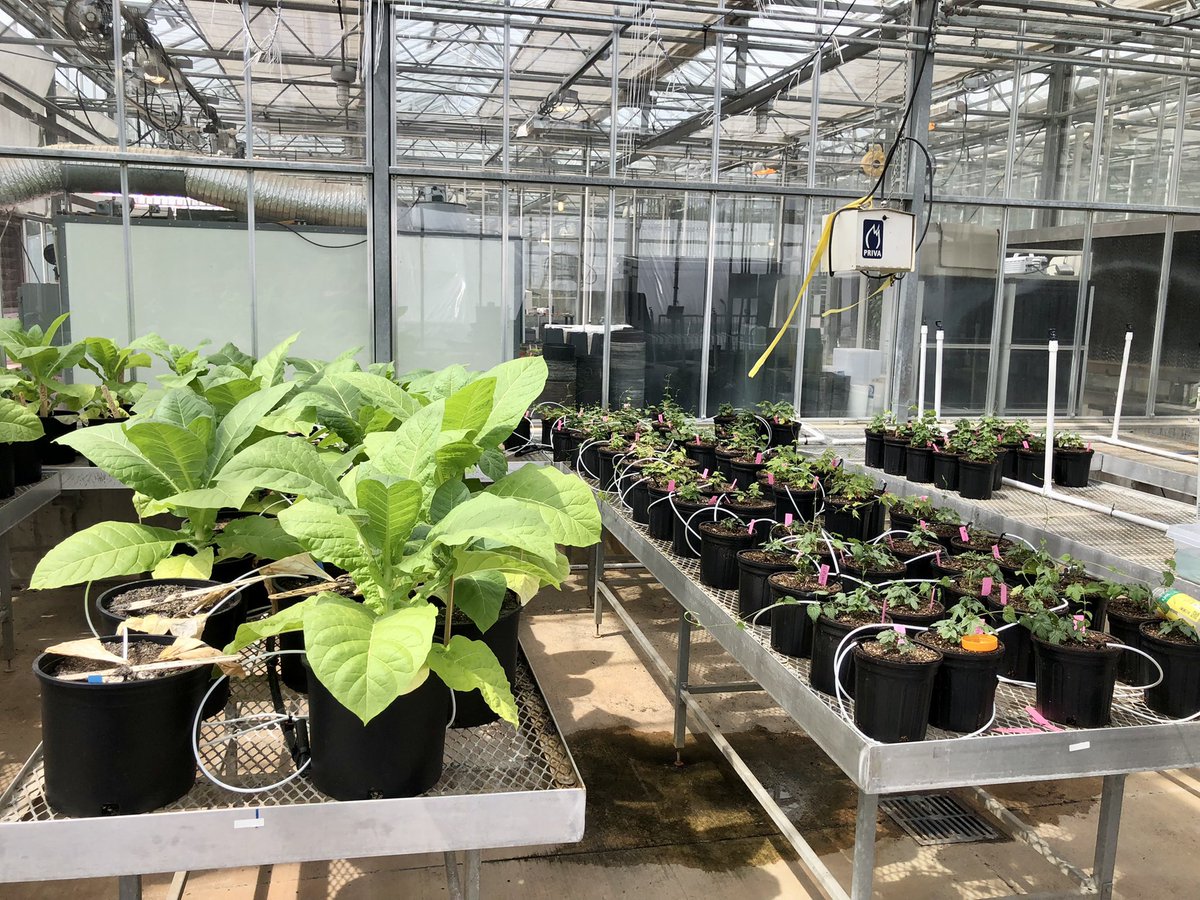
Current greenhouse situation. @Akaplantpath’s killing tobacco with Phytophthora, & @alyamanita’s growing healthy hops - on purpose. The latter is unusual for us 😁
We usually treat plants with pathogens(e.g. viruses) after which they're in bad shape
But there is so much satisfaction in giving them sth they feel better after: our Growth-Promoting Bacteria strains
Our project in collab. with coll. from Life &Medical Unis in Lublin in progress