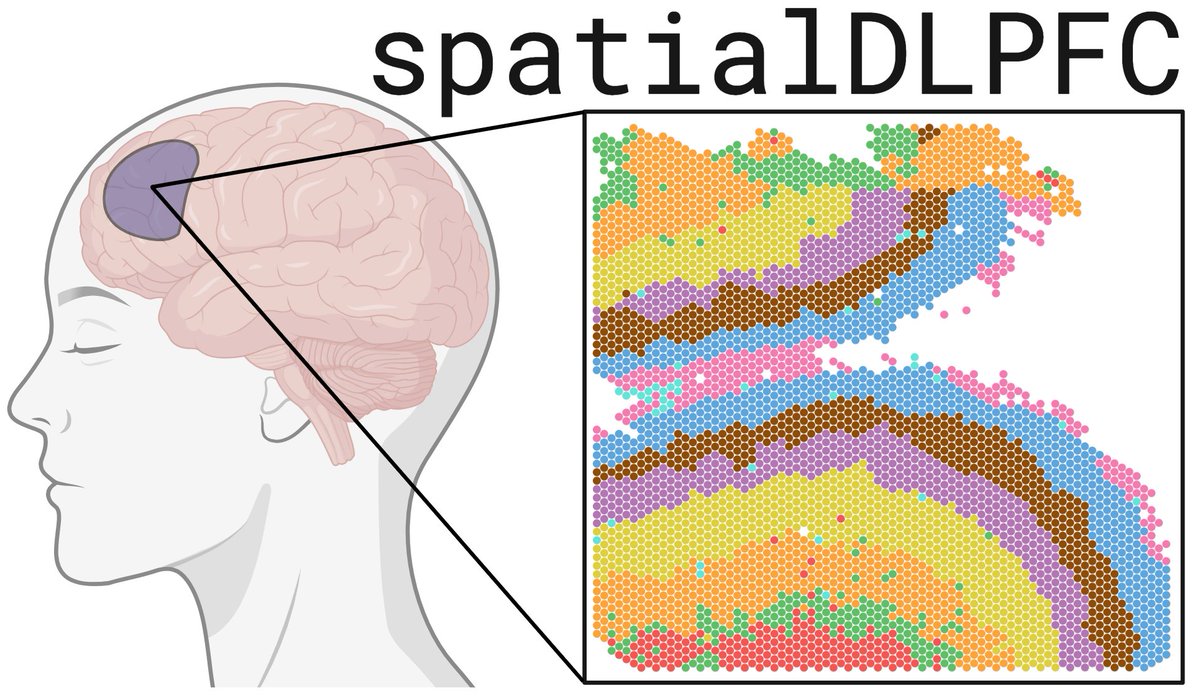
"Here we map cis-expression quantitative trait loci (eQTLs) across 2.2 million single cells using intestinal biopsies and blood from 421 individuals, including 125 with inflammatory bowel disease (IBD)." https://t.co/4xo145UAAT
First paper from my PhD (pseudogenization in cheetah) just got accepted in Evolution!!
As if that wasn’t cool enough, I got the email whilst staying at the Cheetah Conservation Fund in Namibia learning about conservation genetics and watching cheetahs!
@EarlhamInst@NRPBIODTP
We have a Big C Cancer Charity @bigctweets funded 4-year PhD studentship in our lab to study RNA splicing and modifications in human cancers. Deadline 19 January, open to UK fee students. @biouea @NorwichRNAClub@NorwichResearch https://t.co/MeSrUEMrOw
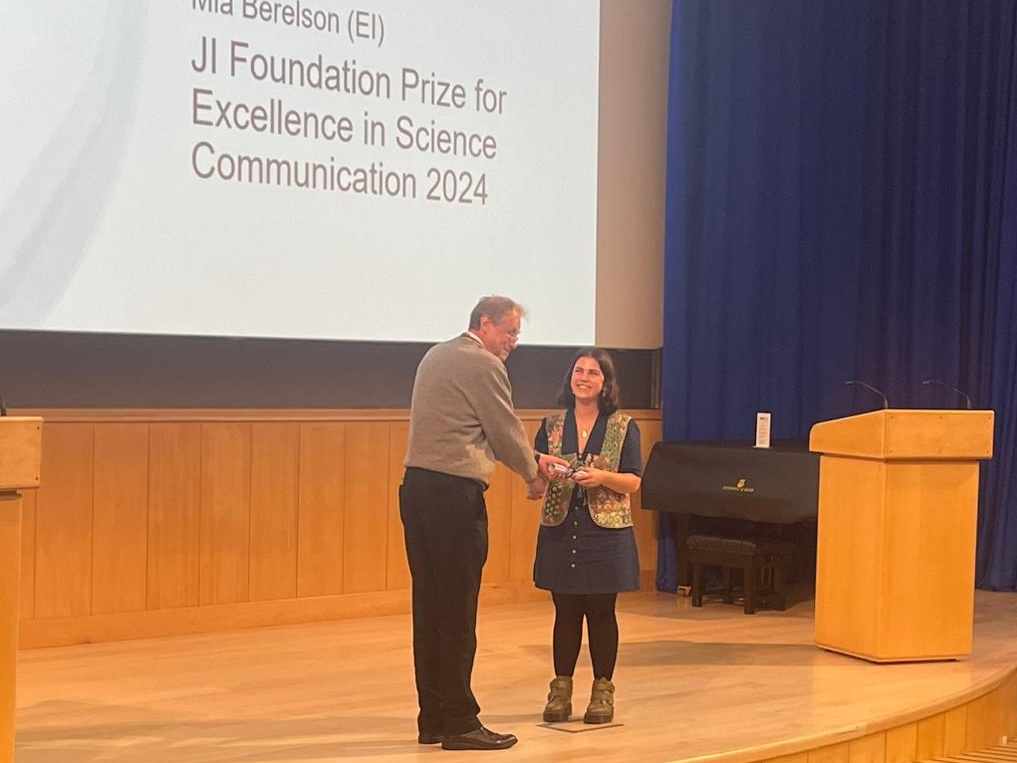
Very grateful to have been awarded the John Innes Foundation prize for Excellence in Science Communication. Especially pleased that it was alongside @beeshaw_ who has always supported me in my SciComm journey 🌿
Published today in @Nature, we describe an approach for single-molecule protein reading on @nanopore arrays. By utilizing ClpX unfoldase to ratchet proteins through a CsgG nanopore, we achieved single-amino-acid sensitivity. https://t.co/ZTFNZkwpcj
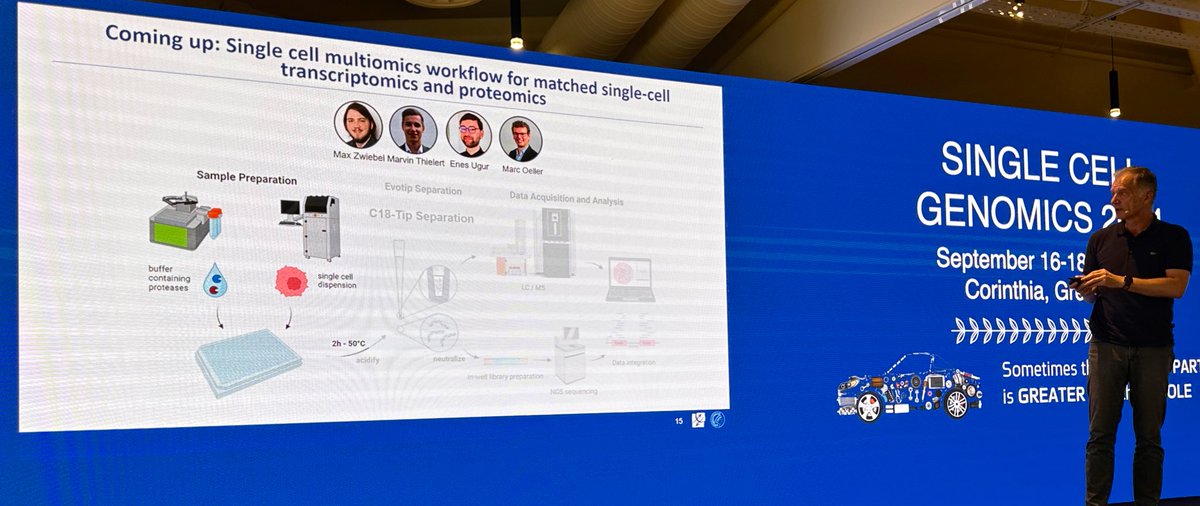
Matthias @labs_mann shows first joint proteome and RNA workflow in same cell - very exciting, and lots of promises to build multimodal atlases in nearer future!
Does the brain change during pregnancy? You bet it does. How about doing 26 MRI scans on a single person pre-conception to 2 years post-partum. WOW! Laura Pritschet and colleagues nailed it with their new paper in @NatureNeuro.
Key Points:
- The authors point out that pregnancy is a period of profound hormonal and physiological changes.
- The authors did something incredible by mapping neuroanatomical changes in an individual from preconception through two years postpartum.
- Boom! There were pronounced decreases in gray matter volume and cortical thickness.
- There were increases in white matter microstructural integrity, ventricle volume and cerebrospinal fluid.
- There were few regions untouched by the 'transition to motherhood.'
My take: This study shows us how a single brain in a single person can be a powerful resource when scanned serially over time. This method is hard to pull off, however what it has the potential to teach us about neuroscience is mind-blowing. Though this paper is only a single subject, the data provides a comprehensive map of the human brain across gestation. It will be interesting to add to the dataset, so we can understand changes across multiple persons and multiple conditions. The convergence of evidence is revealing that pregnancy as associated with dramatic neuroplasticity. How about a shout out to this 38-year-old woman who underwent 26 MRI scans along with blood draws from 3 weeks preconception through 2 years postpartum!
https://t.co/LEnPHzKCcl #pregnancy #brain @ndosenbach@andreashorn_@EMiddlebrooksMD
SQANTI3 release alert🚨 Are you a SQANTI3 user? Go ahead and update your installation to v5.2.2, our newest release includes bug fixes, updates and improvements in classification of monoexons, genic introns, NIC and genic categories. Don't miss the update! https://t.co/2SIsilqLWX
Excited to present my research at #eshg2024! Come chat to me about brain #isoform annotation and everything long-read at poster P20.012.A during poster viewing session at 1pm on Sunday. 🧠 🧬
PhD Researcher @MiaBerelson is heading to the @MicrobioSoc#MicroAerosols24 conference next week!
Mia will be speaking about her work using #AirSeq to detect airborne crop pathogens.
https://t.co/FPPq2h0IAE
Had two fantastic days at #nanoporeconf celebrating 10 years of MinION and all achievements enabled by Nanopore. Very grateful for the chance to present my PhD work and gain new insights from leading long-read scientists :)
Amazing updates to suite of @nanopore RNA models including m6A, pseudouridine and research results from inosine. So excited to see the biology the community can investigate with these models #NanoporeConf
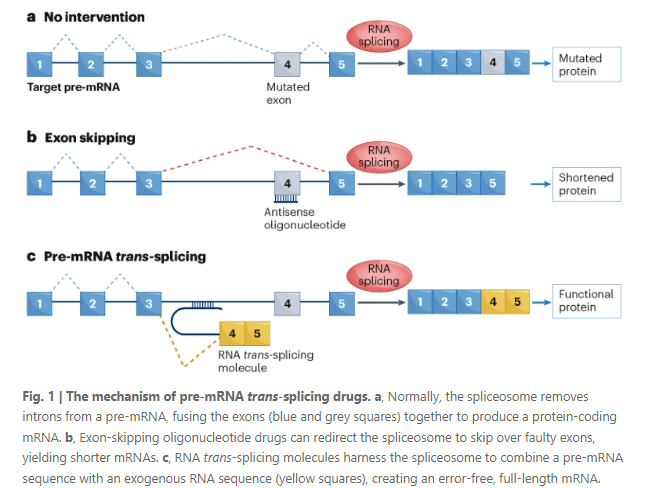
RNA-rewriting candidate moves into the clinic https://t.co/VCIeoNbBzA
‘Pre-mRNA trans-splicing’ drugs could offer an alternative to gene replacement therapies for genetic diseases — starting with Stargardt disease. Find out more in this news article
Next week at #nanoporeconf PhD Researcher Sofia Kudasheva will be discussing her work using a combined #sequencing approach to identify novel #isoforms in the study of neurodevelopmental disorders.
https://t.co/1oOlJ7JfQq
@nanopore@kudasonya1@WHaerty