https://t.co/8g7K4P1rMj
Dodder seedlings benefit from apoplastic nutrition by inducing SWEET15-mediated unloading of sucrose from the host's phloem
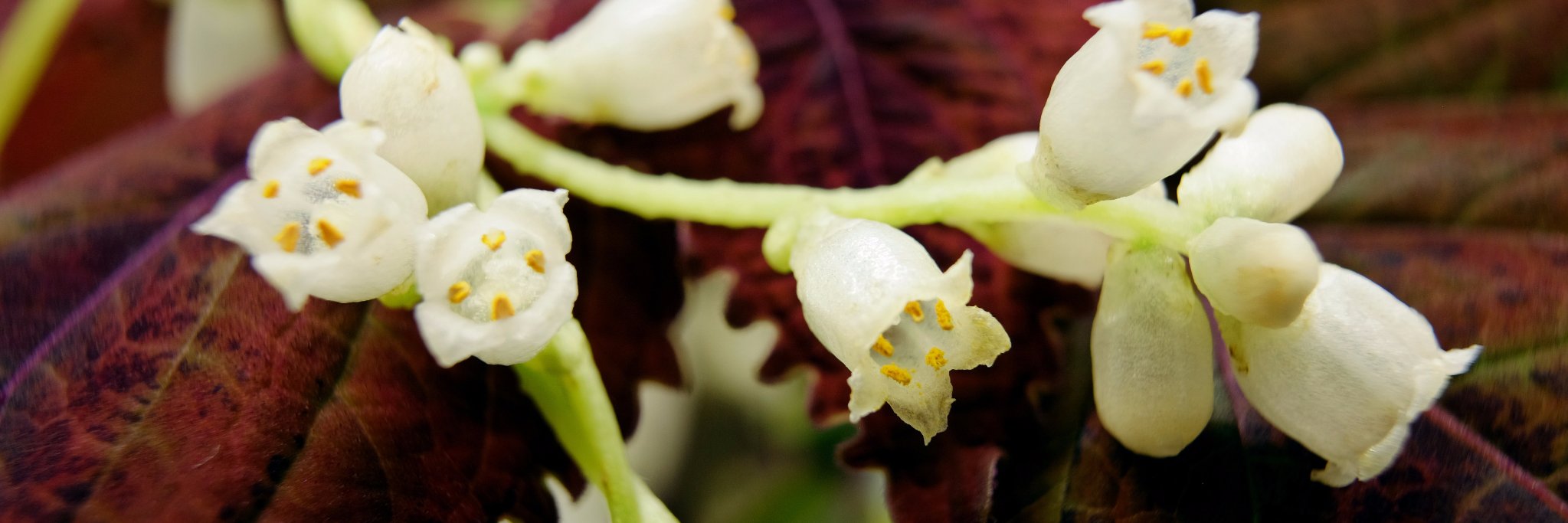
got the cover page! 🥳 congratulations to Maleen Hartenstein!
As seen on @biorxivpreprint: our story on how the dreaded late blight pathogen hijacks a helper NLR pathway is now out in its final form in @ScienceAdvances 🎉
Meet AVRcap1b: the two-faced effector 🧵👇
https://t.co/TsmdMNfb8u
Second face: AVRcap1b blocks the stepwise assembly of a helper NLR resistosome.
Same effector, different trick. Very sneaky potato blight business.
https://t.co/2mc8ruPyVr
published now:
Dodder seedlings benefit from apoplastic nutrition by inducing SWEET15-mediated unloading of sucrose from the host’s phloem.
https://t.co/Zvk4A4JLpf
Dodder seedlings benefit from apoplastic nutrition by inducing SWEET15‐mediated unloading of sucrose from the host's phloem
Hartenstein et al. @lab_albert
https://t.co/7G6vhFQZca
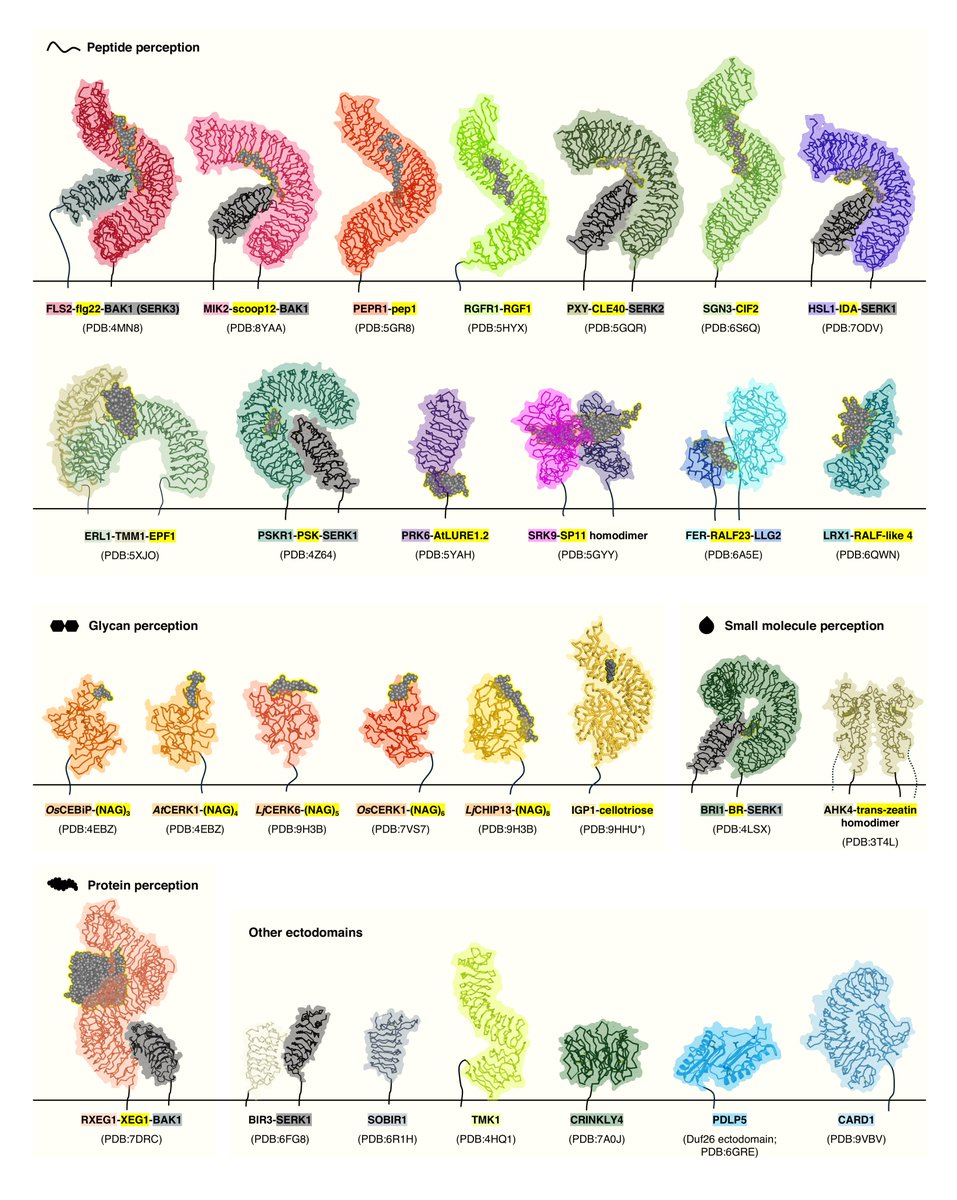
The same classes of ligands can be perceived by distinct ectodomains.
We discuss and summarize representative solved receptor-ligand/receptor structures to provide mechanistic insights into how diverse ectodomains sense different molecules.
A network of RS splicing regulatory proteins controls light-dependent splicing and seedling development (Jennifer Saile, Hannah Walter, Moritz Denecke, et al) https://t.co/KrQ4ajhoNp @ASPB#PlantSci