Korea Chair at the International Institute for Strategic Studies; previously @APCSS, @ArmyWarCollege, @BelferCenter, @HKUniversity, & @TheWilsonCenter.
As we prepare to host the 23rd IISS Shangri-La Dialogue in Singapore this weekend, our Director-General and Chief Executive @B_Giegerich offers a preview of what’s in store at Asia's premier security summit | #IISS_SLD26 https://t.co/LOZqHJacXe
I’m excited to share my book chapter, “Multi-Domain Operations in System-Centric Warfare,” in America’s Strategic Edge: Deterrence, Lethality, and Warrior Ethos in the Indo-Pacific, edited by Dr. James Minnich: https://t.co/HvKjbiCIvL.
Hace unos días exploramos junto a @koreafoundation en fórmulas para una cooperación 🇪🇺🇰🇷 más profunda. Una vía natural tiene que ver con la seguridad y la defensa, como @lamikim apuntó en su intervención. #NKoreaRussia
📺 Vídeo completo de la sesión:
https://t.co/asSdu9qphz
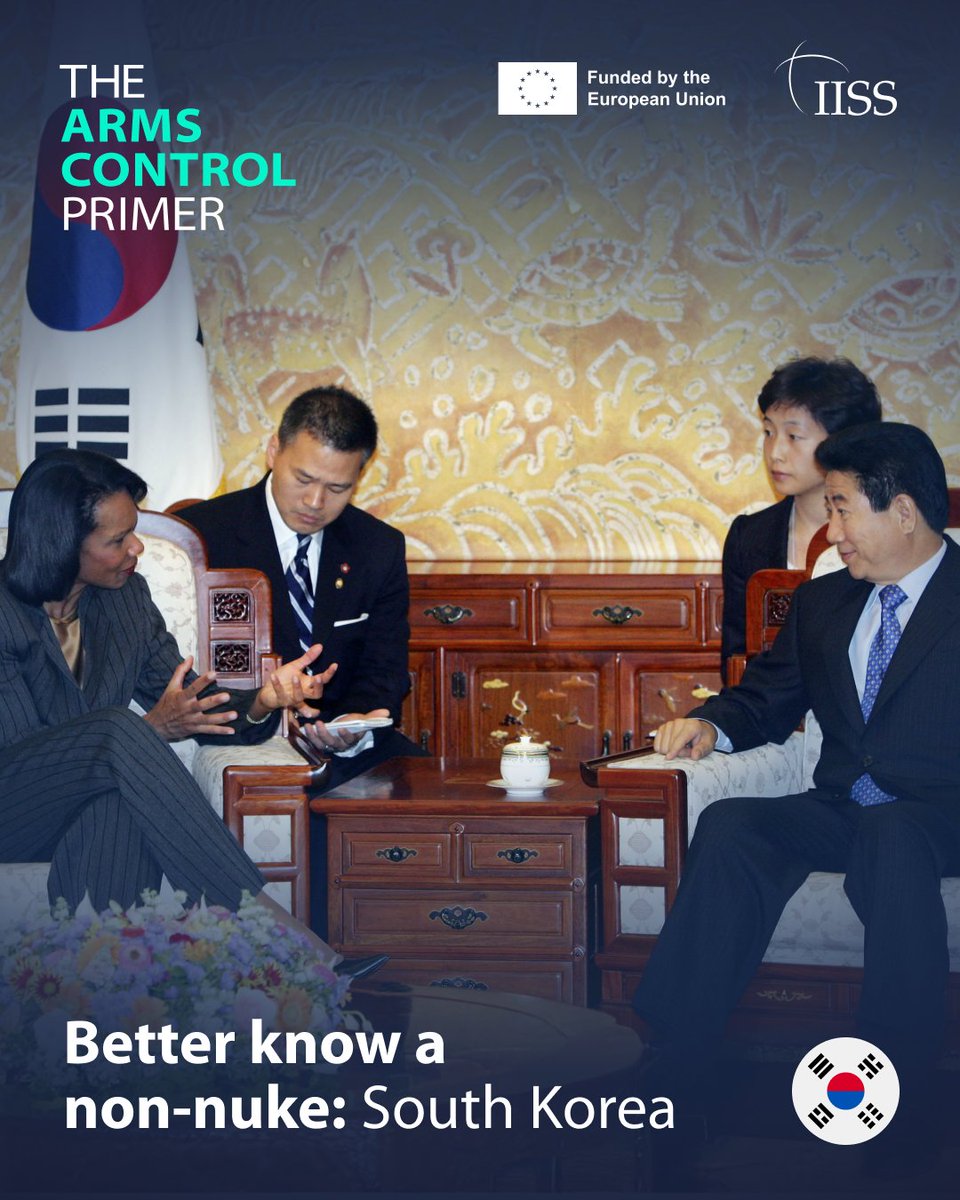
Better know a non-nuke: South Korea
Arms Control Primer podcast from @IISS_org hosted by Scoville Fellow '07 @alexbollfrass featuring Dr. @lamikim and Dr. Se Young Jang. https://t.co/J36Ukv0Yk6
The ongoing tensions involving the United States, Israel and Iran are highlighting the changing character of war and contributing to volatility in energy markets.
As a key US ally and a major importer of Middle Eastern energy, the Republic of Korea faces mounting challenges – including rising oil prices and increased pressure from Washington to bring greater strategic flexibility to the US–ROK alliance.
🌐 Hybrid
📅 Tuesday 26 May
⏰ 12:00–13:15 BST
🗨️ Dr Lami Kim (@lamikim), Dr Patrick M. Cronin (@PMCroninHudson)
Join the discussion: https://t.co/h3JWOuhmhw
Applications NOW OPEN!
2026–2027 @CSIS U.S.-Korea NextGen Scholars Program with @VictorDCha.
A two-year, non-resident program for mid-career American Korea specialists.
Don't miss the opportunity to come to DC and Seoul!
Apply here: https://t.co/Wdzv71EKeQ
The ongoing tensions involving the United States, Israel and Iran are highlighting the changing character of war and contributing to volatility in energy markets.
As a key US ally and a major importer of Middle Eastern energy, the Republic of Korea faces mounting challenges – including rising oil prices and increased pressure from Washington to bring greater strategic flexibility to the US–ROK alliance.
🌐 Hybrid
📅 Tuesday 26 May
⏰ 12:00–13:15 BST
🗨️ Dr Lami Kim (@lamikim), Dr Patrick M. Cronin (@PMCroninHudson)
Join the discussion: https://t.co/h3JWOuhmhw
Applications NOW OPEN!
2026–2027 @CSIS U.S.-Korea NextGen Scholars Program with @VictorDCha.
A two-year, non-resident program for mid-career American Korea specialists.
Don't miss the opportunity to come to DC and Seoul!
Apply here: https://t.co/Wdzv71EKeQ
I’m excited to share my latest piece for The National Interest, where I argue that as warfare becomes increasingly electrified, advanced nuclear reactors could provide militaries with the reliable, resilient power needed to sustain operations. https://t.co/CILAoEZiAt
The ongoing tensions involving the United States, Israel and Iran are highlighting the changing character of war and contributing to volatility in energy markets.
As a key US ally and a major importer of Middle Eastern energy, the Republic of Korea faces mounting challenges – including rising oil prices and increased pressure from Washington to bring greater strategic flexibility to the US–ROK alliance.
🌐 Hybrid
📅 Tuesday 26 May
⏰ 12:00–13:15 BST
🗨️ Dr Lami Kim (@lamikim), Dr Patrick M. Cronin (@PMCroninHudson)
Join the discussion: https://t.co/h3JWOuhmhw
Although Dr. Cha’s argument may strike some as provocative, it is ultimately an honest acknowledgment of the reality we face, whether we like it or not.
A compelling piece by @VictorDCha, which argues that it is time to stop pretending the old framework for denuclearizing North Korea will work and instead pursue a “cold peace”—a relationship short of normalization that manages the threat as it actually is. https://t.co/1PlHxdgt2T
For far too long, policymakers have allowed the unachievable goal of denuclearizing North Korea to persist, defying the most basic principles of policymaking: set achievable objectives, continually reassess them, and adjust when necessary.
The Case for a Cold Peace with North Korea
That's the argument that @csis@VictorDCha made in an essay out in @ForeignAffairs today.
And here is why the United States needs a cold peace with North Korea—a relationship short of normalization but that prioritizes open dialogue to avoid miscalculation and escalation.
A mega thread... (1/12)
📣 @CSIS newsletter from Ambassador Ho‑Young Ahn:
He warns that legitimizing North Korea’s nuclear status would
🔹 strain the U.S.–ROK alliance
🔹 weaken deterrence
🔹 embolden China‑Russia‑North Korea coordination
🔗 Read more: https://t.co/FJm5z0NXmk
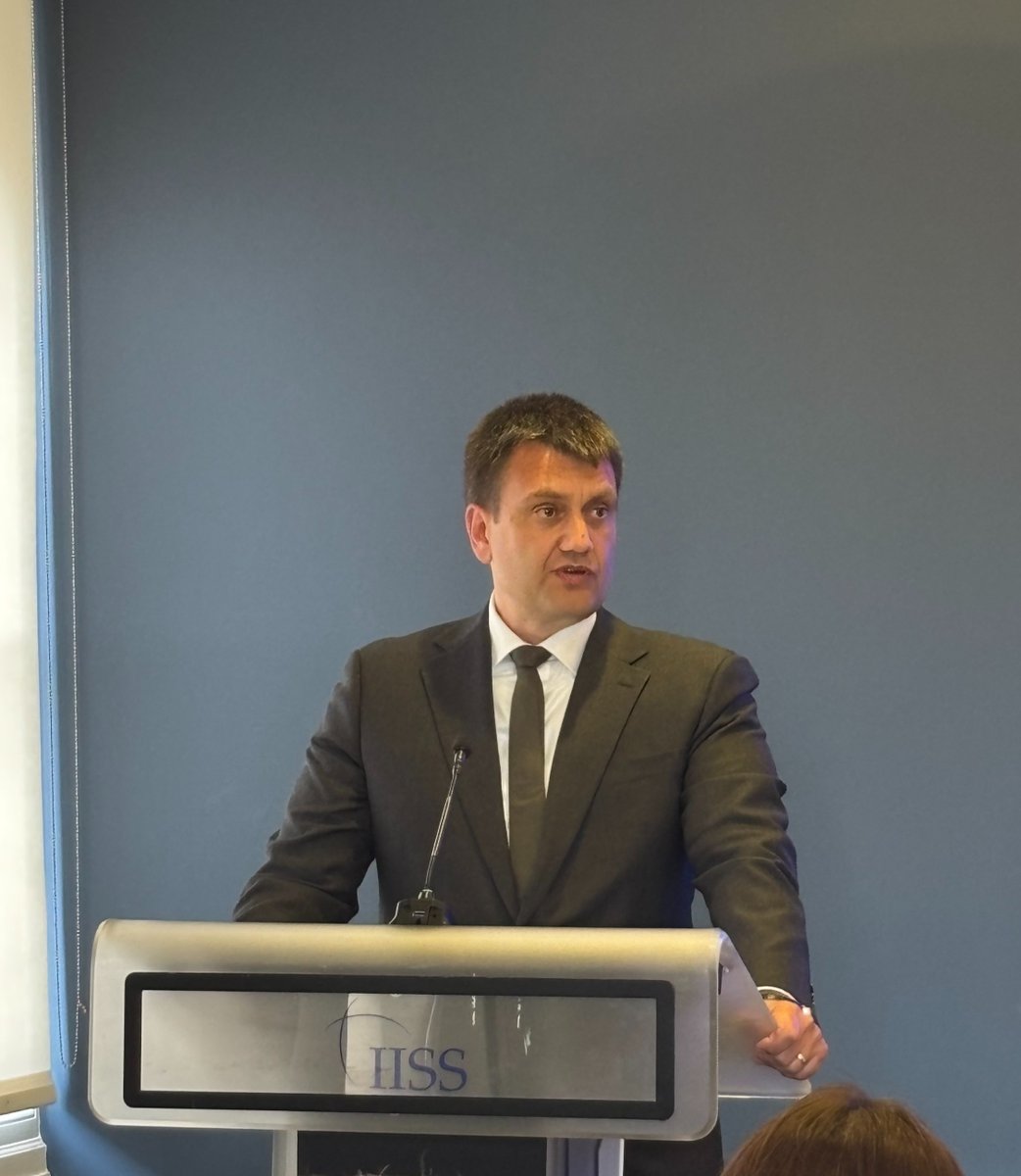
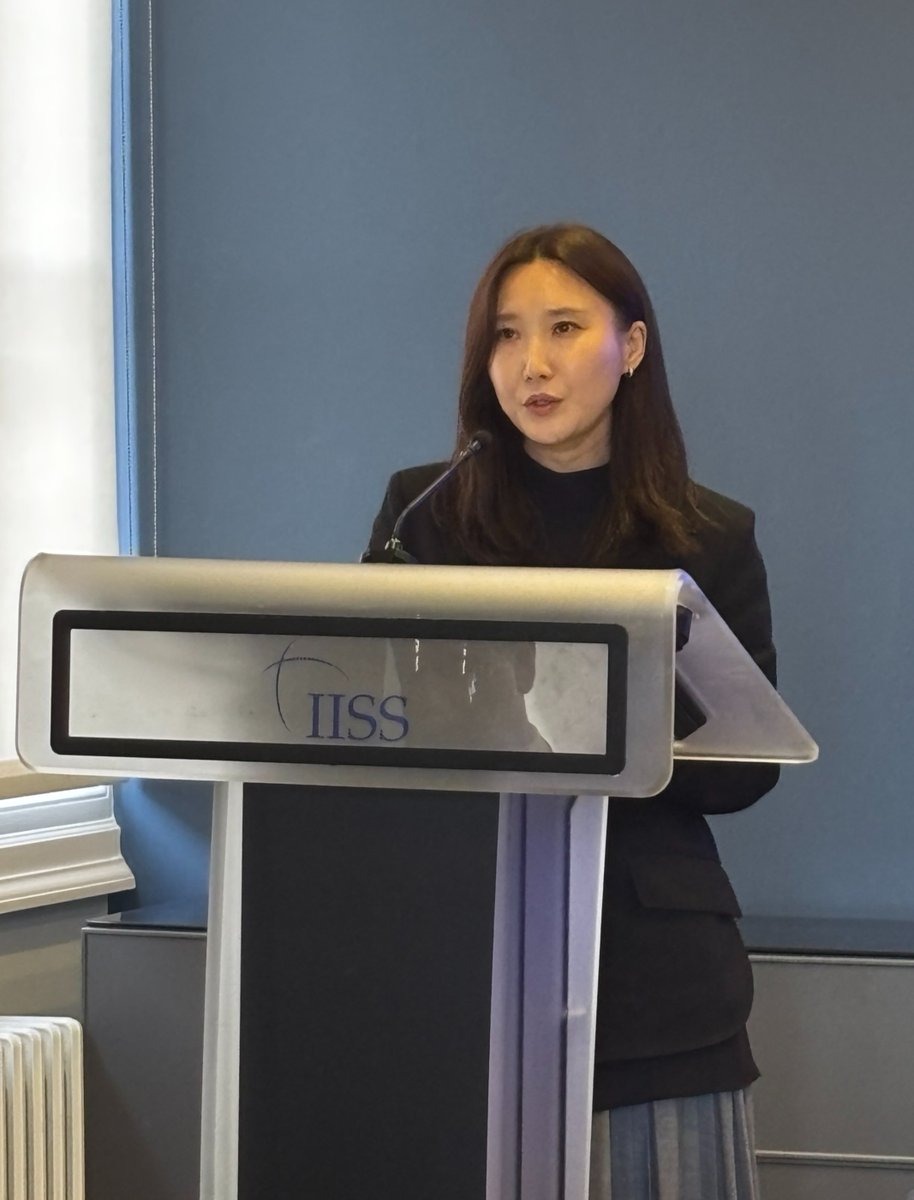
On 8 April, the IISS celebrated the launch of the IISS Korea Chair in Advanced Technologies, National Security and Defence, established with the generous support of the Korea Foundation and Hanwha.
Director-General and Chief Executive Dr Bastian Giegerich (@B_Giegerich) introduced the programme and the inaugural IISS Korea Chair, Dr @lamikim. She then addressed a timely and important issue: South Korea’s push for nuclear-powered submarines, followed by a conversation with Nick Childs, Senior Fellow for Naval Forces and Maritime Security, and a Q&A session with the audience.
Key takeaways from the discussion included:
🔹 South Korea is seeking to develop nuclear-powered submarines to counter North Korea’s nuclear threats, particularly those in the underwater domain. Last year, President Lee Jae-myung asked President Trump to help secure nuclear fuel for these submarines, and President Trump expressed support.
🔹 However, significant uncertainties remain, including where the submarines would be built, how much they would cost, whether Washington will follow through on supplying nuclear fuel, and whether South Korea can develop the necessary naval reactor technology.
🔹 While these challenges are substantial, there is broad bipartisan support in South Korea—among both liberals and conservatives—for pursuing nuclear-powered submarines, and the issue is likely to remain a key priority for years to come.
Find out more about the IISS Korea Chair programme ⤵️
https://t.co/KfKr4zEQVa
South Korea once hosted US nuclear weapons, explored its own nuclear option in the 1970s, and today sits at the centre of renewed debates over deterrence and proliferation. In this episode of the Arms Control Primer, @alexbollfrass, Dr Se Young Jang and @lamikim examine Seoul’s nuclear history, why it joined the NPT, how US pressure and reassurance shaped its choices, and what North Korea’s growing capabilities mean for South Korea’s security today.
🎧 Listen here: https://t.co/F6bzBLr9eh