Thank you for your detailed response :)
What you are saying makes sense but how do you go about finding someone to help?
I've been surrounded by technical folks my whole life and I don't have easy access to non-technical ones who might need help.
I did some cold outreach but never found any meaningful problem to solve there.
As I think about my options for the coming year, I'm really struggling to find a path to commit to.
I've been a software engineer for 5 years, recently quit to pursue a more entrepreneurial path.
However, it looks like opportunities for software are shrinking.
Claude ship is great but it still misses good integration of different models.
It makes sense to pair Claude with GPT for reviews. That's why I think @devindevelopers is killing it here.
Introducing Claude Ship (beta): Claude can review your pull requests, work on fixes, and approve the ones your team's policy allows.
The goal is to help you ship code as fast as you can write it.
The problem with most of the "don't quit" advice is they assume less than 6 months runway.
I know plenty of people who are post economic and still are scared of quitting.
In my opinion anything beyond 10y is safe. You can't reliably predict life so much in advance.
I went to a strip club on Saturday and I was really unimpressed.
I didn't see the appeal of watching a girl in bikini hitting the ceiling with her ass.
But maybe I'm too much of a nerd.
Consumerism is source of novelty for those trapped into a monotonous life that does not excite them.
I have no cravings for external objects when I'm totally focused on my projects, which are things I enjoy doing, as opposed to a boring 9-to-5
The best writing advice I ever got was two words long. And it stung.
The two words stung because they cut at the one thing my brain had always done well: language.
You see, when I was seven, I had a stroke.
It damaged the right side of my brain. So I learned to process the right hemisphere stuff, like space and vision, through language.
Language became my superpower. I started a school newspaper in grade school, wrote a column for the regional paper in high school, and became managing editor of my university paper.
So you’ll believe me when I say that I was the writing guy. Or so I thought.
I thought language skills and passion for my topic was enough to write well.
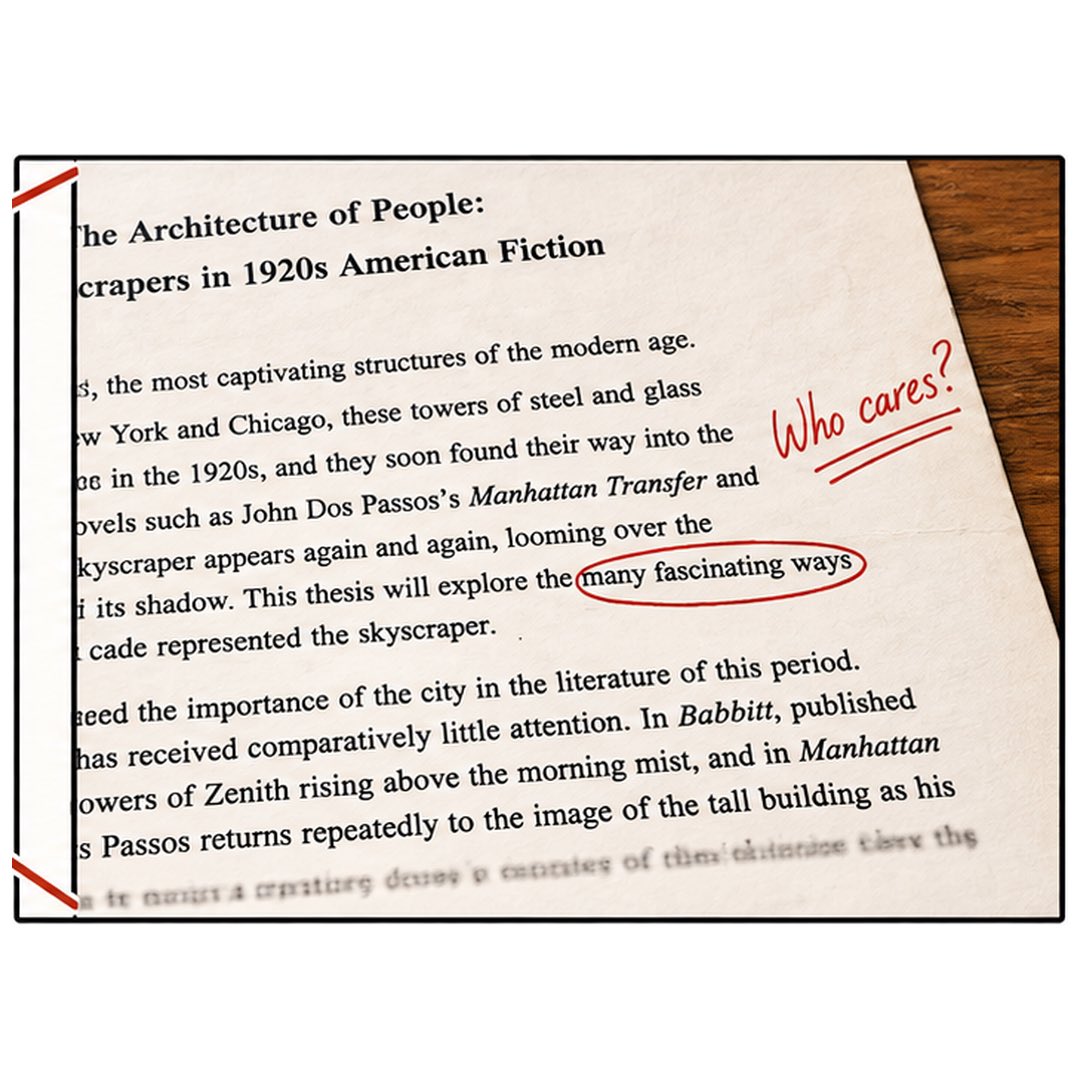
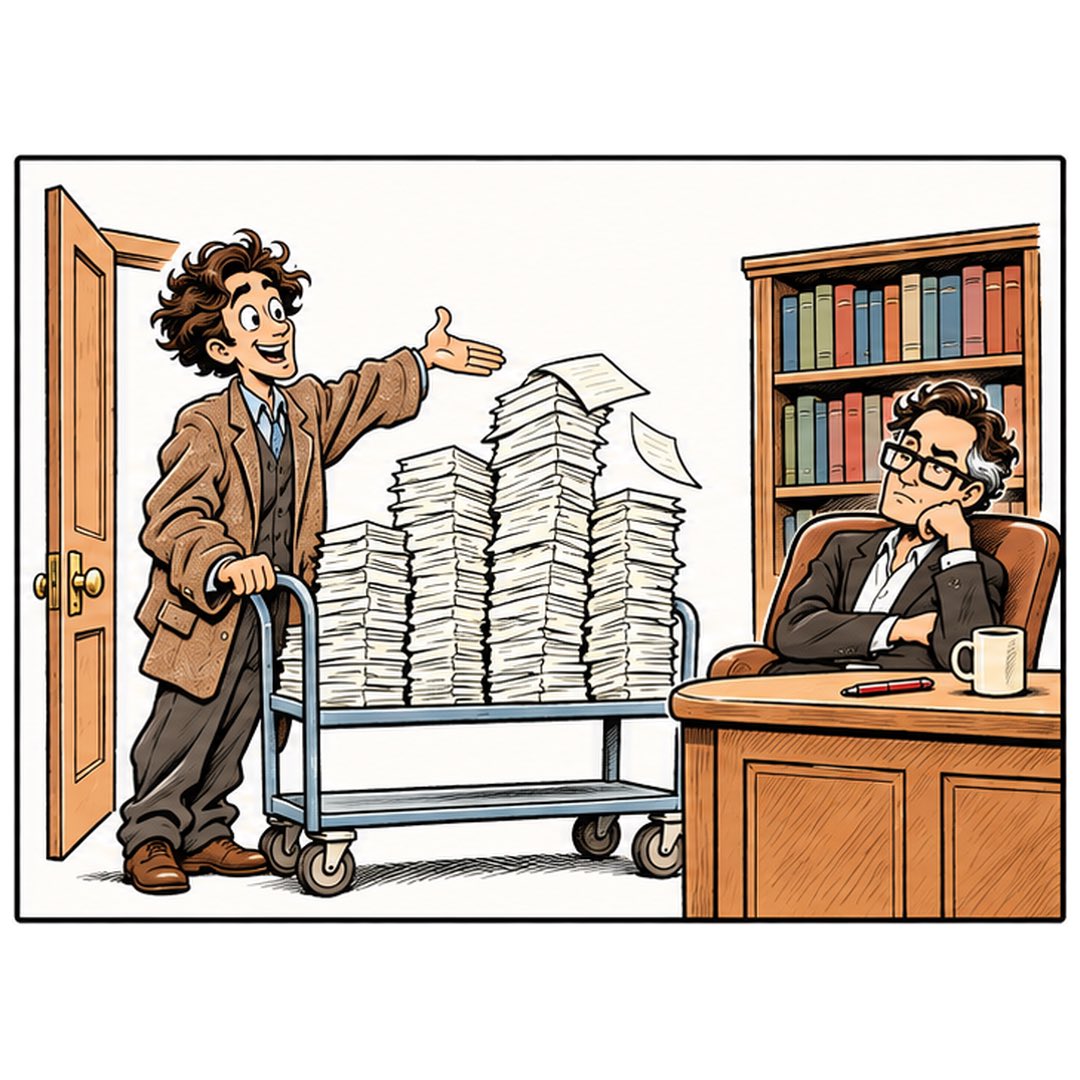
But that belief was broken when I handed my senior thesis to my new advisor.
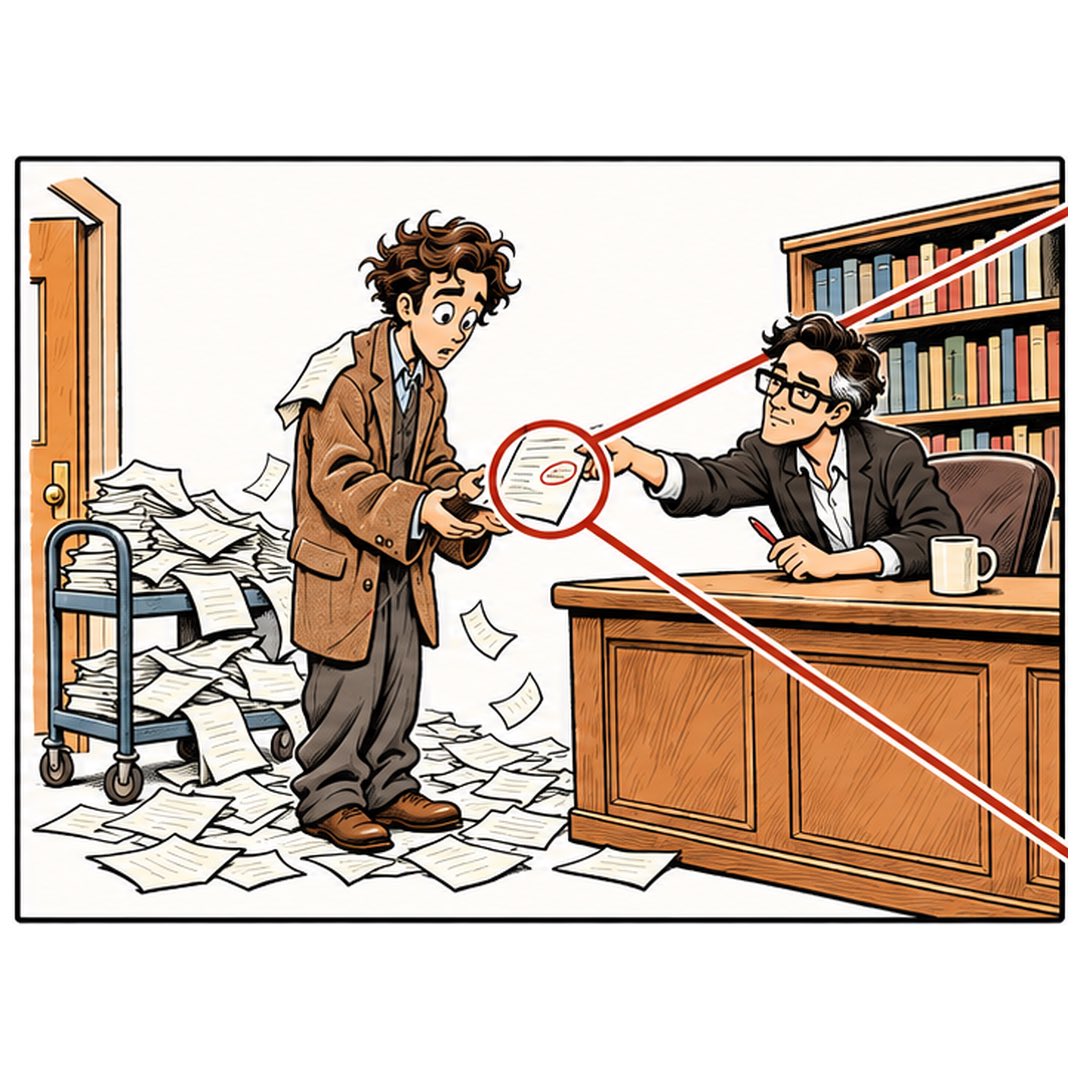
I’d spent weeks on that draft, with stylish sentences, fashionable verbs and structures borrowed from writers I admired. It came back with two words:
> Who cares?
This professor must not be very bright, I thought. After all, I’m a great writer. Can’t he see that?
On second thought, maybe it’s too complex for him.
So I simplified everything: plainer words, shorter sentences, no adverbs.
> Who cares?
What’s this guys problem? I thought.
But when I looked closer, I saw that there were indeed some mechanical errors.
So I fixed the grammar. I learned that vs. which, stopped scattering semicolons like confetti, and followed every convention by the book.
> Who cares?
That was three drafts and three rounds of working on the wrong thing.
The third time, he finally explained what good writing means.
That one idea has shaped everything I’ve taught since, including seven years running the writing lab at one of the top research institutions in South Korea.
If you have a folder of notes and a draft that won’t come together, you’re probably working on the wrong thing too.
Read the full story and what he told me 👇
@NoahRyanCo It's a condition of emplyment to work hard.
And it is not even about working hard but showing it to your boss and coworkers.
Saying you work really hard is often a sign you lack balls.