Alaska and Utah are the latest states to extend #Medicaid postpartum coverage to 12 months. Check out @NASHPhealth’s interactive map that chart summarizes proposed and approved legislation since 2018: #statehealthpolicy https://t.co/pQTOFCgi9y
Join @NASEM_Health, 4/11 for a public meeting on #WomensHealth research including efforts at the National Institutes of Health (NIH), the White House Women’s Health Initiative, & barriers to studying structural contributors to women’s health. Register: https://t.co/kbzxPg3qRo
In the wake of the pandemic, the demand for behavioral health services has surged to crisis levels. Check out our new resource guide for state example, practical tools, and more: https://t.co/RB7v3JA341
Calling all state officials! Applications for @NASHPhealth’s State Policy Academy on the Behavioral Health Workforce are now open. Apply by April 26: https://t.co/o12pKgBlPI
On #IWD2024, we recognize the millions of women who provide care to a family member, friend or neighbour.
“Without informal carers, the health system would collapse,” says @HarmonAisling who cared for her parents. Read her story ⤵️
@Eurocarers_info
https://t.co/0dRdnyp3Pn
In Arizona’s comprehensive crisis system, more people access care via mobile crisis teams and crisis facilities than via the emergency department. @mebalfour https://t.co/3PUvlvfc0u
Respite care provides family caregivers with a much-needed break from the responsibilities of caregiving. Check out @NASHPhealth’s latest video to hear from states leaders on why respite care is an important topic for states: https://t.co/Q17keJHsw9
@NASHPhealth’s latest blog shines a light on strategies that states are using to engage people with lived experience in opioid settlement decision-making, as well as lessons learned and pitfalls to avoid. Learn more: https://t.co/p0aNwu1Azj #recovery#statehealthpolicy
Just announced! The new state-based Innovation in Behavioral Health Model helps address the nation’s #behavioralhealth crisis by delivering coordinated, whole-person care for people w/#mentalhealth conditions &/or #substanceusedisorder. Learn more: https://t.co/9ZnU74sCUL
Learn more about @NASHPhealth’s latest state trackers that show the status of 2024 state legislation focused on health care payment and delivery system transformation: https://t.co/7Xn94VnHXY
As National Family Caregiving Month comes to a close, we are excited to launch a new quarterly newsletter focused on family caregiving! Sign up today: https://t.co/XHcrdjzFeS #NFCMonth
A new model from @CMSinnovates provides states with an innovative way to curb health care cost growth, improve population health, and advance health equity. https://t.co/54qxh6WntF
View our current Year Two projects to see which BH workforce topics and policy-relevant research questions the BHWRC is diving deeper into: https://t.co/s7Zn0sbcRk
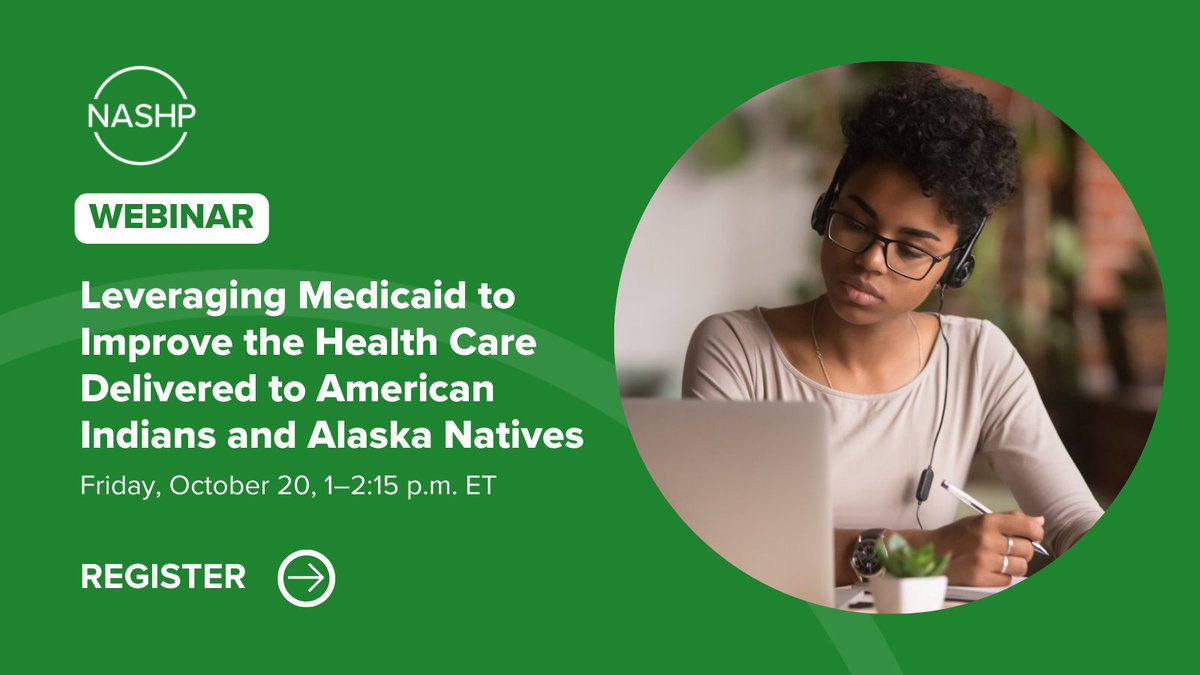
WEBINAR: Join us this Friday at 1 p.m ET to find out how state officials and Tribal leaders in #Arizona and #Washington state are partnering to improve the health care delivered to American Indians and Alaska Natives.
Learn more and register: https://t.co/CLK1nuycRq
In response to growing behavioral health needs for the state's youth, #Wisconsin has established crisis stabilization facilities to provide services to youth experiencing a behavioral health crisis. https://t.co/GY4HICyg5P
World Homeless Day aims to bring into focus the issue of homelessness, inadequate housing, and the need to provide opportunities for communities to get involved in responding to homelessness. https://t.co/OnRZuT9kyR
Several policies have recently made changes to work requirements for the Supplemental Nutrition Assistance Program (SNAP). In a new primer, @ChloeNEast and @laurenlbauer explain how SNAP work requirements work—or don’t work. https://t.co/SdA2zZJG0l