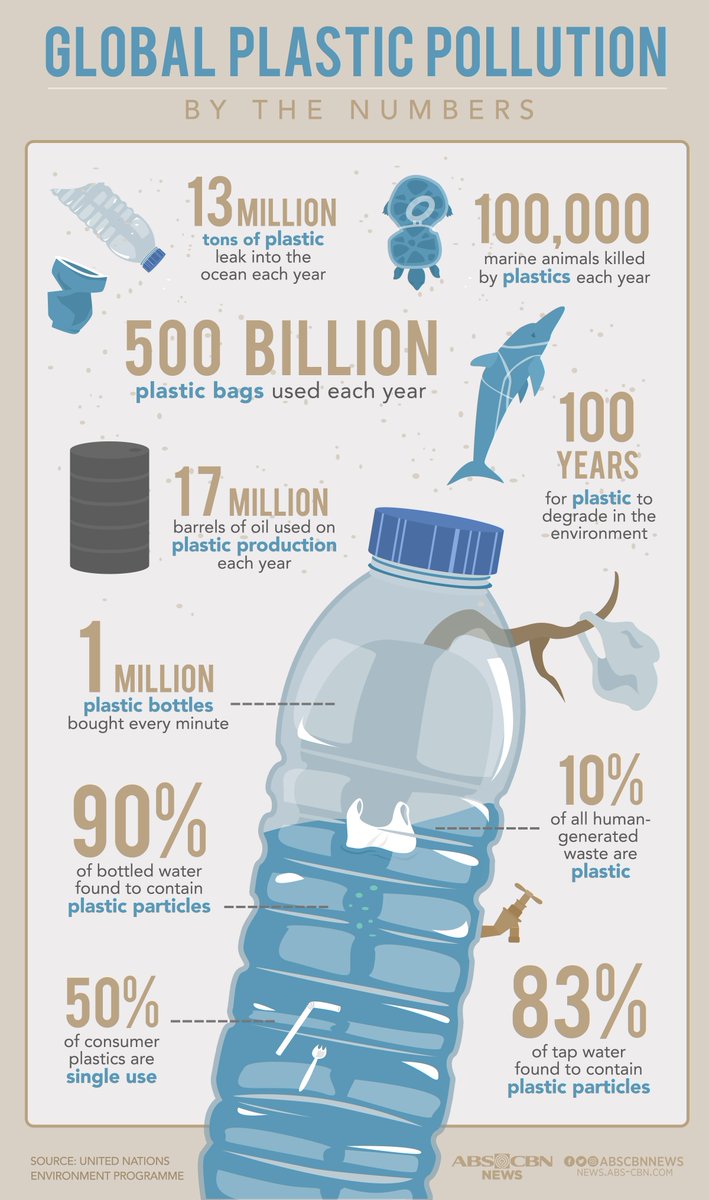
Informing students of the physical impacts plastic pollution has on the environment allows them to understand the full effects of using single use plastics in society. Creating a resolution and informing the community whilst involving students will be beneficial to all #UoNTeach https://t.co/WliYCZgxOp
Say NO to plastic!! Single use plastic is one of the most damaging plastics used in society. Celebrating World Pollution Day next Tuesday in the classroom will bring more awareness to the children, and taking it into their households to build a Plastic Free Future!! #UoNTeach https://t.co/BMaY2nMAXK
If you can’t reuse it, refuse it! A great motto to begin in the classroom to reinforce the importance of the issue that is impacting the wildlife. Engaging the community will allow them to support the students in their unit of work. #UoNTeach https://t.co/nQoH6A9sTI
A great initiative that should be widely expressed. Using a school as a platform to involve the community to begin the awareness of single use plastics and what can be done to reduce the use of them. #UoNTeach https://t.co/Y6tkbH5sTB
Single-use straws, sachets, water bottles--how big a pile of garbage would daily use of these generate? Here's a snapshot of the global plastic problem and what you can do to #BeatPlasticPollution. #WorldEnvironmentDay
Global competence allows students to examine and understand perspectives and world views of others (OECD, 2018). This will help students understand the well-being and sustainable development of other countries, whilst linking to recycling and pollution. #UoNTeach
The contextualised approach recognises that learning is a complex process that goes far beyond stimulus-and-response methodologies. Learning occurs only when students process new information in such a way that it makes sense to them in their own reference (CORD, 2016) #UoNTeach
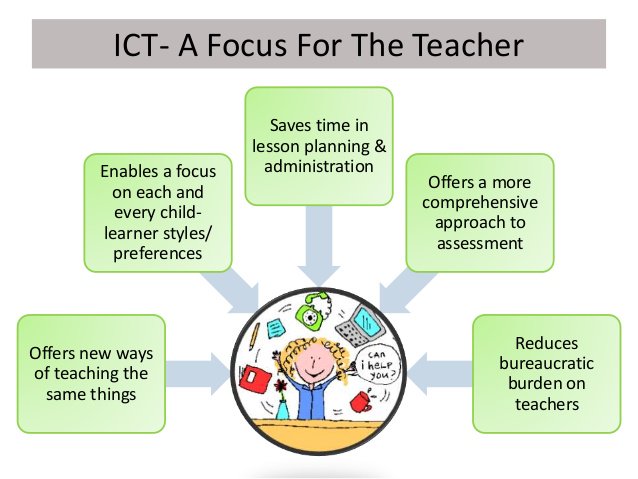
Despite teachers’ positive attitudes towards using ICT in the classroom, it is largely underused (Zyad, 2016). ICT can be very beneficial towards student education and increase engagement in lessons. Using ICT in the classroom will develop further technology skills. #UoNTeach
I also reflected on my role as a future educator when watching this. Teaching students about sustainable futures and understanding how we impact our world and what we can do as a community and individuals to fix this issue, I will be more knowledgeable. #UoNTeach https://t.co/yKKC55PM2x
This video has made me reflect on what my role is as a future educator. What can I do to engage my future students, learning about a sustainable future. #uonteach
https://t.co/l9dPz2UgjK
When researching and designing my community-based project I too didn't realise the amount of helpful assets available to help!Bunnings, Take 3 for the sea, Clean up Australia day and parents volunteering are just a few who helped make it possible!This quote is 100% true #UoNTeach https://t.co/PlhOnVZhQU
When designing my community-based project and integrated unit of work I realised just how many community assets there are! Identifying and organising these community assets can help you achieve collective goals (Goetting & Green, 2010). #UoNTeach
When teaching in today’s society we face many barriers in the classroom educating the young learners. We must address the impending obstacles to ensure that their education is not affected and reach their fullest (Shulsky, Baker, Chvala & Willis, 2017) #UoNTeach
Twitter is increasingly popular among educators and offers numerous affordances for learning (2014). Reading other teachers information about helpful resources on multiple social media sites has been beneficial towards my teaching and also my students learning. #UoNTeach
This is a great initiative that should be extended to schools and local businesses to engage the whole community. I believe expanding this initiative into local homes and allowing families and children to participate will broaden their knowledge on this issue. #UoNTeach https://t.co/iX5jeuao3Q
Check this out! @lakemac is distributing food scrap bins to all households! A great initiviative to show our students that involves the local community and promotes #sustainable practices. https://t.co/WRLeww9YAl #UoNTeach
Curricula integration presents the possibility to broaden and deepen a student’s learning (Hudson, 2012). Providing a rich learning experience for children can be done through integrating subjects to ensure teachers cover all syllabus points in a short amount of time. #UoNTeach
The six rubrics of 21st Century Learning represents an important skill for students to develop, Collaboration, Knowledge construction, Self-regulation, Real-world problem-solving and innovation, the use of ICT for learning and skilled communication (ITL research, 2012).#UoNTeach
Reflecting on this, it is an important and helpful resource in the classroom to benefit students. The Global Perspectives text can help create active, ethical and effective global citizens that are competent individuals for the 21st Century at all stages of schooling. #UoNTeach https://t.co/jjKLEbYXoY
The Global Perspectives text is a great resource to be utilised when designing a global education unit/project. The text offers practical ideas that allow students to be embedded into a culturally diverse classroom that is linked to the curriculum standards(GEPNSW,2014).#UoNTeach
Clean up Australia Day is a great community-based event that will encourage all students in the school to take action for the environment. Clean up Australia inspires and empowers communities to clean up, fix up and conserve our environment. https://t.co/F09eA5xgzS
Reduce, Reuse, Recycle is a great initiative to introduce into the school to allow students to gain knowledge on what happens to their rubbish and what they can do to have a positive impact on our world. https://t.co/LOSbEmq0Nm #UoNTeach
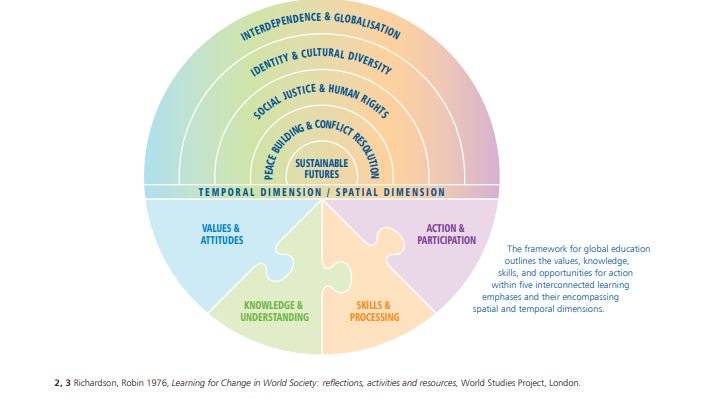
Global education broadens a child’s outlook to become active, engaged citizens of the global community. Five Global education learning emphases allows a deep learning opportunity through the exploration of all subjects. (GEPNSW,2014). #UoNTeach
This is a great concept for teaching and allows students thinking to be directed more effectively. De Bono’s Thinking hats also simplifies thinking by allowing the thinker to deal with one thought at a time and understand their feelings more deeply. #UoNTeach https://t.co/kOfKff8E9X
De Bono's Six Thinking Hats develop students' critical-thinking and problem-solving skills. Students are required to use a certain type of thinking and switch to a new type of thinking once this approach is exhausted (Kivunja, 2015). #UoNTeach https://t.co/pnQfsztTWi