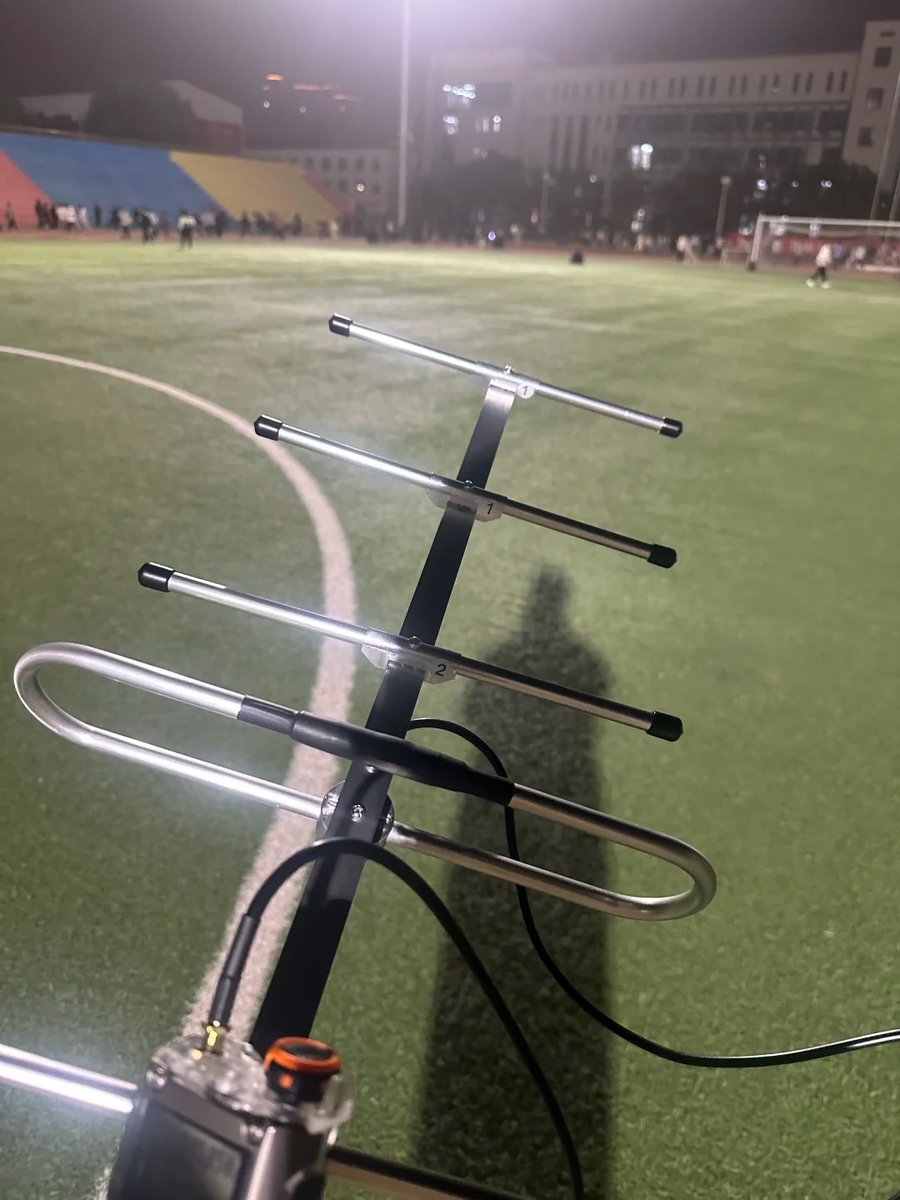
There are so many tall buildings nearby that I really couldn’t find a better reception spot on campus. The elevation angle was 25.5° this time. Hopefully, I’ll get a better signal next time!#SatelliteReception#Antennas#SDR#SSTV
@K4KHOMetroATL@N4JAW Looks like a great setup for the Bronco. My main concern would be airflow—especially during long, high-power transmissions in a closed box. I’d check the ventilation and operating temperature before buying.
@riprap1 The military-aircraft mode sounds interesting. I wonder how many actually appear, since some military flights limit or disable ADS-B transmissions.
435 MHz LEO SSTV noisy with a “high-gain” rooftop vertical? A 3–5-element Yagi can improve SNR by focusing on the satellite and rejecting noise—if pointed, polarized and Doppler-tuned (≈±10 kHz). Verify mode/frequency, record audio, follow local rules. #SSTV#SDR#AmateurRadio
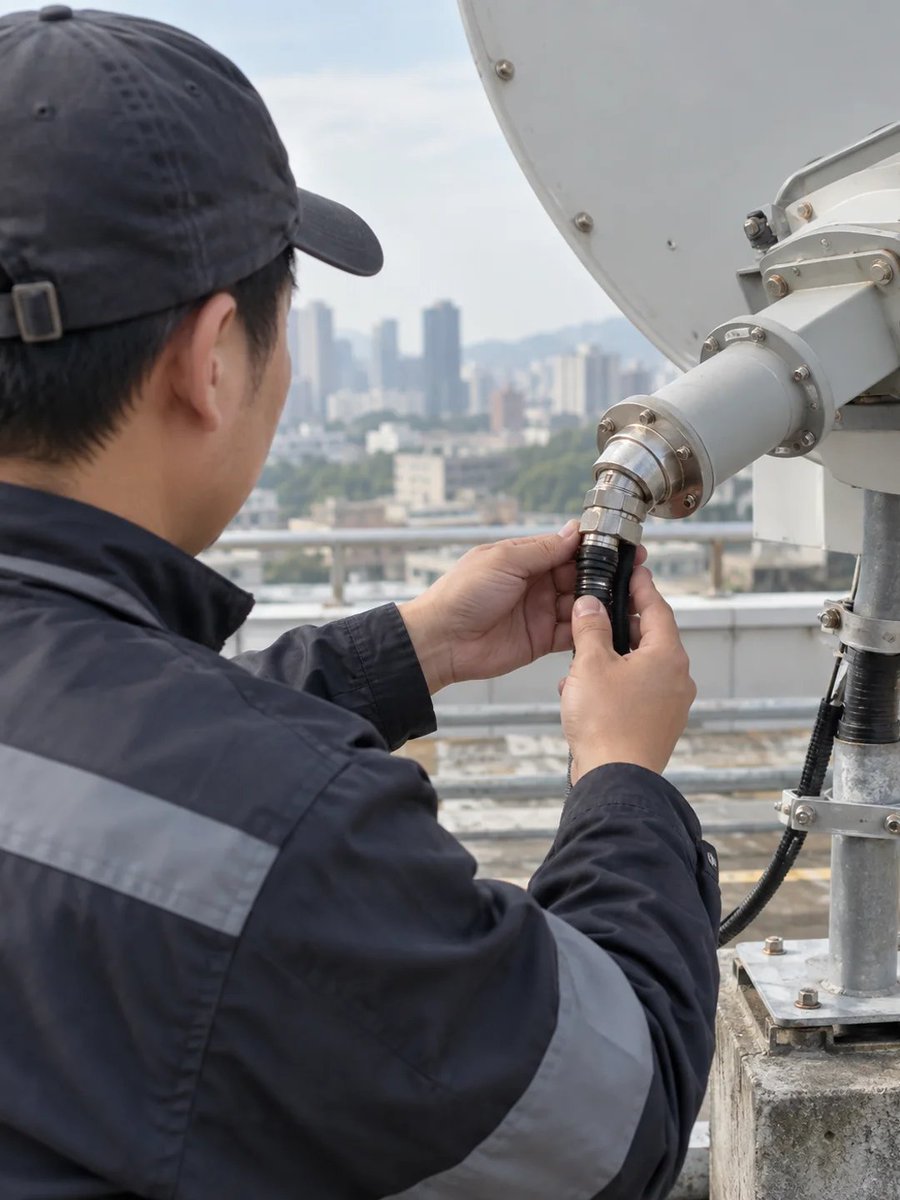
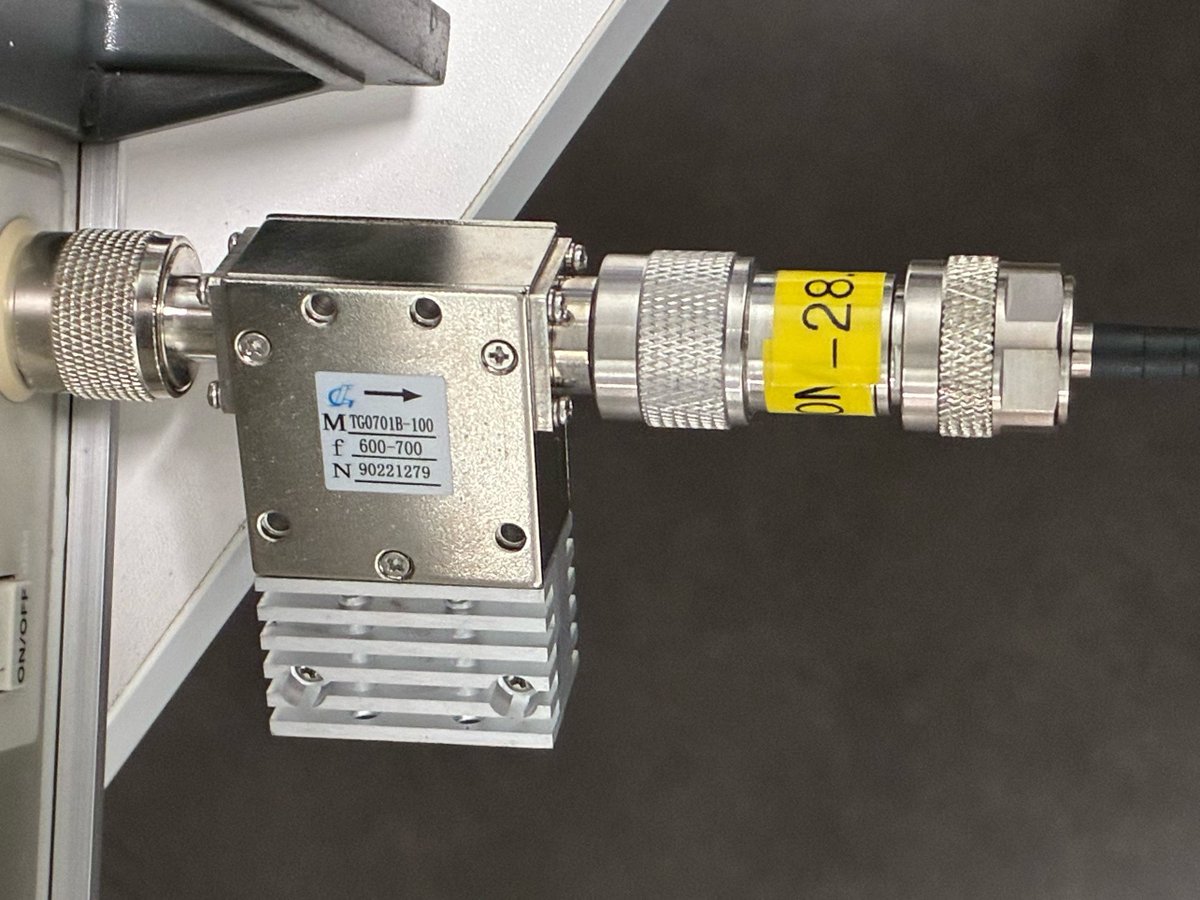
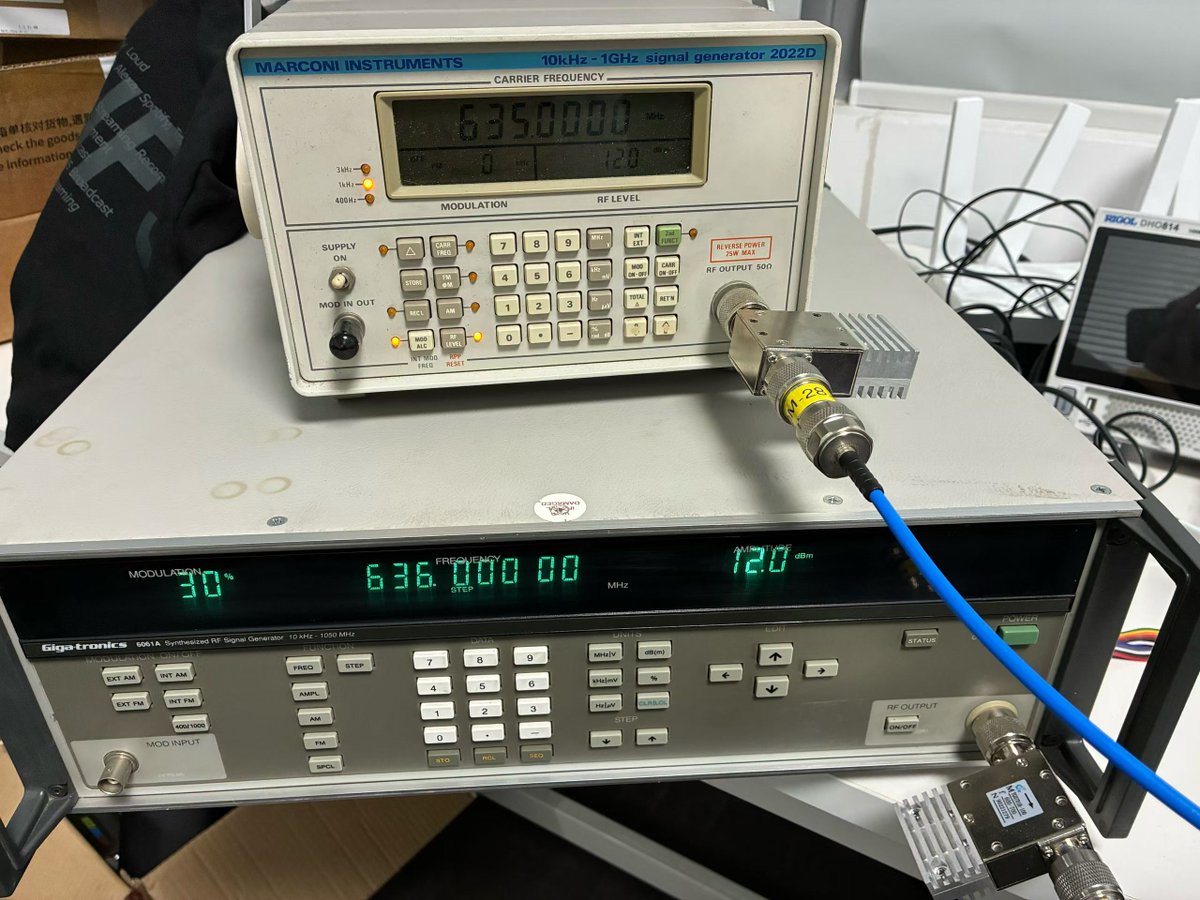
6.Add a notch/target-band filter near the SDR; check passband, impedance/connectors/loss. Run A/B/A 3×. If noise/false signals fall and SNR/decoding improve, diagnosis is reliable. Use only enough attenuation. Never test an unknown TX feedline: strong RF can damage the SDR.#SDR
1. Small SDR whip → rooftop wideband antenna: waterfall fills with “signals,” yet aviation/amateur stations sink into noise. The antenna may not block weak signals; it may feed the RF environment into the receiver. Optimize SNR, intelligibility and decode rate—not the S-meter.
5. Run a gain sweep. If lower RF gain drops the noise floor, restores the weak station and clears overload, compression is likely. Then test Direct → known attenuator → Direct. If level drops but SNR improves, that is strong overload evidence.