It’s been a wild 12 months since I went to the ICU. So much has changed. It’s never easy to ask for help or donations but if if you have the means please give or share this post.
Thank you!
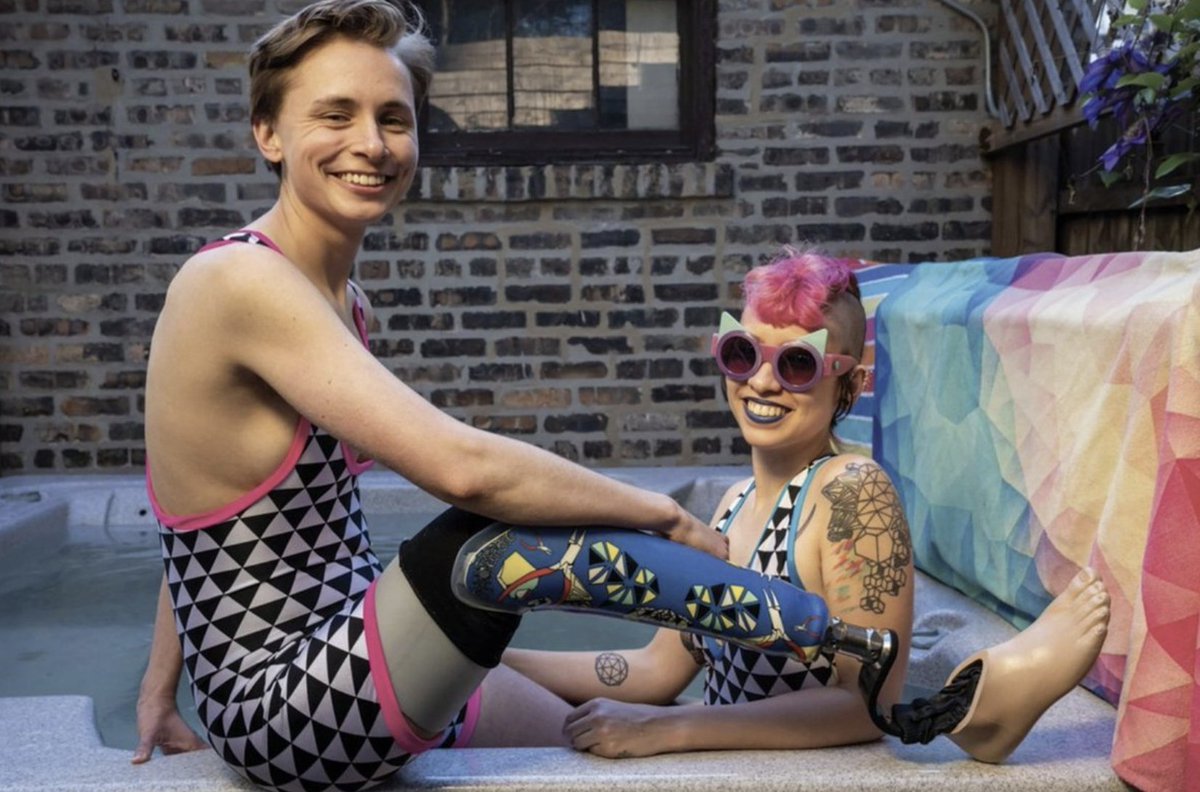
“Disability culture design turns attention to a central question of disability activism since the 1960s,” writes @AimiHamraie. "Why be normal?” #DisabilityAwarenessMonth https://t.co/zMrz5cB7IM
Thank you to everyone who has followed and supported Judy throughout her lifetime of advocacy. May her memory be for a blessing.
https://t.co/BzQSXux9bj
@ashleyshoo Correction! Please forgive my mistake (my memory was fuzzy), and thank you for reminding me the inimitable Ed Yong wrote this piece in which you were quoted. Eagerly awaiting your new book!
Disability scholar @ashleyshoo explains how "crip time" will become our new standard of timekeeping during COVID-19: "I already live in this world when I’m measuring time in shorter increments, when my future has always been planned differently.” https://t.co/IvI7hEwzwC
“crip HCI must seek to support disabled people in articulating their own knowledge about their disability as well as their interactions with computational systems,” writes @laura4lano
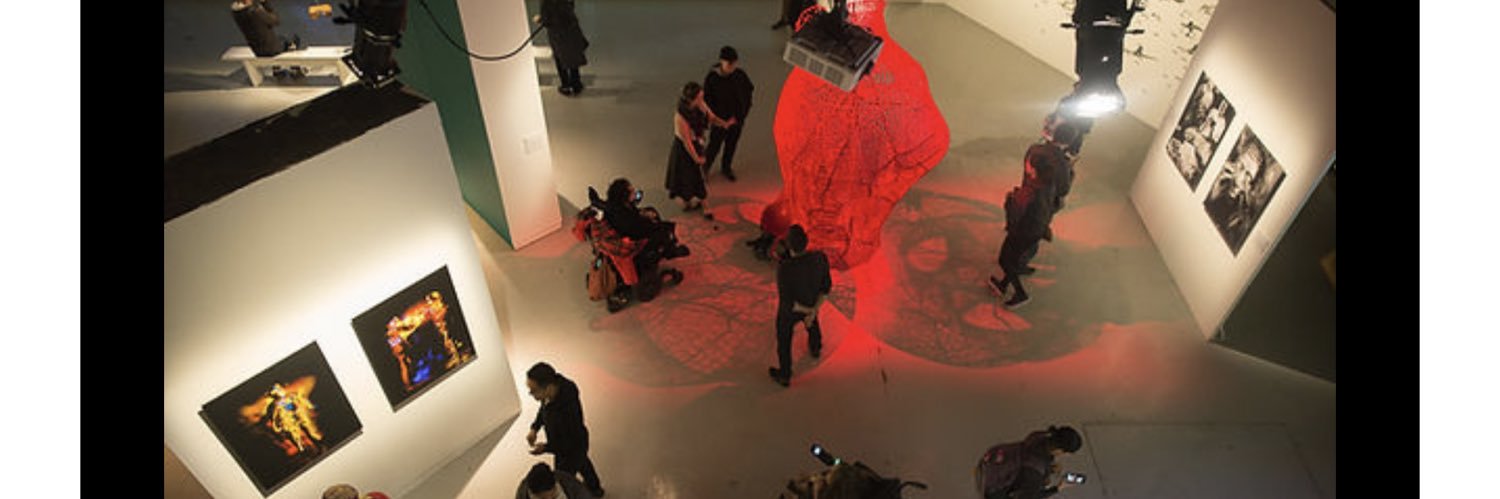
Criptech Metaverse lab joins the Gray Area 2023 in a special season of programming focused on ACCESS! Ten disabled creatives gather to collectively experience immersive artworks, generate participatory aesthetic access, and create new speculative artworks! https://t.co/eZ0yFLtUoM
After releasing the CFP a year ago (!), @gracenbrilz and I are very pleased to announce that the special issue of @first_monday, “This Feature Has Been Disabled: Critical Intersections of Disability and Information Studies,” is now out!
https://t.co/mBELK14HVG
This may very well be my last tweet, but very excited to be in conversation with the inimitable M Eifler about art, AI and disability futures @StanfordHAI. Tune in!
At our next HAI weekly seminar, Stanford lecturer @ldfelt will introduce a framework that locates disability innovation and artistry as central to the development of AI and technology. Join us live on November 30:
https://t.co/v6rakl6gqO
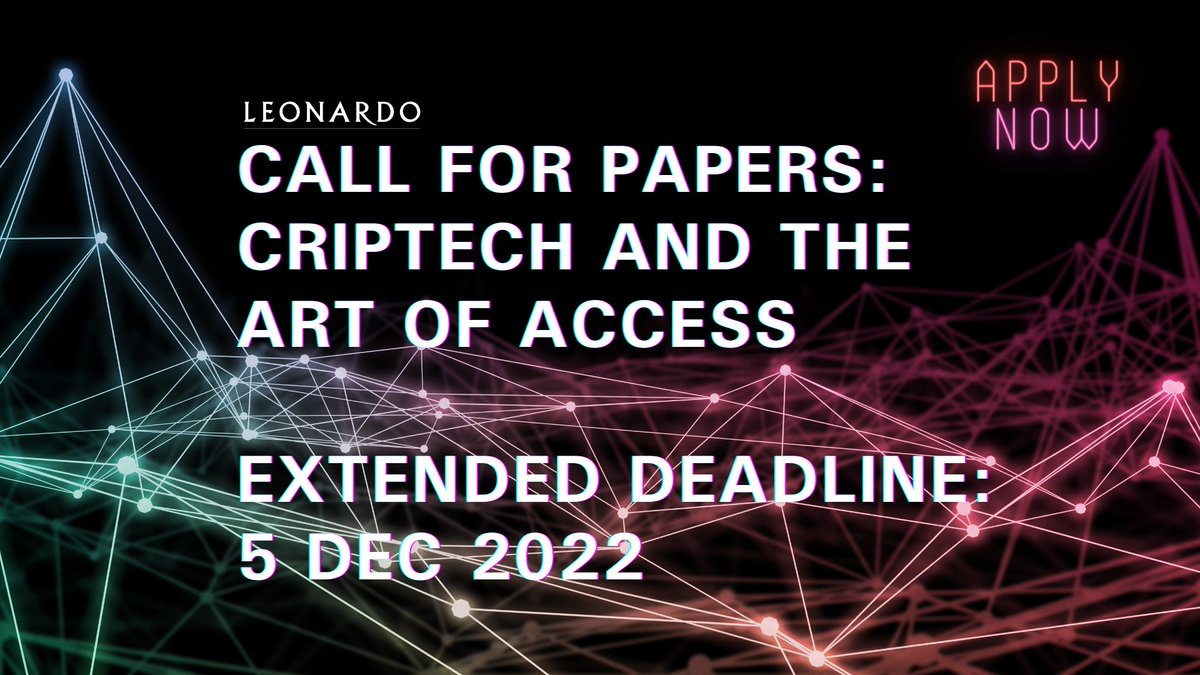
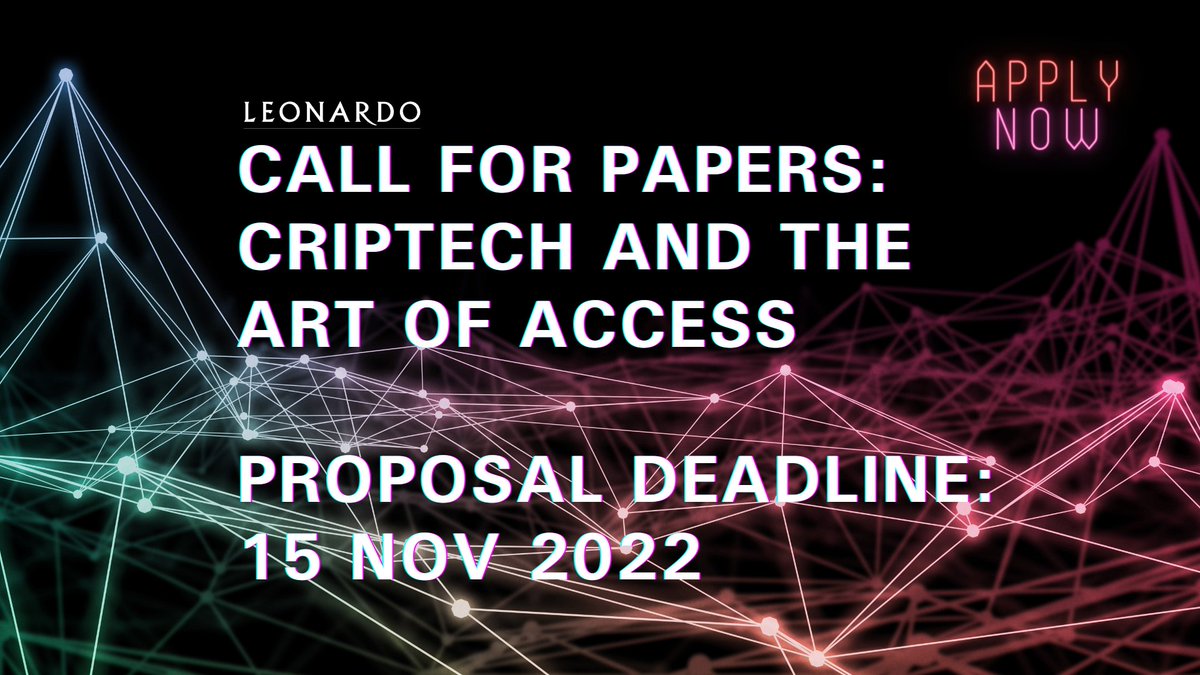
DEADLINE EXTENDED: 5 DECEMBER 2022 ➡️Leonardo journal invites abstract submissions to a peer-reviewed special issue titled,“CripTech and the Art of Access” dedicated to exploring the intersection of art, technology, science, disability & access.📌Apply now https://t.co/91KEagh48g
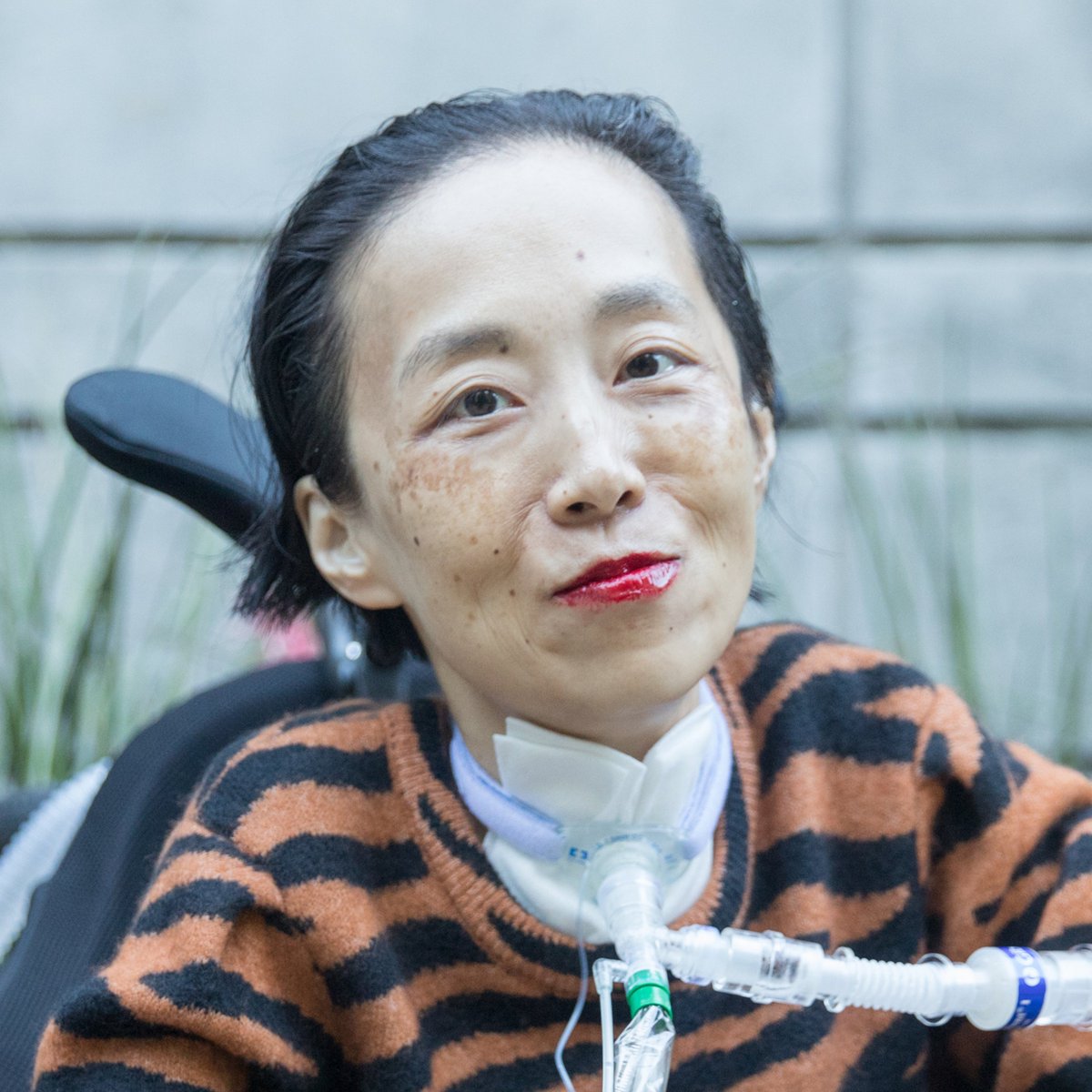
📻🗣️🎙️ This is my first audio essay as a nonspeaking person for @KQED's Perspectives series. It's a commentary on voice, communication access, and care.
Audio & text transcript: https://t.co/OgTFlXm1zn
#YearOfTheTiger
We're thrilled to launch of The Disability x Tech Fund, a collaboration between Ford's Technology & Society Program and @BorealisPhil's Disability Inclusion Fund, to support progress at the intersections of #tech, #disabilityrights and #disabilityjustice. https://t.co/zzNHHJD5oU
Here's a cool CFP on media and disability from @netalexander@maramills and David Friedrich. and Domenico Napolitano. Please circulate!
https://t.co/AxR7Rkz6nR
New CFP for @LeonardoISAST special issue “CripTech and The Art of Access”! We invite submissions that draw together scholarship in crip technoscience with artistic practices that expand the creative horizon of accessibility. #DisabilityTwitter#AccessIsLove#AestheticAccess
➡️ Leonardo journal invites abstract submissions to a peer-reviewed special issue titled, “CripTech and the Art of Access” dedicated to exploring the intersection of art, technology, science, disability, and access.
📌For further information please see ➡️https://t.co/91KEagzdmo
A caveat: this course has limits on amount of assigned reading, but I’m hoping to share a longer list of resources/examples/readings with students for their projects.
I can’t wait to introduce students to the work of scholars, activists and artists who have helped me understand #Access as an #Aesthetic — too many to name here, but (gulp!) sharing a working version of my syllabus. I’d love to hear your recommendations! https://t.co/o9cFooLRZk