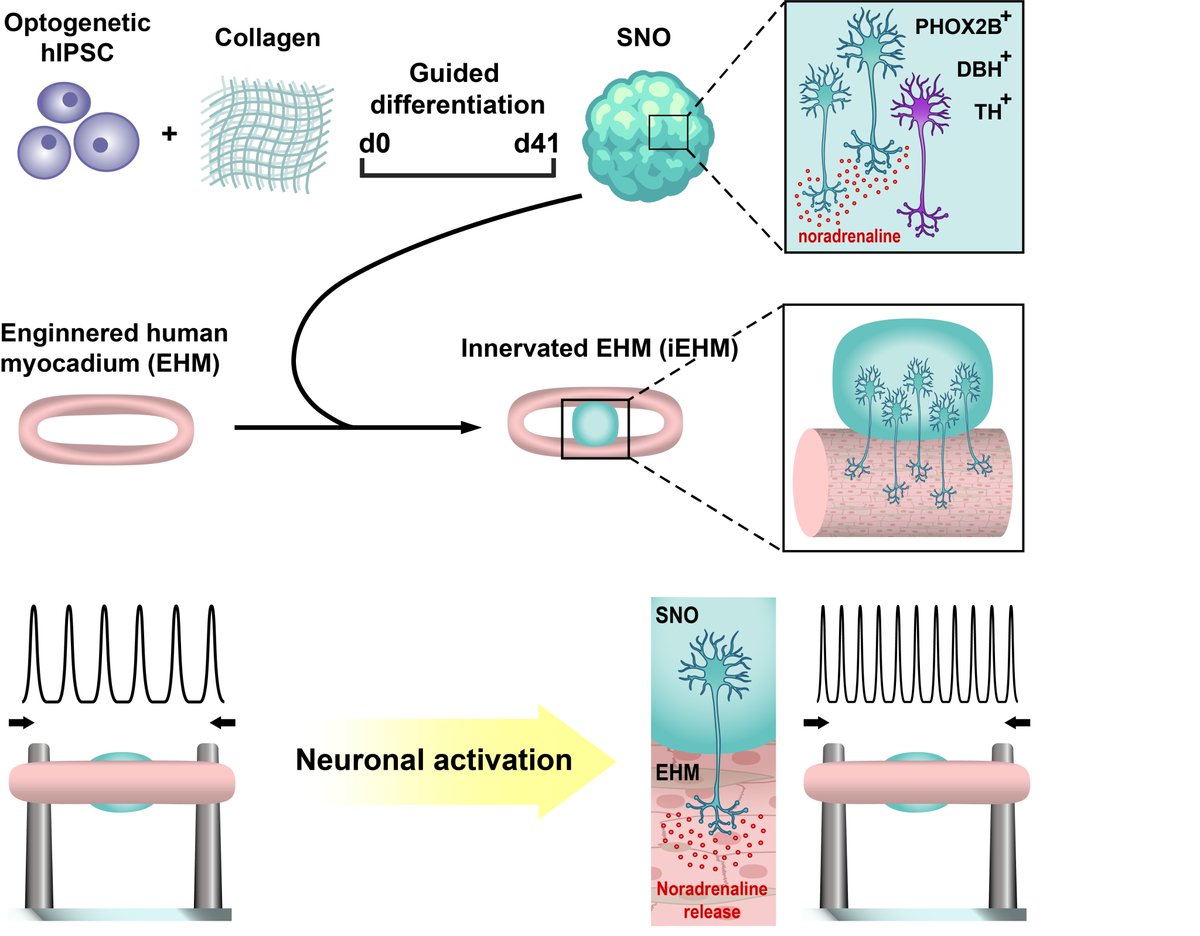
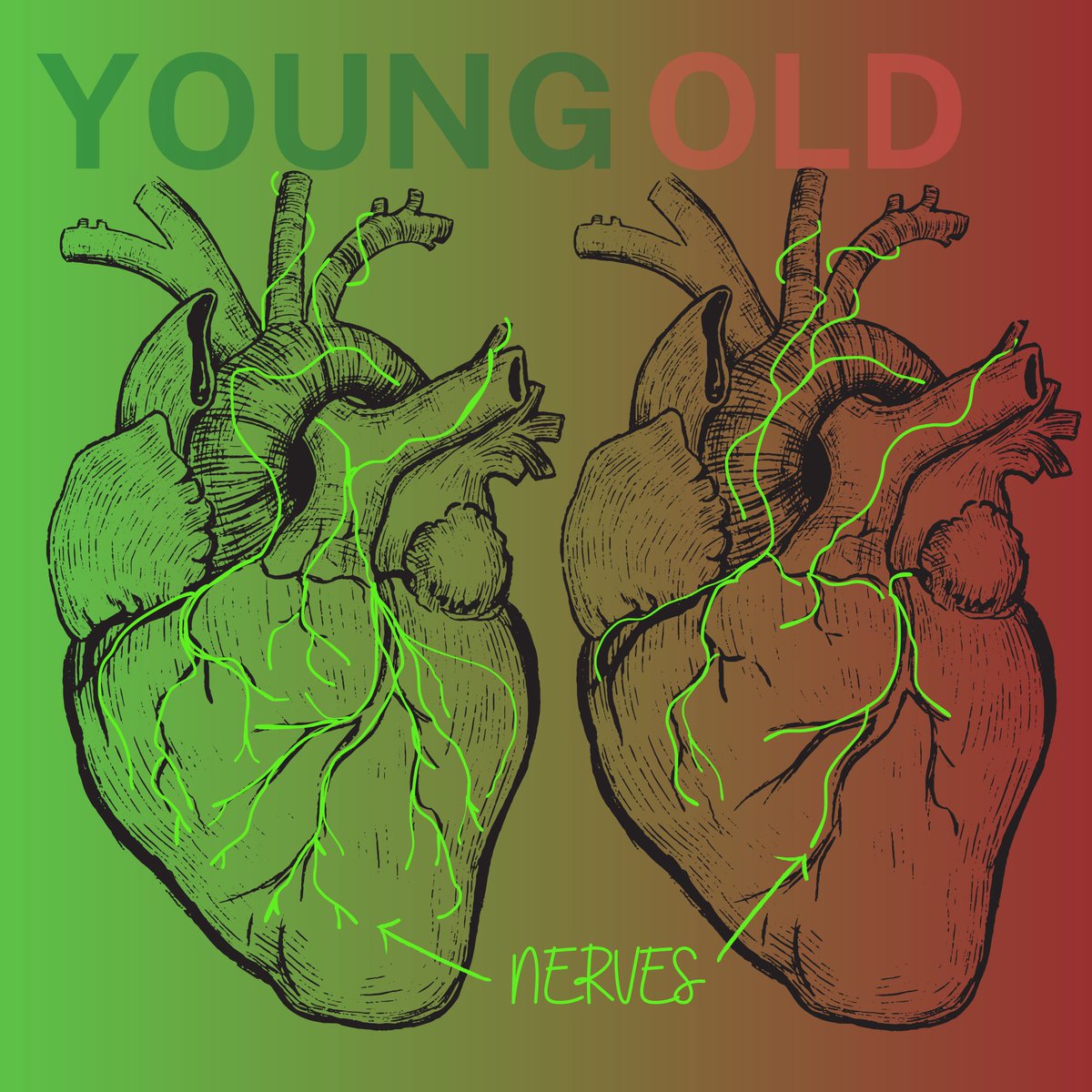
Our new preprint about an organoid model of heart and brain interaction is now availabe! Excited to share my PhD work in the group of @MariaPatapia. Thank's to all collaborators from @pharmaumg and @lab_fischer.
👇👇👇
https://t.co/qlPYBxuFkY
Isn’t it fascinating how #neurons can closely resemble cities and road networks? 🌆
In our most recent episode, Svilen discussed the role of the #cytoskeleton in neurons with Dr. Christophe Leterrier @christlet. Neurons contain different classes of protein filaments that make up the cell's cytoskeleton. They work together to maintain and change the cell's shape but are also important for transport processes inside the cell. 🚚
Dr. Leterrier likes to use an analogy in which smaller filaments (#microfilaments) such as actin serve as “roads” within the cell for short-distance transport, while large filaments (#microtubules) represent “highways” on which proteins or vesicles can travel longer distances and even the entire length of the axon.
For more intriguing facts about neurons check out our new episode with super-resolution #microscopy 🔬 expert Dr. Christophe Leterrier now out on YouTube and Spotify!
Left image: Neuronal cell culture, used with permission from Dr. Christophe Leterrier
Right image: Road networks in the southern Netherlands as seen from the ISS, European Space Agency (ESA, https://t.co/j5aLlZDJN7)
This podcast is supported by the International Max Planck Research School for Neurosciences in #Göttingen as well as the Cluster of Excellence "Multiscale Bioimaging" in Göttingen @MBExC_de.
#FluorescenceFriday #fluorescence #microscopy #optics #neuroscience #phd #phdstudent #phdlife #STEMeducation
Hello guys! In the following episodes we are going to interview scientists that are heavily involved in the development of microscopy tools and techniques, super resolution imaging and of course all of this in the light of neuroscience. If you have ever wondered what would you ask such an expert, please let us know in the comments.
#microscopy #brains #neuroscience
Signalling between cells is vital for a healthy organism. Cytokines are key players in this process. Listen to Prof. Heinrich as he unveils the power of these tiny cell messengers. Stay tuned for our new episode on Monday, which is full of more fascinating insights!
#cell #messenger #cytokine
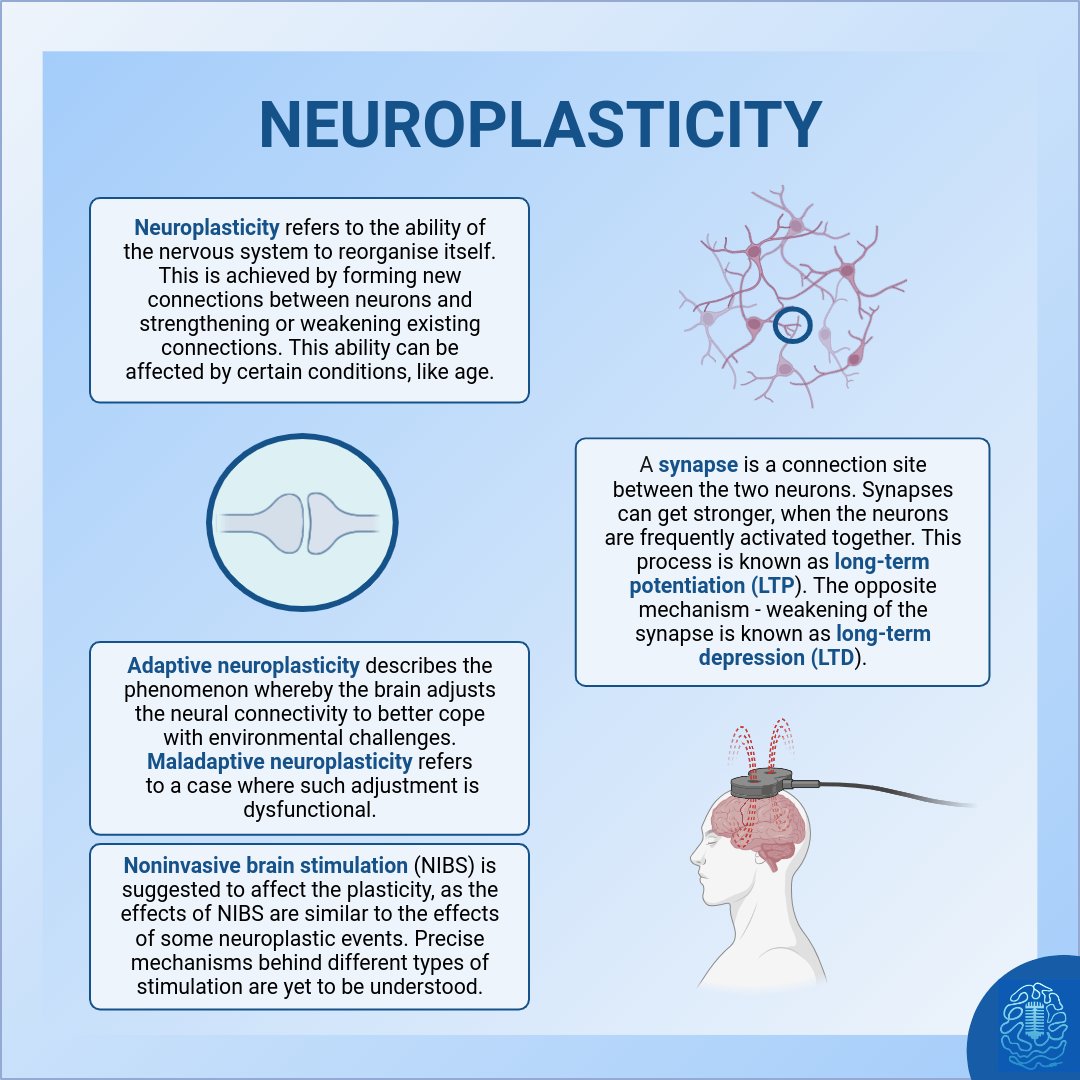
Our brains are not set in stone. They are dynamic and adaptable, they can reorganise themselves if needed. This remarkable quality is known as neuroplasticity. Today we give you a quick overview of it with our infographic. Neuroplasticity is heavily discussed in the context of noninvasive brain stimulation - the topic of our latest podcast with Prof. Andrea Antal, watch it here:
https://t.co/dZs2e8ginv
#neuroplasticity #brainstimulation #noninvasivebrainstimulation #infographic #SciComm
Sources:
Huang, Ying-Zu, et al. "Plasticity induced by non-invasive transcranial brain stimulation: a position paper." Clinical Neurophysiology 128.11 (2017): 2318-2329.
Chaieb, Leila, et al. "Transcranial random noise stimulation-induced plasticity is NMDA-receptor independent but sodium-channel blocker and benzodiazepines sensitive." Frontiers in neuroscience 9 (2015): 125.
Unless otherwise stated, all graphics were created with https://t.co/UKbi8m6gop
You’re in for a special treat today! In this 2-minute clip, Prof. Andrea Antal, a renowned expert in noninvasive brain stimulation, shares insights into the technique's principles and its therapeutic applications. 🧠⚡ Full episode is coming out tommorow - follow us to get notified.
This podcast is supported by the International Max Planck Research School for Neurosciences in #Göttingen as well as the Cluster of Excellence "Multiscale Bioimaging" in Göttingen.
#brainstimulation #parkinson #chronicillness #chronicpain
Noninvasive electric or magnetic brain stimulation is used as therapy for some medical conditions. Could such treatment, as a side effect, influence perception of a patient? Make them see something that is not there? We asked the expert, Prof. Andrea Antal! Full episode is coming out on Monday.
#phosphene #perception #brainstimulation #neuroscience #podcast #brain
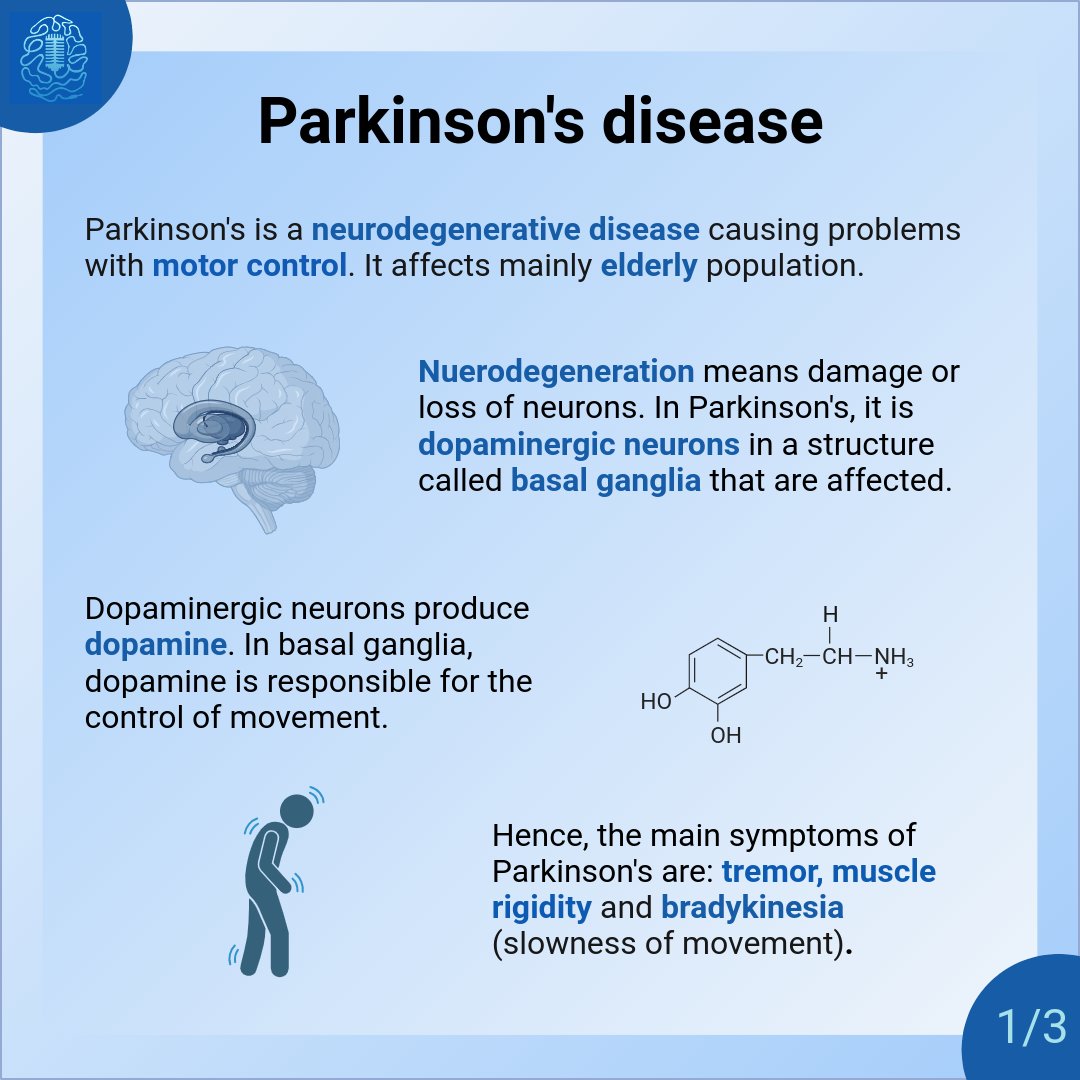
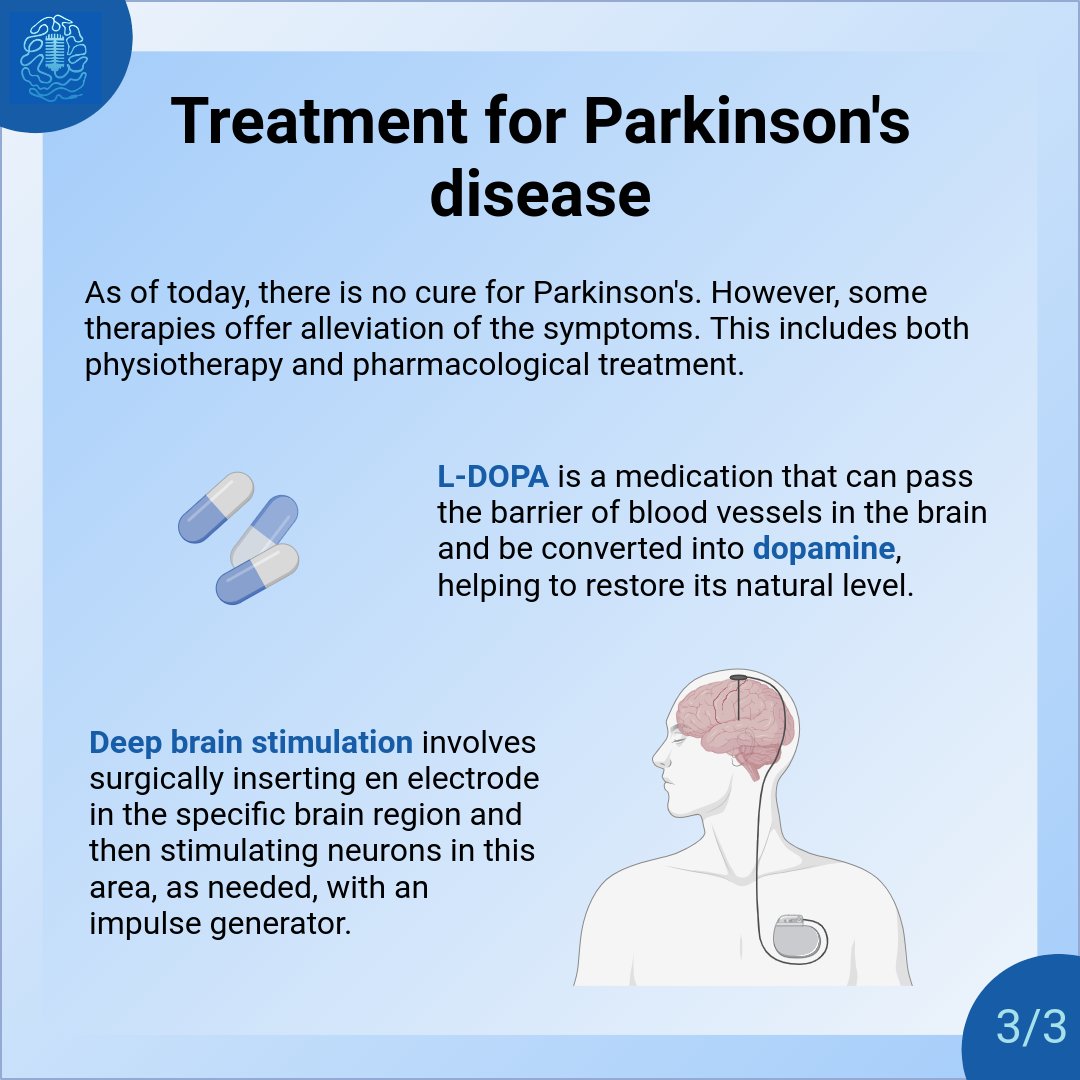
Neurodegenerative diseases pose a great challenge to our society. We put together some facts about one of them, Parkinson’s, in our infographics. Check them out!
If you are curious about this topic, find out more from our interview with prof. Tiago Outeiro here: https://t.co/cK29InOClQ
Sources:
Bhat, Shreya, et al. "Parkinson's disease: Cause factors, measurable indicators, and early diagnosis." Computers in biology and medicine 102 (2018): 234-241.
Flores-Leon, Manuel, and Tiago Fleming Outeiro. "More than meets the eye in Parkinson’s disease and other synucleinopathies: from proteinopathy to lipidopathy." Acta Neuropathologica (2023): 1-17.
Koga, Shunsuke, et al. "Neuropathology and molecular diagnosis of Synucleinopathies." Molecular neurodegeneration 16.1 (2021): 83.
Shahmoradian, Sarah H., et al. "Lewy pathology in Parkinson’s disease consists of crowded organelles and lipid membranes." Nature neuroscience 22.7 (2019): 1099-1109.
https://t.co/2AVVULwK0R
Unless otherwise stated, all graphics were created with https://t.co/UKbi8m6gop
#SciComm #neuroscience #science #brain #podcast #AcademicChatter #IMPRS #MBExC #Parkinson #neurodegeneration #deepbrainstimulation #LDOPA #protein
Wow, did you know our bodies are packed with up to 400,000 different proteins? 😲 They're like a symphony orchestra, working together in harmony. But here's the twist: if just one of these proteins goes rogue, it can throw everything off-key! 🎵
Professor @touteiro from @OuteiroLab, explains the function of a protein called alpha-synuclein in the clip below. And if you're curious about its role in #Parkinson's disease, don't miss the full interview. 🕵️♂️
Check it out here: https://t.co/vjPbQDYPjI
#neuroscience #science #brain #podcast #IMPRS #MBExC #Parkinson #neurodegeneration #alphasynuclein #SciComm #AcademicChatter
🚨NEW EPISODE ALERT🚨
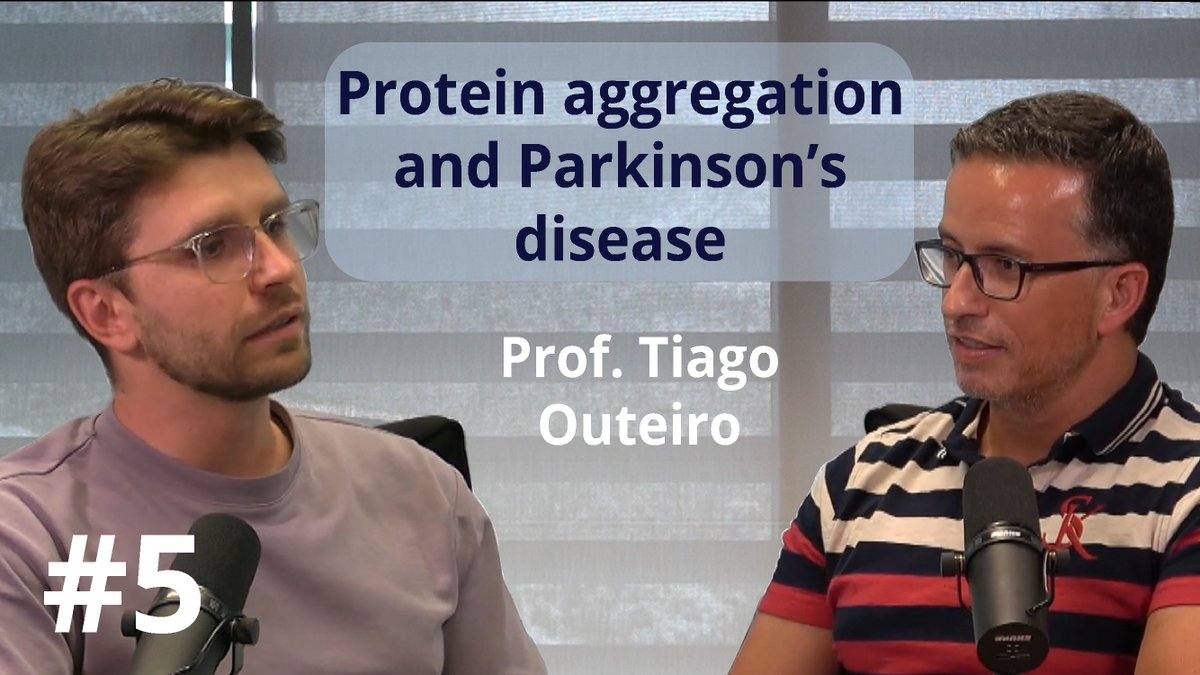
You probably know that #proteins are the building blocks of your body, but have you wondered what happens when they misbehave? It can lead to very serious diseases like #Parkinsons. In this episode we dive deep into the protein pathologies underlying Parkinson's disease with @touteiro (@OuteiroLab). You will learn about the nature of misfolded proteins, current beliefs about the potential causes, but also the newest status on diagnostic, prevention and treatment of Parkinson's disease. We also cover topics such as animal research and as usual we discuss some of the problems in our scientific field.
Check it out here: https://t.co/XnsVqTRdnP
This podcast is supported by the International Max Planck Research School for Neurosciences in #Göttingen as well as the Cluster of Excellence "Multiscale Bioimaging" in Göttingen (@MBExC_de). #neuroscience #science #brain #podcast #IMPRS #MBExC #Parkinson #neurodegeneration #prion #SciComm #AcademicChatter
@yourUMG@UniofNewcastle
Hyper sensitive humans can smell Parkinson’s disease
Can you smell a disease years before it’s onset? Yes, some people do have these abilities. This is the case of Joy Milne, the superhuman who can smell Parkinson’s disease.
#neuroscience#science#brain#podcast#smell #Parkinson #neurodegeneration #diagnostics #superhuman #IMPRS #MBExC #SciComm #AcademicChatter
https://t.co/ioNoLSXDyD
https://t.co/wzE1z2As6P
Our new preprint about an organoid model of heart and brain interaction is now availabe! Excited to share my PhD work in the group of @MariaPatapia. Thank's to all collaborators from @pharmaumg and @lab_fischer.
👇👇👇
https://t.co/qlPYBxuFkY