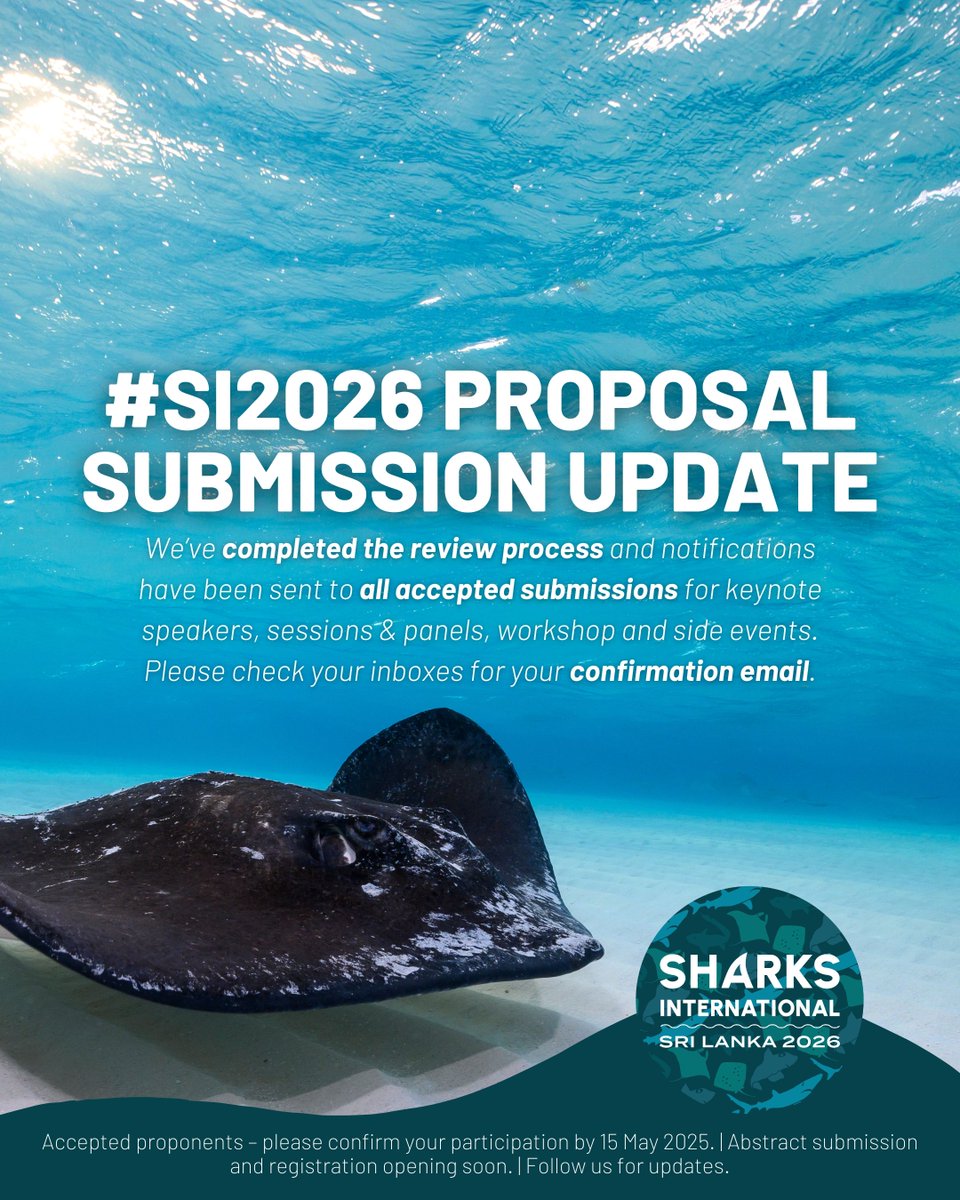
📢 #SI2026 – Update!
✅ Proposal reviews are complete & acceptance emails have been sent!
📩 Check your inbox (and spam) & confirm participation by 15 May.
🎤 Shortlisted keynote speakers have also been notified.
⏳ Abstract submissions & registration not open yet—stay tuned!
Important new study shows that current climate models underestimate the human-caused slowing of the #AMOC (Atlantic Meridional Overturning Circulation), because they neglect freshwater influx from Greenland melt and other sources. /1
https://t.co/qCIPWZvJiJ
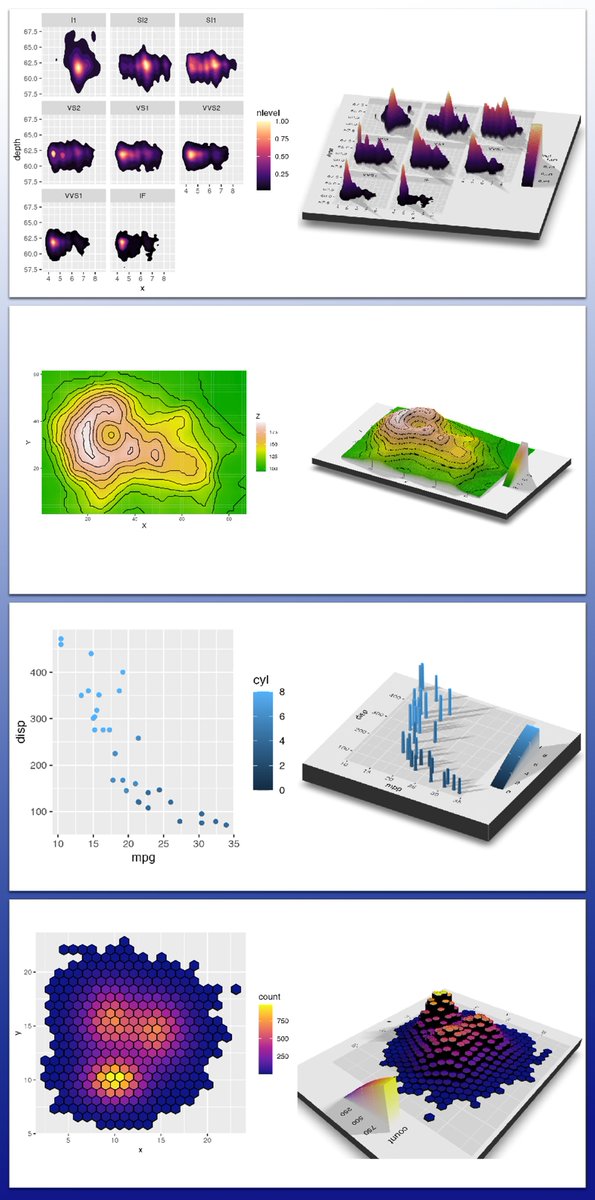
Bring your ggplot2 visualizations into 3D with rayshader! This extension adds powerful 3D plotting capabilities to R, making it easy to transform standard visuals into interactive and visually engaging data representations.
With rayshader, you can:
✔️ Add Interactive 3D Effects – Customizable lighting and shadows bring new depth to your data.
✔️ Enhance a Range of Data Sets – Apply 3D effects to bar charts, heatmaps, and more.
✔️ Boost Audience Engagement – Present data in an appealing, informative 3D format.
The visualizations shown here are taken from the rayshader package website: https://t.co/BMQdE1DZH7
For more on ggplot2 and its powerful extensions, join my course “Data Visualization in R Using ggplot2 & Friends,” starting November 25, 2024. An early bird deal is live until November 6.
Further details: https://t.co/ztlEzoEDWv
#DataVisualization #Statistical #programmer #VisualAnalytics #database
Latest NASA global temperature data.
Earth has never been hotter since Homo sapiens discovered agriculture in the early Holocene. Likely even since 120,000 years ago.
Fossil coal, oil and gas emissions caused it.
We need to stop making it worse.
Yes, we can if we want to. 🧵
The informal poll results are in, & as I feared, most people are running ANOVAs in #R with functions that can give highly misleading (or flat out wrong) results. Follow along to see why using anova() and aov() is usually inadvisable & why you should be using car::Anova() 🧵
44 scientists have issued a stark warning about the threat of a major ocean circulation change, causing a detrimental disruption of climate patterns lasting for centuries to come.
Check out this short video explaining what this is all about.
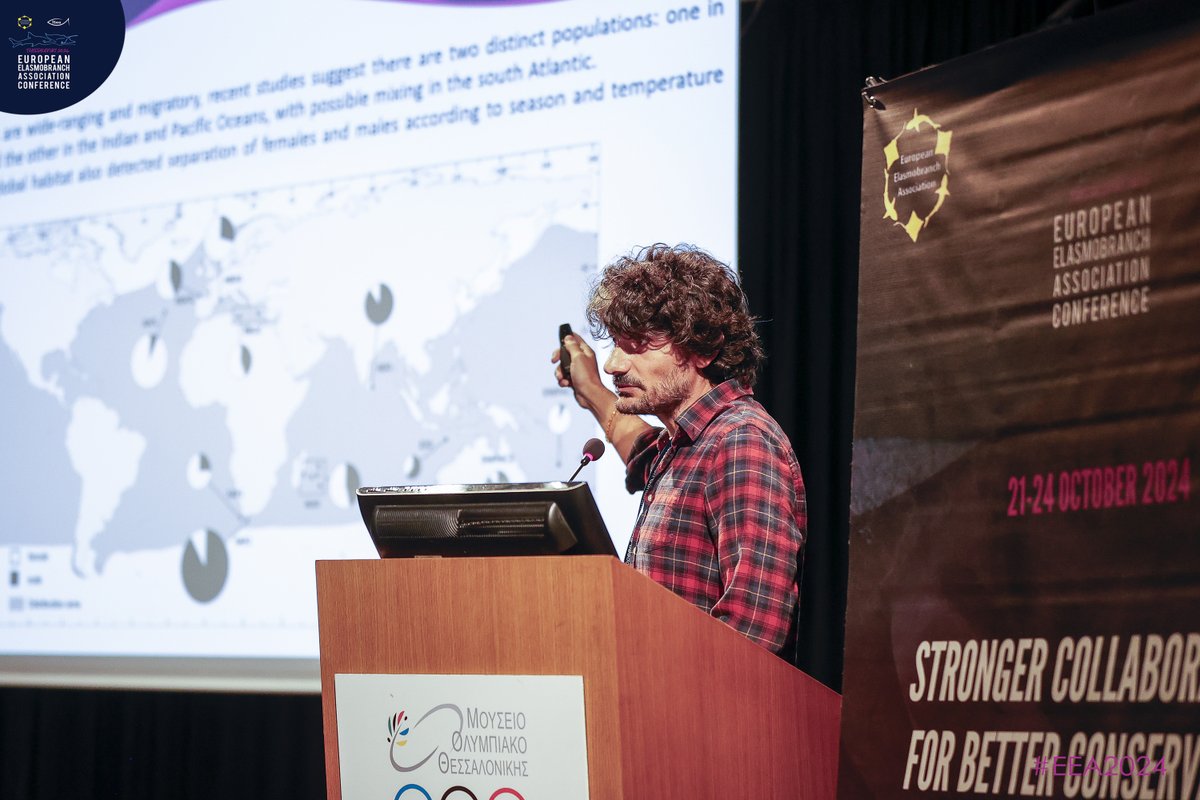
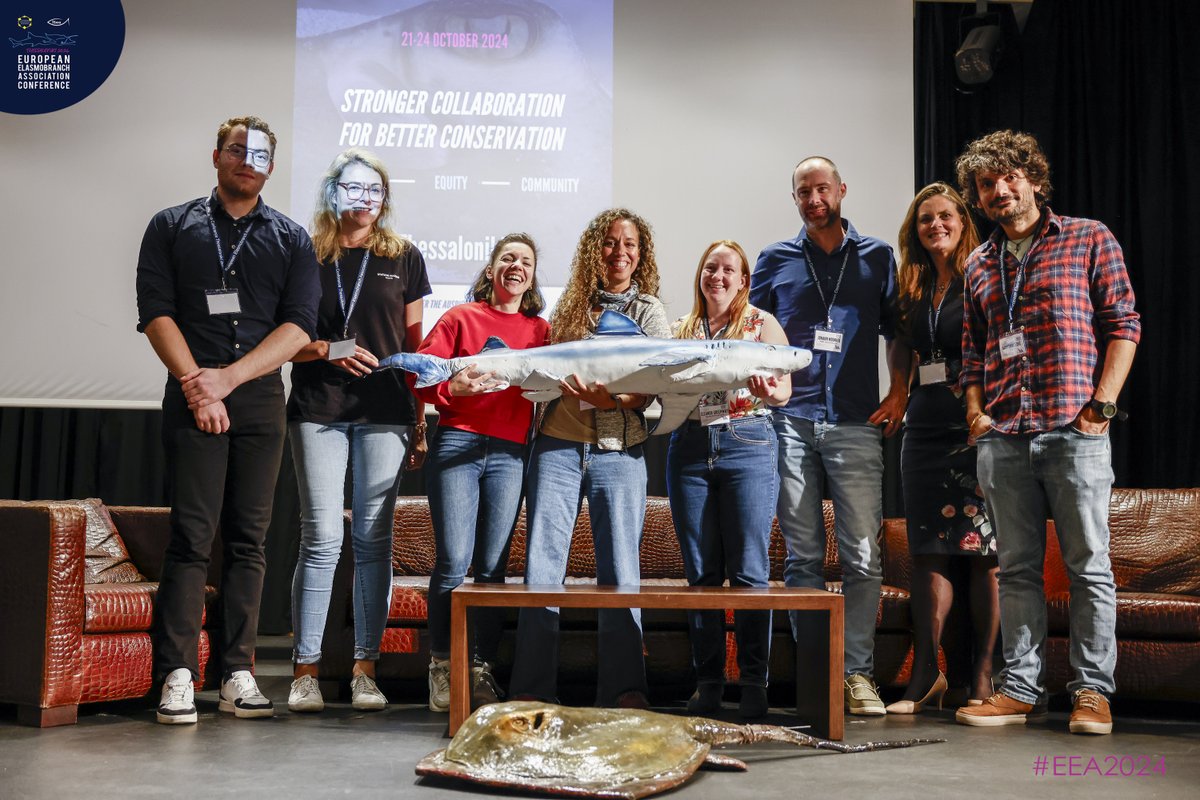
The #EEA2024 came to an end. It's always nice to disseminate new results from our projects, reunite with old friends and making new ones! An inspiring conference in #Thessaloniki#Greece. Thanks @IGiovos and all the @IseaOrg team for the super organization
#elasmo#sharkscience
Don't miss @rsbiello presenting our study🧐 on conservation gaps and tends in seahorses 🌊🐴🐠 led by @SznDohrn 🧜♀️ at the free, online BioDiversity Genomics 2024 Conference on Thu Oct 31st in the topical session Marine vertebrate genomics
https://t.co/kdpZPtKndy
🚨 New Paper Alert!🚨
In the early stages of assessing genetic population structure in Pacific Sardine, we detected Japanese Sardine along the west coast of North America for the first time!
https://t.co/Re6HEMszzT
@Wes_Larson1@EllaAdams27@NOAAFisheries@salkinstitute
1/n
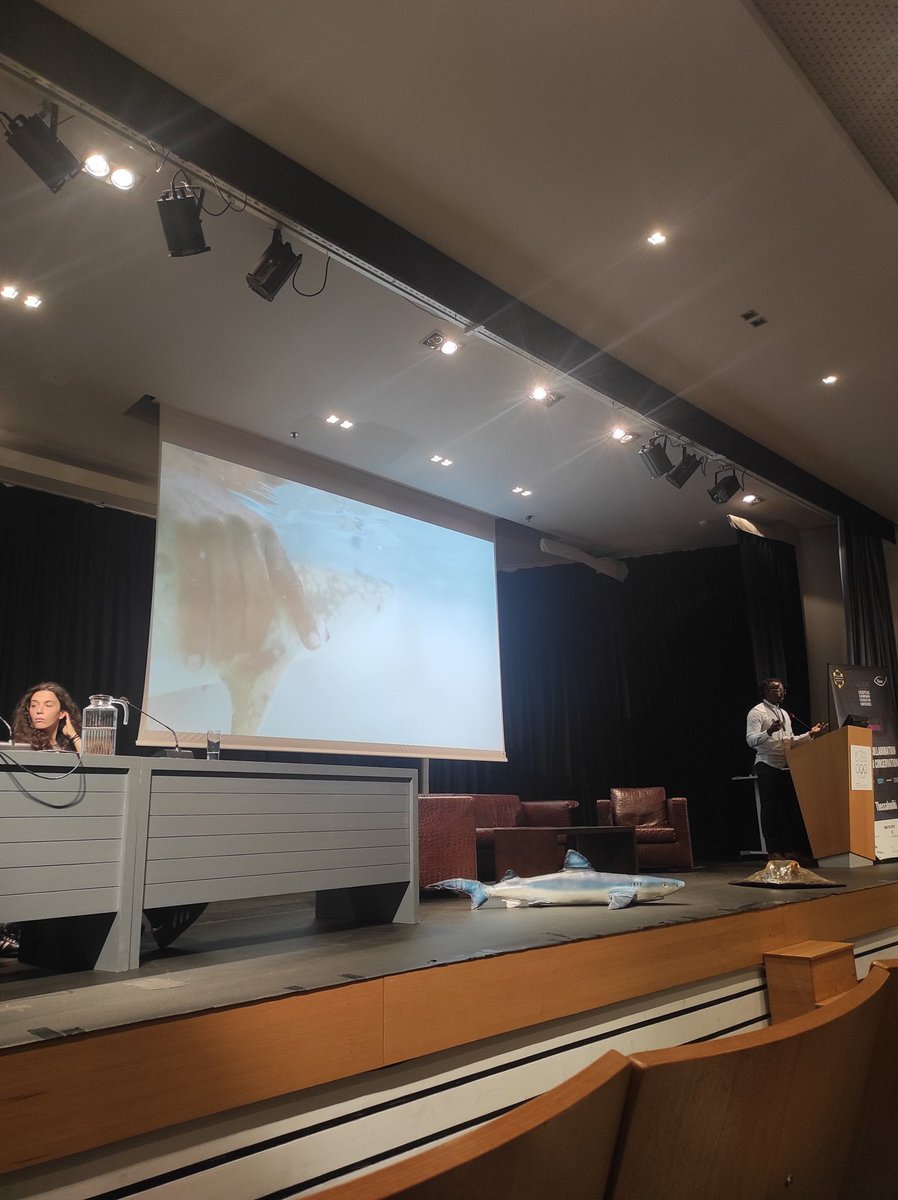
At #EEA2024 Martina Spiga showed us how passive #eDNA filtration in longline fishing gears can help us to catch "biodiversity bonus" otherwise invisible... and that's really cool!
#metabarcoding#genetics#elasmo#sharkscience @stefanako71 @TheMarianiLab
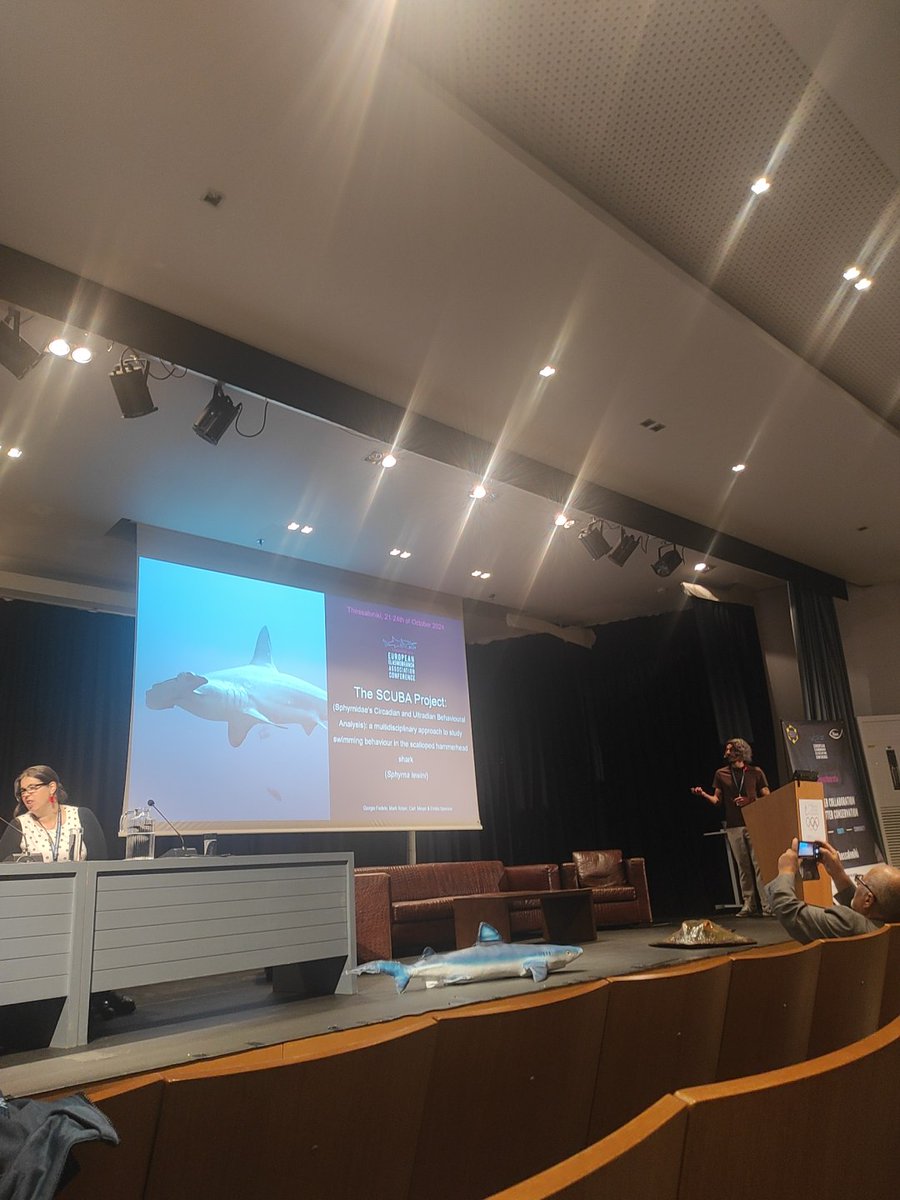
Great talk by Giorgio Fedele at #EEA2024 about saving-energy swimming #behaviour of scalloped hammerhead #shark and biological clock of these obligate ram-ventilators
#elasmo#sharkscience
Out in @iScience_CP ! Does hybridisation with an invasive lizard threaten Europe’s most endangered lizard? 🦎 We genotyped lots of hybrid-lookin' lizards from the tiny peninsular of Capo Grosso (Vulcano Island) to find out 🧬https://t.co/JcmhBOq1T9
Today I was so glad to present my last results from the MedBluesGen project about the pop genomics of blue shark at the wonderful #EEA2024 that I missed to include the link to the #OA paper! Here it is!
https://t.co/5QSbZMhCVm
Out today in @molecology! We explored the landscape of gene expression in the amazing adaptation of Emperor penguin's to the extreme conditions of Antarctica 🐧🧊 First paper from the @MSCActions Poly2Adapt project! 🇪🇺https://t.co/Wl4UrnNama
Snails 🐚 are slow, but they can evolve fast! Our new paper shows how one ecotype evolved into another on a tiny island 🏝️ within 30 years - and that we could predict changes at the phenotypic, but also at the genetic 🧬 level. 1/3
#Evolution#Genomics
https://t.co/VClSYpnNIf
We just launched Circa 2.0!
Create beautiful circos plots in minutes, without a single line of code. You can try it for free with sample data now!
https://t.co/fvb12bvYTq
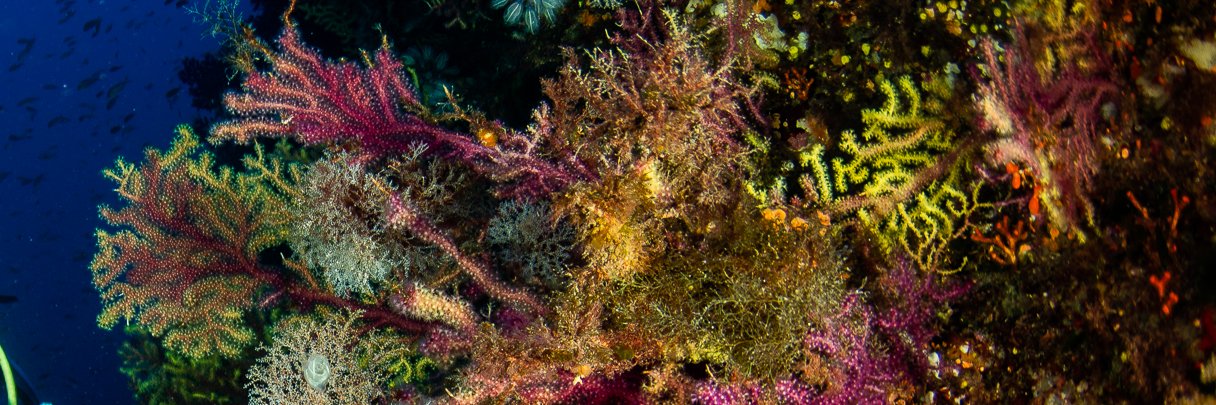
Have questions about the valuation of ecosystem services? Check out this piece just out: https://t.co/jxebTRKMWo #ecosystemservices@ESPartnership@glo_pro @ISEEORG