AMD ACABA DE MATAR LAS SUSCRIPCIONES DE IA
La CEO de AMD Lisa Su presento oficialmente una PC del tamaño de una lonchera y ejecuto en vivo un modelo de 235 mil millones de parametros
Sin centro de datos. Sin nube. Sin GPU alquiladas
El chip en su interior es el AMD Ryzen AI Max+ 395
Es el primer chip x86 en el que la CPU y la GPU comparten el mismo bloque de memoria
Hasta 128 GB de memoria unificada
Una RTX 5090 te ofrece 32 GB de memoria de video
Una 4090 te da 24 GB
Pero esta pequeña maquina te ofrece mas de tres veces la memoria de cualquiera de ellas
Y cabe en una mochila
En inferencia con DeepSeek R1 le gano a una RTX 5080 por 3x
Una desktop del tamaño de un libro grueso superando una tarjeta grafica de mas de mil dolares en una carga de trabajo real de IA
Ahora haz las cuentas de tus suscripciones
Claude Code Max: $200 al mes
ChatGPT Pro: $200
Cursor: $20
Gemini: $20
Son $5,280 al año antes de construir una sola cosa
La version de 128GB de esta maquina cuesta entre $1,800 y $2,500
A ese ritmo se paga sola en menos de un año
Y despues corre sin costes adicionales, GRATIS
> Instalas Ollama
> Bajas Qwen3 235B
> Apuntas Claude Code a localhost
> La misma interfaz que ya usas
> Nada sale de tu maquina
> Nada cuesta por request
> Sin limitaciones a las 3am cuando por fin tienes tiempo para construir
Los abogados dejan de preocuparse por lo que OpenAI hace con sus archivos
Los developers dejan de ver el contador de tokens
Los founders dejan de matar prototipos porque la factura de la nube los asusta
La IA local ya no es solo una opcion mas economica
Es la unica IA que nadie puede quitarte
Y la pregunta ya no es si la IA local es lo suficientemente buena
Esta claro que si lo es
La verdadera pregunta es por que seguir pagando suscripciones cada mes cuando puedes correrla tu mismo
Previsão pra área de tech nos próximos 5 anos:
Não vai ficar mais fácil pra ninguém. As facilidades pra colocar coisas pra funcionar vão aumentar, mas o esperado que uma pessoa sozinha seja capaz de fazer vai aumentar mais ainda.
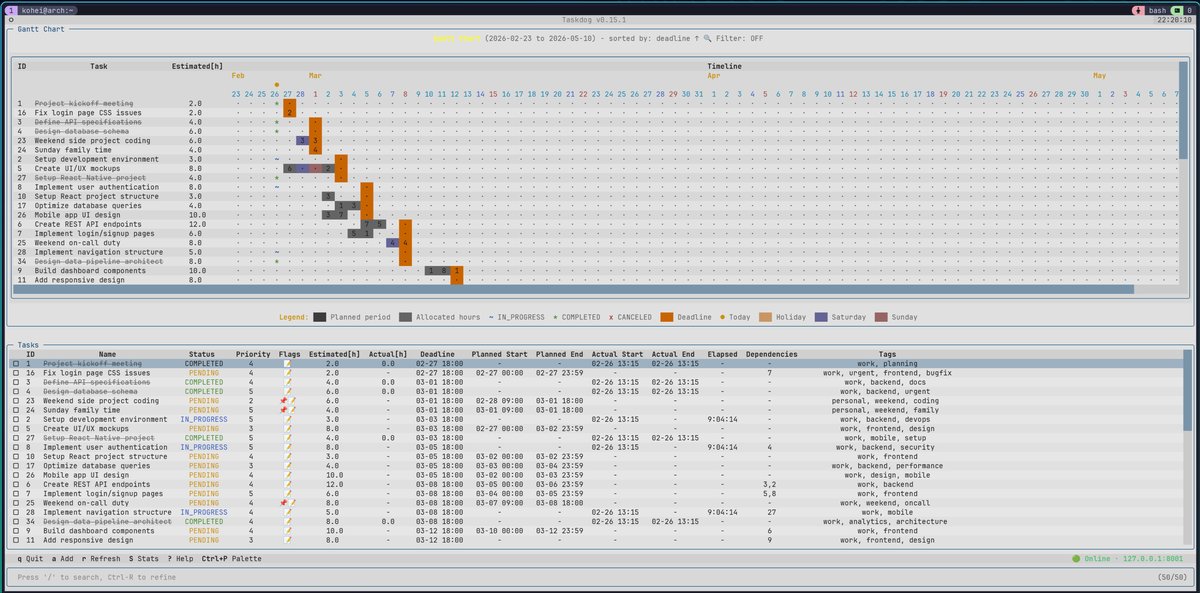
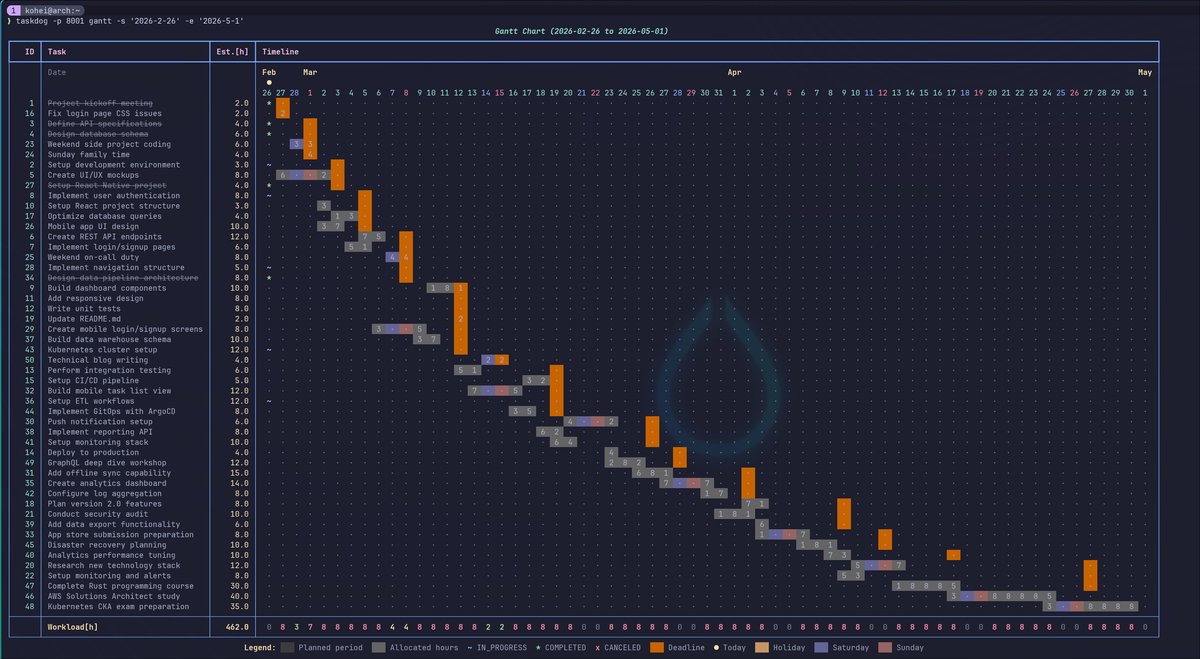
It never fails to delight me when I see cool projects built with Textual.
The author of this project has clearly got a good eye for design in the terminal.
Check it out. Give it a ⭐️
https://t.co/kMVrlXOVFj
This @FastAPI feature has been cooking in my mind for 2 years or so. 😅
So happy it's finally out there. And I think the developer experience is just right (minimal and simple). ✨
A few weeks ago our founder announced Monty, a minimal, secure Python interpreter written in Rust, for running code written by AI agents. People got excited. Our founder @samuelcolvin , the creator of Monty, just wrote up the full story on why he's excited about it and you should be too.
https://t.co/XxQxRaU6v9
Andrew @karpathy has come to the same conclusion we did at the Zero-Human Company, use NanoClaw, PicoClaw or ZeroClaw for employees not OpenClaw.
I also am certain no one testing this or using it for most purposes need a Mac Mini. There are better paths.
Leetcode is dead.
Nobody writes code line by line anymore. Developers are orchestrating AI, debugging its output, catching when it goes wrong.
We're building assessments that test fundamentals and AI fluency together. Not just memorized algorithms.
Because that's the actual job now.
Big moment for Postgres!
Search has always been Postgres' weak spot, and everyone just accepted it.
If you needed a real relevance-ranked keyword search, the default answer was to spin up Elasticsearch or add Algolia and deal with the data sync headaches forever.
The problem isn't that Postgres can't do text search. It can.
But the built-in `ts_rank` function uses a basic term frequency algorithm that doesn't come close to what modern search engines deliver.
So teams end up:
- Running a separate Elasticsearch cluster just for search
- Building sync pipelines that inevitably drift out of consistency
- Paying for managed search services that charge per query
- Accepting mediocre search relevance because "good enough" ships faster
But this is actually a solvable problem.
You can realistically bring industry-standard search ranking directly into Postgres, which eliminates the need for external infra entirely.
This exact solution is now available with the newly open-sourced pg_textsearch by @TigerDatabase, a Postgres extension that brings true BM25 relevance ranking into the database.
BM25 is the algorithm behind Elasticsearch, Lucene, and most modern search engines. Now it runs natively in Postgres.
Here's what pg_textsearch enables:
- True BM25 ranking with configurable parameters (the same algorithm powering production search systems)
- Simple SQL syntax: `ORDER BY content <@> 'search terms'`
- Works with Postgres text search configurations for multiple languages
- Pairs naturally with pgvector for hybrid keyword + semantic search
That last point matters a lot for RAG apps. The video below shows this in action, and I worked with the team to put this together.
You can now do hybrid retrieval (combining keyword matching with vector similarity) in a single database, without stitching together multiple systems.
The syntax is clean enough that you can add relevance-ranked search to existing queries in minutes.
pg_textsearch is fully open-source under the PostgreSQL license.
You can find a link to their GitHub repo in the next tweet.
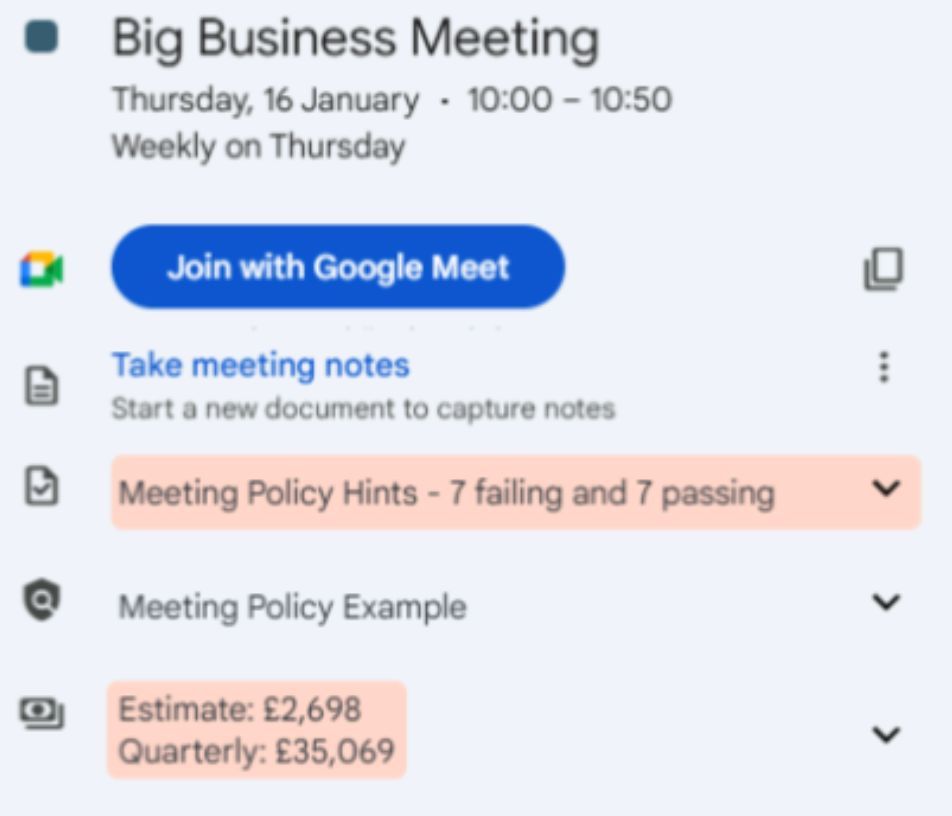
Colocar as coisas em números pode te dar muita clareza.
Por exemplo, tem um plugin pro Google Agenda que mostra, baseado nos salários das pessoas, quanto custa fazer uma reunião.
Nunca vi nada tão efetivo pra reduzir reuniões inúteis.