‼️ Our RESOURCE LIBRARY is now live ‼️ Designed to help parents & educators navigate through online content by providing FREE, HIGH-QUALITY & VETTED resources, structured to guide the development of critical literacy-related skills 🏡📖💻 https://t.co/tHMRGPT4hp #literacyforall
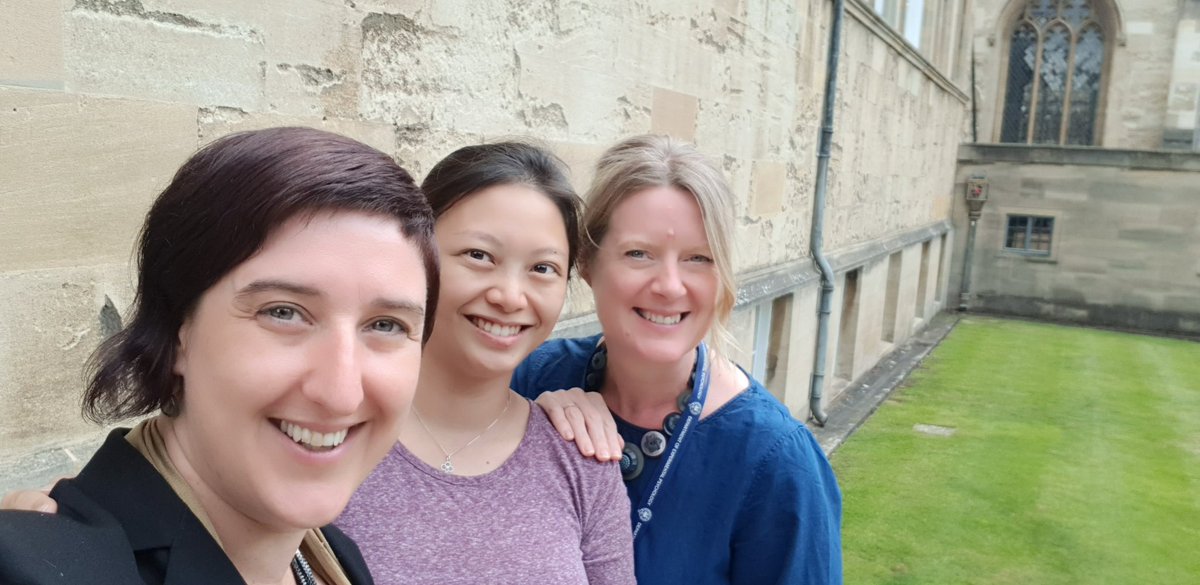
Thank you @ReadOxford for a lovely meetup at St John's College! A great pleasure to meet you in person and to discuss about sound-systems, and matters related to literacy & language. Huge thanks to my supervisor @suzystyles for the opportunity to be in Oxford! #academicfanmoment
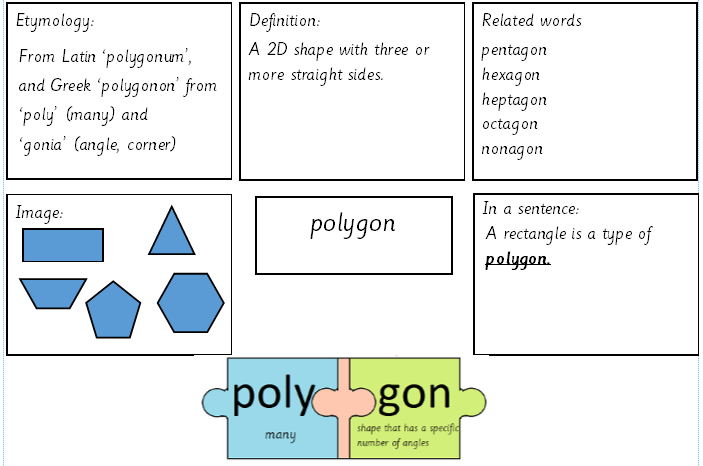
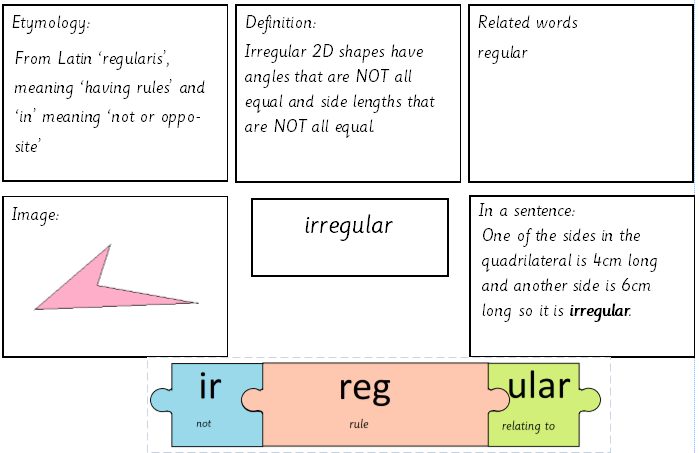
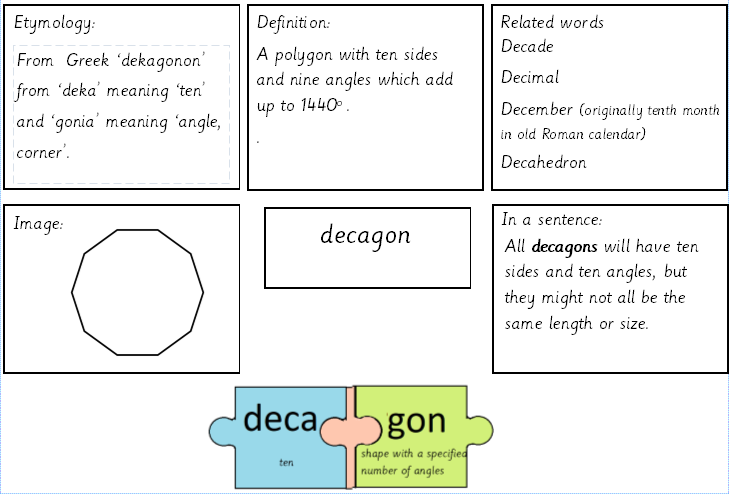
Doing a bit of maths etymology this morning! Hopefully this will help children to have a greater understanding about the meaning of the maths terminology they use and how words relate to each other. #edutwitter#maths#etymology
Do you know how many words have the letters EA that say “we” like in “team”? I can tell you! Well, actually, Phinder can! It says there are 1,694. See for yourself! https://t.co/vRkI88uvhv
@devin_kearns This is really useful! I am working on phoneme-grapheme relationships targeting early readers. May i know which corpus #Phinder is built on? Struggling to find something current before i chanced upon this. Was referring to dated sources- Fry(2004), Hanna (1966).
@PamelaSnow2@LouisaMoats Do you know if any database on phoneme-grapheme relationships that researchers/ teachers can use? Both Fry's and Dolch lists are outdated.
A challenging task to convince people who do not value evidence/research over teaching experience about the importance of phonics.. Insightful glimpse of why the 'reading war' is ongoing..
Eloquent overview and argument from @annecastles about the importance of phonics in learning to read #phonicsdebate https://t.co/t6nJeMJz0f respectful, research referenced and accessible argument #camthink