MD focusing on artificial intelligence in breast cancer prevention, diagnosis, treatment, and prognosis. Early-career editorial member of Cancer Drug Resistance
📌 Lymph node surgery and CDK4/6 inhibitors in early breast cancer: A cost-consequence analysis from 5 randomized trials
✨Rapid Oral Session 1
@andrepfob#ESMOBreast26@OncoAlert#OncoAlertAF
🔗 https://t.co/6LTIFNwtvg
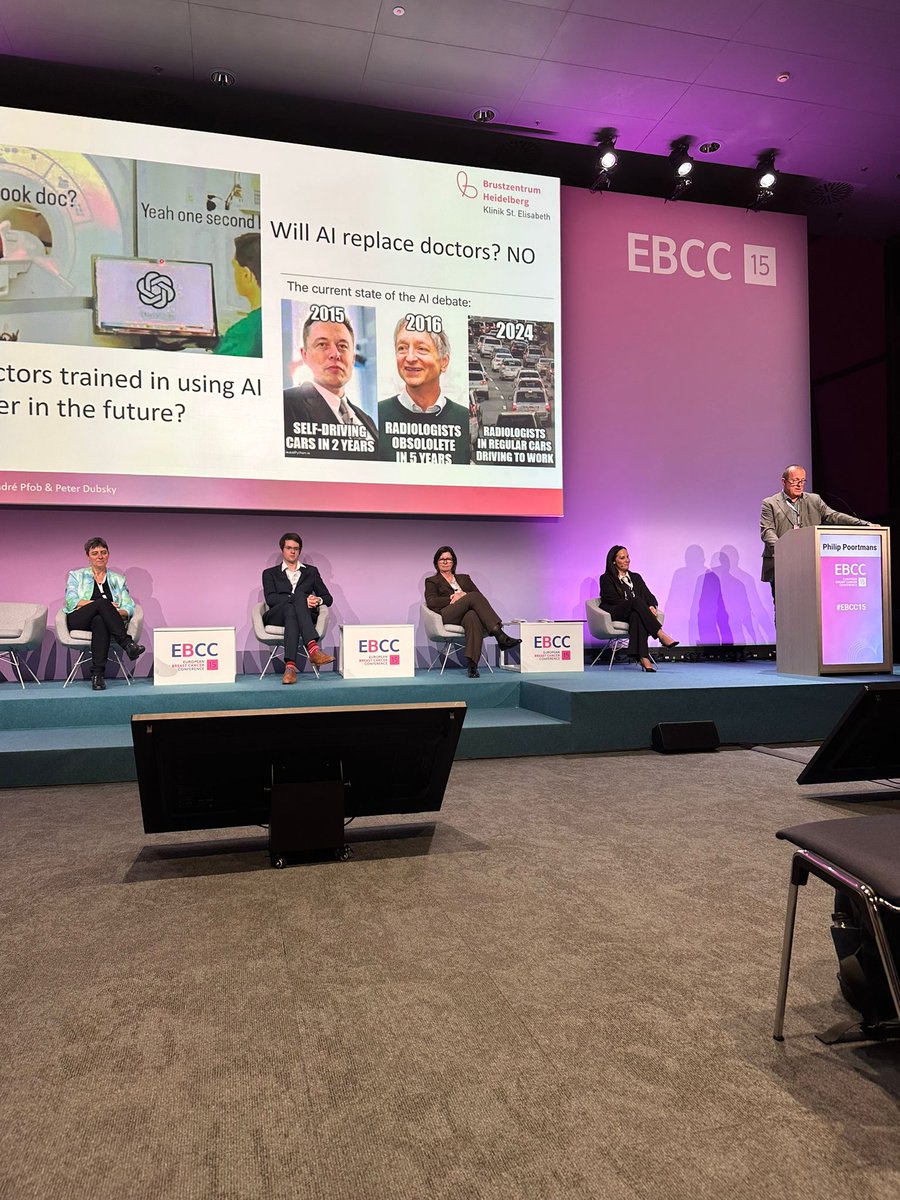
At #EBCC15, the first ED session explored how AI is already shaping breast cancer care and what still needs to be addressed. From screening to research, AI shows real impact. But one message stood out:
“AI is only as good as the data behind it.” Human oversight remains essential.
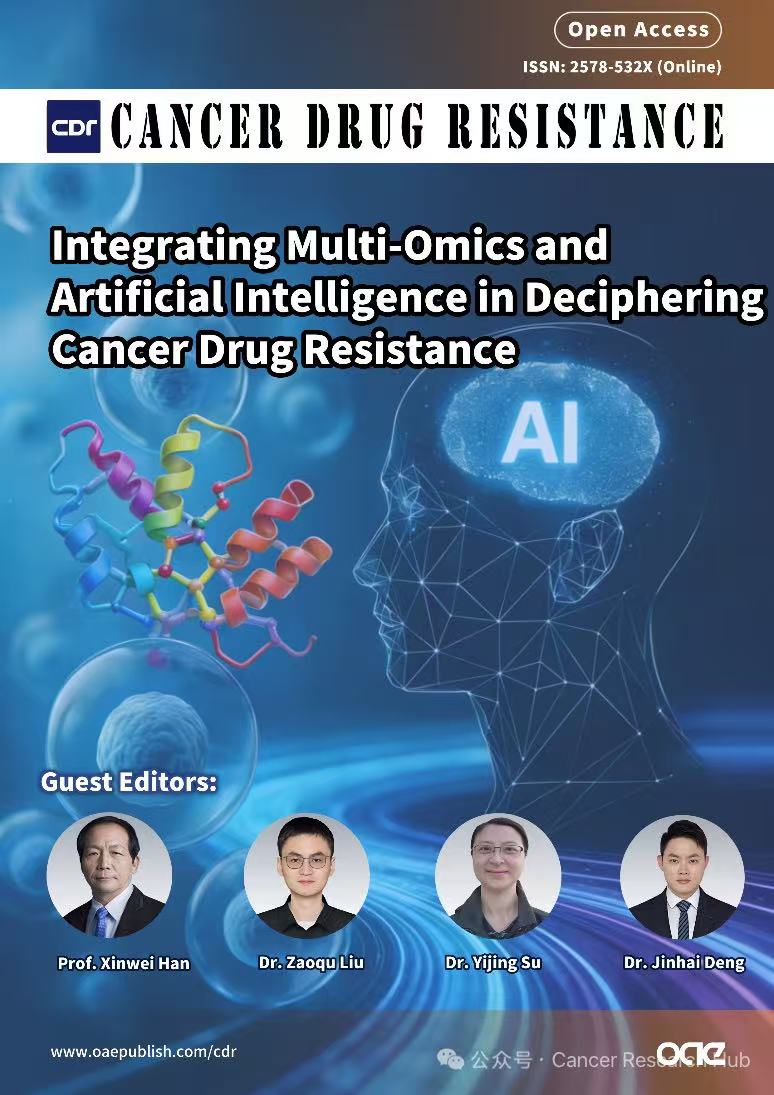
📣Special Issue Call for Papers: Aims to promote interdisciplinary dialogue and showcase cutting-edge research in intersection of multi-omics biology, artificial intelligence, and drug resistance biology. We welcome submissions of high-level research/reviews. @cdrjournal
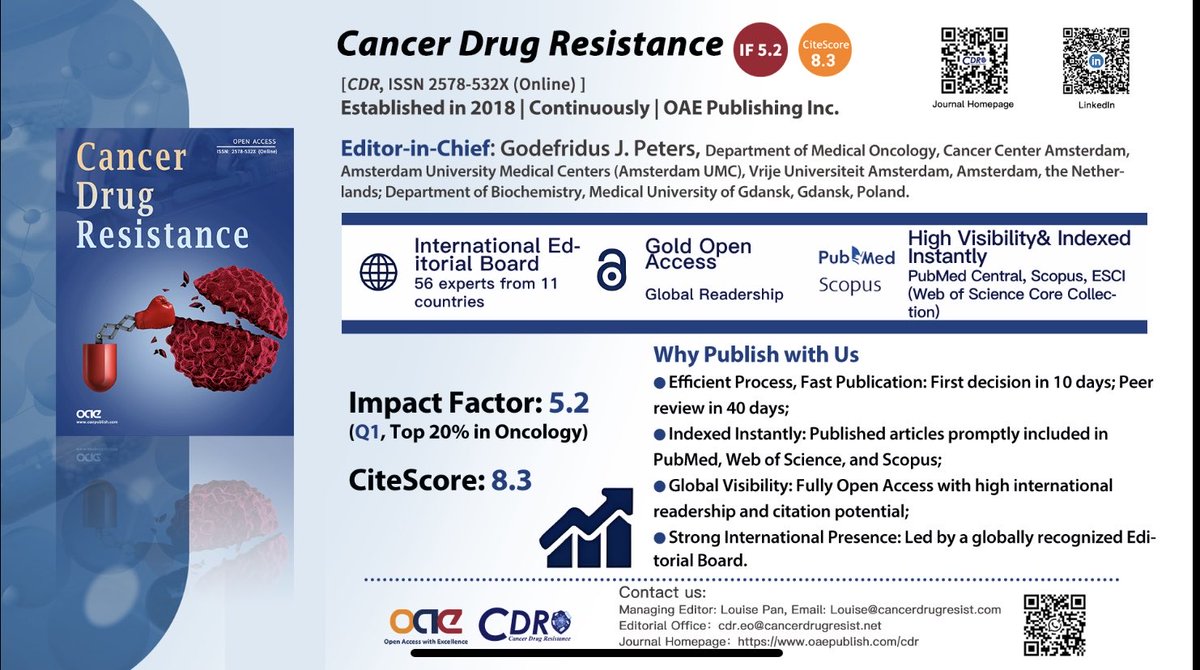
Honored to be selected as a member of the Early-career Editorial Board of Cancer Drug Resistance. 🎉 IF 5.2, JCR Q1. We welcome submissions in the field of cancer drug resistance research.📢 @cdrjournal
🎧Listen to our Dec podcast with @breastDoktor and @andrepfob discussing the Lucerne Toolbox 3 (📑https://t.co/gOsH7QSSit), digital health and AI in early breast cancer
Spotify: https://t.co/ODNEz8V87P
Apple: https://t.co/0B0UdUOYli
Check out 3 fantastic examples linked in our editorial:
📌Digital path biomarker identifying men with #prostatecancer who can skip long-term ADT
📌 Foundation model predicting GI cancer prognosis & chemo benefit
📌 Deep learning radiomics to 🔽unnecessary #breast biopsies by 23%
Submit your #AI research to @JCO_ASCO! We are publishing impactful #AI research that shapes #oncology practice. Our new editorial outlines our review standards for AI submissions - from predictive models to #genAI. -> https://t.co/Ye34mTxTZr
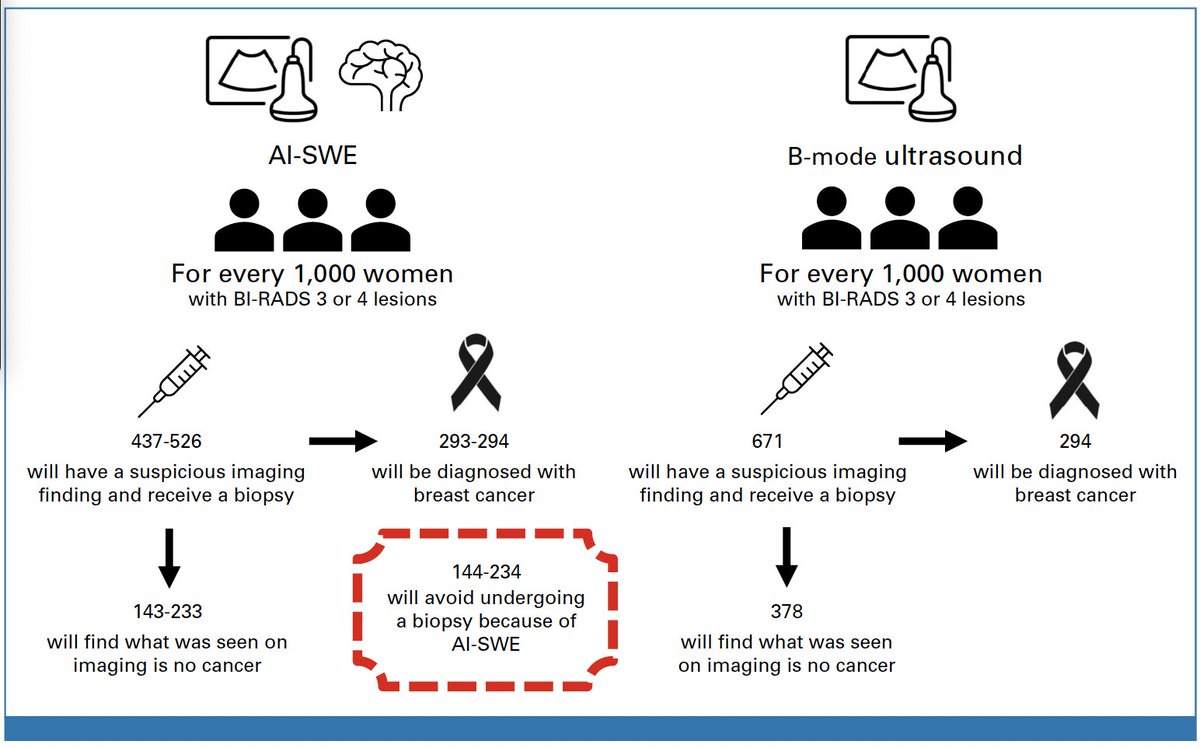
AI-guided shear wave elastography model showed similar accuracy to expert readings of B-mode ultrasound for diagnosis of BI-RADS 3/4 masses #BreastCancer
🔸 Significantly reduced false positives (20.4% vs 53.8%; P < .001)
From Lie Cai, MD; @DrGolatta
https://t.co/ID3yeirCly
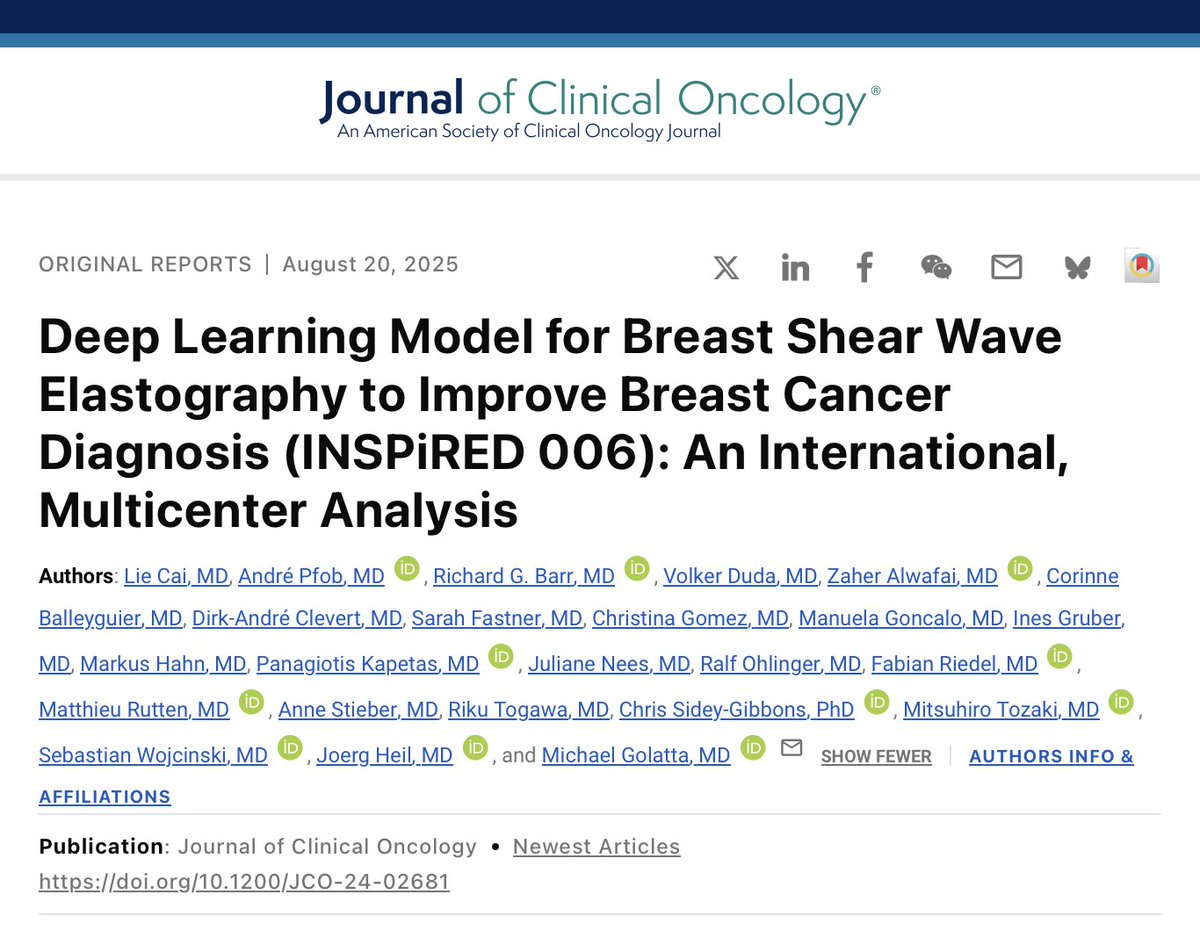
Deep Learning Model for Breast Shear Wave Elastography to Improve #BreastCancer Diagnosis (INSPiRED 006)
https://t.co/ztrp8KEbYH
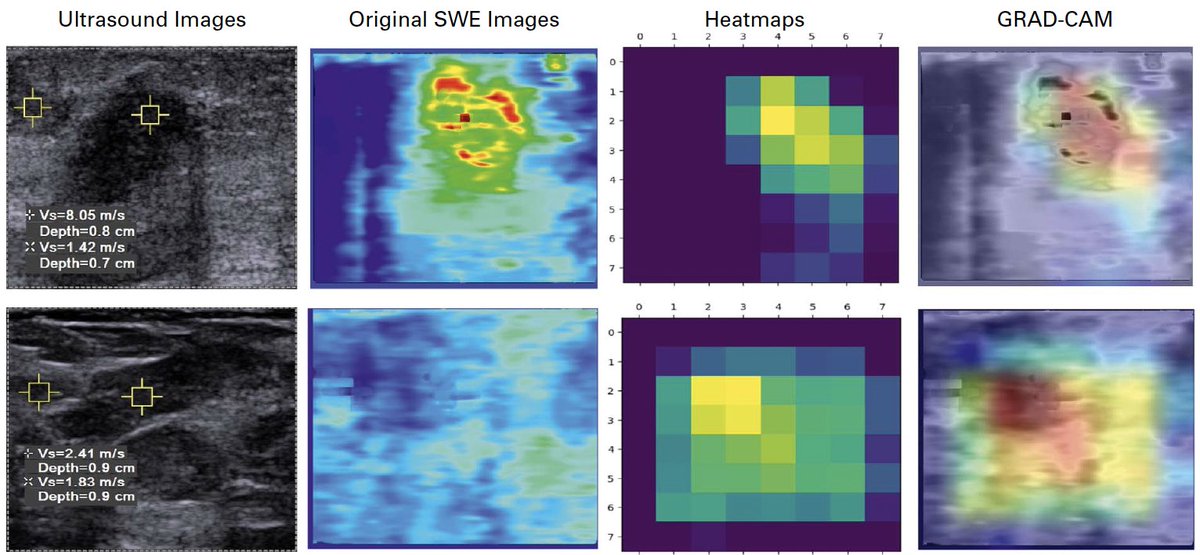
This international, multicenter study evaluated a deep learning model trained on shear wave elastography (SWE) images (AI-SWE) to improve diagnosis of BI-RADS 3 and 4 breast masses. Using data from over 1,200 patients across 12 sites, the model achieved high accuracy (AUROC ~0.93–0.94) in two external validation cohorts, including data from newer SWE software. Compared with B-mode ultrasound alone, AI-SWE maintained equivalent sensitivity (~98%) but reduced false positives by up to 62%, suggesting a potential role in lowering unnecessary biopsies.
These findings support AI-SWE as a promising tool to complement breast cancer diagnostics, warranting further integration into clinical workflows.
@OncoAlert 🚨
@liecaii@andrepfob@drcgibbons@DrGolatta
Deep Learning Model for Breast Shear Wave Elastography to Improve #BreastCancer Diagnosis (INSPiRED 006): An International, Multicenter Analysis. Co-authored by @andrepfob, @liecaii, @drcgibbons, et al.
Read the full article. https://t.co/53c8kajKzn
#bcsm
6/ What’s new with AI-SWE?
✔️ Evaluates the whole lesion, not just a cutoff.
✔️ Maintains sensitivity (~98%).
✔️ Cuts false positives (38–62%).
✔️ Works across multiple centers & software versions.
From Breast Center Heidelberg to the world 🌍
3/ Our AI doesn’t use a single cutoff. It analyzes the whole SWE image, learning the full distribution of stiffness across a tumor.
4/ Result: AI-SWE = 62% fewer false positives. That means fewer unnecessary biopsies, while keeping 98% cancer detection.
2/ The problem: SWE is promising but limited. Doctors rely on velocity cutoffs (e.g. 3–8 m/s). Cutoffs vary by tissue type → no clear standard, limited reproducibility. Adoption stalled.