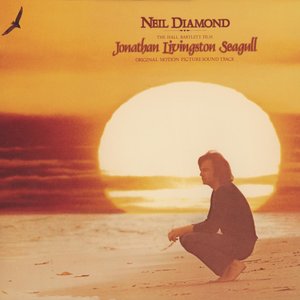
If the wild bird could speak
He'd tell the places you have been
He's been in my dreams
And he knows all the ways of the wind
Polly, come home again
Spread your wings to the wind
I felt much of the pain
As it begins
Gene Clark - Polly
https://t.co/Fx7cJ67zy1
@talkSPORT This is nonsense from Sean Dyche. How many English midfield players have more technical/intelligent/adaptable players alongside them in their teams. This is why this keeps happening, an inability to recognise a problem.
@talkSPORT He didn't debunk anything. How many English midfield players have more technical/intelligent/adaptable players alongside them in their teams. This is why this keeps happening, an inability to recognise a problem on the part of those in the English game.
@henrywinter England's players are definitely the problem, and the inability to see this is why we keep tripping up against the big teams. You can't solve a problem if you can't recognise it.
Our midfield is wildly overrated. It's always the midfield with England. A perennial problem.
Why Many Floxed People Can’t Sleep
If you’ve been “floxed” by a fluoroquinolone* antibiotic and suddenly find yourself staring at the ceiling at 3 a.m., or worse, going days with little to no sleep - you are not alone.
For many in the adverse effects community, insomnia is one of many possible relentless symptoms. It often does not feel like a typical bad night of sleep, but like the nervous system has been switched on and can no longer find the off button. Importantly, insomnia and other central nervous system effects are recognized in fluoroquinolone labeling and medical literature, so these reports are not merely anecdotal patient complaints. [1,3,4]
Below are science-based mechanisms that may help explain why this happens, along with additional factors many floxed patients report in the support groups.
🟥 Glutamate Overload & Reduced GABA Signaling (gas pedal stuck, brakes failing):
Glutamate and GABA are the brain’s version of a gas pedal and a brake. After being floxed, this balance may shift into a hyperexcitable state:
• Glutamate/NMDA activity may run too high
• GABA signaling may become functionally reduced, leaving the nervous system feeling as if the “brakes” are no longer working
➦ Why? Research suggests fluoroquinolones can interfere with GABA-A receptor signaling and may increase excitatory activity through pathways involving NMDA, creating a “wired” state that can make it difficult for the brain to shut off into sleep. [2,4]
NSAIDs may also matter for some patients. Research has shown that certain nonsteroidal anti-inflammatory drugs can intensify fluoroquinolone-related effects on GABA-A receptors, which may increase CNS excitability in susceptible people. This may help explain why some patients report worsening agitation, tremor, anxiety, or insomnia after combining or following fluoroquinolones with NSAIDs. [4]
🟥 The Magnesium Link (NMDA amplifier):
Magnesium naturally helps regulate NMDA receptor activity, one of the main excitatory “gates” in the brain. If magnesium status is low, poorly tolerated, or functionally inadequate for the person’s needs, the nervous system may have less buffering against excitatory signaling.
➦ For some patients, this may contribute to agitation, sensory overstimulation, anxiety-like symptoms, and insomnia that can feel like withdrawal-type hyperarousal.
🟥 Astrocytes & Glutamate Cleanup Crew Getting Overwhelmed:
Under normal circumstances, brain cells called astrocytes help clear excess glutamate so it does not build up. If glutamate signaling stays high and oxidative stress is also elevated, the system that normally buffers glutamate can become strained. [7]
➦ This can feed a loop of excitability and “glutamate overload.”
(Note: astrocyte research is not fluoroquinolone-specific, but the biology supports the plausibility of this mechanism.)
🟥 Mitochondrial Stress Can Add Fuel to the Fire:
Fluoroquinolones are not only linked to neurotransmitter disruption; they have also been associated with mitochondrial dysfunction and oxidative stress in mammalian and human cell studies. When cellular energy regulation becomes unstable, the nervous system may become less resilient and more reactive. [8]
➦ Many patients recognize a pattern early on: even herbs or supplements, such as CoQ10 or glutathione, can sometimes backfire in a sensitized system, causing paradoxical overstimulation, agitation, or worse insomnia. Responses can be highly individual.
✅✅ Additional Possible Reasons:
- High Norepinephrine / Sympathetic Overdrive (“Fight or Flight” stuck ON)
Many floxed patients describe dysautonomia-like patterns: racing heart, temperature swings, internal tremor, adrenaline surges, and an inability to downshift into rest.
➦ If the autonomic nervous system can’t transition into parasympathetic dominance, sleep initiation and sleep depth can both suffer. This can overlap with mitochondrial stress and broader neurochemical imbalance rather than one single pathway.
- Blood Sugar Instability
Blood sugar instability may also contribute. The FDA warned in 2018 that fluoroquinolones have been linked to blood glucose disturbances, including serious hypoglycemia in some cases. When blood sugar drops, the body may activate adrenaline-like counter-regulatory responses, which can cause sweating, tremor, anxiety, palpitations, or internal shaking. [10,11]
➦ For some susceptible patients, this could potentially contribute to sudden nighttime waking or panic-like surges.
- Gut Dysbiosis = Neurotransmitter Chaos
Antibiotics can disrupt gut microbiota, and the gut-brain axis strongly influences neurochemistry and inflammation. Microbes influence neurotransmitter systems including GABA, serotonin, dopamine, and glutamate signaling. [5]
➦ Dysbiosis can shift neuroactive metabolites and may worsen anxiety, mood instability, and sleep disruption in susceptible people.
- Mast Cell Activation (MCAS) or Histamine Intolerance
Some floxed patients report new histamine intolerance or MCAS-type symptoms. Histamine is not only involved in allergy-type reactions; in the brain, it also helps promote wakefulness. For some sensitive patients, increased histamine activity may add to nighttime arousal, lighter sleep, or repeated waking. [6]
- EMF (electromagnetic field) Sensitivity (reported by patients; research is mixed)
Some people report new or worsened sensitivity to Wi-Fi, phones, or electronics near the bedroom. The research on RF-EMF and sleep is mixed: some studies show measurable changes in sleep markers, while reviews differ depending on conditions and methodology. [9]
➦ If it is a personal trigger, reducing bedroom exposure may be worth a simple trial.
- Caffeine
The body’s response to caffeine may feel different after fluoroquinolone injury if nervous-system sensitivity, autonomic tone, inflammation, mitochondrial energy regulation, or caffeine metabolism has shifted.
How to navigate all this❓
That’s the tricky part. Patients with FQ adverse effects can respond very differently depending on symptom severity, nervous system sensitivity, mitochondrial stability, and gut or histamine factors. What helps the general public sleep may not work the same here.
Some people do better early on with non-oral approaches like topical magnesium, compounded creams, or skin patches while working with a clinician** familiar with fluoroquinolone consequences.
Because GABA signaling appears to be an important issue for many floxed patients, some people look beyond standard “sleep aids” and focus instead on reducing overall nervous-system activation while supporting the brain’s calming “brake system.”
Areas to review with a knowledgeable clinician may include:
· Medication review: Some medications can worsen CNS stimulation or interact with GABA-related pathways, including NSAIDs, steroids, decongestants, stimulants, certain antidepressants, and some antihistamines.
· Addressing body-based triggers: Pain, neuropathy, restless legs, temperature swings, air hunger, or racing heart can keep the body in an activated state and make it harder for the nervous system to settle into sleep.
· Hormone, amino acid, and mineral review: Hormone changes, amino acid balance, magnesium status, and other mineral issues may be worth reviewing, since these can influence sleep, nervous-system excitability, and the body’s ability to calm down at night.
· Gut-brain support: Gut health may also matter, since the gut microbiome can influence GABA, glutamate, inflammation, and the gut-brain axis.
· A possible referral: To a sleep medicine specialist or an overnight polysomnography sleep study to rule out other factors.
The goal is often to reduce the triggers keeping the nervous system in an overactive state while gently supporting inhibitory balance. According to the Cleveland Clinic, self-support strategies include slow breathing, meditation, prayer, calming music, gentle stretching, yoga-based relaxation, vagus-nerve calming practices, or progressive muscle relaxation. Supporting circadian rhythm with morning sunlight, dim evening lighting, reduced nighttime screens, and consistent wake times may also help reinforce the body’s natural sleep-wake rhythm.
If you notice that certain foods or supplements seem to make you feel wired, overstimulated, internally shaky, anxious, restless, or unable to sleep, some people in the community experiment with reducing possible “free glutamate” triggers for a period. This is not universal but may be helpful for a subset.
Sources may include:
🚫 MSG, soy sauce, collagen, bone broth, whey, yeast extract, hydrolyzed protein, natural flavors, and highly processed savory foods
✅ ✅ ✅ Ways people in the community try to reduce setbacks:
Because reactions can be unpredictable, many that are floxed find it helpful to avoid making several changes at once, use extra caution with supplement amounts, and watch for delayed reactions the next day.
You may wish to look for physicians or licensed clinicians trained in osteopathic medicine (DO), functional medicine, or integrative medicine, as these providers may be more likely to take a whole-body approach to evaluating complex health concerns. You can find the national directories on our website at the link below.
If someone is not sleeping for multiple nights, experiencing hallucinations, severe agitation, suicidal thoughts, mania-like symptoms, chest pain, or extreme autonomic symptoms, they should seek immediate medical care.
*💊Common medications in the fluoroquinolone class - Cipro/ciprofloxacin, levofloxacin, moxifloxacin; see complete list in all forms for humans and pets: https://t.co/OKH2DOWix0
**Find Medical: https://t.co/gjkZgGyJ0V
➦ To find out what others have tried for insomnia, check out the USA support group: https://t.co/E1ZlIJrCdm
Find support and resources on our sites:
🌐 Website & Resources: https://t.co/G9NJIEKEij
▶️YouTube: https://t.co/lWJ0LMmfeq
🔵Facebook: https://t.co/oVDvQDnync
🐦X: https://t.co/wy1eoABmUs
♦️Disclaimer: Fluoroquinolone Toxicity Study does not provide medical advice. All videos, articles, posts, and written materials are intended for educational and informational purposes only. We make every reasonable effort to provide accurate information, but this material is not a substitute for professional medical advice, diagnosis, or treatment. Symptoms, underlying medical conditions, treatment responses, and the effects of medications or supplements may vary significantly among individuals.
♦️Statement concerning the use of artificial intelligence: AI-assisted tools were used to help locate scientific sources and to improve the language, organization, and editing of this article. All scientific claims and references were reviewed before inclusion.
References
1. Fluoroquinolones neurological effects and CNS complications: https://t.co/RKxY9sA6ST
2. Fluoroquinolones CNS excitatory effects (GABA/NMDA): https://t.co/tDUeLl2Ag4
3. FDA label example: LEVAQUIN® prescribing information, CNS effects including insomnia, restlessness, anxiety, and nightmares: https://t.co/U3m2q4p2On
4. Depressive and other adverse CNS effects of fluoroquinolones, including discussion of GABA-A receptor effects and NSAID interaction: https://t.co/jVzPt08krq
5. Antibiotics and the gut microbiome: https://t.co/60wGlvID9T
6. Histamine and wakefulness: https://t.co/fCYa71RatI
7. Astrocytes and glutamate homeostasis: https://t.co/EnyctOPHEd
8. Fluoroquinolone effects on mitochondrial function and oxidative stress in human retinal MIO-M1 cells: https://t.co/bYaKLuXePO
9. RF exposure and sleep, double-blind study: https://t.co/GlsgBX7zqA
10. FDA warning update on fluoroquinolone mental health effects and blood sugar disturbances: https://t.co/Ux6sgurcEW
11. Glucose counterregulatory responses to hypoglycemia: https://t.co/Rs8GhLk2aJ
12. The effect of breathing exercises on adults’ sleep quality: https://t.co/0QlfYScsZZ
13. Cleveland Clinic sleep meditation and relaxation techniques: https://t.co/owSJ5gtyHo
14. Cleveland Clinic vagus nerve reset and breathwork: https://t.co/AJp4yUbUDq
#FluoroquinoloneToxicity #Floxed #FQAD #AdverseDrugReaction #DrugSafety #PatientSafety #Insomnia #SleepDisorders #Neurotoxicity #Dysautonomia #MitochondrialDysfunction #GABA #Glutamate #MCAS #FDAWarnings
@US_FDA@FDAMedWatch@HHSGov@CDCgov@SecKennedy@CDCGlobal@WHO
@victimsofcomics I'm English, and I know you meant it as a compliment.
Even though there have been clear improvements in the English youth set up (less idiotic), the odds are that England won't make the final. The bigger picture is continuing to produce technical and intelligent players.
@EasyPeasy_3 2/...smaller, intelligent players with creativity and technique. Modric might not have come through in the English system, it is that absurd. There is a stupidity in English football coaching that is still around. Infuriating to still see. "Get stuck in" and all that nonsense.
@EasyPeasy_3 1/ This is a brilliant thread. It is exactly the same in England. There has been some improvement in the last ten years, but football is still full at the youth level of egotistical idiots, more concerned about winning their "division" with big lads than bringing through...
“One day I will find the right words, and they will be simple.” Jack Kerouac
San Francisco, 1999, the house where Kerouac wrote On the Road, when he was living in the attic.
From Nature Scientific Reports...
"Effects of fluoroquinolone antibiotics on extracellular matrix-related phenotypes in tendon cells"
https://t.co/iQe8yrPiX9
For decades, fluoroquinolone antibiotic injured patients have reported tendon pain, weakness, tearing, ruptures, instability, and a frightening sense that their connective tissue no longer has the same strength or support. This new unedited* study: "Effects of fluoroquinolone antibiotics on extracellular matrix-related phenotypes in tendon cells", adds another important piece to that puzzle.
Rather than looking only at tendon pain or rupture risk, the researchers examined what fluoroquinolone antibiotics may be doing inside tendon cells and to the extracellular matrix, or ECM. The ECM is the body’s structural support system around cells. In tendons, this matters enormously because tendon strength depends on a highly organized collagen matrix. When that matrix is disrupted, the issue may not simply be “less collagen,” but weaker, poorly assembled connective tissue.
The authors focused mainly on ciprofloxacin and levofloxacin using adult mouse Achilles tendon cells. Their central finding was that fluoroquinolones did more than reduce collagen production. They also disrupted several key parts of tendon matrix health, including collagen assembly and quality, collagen fibril stiffness, fibronectin, lysyl oxidase activity, and active β1-integrin, an important receptor that helps cells attach to and communicate with the surrounding matrix.
This suggests that fluoroquinolones may weaken tendon structure by disturbing both:
➥ ➥ the “building materials” and the “assembly system.”
What they found --
🟡 Ciprofloxacin enters tendon cells through a carrier-mediated process. That means it is not just passively floating around outside the cells; tendon cells appear able to take it up through transport systems. The authors say this was shown in tendon cells for the first time, although they also admit the transporter they identified does not explain all uptake.
🟡 Reduced type I collagen (the major tendon collagen) ➨Levofloxacin and ciprofloxacin reduced type I collagen mRNA and protein, with ciprofloxacin appearing stronger in this model.
🟡 Reduced fibronectin (fibronectin helps organize collagen matrix and supports cell adhesion).
🟡 Increased type V collagen ➨type V collagen helps regulate collagen fibril diameter. The authors suggest that a shift in the type V/type I collagen balance could contribute to thinner or altered collagen fibrils.
🟡 Collagen assembly was strongly inhibited. The collagen network was much more affected than total hydroxyproline content, suggesting the issue is not only “less collagen,” but poorly organized collagen matrix.
🟡 Reduced hydroxyproline content (a marker of collagen content and collagen-related ECM).
🟡 Reduced lysyl oxidase activity. (Lysyl oxidase (LOX) helps cross-link collagen and elastin and what gives connective tissue strength).
🟡 Ciprofloxacin reduced collagen fibril elastic modulus by about 67% and fibril diameter by about 45% in vitro (cell culture), a concrete “structure/strength” finding.
🟡 Reduced active β1-integrin. This matters because β1-integrin helps cells attach to and sense the ECM. The authors speculate that impaired fibronectin and β1-integrin signaling could contribute to anoikis (form of cell death/dysfunction related to poor cell-matrix attachment).
What is new?
The most useful newer contribution is not that fluoroquinolones damage collagen - that was already known but:
1. Tendon-cell uptake of ciprofloxacin
They specifically show carrier-mediated ciprofloxacin uptake in mouse tendon cells. That gives a plausible reason tendon cells themselves may be directly affected, not only indirectly harmed by inflammation or systemic oxidative stress.
2. Collagen assembly versus collagen amount
Importantly, they show the collagen network/assembly can be severely impaired even when total collagen marker reduction is more modest. That helps explain why tissue could be functionally weak even if a simple collagen quantity marker does not look catastrophic.
3. LOX and fibril stiffness
The LOX/collagen fibril stiffness finding is meaningful because it connects FQ exposure to mechanical properties, not just molecular markers, and a 67% reduction in elastic modulus (the collagen structure became less firm and less mechanically strong).
❓The key question…..
How do we help the body rebuild and remodel matrix over time, while avoiding further injury and supporting the cellular systems that create usable collagen?
Evidence from tendon biology and tendinopathy research supports the importance of adequate protein, vitamin C, collagen-building nutrients, mineral cofactors, and progressive tendon loading for connective-tissue remodeling. However, this information comes largely from the general tendon-repair literature, not from studies specifically designed around fluoroquinolone-injured patients. Individuals with FQAD (fluoroquinolone associated disability) may not respond in the same way as the general population, and some may be unable to tolerate standard rehabilitation, treatments or supplement approaches, especially during periods of acute or systemic dysfunction. This is why this new tendon-cell paper is important as its findings point to a broader problem than just collagen.
This unedited study suggests fluoroquinolones may impair collagen production, collagen assembly, LOX activity, fibril strength, collagen balance, fibronectin, and β1-integrin/cell-matrix signaling. Therefore, a rational recovery framework may need to look beyond simply taking collagen and instead consider the larger matrix-repair environment. According to studies, potential support areas may include adequate protein, collagen peptides or collagen-rich foods to provide collagen-building amino acids, vitamin C sufficiency, copper/zinc balance for LOX-related cross-linking, correction of nutritional deficiencies, oxidative-stress and mitochondrial support, careful progressive mechanical loading, and avoidance of overload while the matrix is structurally vulnerable. Dedicated human studies in fluoroquinolone-injured patients are urgently needed to better understand these mechanisms and identify meaningful paths toward recovery.
Currently, much of the feedback regarding what helps or can worsen adverse effects such as tendon issues, still comes from patient experiences within the fluoroquinolone-injured community, with varying outcomes remaining very individual. Several additional clinician-supervised or experimental areas sometimes discussed in tendon repair include shockwave therapy, PRP, hyaluronic-acid/proteoglycan support, and regenerative peptides such as BPC-157 or thymosin β4/TB-500 (not currently FDA approved). Please always do your research and consult with a physician in functional medicine or similar before embarking on any treatments, keeping in perspective that many of those living with fluoroquinolone adverse effects can be living with fragile systems which many doctors are completely unaware of.
Should there be any changes to the early-access journal article once published, this post will be updated.
⚠️⚠️Disclaimer: This article is for educational and informational purposes only. It is not medical advice, does not provide a diagnosis or treatment plan, and should not be used as a substitute for care from a qualified healthcare professional. Fluoroquinolone-associated injury can involve complex, individualized risks. Some interventions, including supplements, exercise, physical therapy, medications, treatments and dietary changes, may be inappropriate or harmful for certain individuals based on many factors. Patients should consult their own healthcare professionals before making changes or starting new protocols.
⚠️Note: products such as collagen, bone broth and gelatin are animal derived and source quality can vary.
*✏️Article link:
Anand A, Sakai K, Dickens D, et al. Effects of fluoroquinolone antibiotics on extracellular matrix-related phenotypes in tendon cells. Scientific Reports. 2026. https://t.co/yMPZ1yH9RR [Important Note: This is an unedited early-access version that may undergo further editing before final publication – see the download button for full article]
References
1. Anand A, Sakai K, Dickens D, Tsuzuki S, Minamiguchi S, Asai N, Kazaili A, Akhtar R, Pirmohamed M, Sakai T. Effects of fluoroquinolone antibiotics on extracellular matrix-related phenotypes in tendon cells. Scientific Reports. 2026.
https://t.co/Lt9aOBo8KN
2. Buchalski A, et al. Collagen Supplementation on Tendon-Related Structural, Functional, and Clinical Outcomes: A Systematic Review. Journal of Functional Morphology and Kinesiology. 2026;11(1):130.
https://t.co/ipa8WauqXG
3. Hijlkema A, Roozenboom C, Mensink M, Zwerver J. The impact of nutrition on tendon health and tendinopathy: a systematic review. Journal of the International Society of Sports Nutrition. 2022;19(1):474-504.
https://t.co/IipUMl4CU0
4. Kjaer M, Langberg H, Heinemeier K, et al. From mechanical loading to collagen synthesis, structural changes and function in human tendon. Scandinavian Journal of Medicine & Science in Sports. 2009;19(4):500-510.
https://t.co/7ay7TiQl7P
5. Mousavizadeh R, Hojabrpour P, Eltit F, et al. β1 integrin, ILK and mTOR regulate collagen synthesis in mechanically loaded tendon cells. Scientific Reports. 2020;10:12644.
https://t.co/kkIArJQTeX
6. Ellingson AJ, Pancheri NM, Eberman LE, Kines KJ, Recker AJ, Bates NA. Regulators of collagen crosslinking in developing and adult tendon. Journal of Orthopaedic Research. 2022;40(8):1821-1834.
https://t.co/9ZOAiRUTSC
7. Nguyen PK, Briquez PS, Kyoung J, et al. Tendon mechanical properties are enhanced via recombinant lysyl oxidase treatment. Scientific Reports. 2022;12:13624.
https://t.co/FQ5DFeLKh2
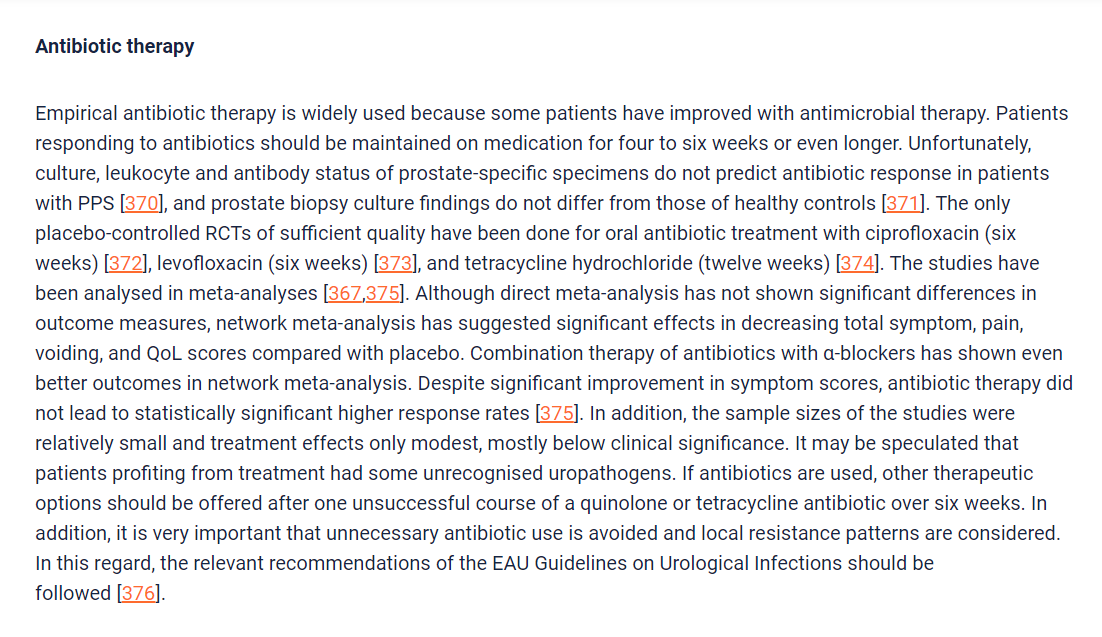
@Uroweb 2nd thread in response, kind regards..
1. Let’s look at this section of the EAU Chronic Pelvic Pain Guidelines again.
They reference several papers.....
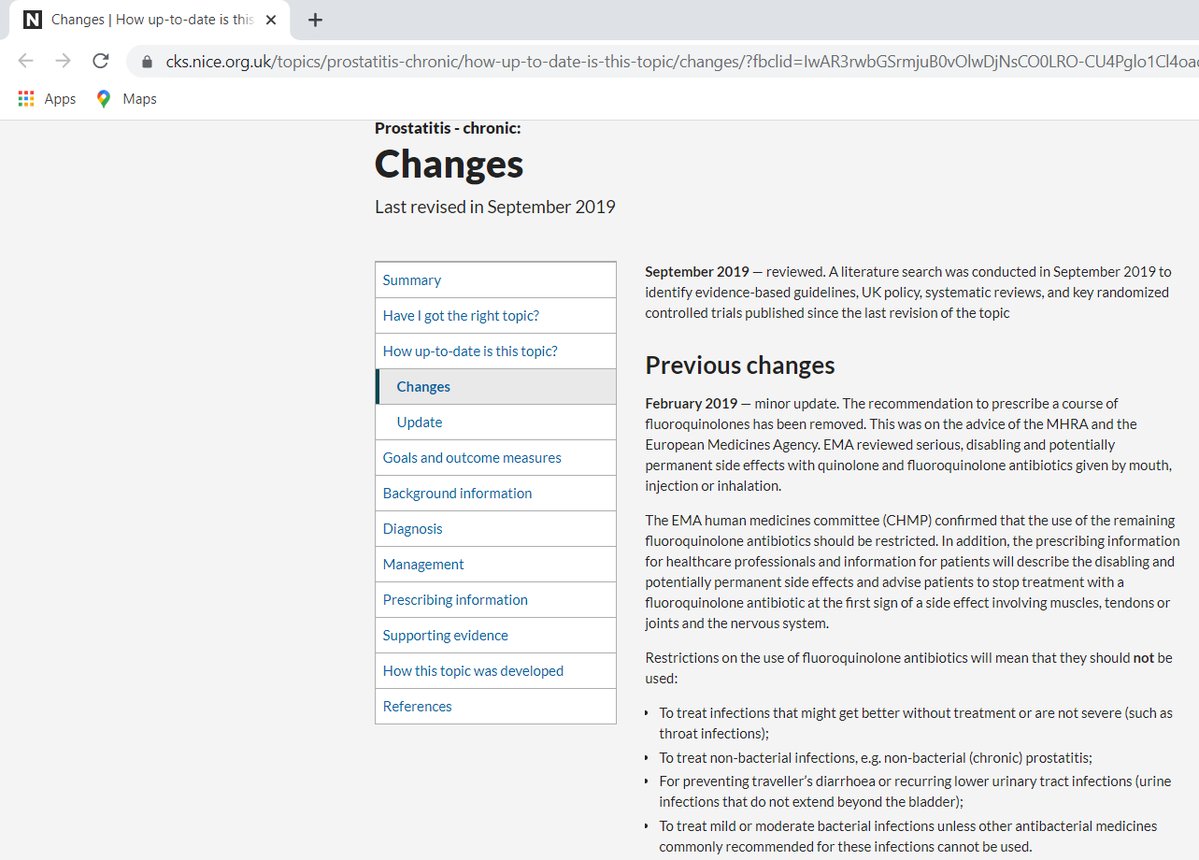
@Uroweb 1. 1st thread in response, kind regards..
The EMA placed restrictions on the use of
fluoroquinolones in March of 2019, following its safety
review and June 2018 public hearing, meaning that they should not be used in cases of chronic prostatitis/CPPS..
https://t.co/elxquDyPNi
According to star Emily Blunt, there are questions posed by Steven Spielberg's Close Encounters of the Third Kind that are answered in Spielberg's new film, Disclosure Day.
Blunt plays Margaret Fairchild, a journalist turned meteorologist. She tells Empire that her character feels out of place in her current situation, being cautious not to reveal too much before the film's release.
Spielberg shot Disclosure Day on 35mm film with the Panavision Panaflex Millennium XL2 camera and Panavision C- and T-Series lenses. The film has a 2.39:1 aspect ratio.
Release date: 06.12.26
Please tune in to #ThisisFloxed on Tuesday, April, 21, 2026 at 11am ET.
Link: https://t.co/OFTluFYq15
FIVE YEARS FLOXED: TALIA'S HEALTH JOURNEY, RECOVERY, AND RESILIENCE. Hear about my journey through the eyes of my family members and friends. #cipro#mystory#ciprofloxacin














![FQ_100's tweet photo. Why Many Floxed People Can’t Sleep
If you’ve been “floxed” by a fluoroquinolone* antibiotic and suddenly find yourself staring at the ceiling at 3 a.m., or worse, going days with little to no sleep - you are not alone.
For many in the adverse effects community, insomnia is one of many possible relentless symptoms. It often does not feel like a typical bad night of sleep, but like the nervous system has been switched on and can no longer find the off button. Importantly, insomnia and other central nervous system effects are recognized in fluoroquinolone labeling and medical literature, so these reports are not merely anecdotal patient complaints. [1,3,4]
Below are science-based mechanisms that may help explain why this happens, along with additional factors many floxed patients report in the support groups.
🟥 Glutamate Overload & Reduced GABA Signaling (gas pedal stuck, brakes failing):
Glutamate and GABA are the brain’s version of a gas pedal and a brake. After being floxed, this balance may shift into a hyperexcitable state:
• Glutamate/NMDA activity may run too high
• GABA signaling may become functionally reduced, leaving the nervous system feeling as if the “brakes” are no longer working
➦ Why? Research suggests fluoroquinolones can interfere with GABA-A receptor signaling and may increase excitatory activity through pathways involving NMDA, creating a “wired” state that can make it difficult for the brain to shut off into sleep. [2,4]
NSAIDs may also matter for some patients. Research has shown that certain nonsteroidal anti-inflammatory drugs can intensify fluoroquinolone-related effects on GABA-A receptors, which may increase CNS excitability in susceptible people. This may help explain why some patients report worsening agitation, tremor, anxiety, or insomnia after combining or following fluoroquinolones with NSAIDs. [4]
🟥 The Magnesium Link (NMDA amplifier):
Magnesium naturally helps regulate NMDA receptor activity, one of the main excitatory “gates” in the brain. If magnesium status is low, poorly tolerated, or functionally inadequate for the person’s needs, the nervous system may have less buffering against excitatory signaling.
➦ For some patients, this may contribute to agitation, sensory overstimulation, anxiety-like symptoms, and insomnia that can feel like withdrawal-type hyperarousal.
🟥 Astrocytes & Glutamate Cleanup Crew Getting Overwhelmed:
Under normal circumstances, brain cells called astrocytes help clear excess glutamate so it does not build up. If glutamate signaling stays high and oxidative stress is also elevated, the system that normally buffers glutamate can become strained. [7]
➦ This can feed a loop of excitability and “glutamate overload.”
(Note: astrocyte research is not fluoroquinolone-specific, but the biology supports the plausibility of this mechanism.)
🟥 Mitochondrial Stress Can Add Fuel to the Fire:
Fluoroquinolones are not only linked to neurotransmitter disruption; they have also been associated with mitochondrial dysfunction and oxidative stress in mammalian and human cell studies. When cellular energy regulation becomes unstable, the nervous system may become less resilient and more reactive. [8]
➦ Many patients recognize a pattern early on: even herbs or supplements, such as CoQ10 or glutathione, can sometimes backfire in a sensitized system, causing paradoxical overstimulation, agitation, or worse insomnia. Responses can be highly individual.
✅✅ Additional Possible Reasons:
- High Norepinephrine / Sympathetic Overdrive (“Fight or Flight” stuck ON)
Many floxed patients describe dysautonomia-like patterns: racing heart, temperature swings, internal tremor, adrenaline surges, and an inability to downshift into rest.
➦ If the autonomic nervous system can’t transition into parasympathetic dominance, sleep initiation and sleep depth can both suffer. This can overlap with mitochondrial stress and broader neurochemical imbalance rather than one single pathway.
- Blood Sugar Instability
Blood sugar instability may also contribute. The FDA warned in 2018 that fluoroquinolones have been linked to blood glucose disturbances, including serious hypoglycemia in some cases. When blood sugar drops, the body may activate adrenaline-like counter-regulatory responses, which can cause sweating, tremor, anxiety, palpitations, or internal shaking. [10,11]
➦ For some susceptible patients, this could potentially contribute to sudden nighttime waking or panic-like surges.
- Gut Dysbiosis = Neurotransmitter Chaos
Antibiotics can disrupt gut microbiota, and the gut-brain axis strongly influences neurochemistry and inflammation. Microbes influence neurotransmitter systems including GABA, serotonin, dopamine, and glutamate signaling. [5]
➦ Dysbiosis can shift neuroactive metabolites and may worsen anxiety, mood instability, and sleep disruption in susceptible people.
- Mast Cell Activation (MCAS) or Histamine Intolerance
Some floxed patients report new histamine intolerance or MCAS-type symptoms. Histamine is not only involved in allergy-type reactions; in the brain, it also helps promote wakefulness. For some sensitive patients, increased histamine activity may add to nighttime arousal, lighter sleep, or repeated waking. [6]
- EMF (electromagnetic field) Sensitivity (reported by patients; research is mixed)
Some people report new or worsened sensitivity to Wi-Fi, phones, or electronics near the bedroom. The research on RF-EMF and sleep is mixed: some studies show measurable changes in sleep markers, while reviews differ depending on conditions and methodology. [9]
➦ If it is a personal trigger, reducing bedroom exposure may be worth a simple trial.
- Caffeine
The body’s response to caffeine may feel different after fluoroquinolone injury if nervous-system sensitivity, autonomic tone, inflammation, mitochondrial energy regulation, or caffeine metabolism has shifted.
How to navigate all this❓
That’s the tricky part. Patients with FQ adverse effects can respond very differently depending on symptom severity, nervous system sensitivity, mitochondrial stability, and gut or histamine factors. What helps the general public sleep may not work the same here.
Some people do better early on with non-oral approaches like topical magnesium, compounded creams, or skin patches while working with a clinician** familiar with fluoroquinolone consequences.
Because GABA signaling appears to be an important issue for many floxed patients, some people look beyond standard “sleep aids” and focus instead on reducing overall nervous-system activation while supporting the brain’s calming “brake system.”
Areas to review with a knowledgeable clinician may include:
· Medication review: Some medications can worsen CNS stimulation or interact with GABA-related pathways, including NSAIDs, steroids, decongestants, stimulants, certain antidepressants, and some antihistamines.
· Addressing body-based triggers: Pain, neuropathy, restless legs, temperature swings, air hunger, or racing heart can keep the body in an activated state and make it harder for the nervous system to settle into sleep.
· Hormone, amino acid, and mineral review: Hormone changes, amino acid balance, magnesium status, and other mineral issues may be worth reviewing, since these can influence sleep, nervous-system excitability, and the body’s ability to calm down at night.
· Gut-brain support: Gut health may also matter, since the gut microbiome can influence GABA, glutamate, inflammation, and the gut-brain axis.
· A possible referral: To a sleep medicine specialist or an overnight polysomnography sleep study to rule out other factors.
The goal is often to reduce the triggers keeping the nervous system in an overactive state while gently supporting inhibitory balance. According to the Cleveland Clinic, self-support strategies include slow breathing, meditation, prayer, calming music, gentle stretching, yoga-based relaxation, vagus-nerve calming practices, or progressive muscle relaxation. Supporting circadian rhythm with morning sunlight, dim evening lighting, reduced nighttime screens, and consistent wake times may also help reinforce the body’s natural sleep-wake rhythm.
If you notice that certain foods or supplements seem to make you feel wired, overstimulated, internally shaky, anxious, restless, or unable to sleep, some people in the community experiment with reducing possible “free glutamate” triggers for a period. This is not universal but may be helpful for a subset.
Sources may include:
🚫 MSG, soy sauce, collagen, bone broth, whey, yeast extract, hydrolyzed protein, natural flavors, and highly processed savory foods
✅ ✅ ✅ Ways people in the community try to reduce setbacks:
Because reactions can be unpredictable, many that are floxed find it helpful to avoid making several changes at once, use extra caution with supplement amounts, and watch for delayed reactions the next day.
You may wish to look for physicians or licensed clinicians trained in osteopathic medicine (DO), functional medicine, or integrative medicine, as these providers may be more likely to take a whole-body approach to evaluating complex health concerns. You can find the national directories on our website at the link below.
If someone is not sleeping for multiple nights, experiencing hallucinations, severe agitation, suicidal thoughts, mania-like symptoms, chest pain, or extreme autonomic symptoms, they should seek immediate medical care.
*💊Common medications in the fluoroquinolone class - Cipro/ciprofloxacin, levofloxacin, moxifloxacin; see complete list in all forms for humans and pets: https://t.co/OKH2DOWix0
**Find Medical: https://t.co/gjkZgGyJ0V
➦ To find out what others have tried for insomnia, check out the USA support group: https://t.co/E1ZlIJrCdm
Find support and resources on our sites:
🌐 Website & Resources: https://t.co/G9NJIEKEij
▶️YouTube: https://t.co/lWJ0LMmfeq
🔵Facebook: https://t.co/oVDvQDnync
🐦X: https://t.co/wy1eoABmUs
♦️Disclaimer: Fluoroquinolone Toxicity Study does not provide medical advice. All videos, articles, posts, and written materials are intended for educational and informational purposes only. We make every reasonable effort to provide accurate information, but this material is not a substitute for professional medical advice, diagnosis, or treatment. Symptoms, underlying medical conditions, treatment responses, and the effects of medications or supplements may vary significantly among individuals.
♦️Statement concerning the use of artificial intelligence: AI-assisted tools were used to help locate scientific sources and to improve the language, organization, and editing of this article. All scientific claims and references were reviewed before inclusion.
References
1. Fluoroquinolones neurological effects and CNS complications: https://t.co/RKxY9sA6ST
2. Fluoroquinolones CNS excitatory effects (GABA/NMDA): https://t.co/tDUeLl2Ag4
3. FDA label example: LEVAQUIN® prescribing information, CNS effects including insomnia, restlessness, anxiety, and nightmares: https://t.co/U3m2q4p2On
4. Depressive and other adverse CNS effects of fluoroquinolones, including discussion of GABA-A receptor effects and NSAID interaction: https://t.co/jVzPt08krq
5. Antibiotics and the gut microbiome: https://t.co/60wGlvID9T
6. Histamine and wakefulness: https://t.co/fCYa71RatI
7. Astrocytes and glutamate homeostasis: https://t.co/EnyctOPHEd
8. Fluoroquinolone effects on mitochondrial function and oxidative stress in human retinal MIO-M1 cells: https://t.co/bYaKLuXePO
9. RF exposure and sleep, double-blind study: https://t.co/GlsgBX7zqA
10. FDA warning update on fluoroquinolone mental health effects and blood sugar disturbances: https://t.co/Ux6sgurcEW
11. Glucose counterregulatory responses to hypoglycemia: https://t.co/Rs8GhLk2aJ
12. The effect of breathing exercises on adults’ sleep quality: https://t.co/0QlfYScsZZ
13. Cleveland Clinic sleep meditation and relaxation techniques: https://t.co/owSJ5gtyHo
14. Cleveland Clinic vagus nerve reset and breathwork: https://t.co/AJp4yUbUDq
#FluoroquinoloneToxicity #Floxed #FQAD #AdverseDrugReaction #DrugSafety #PatientSafety #Insomnia #SleepDisorders #Neurotoxicity #Dysautonomia #MitochondrialDysfunction #GABA #Glutamate #MCAS #FDAWarnings
@US_FDA @FDAMedWatch @HHSGov @CDCgov @SecKennedy @CDCGlobal @WHO](https://pbs.twimg.com/media/HMvpZ6BagAArC89.jpg)

![FQ_100's tweet photo. For decades, fluoroquinolone antibiotic injured patients have reported tendon pain, weakness, tearing, ruptures, instability, and a frightening sense that their connective tissue no longer has the same strength or support. This new unedited* study: "Effects of fluoroquinolone antibiotics on extracellular matrix-related phenotypes in tendon cells", adds another important piece to that puzzle.
Rather than looking only at tendon pain or rupture risk, the researchers examined what fluoroquinolone antibiotics may be doing inside tendon cells and to the extracellular matrix, or ECM. The ECM is the body’s structural support system around cells. In tendons, this matters enormously because tendon strength depends on a highly organized collagen matrix. When that matrix is disrupted, the issue may not simply be “less collagen,” but weaker, poorly assembled connective tissue.
The authors focused mainly on ciprofloxacin and levofloxacin using adult mouse Achilles tendon cells. Their central finding was that fluoroquinolones did more than reduce collagen production. They also disrupted several key parts of tendon matrix health, including collagen assembly and quality, collagen fibril stiffness, fibronectin, lysyl oxidase activity, and active β1-integrin, an important receptor that helps cells attach to and communicate with the surrounding matrix.
This suggests that fluoroquinolones may weaken tendon structure by disturbing both:
➥ ➥ the “building materials” and the “assembly system.”
What they found --
🟡 Ciprofloxacin enters tendon cells through a carrier-mediated process. That means it is not just passively floating around outside the cells; tendon cells appear able to take it up through transport systems. The authors say this was shown in tendon cells for the first time, although they also admit the transporter they identified does not explain all uptake.
🟡 Reduced type I collagen (the major tendon collagen) ➨Levofloxacin and ciprofloxacin reduced type I collagen mRNA and protein, with ciprofloxacin appearing stronger in this model.
🟡 Reduced fibronectin (fibronectin helps organize collagen matrix and supports cell adhesion).
🟡 Increased type V collagen ➨type V collagen helps regulate collagen fibril diameter. The authors suggest that a shift in the type V/type I collagen balance could contribute to thinner or altered collagen fibrils.
🟡 Collagen assembly was strongly inhibited. The collagen network was much more affected than total hydroxyproline content, suggesting the issue is not only “less collagen,” but poorly organized collagen matrix.
🟡 Reduced hydroxyproline content (a marker of collagen content and collagen-related ECM).
🟡 Reduced lysyl oxidase activity. (Lysyl oxidase (LOX) helps cross-link collagen and elastin and what gives connective tissue strength).
🟡 Ciprofloxacin reduced collagen fibril elastic modulus by about 67% and fibril diameter by about 45% in vitro (cell culture), a concrete “structure/strength” finding.
🟡 Reduced active β1-integrin. This matters because β1-integrin helps cells attach to and sense the ECM. The authors speculate that impaired fibronectin and β1-integrin signaling could contribute to anoikis (form of cell death/dysfunction related to poor cell-matrix attachment).
What is new?
The most useful newer contribution is not that fluoroquinolones damage collagen - that was already known but:
1. Tendon-cell uptake of ciprofloxacin
They specifically show carrier-mediated ciprofloxacin uptake in mouse tendon cells. That gives a plausible reason tendon cells themselves may be directly affected, not only indirectly harmed by inflammation or systemic oxidative stress.
2. Collagen assembly versus collagen amount
Importantly, they show the collagen network/assembly can be severely impaired even when total collagen marker reduction is more modest. That helps explain why tissue could be functionally weak even if a simple collagen quantity marker does not look catastrophic.
3. LOX and fibril stiffness
The LOX/collagen fibril stiffness finding is meaningful because it connects FQ exposure to mechanical properties, not just molecular markers, and a 67% reduction in elastic modulus (the collagen structure became less firm and less mechanically strong).
❓The key question…..
How do we help the body rebuild and remodel matrix over time, while avoiding further injury and supporting the cellular systems that create usable collagen?
Evidence from tendon biology and tendinopathy research supports the importance of adequate protein, vitamin C, collagen-building nutrients, mineral cofactors, and progressive tendon loading for connective-tissue remodeling. However, this information comes largely from the general tendon-repair literature, not from studies specifically designed around fluoroquinolone-injured patients. Individuals with FQAD (fluoroquinolone associated disability) may not respond in the same way as the general population, and some may be unable to tolerate standard rehabilitation, treatments or supplement approaches, especially during periods of acute or systemic dysfunction. This is why this new tendon-cell paper is important as its findings point to a broader problem than just collagen.
This unedited study suggests fluoroquinolones may impair collagen production, collagen assembly, LOX activity, fibril strength, collagen balance, fibronectin, and β1-integrin/cell-matrix signaling. Therefore, a rational recovery framework may need to look beyond simply taking collagen and instead consider the larger matrix-repair environment. According to studies, potential support areas may include adequate protein, collagen peptides or collagen-rich foods to provide collagen-building amino acids, vitamin C sufficiency, copper/zinc balance for LOX-related cross-linking, correction of nutritional deficiencies, oxidative-stress and mitochondrial support, careful progressive mechanical loading, and avoidance of overload while the matrix is structurally vulnerable. Dedicated human studies in fluoroquinolone-injured patients are urgently needed to better understand these mechanisms and identify meaningful paths toward recovery.
Currently, much of the feedback regarding what helps or can worsen adverse effects such as tendon issues, still comes from patient experiences within the fluoroquinolone-injured community, with varying outcomes remaining very individual. Several additional clinician-supervised or experimental areas sometimes discussed in tendon repair include shockwave therapy, PRP, hyaluronic-acid/proteoglycan support, and regenerative peptides such as BPC-157 or thymosin β4/TB-500 (not currently FDA approved). Please always do your research and consult with a physician in functional medicine or similar before embarking on any treatments, keeping in perspective that many of those living with fluoroquinolone adverse effects can be living with fragile systems which many doctors are completely unaware of.
Should there be any changes to the early-access journal article once published, this post will be updated.
⚠️⚠️Disclaimer: This article is for educational and informational purposes only. It is not medical advice, does not provide a diagnosis or treatment plan, and should not be used as a substitute for care from a qualified healthcare professional. Fluoroquinolone-associated injury can involve complex, individualized risks. Some interventions, including supplements, exercise, physical therapy, medications, treatments and dietary changes, may be inappropriate or harmful for certain individuals based on many factors. Patients should consult their own healthcare professionals before making changes or starting new protocols.
⚠️Note: products such as collagen, bone broth and gelatin are animal derived and source quality can vary.
*✏️Article link:
Anand A, Sakai K, Dickens D, et al. Effects of fluoroquinolone antibiotics on extracellular matrix-related phenotypes in tendon cells. Scientific Reports. 2026. https://t.co/yMPZ1yH9RR [Important Note: This is an unedited early-access version that may undergo further editing before final publication – see the download button for full article]
References
1. Anand A, Sakai K, Dickens D, Tsuzuki S, Minamiguchi S, Asai N, Kazaili A, Akhtar R, Pirmohamed M, Sakai T. Effects of fluoroquinolone antibiotics on extracellular matrix-related phenotypes in tendon cells. Scientific Reports. 2026.
https://t.co/Lt9aOBo8KN
2. Buchalski A, et al. Collagen Supplementation on Tendon-Related Structural, Functional, and Clinical Outcomes: A Systematic Review. Journal of Functional Morphology and Kinesiology. 2026;11(1):130.
https://t.co/ipa8WauqXG
3. Hijlkema A, Roozenboom C, Mensink M, Zwerver J. The impact of nutrition on tendon health and tendinopathy: a systematic review. Journal of the International Society of Sports Nutrition. 2022;19(1):474-504.
https://t.co/IipUMl4CU0
4. Kjaer M, Langberg H, Heinemeier K, et al. From mechanical loading to collagen synthesis, structural changes and function in human tendon. Scandinavian Journal of Medicine & Science in Sports. 2009;19(4):500-510.
https://t.co/7ay7TiQl7P
5. Mousavizadeh R, Hojabrpour P, Eltit F, et al. β1 integrin, ILK and mTOR regulate collagen synthesis in mechanically loaded tendon cells. Scientific Reports. 2020;10:12644.
https://t.co/kkIArJQTeX
6. Ellingson AJ, Pancheri NM, Eberman LE, Kines KJ, Recker AJ, Bates NA. Regulators of collagen crosslinking in developing and adult tendon. Journal of Orthopaedic Research. 2022;40(8):1821-1834.
https://t.co/9ZOAiRUTSC
7. Nguyen PK, Briquez PS, Kyoung J, et al. Tendon mechanical properties are enhanced via recombinant lysyl oxidase treatment. Scientific Reports. 2022;12:13624.
https://t.co/FQ5DFeLKh2](https://pbs.twimg.com/media/HKU0PW1aEAAcveC.jpg)