🚨 Update on @Aave's Internal "Civil War" Situation
Aave is at a "Break it or Make it" moment.
Whatever happens next won't just define the future of crypto's largest bank, it'll also set a precedent for the entire industry.
What changed since yesterday 👇
– Voting went live today
– Stani voted against (nay) with ~333k (~33% of total voting power so far)
– @Marczeller voted abstain, as publicly stated
– Major CT voices like @DefiIgnas also chose abstain
Current scoreboard:
– 62.76% against Aave DAO (Nay)
– ~33.18% abstain
– Only ~4.06% in favor (Yea)
Translation: the DAO is almost certainly losing.
If this passes against the DAO, things can get messy.
Possible outcomes 👇
A. Scenario 1:
Aave DAO forks the frontend and runs independently.
This lets the DAO route surplus fees to the treasury, but it comes with massive responsibility around security, updates, maintenance, infrastructure, and ops.
It also splits the user base (and trust?) overnight.
B. Scenario 2:
A full-blown legal tussle between Aave DAO and Aave Labs, potentially in Wyoming, exactly as @tulipking predicted.
C. Scenario 3:
Nothing happens. The DAO accepts the result and moves on, since it doesn't own the brand, IP, socials, GitHub, npm, naming rights, etc.
Also, many won't want a long, public DAO vs. Labs war anyway. A prolonged standoff risks bleeding revenue and weakening the ecosystem further.
But, every scenario creates a crack between Aave Labs and Aave DAO.
And that's dangerous.
Because Aave didn't survive multiple cycles alone.
Service providers like @chaoslabs LlamaRisk, BGD Labs, TokenLogic, and @Aavechan are a huge reason Aave not only grew, but also stayed dominant through multiple cycles.
For Aave to remain the dominant player, DAO alignment isn't optional, it's existential. And this conflict has to be resolved or decisively settled.
Until then, everything is uncertain and the market is already reacting.
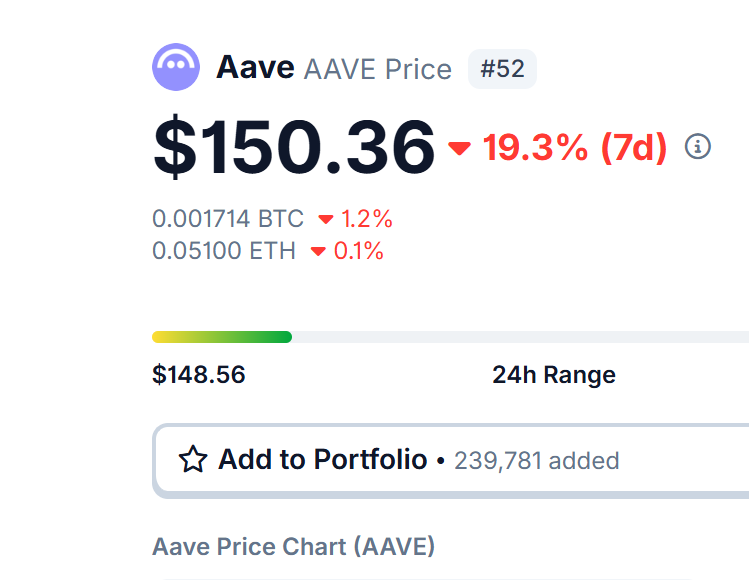
AAVE is down ~18% in 7 days, despite the SEC officially ending its investigation on Dec 17.
But if we zoom out, this vote answers something bigger:
1. Token vs. equity
2. Governance as 'utility'
3. Who actually owns a protocol?
This industry has argued about this for years.
Aave is about to give us the answer, whether it wants to or not.
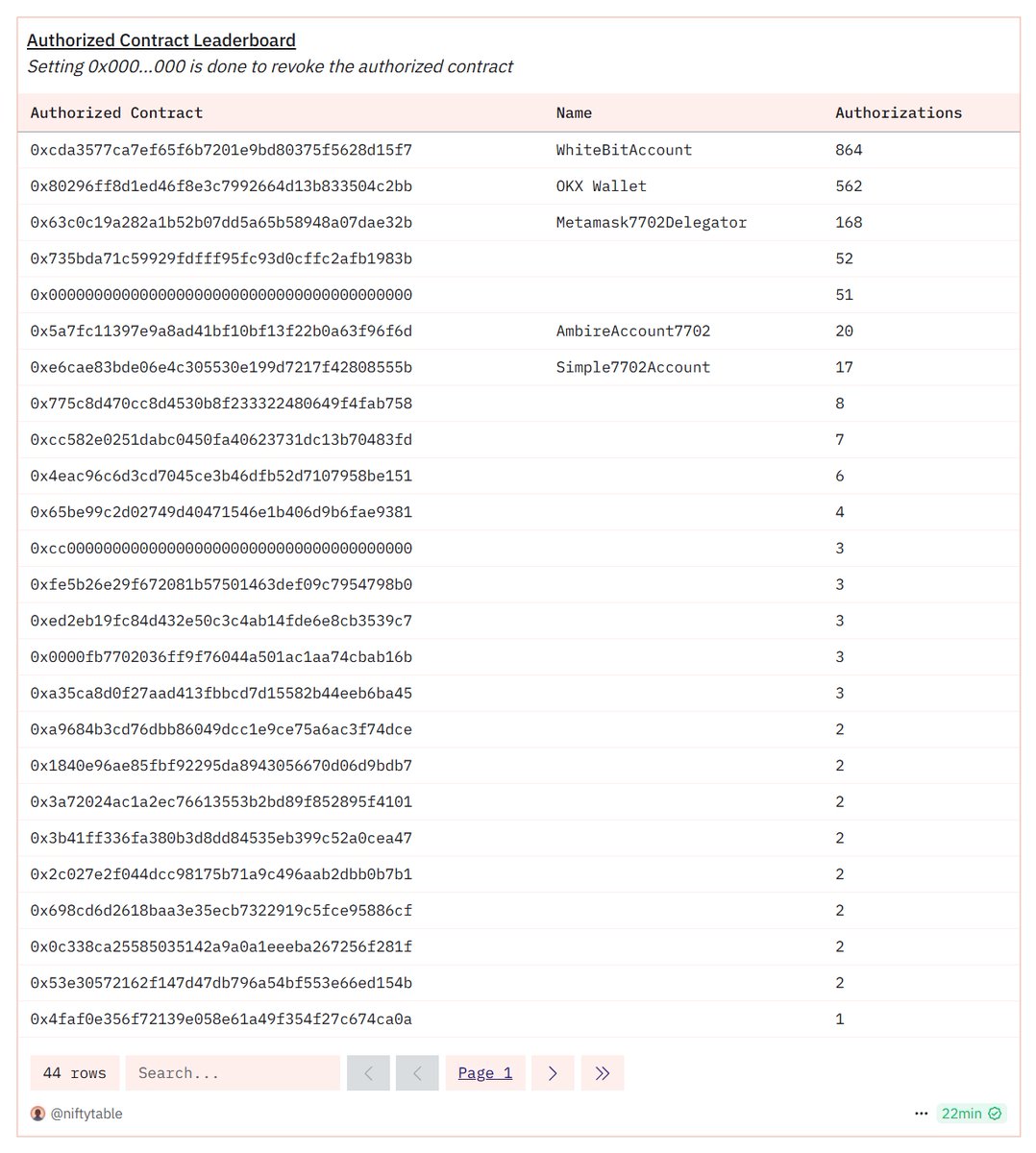
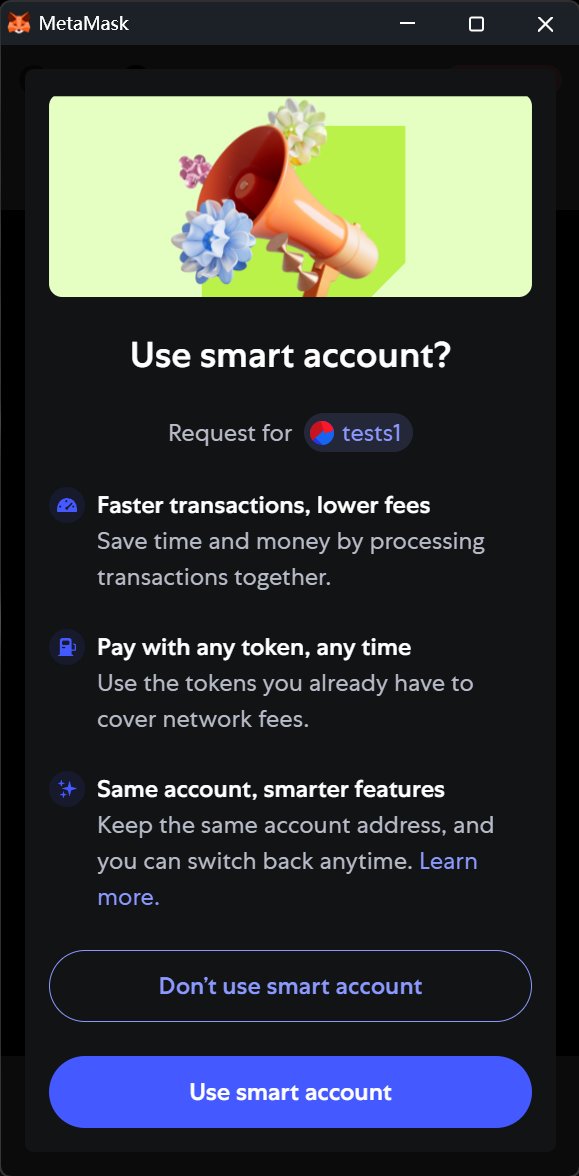
🚨 Ethereum's Pectra upgrade (EIP-7702) is live — a major leap forward, but new functionality brings new risks. Here’s what users, wallet providers, developers, and exchanges should watch out for: 🧠
🛡️ For Users:
✅Private key protection should always be a priority.
✅Be aware that the same contract address on different chains may not always have the same contract code.
✅Understand the details of the delegated target before proceeding.
🔍 For Wallet providers:
✅Check if the chain of the delegation matches the current network.
✅Warn users about the risks of delegations signed with a chainID of 0 that could be replayed across different chains.
✅Display the target contract when users sign delegations to reduce the risk of phishing attacks.
🧑💻 For Developers:
✅Ensure permission checks are performed during wallet initialization (e.g., via ecrecover to verify the signing address).
✅Follow the Namespace Formula proposed in ERC-7201 to mitigate storage conflicts.
✅Don't assume that tx.origin will always be an EOA, using msg.sender == tx.origin as a defense against reentrancy attacks will no longer be effective.
✅Ensure that the target contract for the user’s delegation implements the necessary callback functions to ensure compatibility with mainstream tokens.
🏦 For CEXs:
✅Run trace checks on deposits to mitigate the risk of fake deposits from smart contracts.
📚 Full best practices & in-depth analysis:
https://t.co/IvphpT07rA