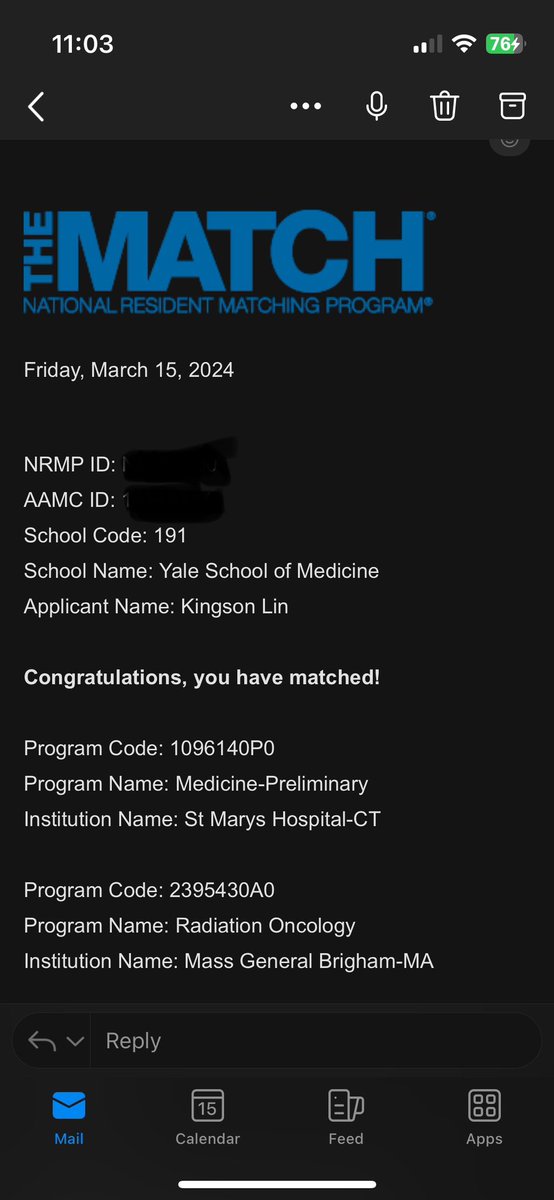
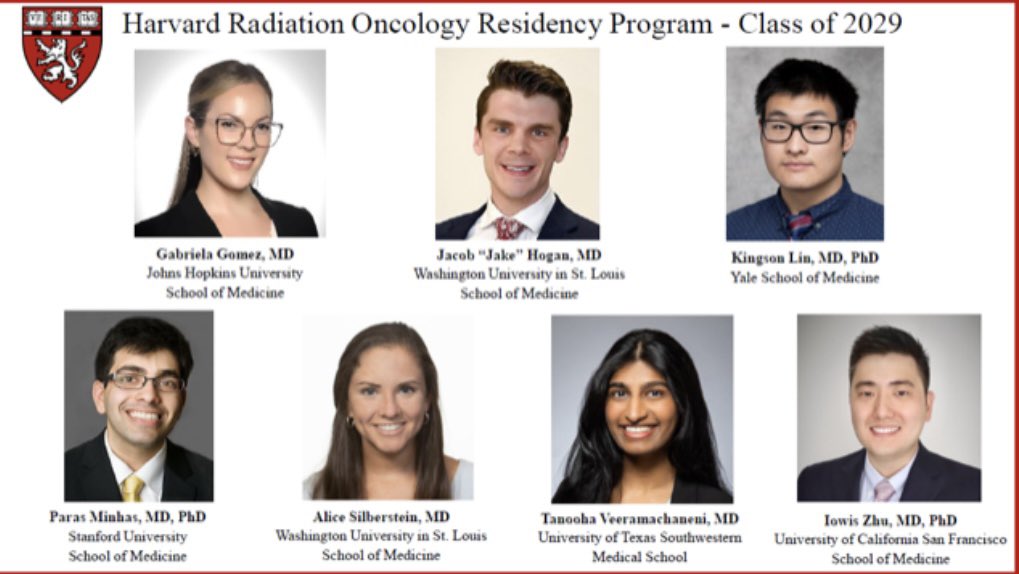
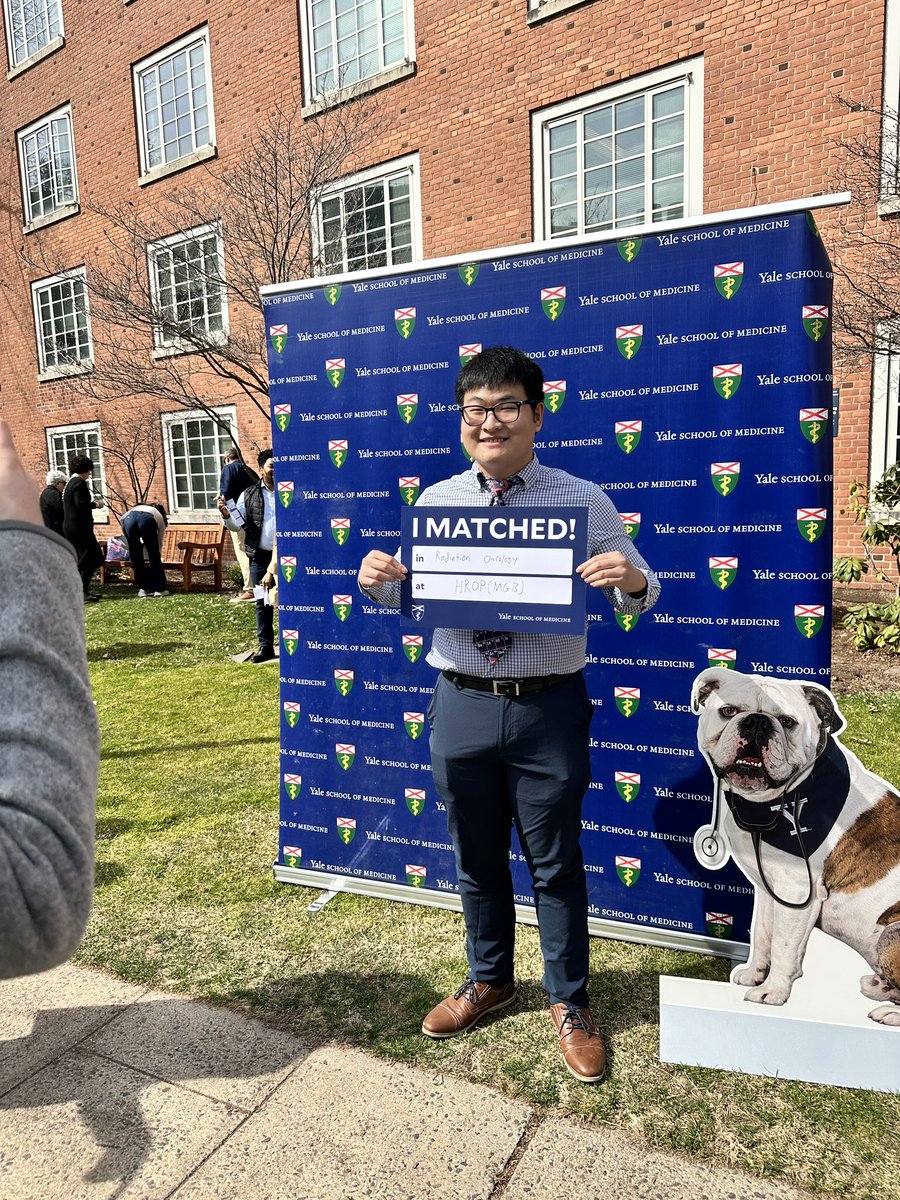
Today has been one of the most exciting days of my life as I #matched at my first choice residency program 🤩. I’m beyond estatic to be joining the @HarvardRadOnc residency program @MassGenBrigham! So grateful to support from @YaleMSTP, @PDSoros, family, friends and mentors 🙏!!!
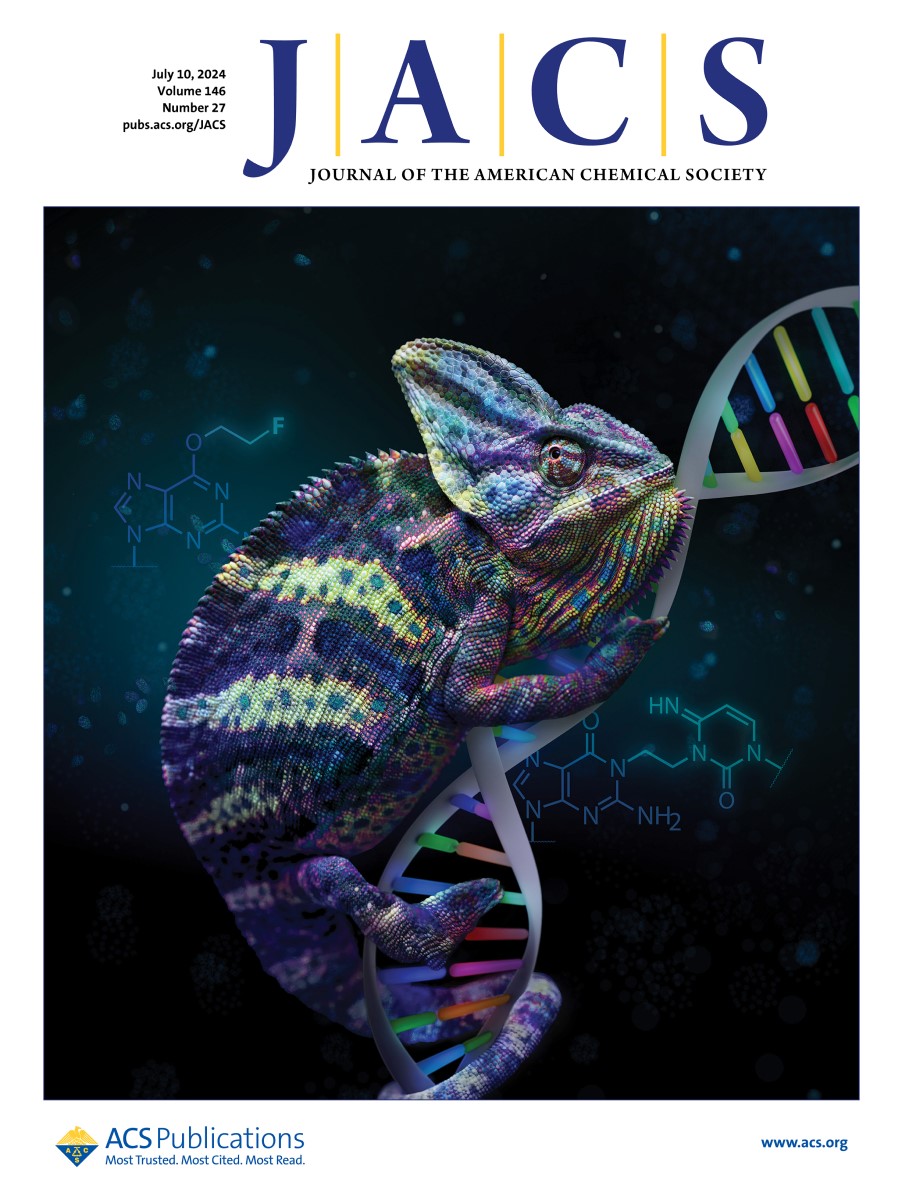
The latest issue of JACS is live!
On the cover this week: Researchers from @Yale have designed a molecule that kills brain cancer cells while giving healthy cells time to repair their DNA. @ranjitbindra@YaleCancer
Learn more ➡️ https://t.co/eyEH5doRzY
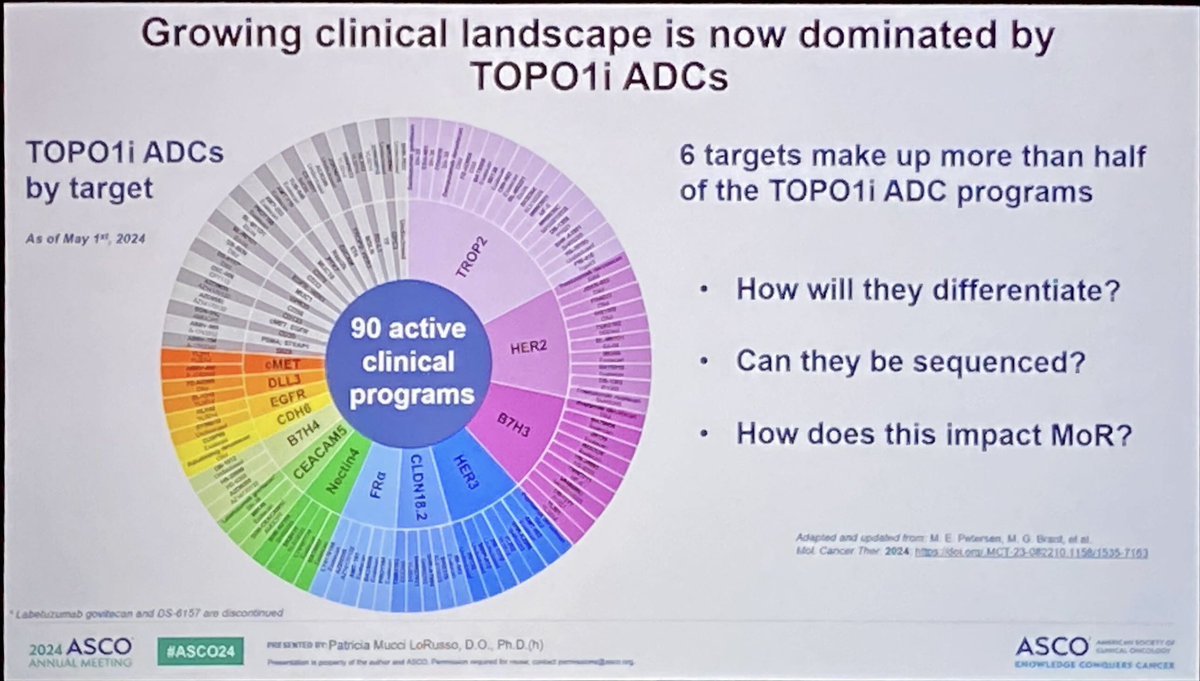
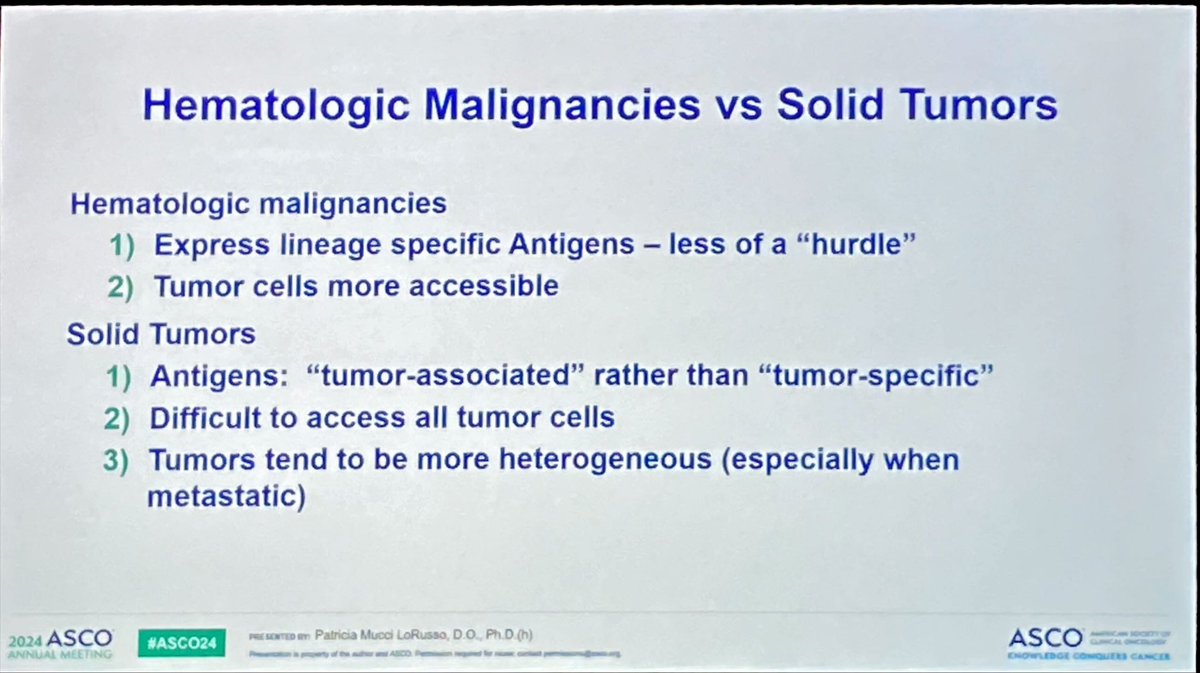
Landscape of ADCs by Dr. LoRusso. 11 approved ADCs among 349 ADCs that have entered the clinic (148 discontinued). Developing ADCs for solid tumor is challenging given antigens being “tumor-associated” not “specific” and heterogeneity of cancer cells among many reasons.
#ASCO24
Part 2 of the KL-50 story now out in @J_A_C_S ! 🔑takeaways: (1) rate of reactions with DNA currently underappreciated, (2) fine-tuning those rates decreases multiple off-target pathways and results in ⬇️toxicity, (3) chemotherapies ARE targeted therapies. Part 3 coming soon...😉
It’s out! Our follow-up study on KL50, a novel DNA modifier that exploits brain tumor DDR defects! Grateful for the opportunity to collaborate w/ the @HerzonLab on this exciting project.
@LinKingson@YaleRadOnc@YaleCancer@Yale_Ventures@modifibio
https://t.co/UI76yLgJs2
It’s crazy seeing the Twitter storm around the recent article reporting concerns regarding the shelf pass rates at UCLA and its implications. Meanwhile medical students at Yale 😅… What are shelf exams lol😂? #YaleSystem
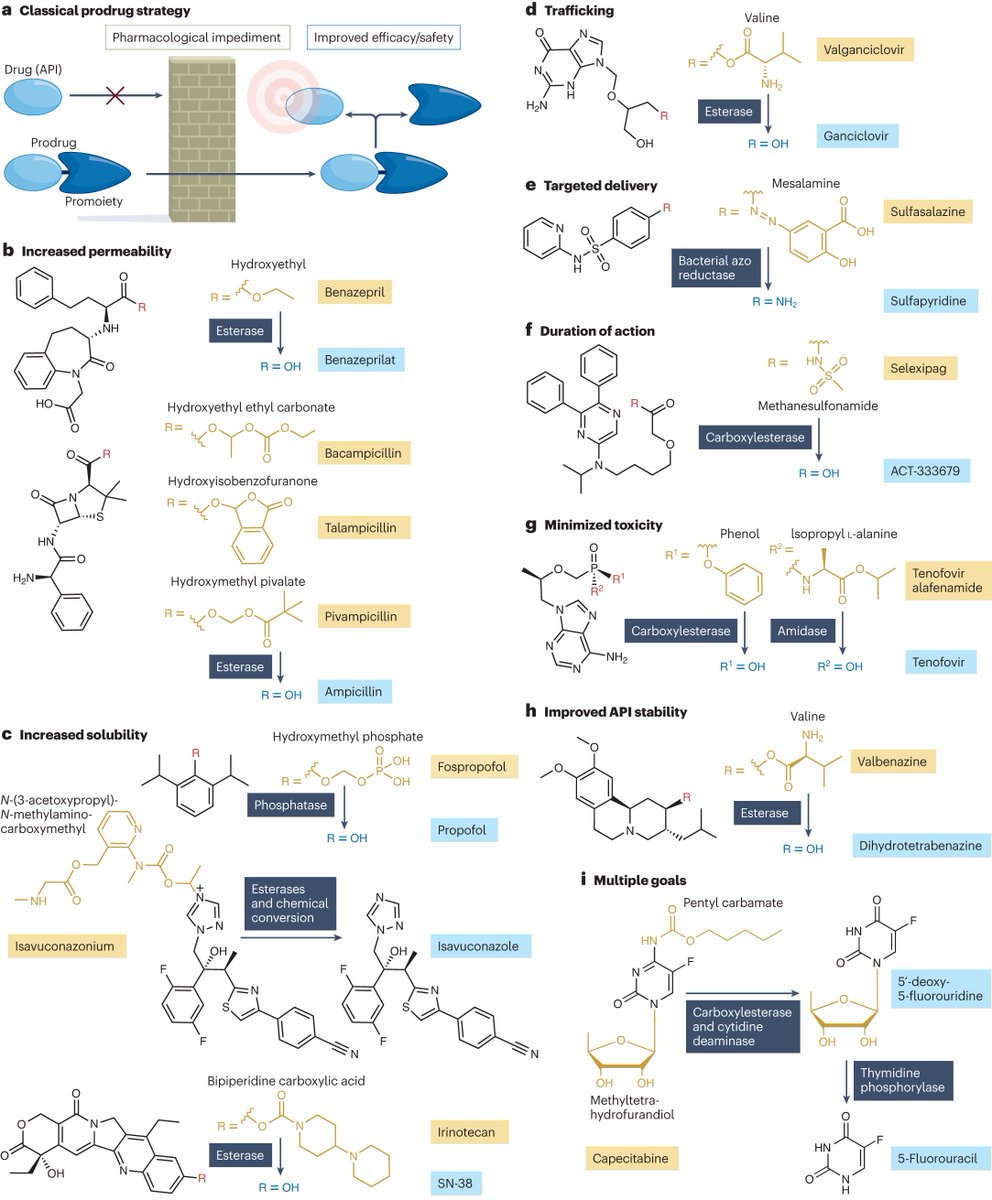
Interested in prodrugs? This review in the June issue analyses approved prodrugs and discusses trends in their development, design rationales, indications, mechanisms of API release, chemistry of promoieties and market impact https://t.co/WnMREDKYig https://t.co/SCzD688Lgf
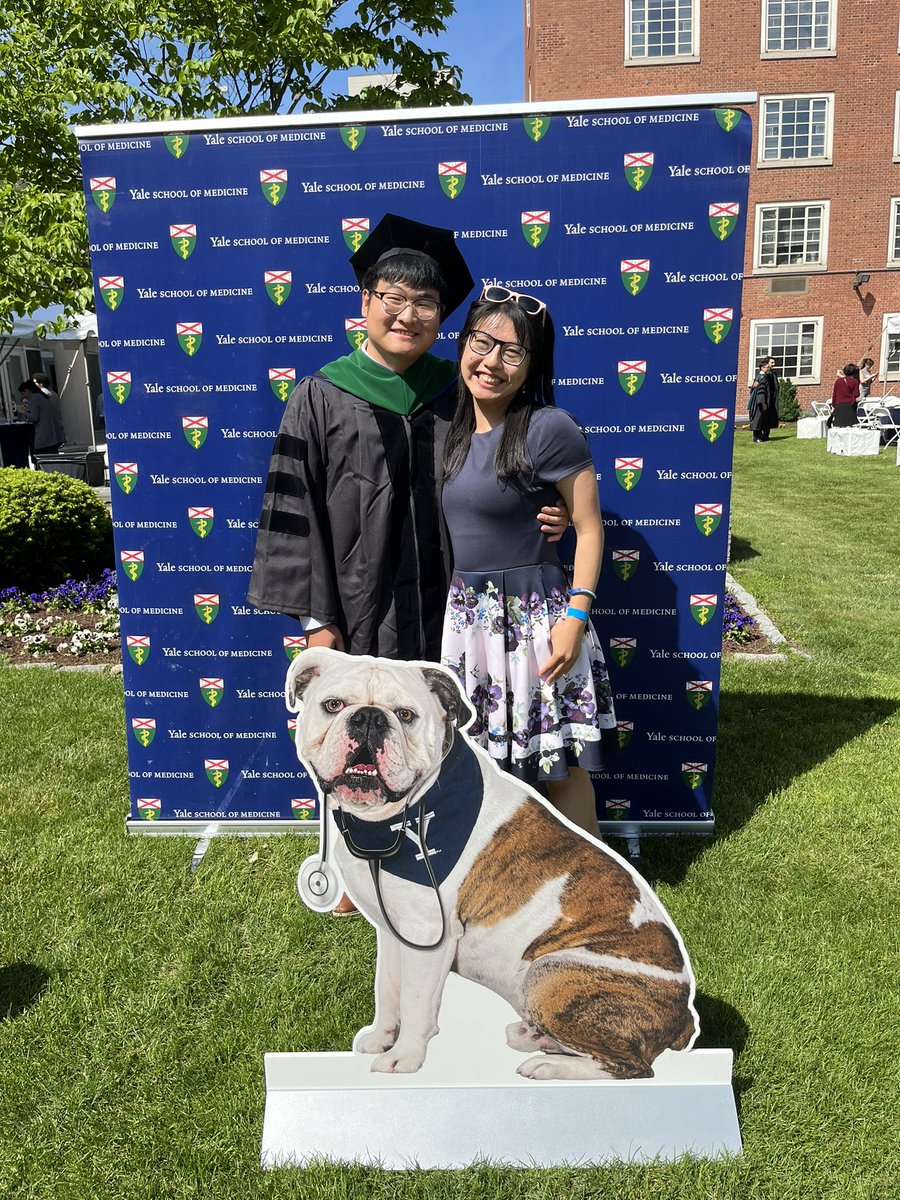
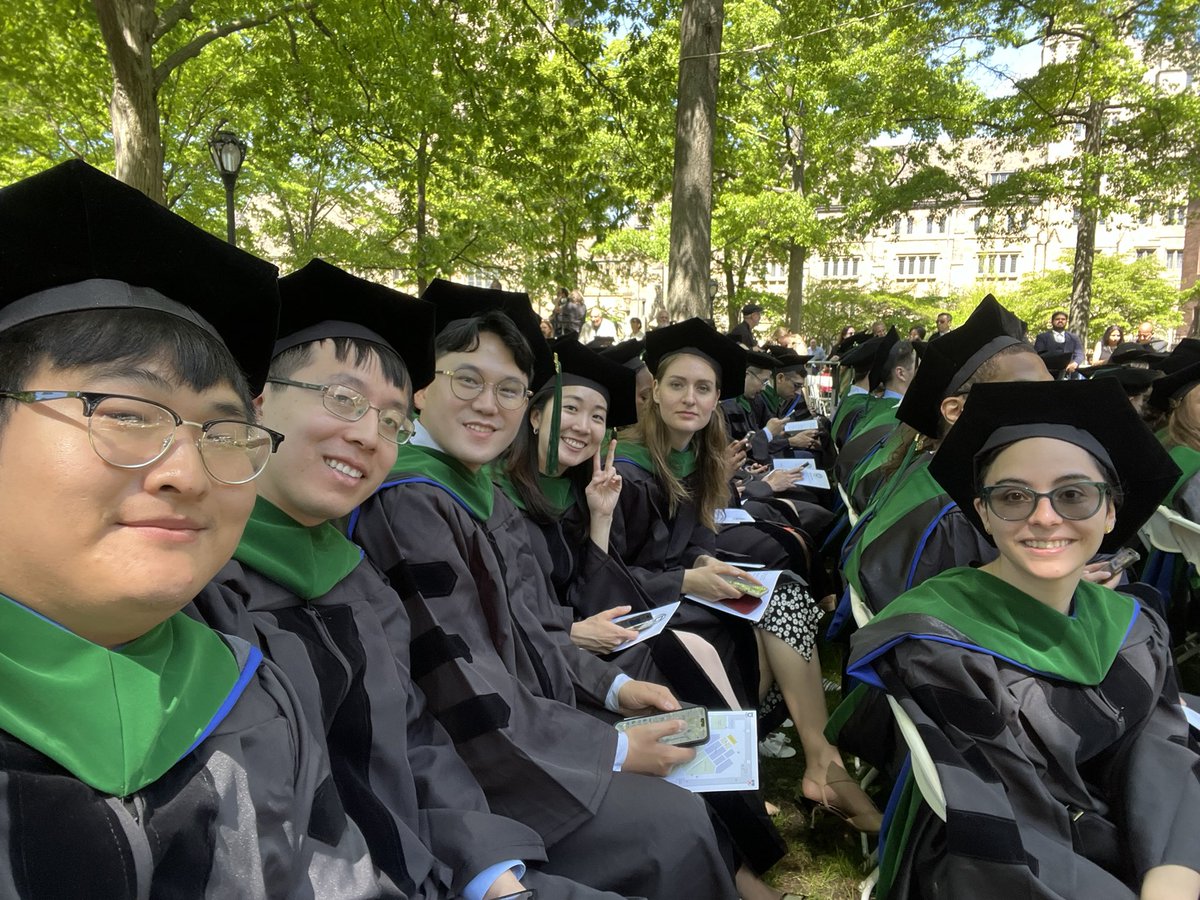
In 2013, I began college as a First-Gen, Low-Income student. 11 years and 1️⃣Bachelor’s + 2️⃣Master’s+ 1️⃣PhD + 1️⃣MD = 5️⃣degrees later, I am now the first and second doctor in my family. I’m ready now to put all this education to work caring for patients and finding new treatments!
Exercise may be the single most potent medical intervention ever known. Its benefits in prevention outstrip any known drugs: 50% reduction in the risk of cardiovascular disease, 50% reduction in the risk of many cancers, positive effects on mental health, pulmonary health, GI health, bone health, muscle function. You name it. Exercise helps. In fact, the ability to exercise over long distances was likely key to our evolution as a species because the availability of densely caloric foods due to persistence hunting allowed our energy-avid brains to enlarge. And yet, we have had very little insight into the molecular basis of these magical effects...until now!
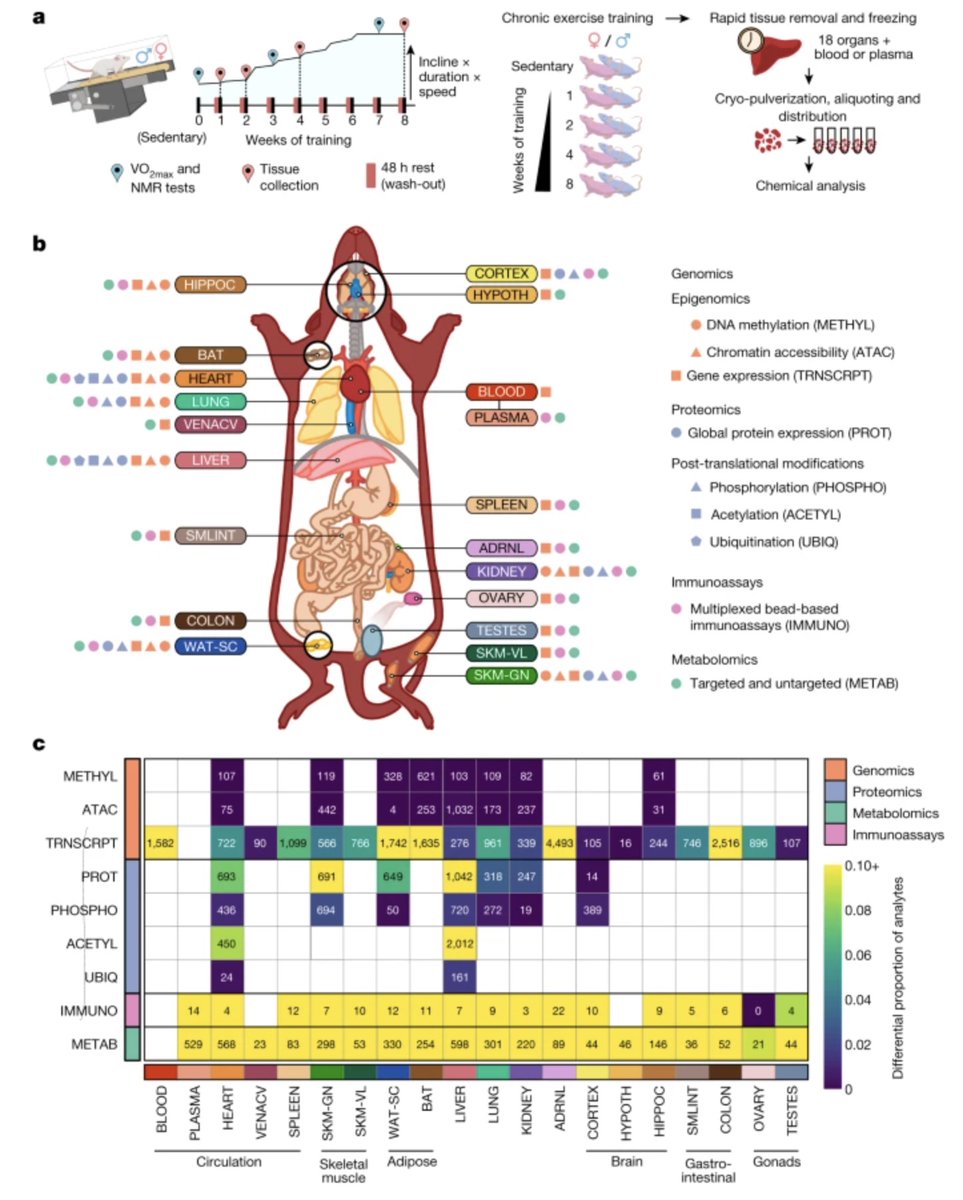
Published in yesterday's Nature and featured on the cover was work from our consortium that represents the culmination of a couple of decades of pitching ideas to the NIH, forming a consortium, planning experiments, executing those experiments, and analyzing data at unprecedented scale, all aimed at enhancing our understanding of the molecular transducers of exercise.
It was a major effort from so many in our consortium (playfully named MoTrPAC) and is the first landmark paper of many more to come. This first paper focused on the multi-tissue, multi-omics of treadmill exercise in rats. Specifically, we report the effects of eight weeks of treadmill running on the transcriptome, the epigenome, the proteome, the metabolome, the lipidome and the immunome of a broad range of tissues (in fact, 9,466 assays across 19 tissues, 25 molecular platforms, and 4 training time points).
The result is the most comprehensive molecular map of exercise ever created. At Stanford, my colleague @MWheelerMD and I co-lead the bioinformatics center and it was our team's duty and privilege to ingest the data, QC the data, help analyze the data, and make the data available to the world. Various tools available at our data hub allow you to explore the data, visualize it, and download it for your own use.
Have fun! And stay tuned for human data that will be coming.
So many people to thank who made this possible (see the paper for details). Special shout out to the primary analysts and authors: David Amar, Nicole Gay, & Pierre Jean Baltran.
Paper: https://t.co/0nhXdfhxx0
Data hub: https://t.co/NxTHsVdfRp
Today has been one of the most exciting days of my life as I #matched at my first choice residency program 🤩. I’m beyond estatic to be joining the @HarvardRadOnc residency program @MassGenBrigham! So grateful to support from @YaleMSTP, @PDSoros, family, friends and mentors 🙏!!!
Congrats to #PDSoros Fellow @LinKingson who is on the 2024 @Forbes#30under30 list! Kingson, the cofounder of Modifi Biosciences, is developing innovative, selective ways that could potentially treat deadly, drug-resistant brain cancers.
https://t.co/rb4lDnU5N3
Honored to be a member of this year's @Forbes#30Under30 list for Healthcare. I'm perpetually inspired by the passion and persistence of my peers in their respective fields!
So much progress has been made, but there's so much more left to be done!
https://t.co/kSndkZE6SU