🎉 Major Milestone: Wave Gliders have now logged more than 3,000,000 NM at sea. This underscores the maturity and operational leadership of our #USV and the value it delivers for national security, science, and industry. #WaveGlider#MaritimeSecurity#teamboeing#IndoPac25
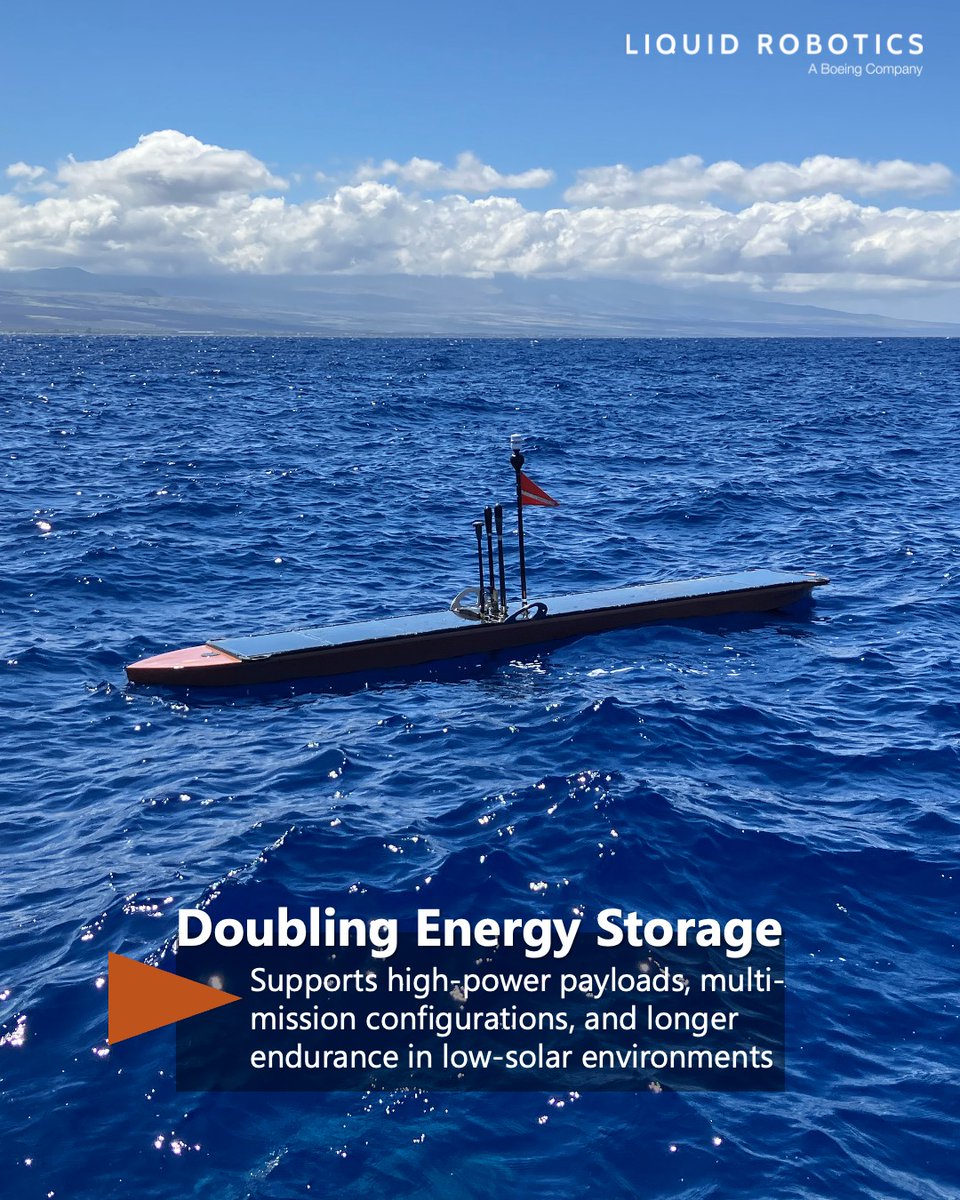
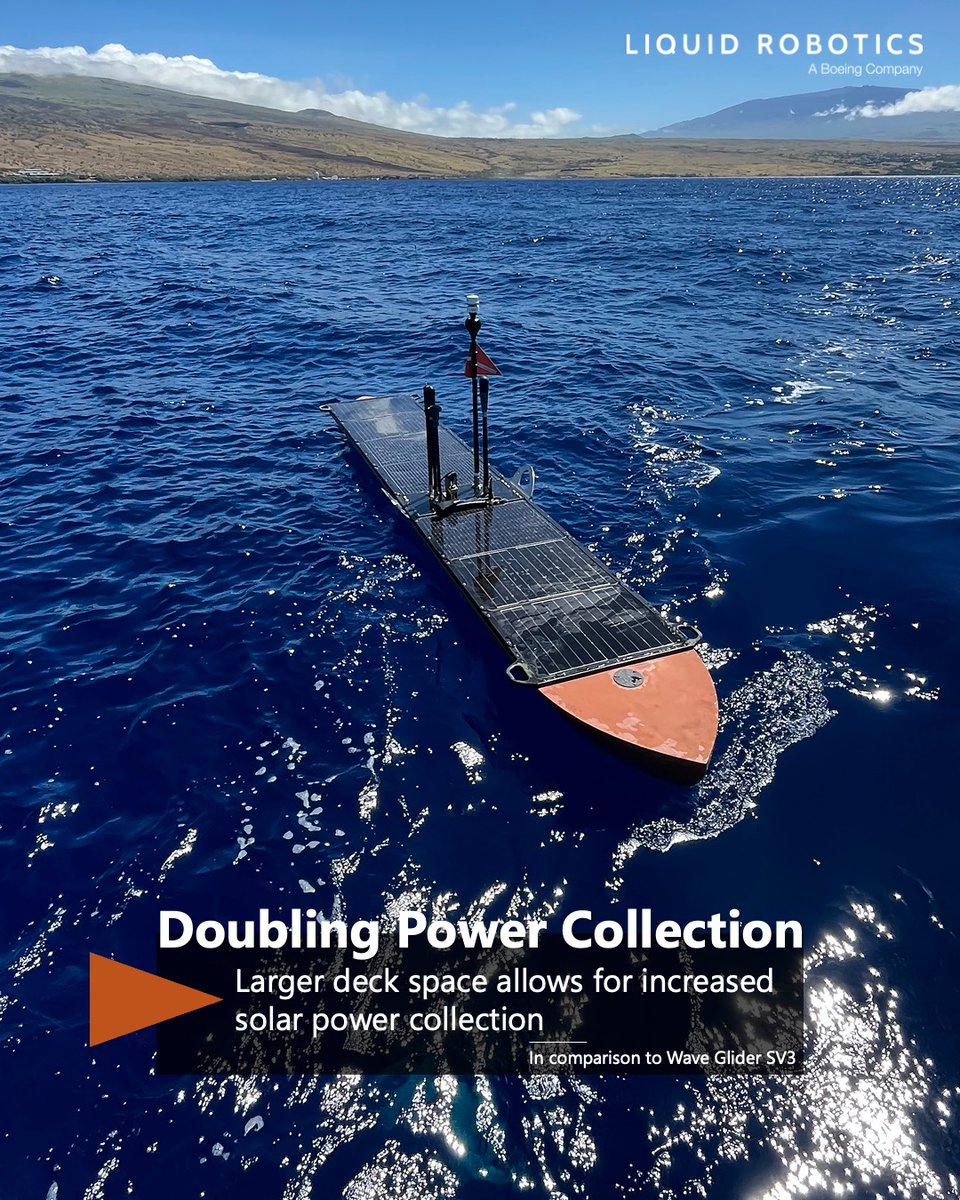
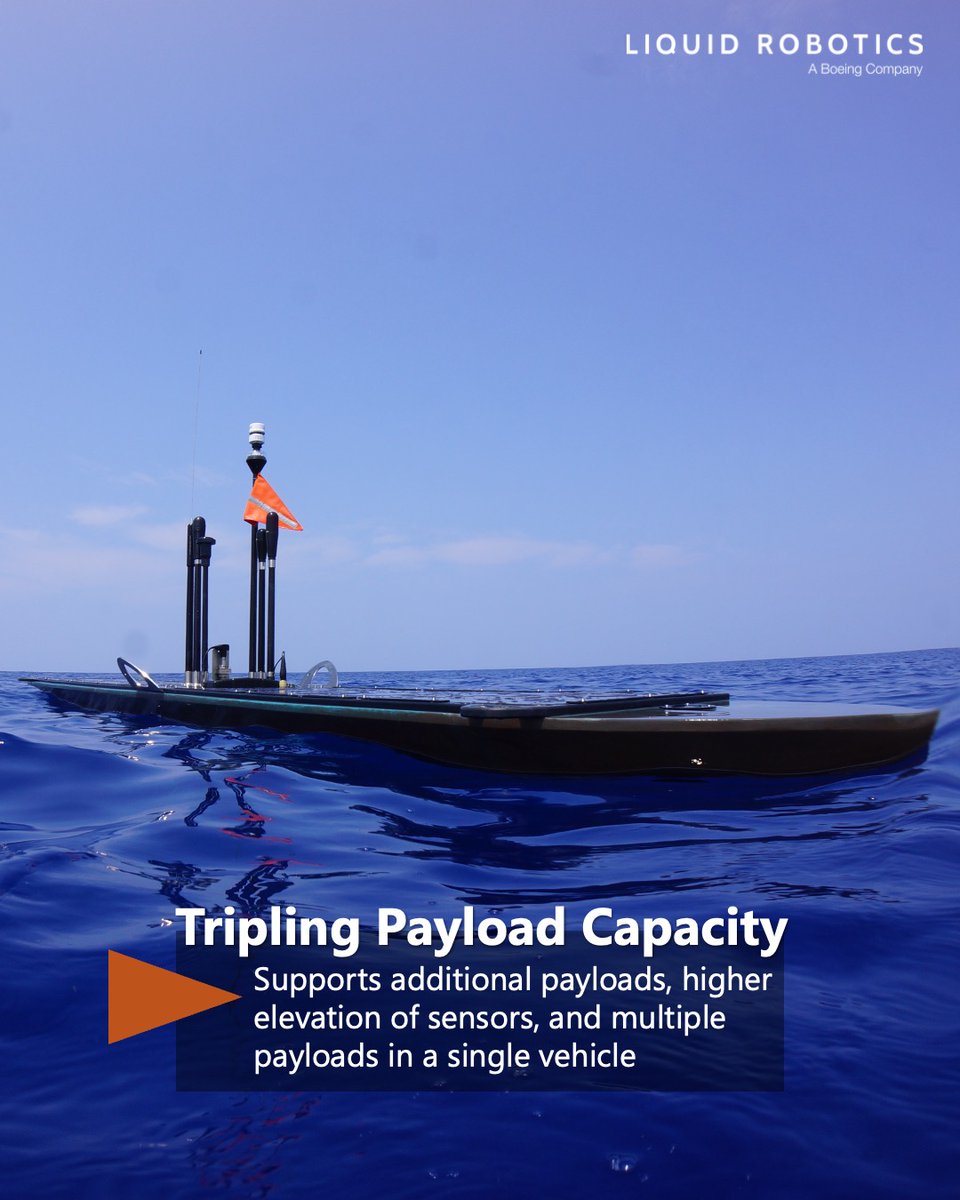
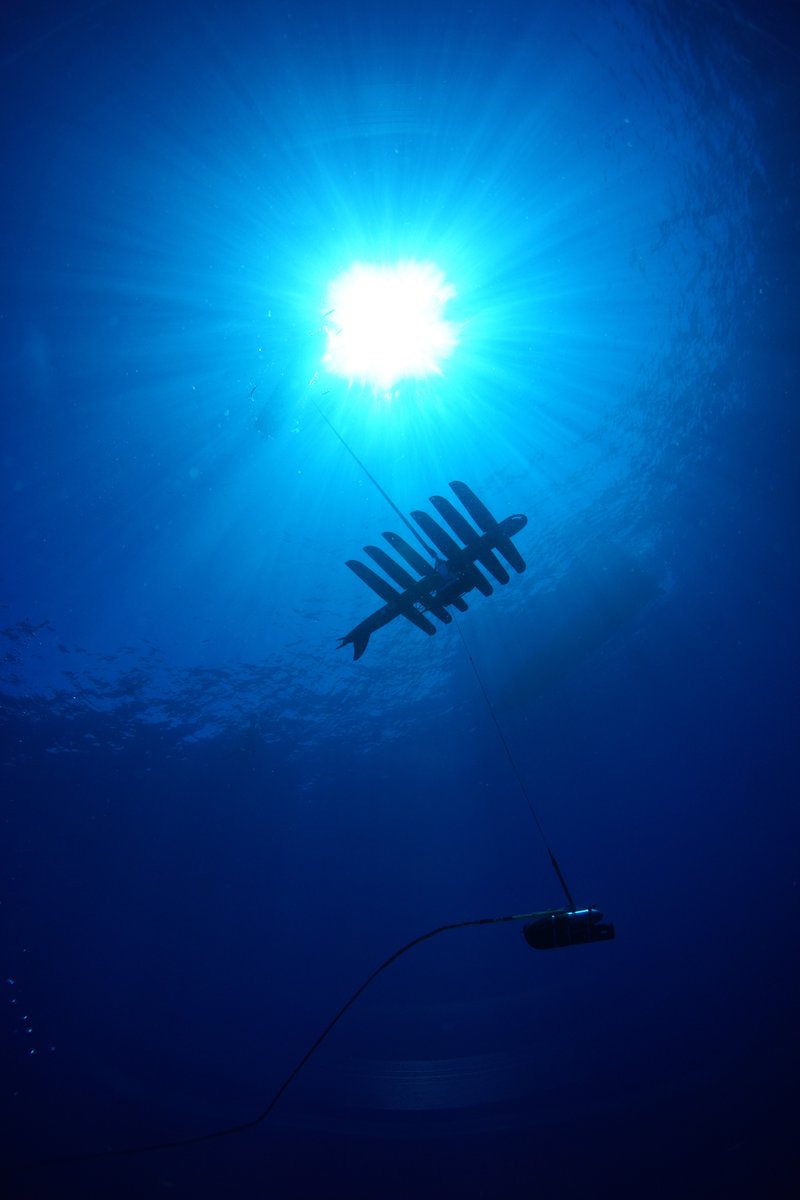
Wave Glider SV5 expands the range of persistent, uncrewed maritime missions with increased solar power collection and storage, sustaining high-power payloads. At over five meters in length, Wave Glider SV5 also offers additional capacity for payloads and complex configurations.
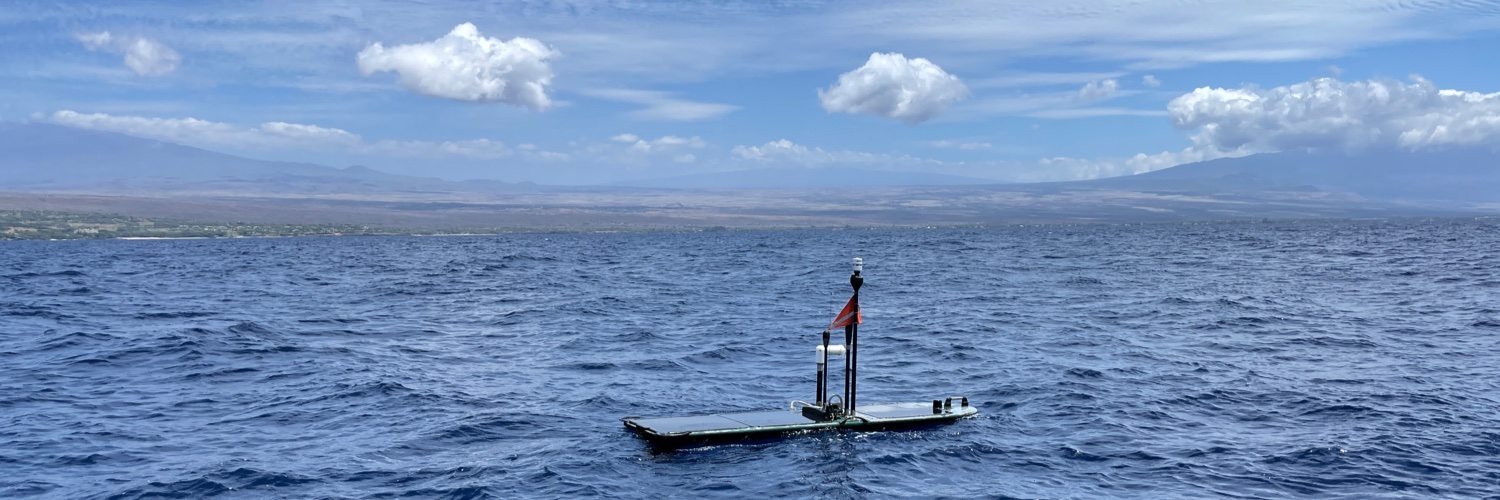
✨ There she is! 🙌 It’s with great excitement that we announce the launch of Wave Glider SV5, a larger variant of Liquid Robotics’ proven Uncrewed Surface Vehicle (USV).
https://t.co/PIL8hR7Rii
We couldn’t agree more and applaud the recommendation from more than 50 researchers. USVs, such as the Wave Glider, are ideal platforms for sustained data collection, remote operations, and reliable data delivery. https://t.co/rjQlI1g32I
We are grateful for the support of the U.S. White House and the Indian Prime Minister's Office, announcing our teaming agreement with India-based @SagarDefence to co-develop and co-produce scaled Uncrewed Surface Vehicles.
https://t.co/mYKNptA7VQ
#QuadSummit#UDA#USV@Boeing_In
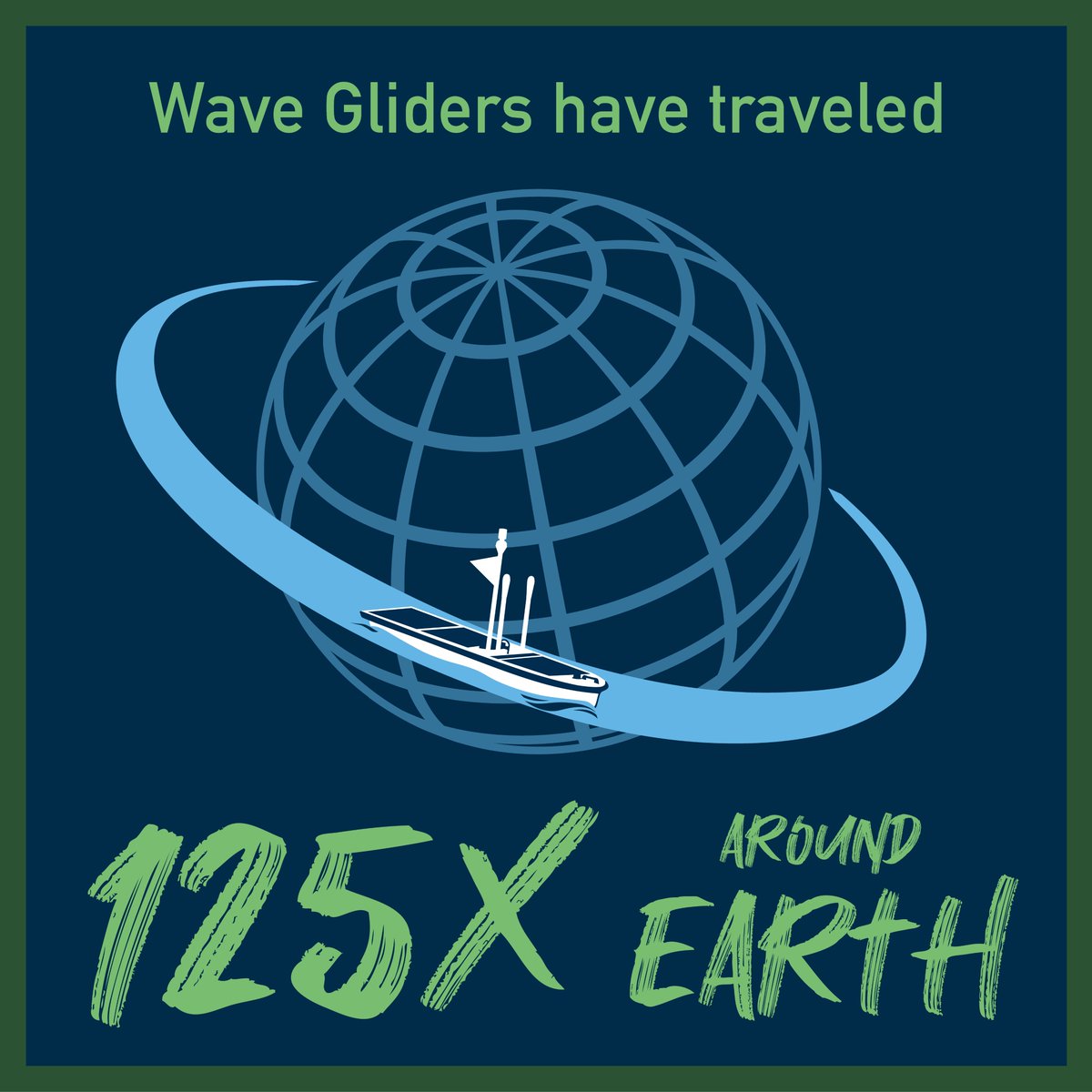
🌎Exclusively powered by wave and solar energies, #WaveGliders have traveled more than 2.7 million NM—that’s over 125 times around the Earth! Liquid Robotics is proud to enable ocean observing with the Wave Glider, advancing our understanding of the Earth’s Ocean. Happy #EarthDay
🐋Tune into #Earthsounds, a new docuseries on Apple TV+. Join Beth Goodwin from @JupiterResearc1 and Wave Glider Europa in episode 12, traveling across the Pacific Ocean while capturing sounds from humpback whales and other cetaceans.#acoustics#USV#marinescience#AppleTV
Scientists from U.S. and international institutions are collaborating to collect high precision data of tectonic plate movements in the Pacific to develop accurate earthquake and tsunami forecasts.
📸 Credit: Andrew Newman, https://t.co/XPkVwX35j6
https://t.co/J5C6i6weEi
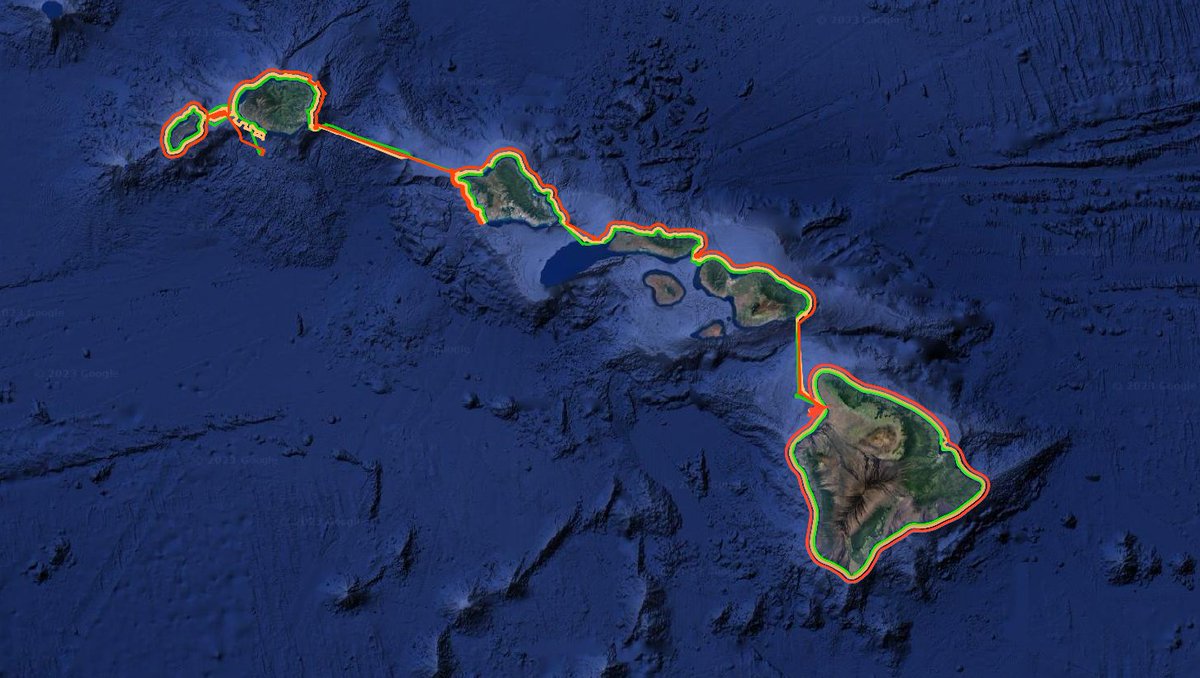
Three Wave Gliders have been on mission for over 35 days, traveling a combined total of more than 2,600 nautical miles while collecting valuable data for @NOAAFish_PIFSC. The circumnavigation of the Main Hawaiian Islands continues along the leeward coastlines. #USV#persistence
Scientists from @NOAAFish_PIFSC are using wave-powered 🌊 , autonomous surface vehicles called Wave Gliders to study ocean health and impacts of climate change on marine ecosystems and fisheries in Hawaiʻi: https://t.co/tnDZU6hgzM @NOAA_OMAO@LiquidRobotics#ClimateScience
NOAA researchers are using autonomous surface vehicles known as Wave Gliders to study ocean ecosystems in Hawai‘i. This project is helping to advance our mission to support healthy, productive, and resilient fisheries and ecosystems. 🌊 🌊 @NOAA_OMAO
https://t.co/KgzusfhztL
While we will enjoy a restful Thanksgiving, this Wave Glider—along with its two buddies—is remaining at work, precisely following its course, and diligently collecting oceanographic data. Stay tuned for a customer mission update soon. Happy Thanksgiving from our entire team!
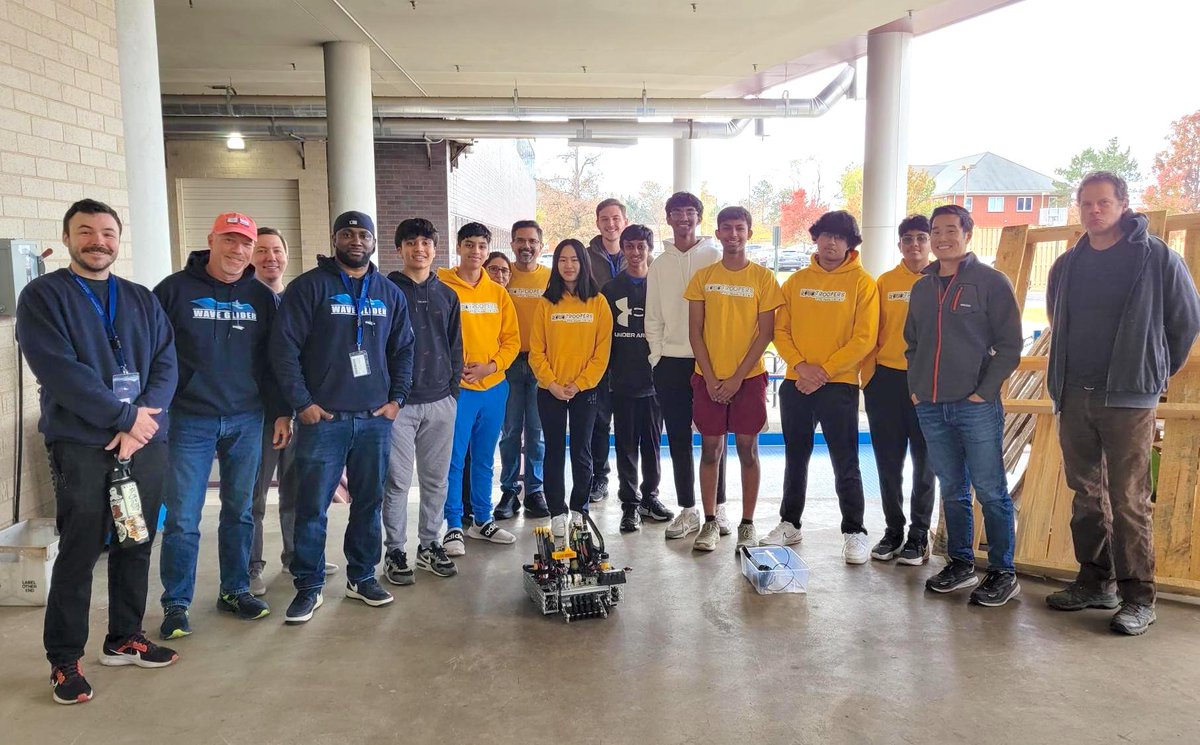
Happy National #STEMday! We welcomed the @RoboTroopers to talk #robotics, #tech and #STEM at our facility. The Robo Troopers compete as team #15167 in FIRST® Tech Challenge and inspire, include, and innovate by spreading the knowledge of robotics and STEM through the community.