How robust are knowledge coordination patterns of metropolitan regions across Europe against random and targeted disturbances? A short thread on our findings with @Gergo_Toth, Adam Whittle, Changjun Lee and @dfkogler, now out in @econgeog. 1/14
https://t.co/Ir19eExLSE
@SahilBloom Great thread. There are many analogies to Luhmann's system of a so-called Zettelkasten (notebox). It's said that Luhmann was so effective in generating new ideas because of his system of note-taking https://t.co/Mkp6Dt9Zts
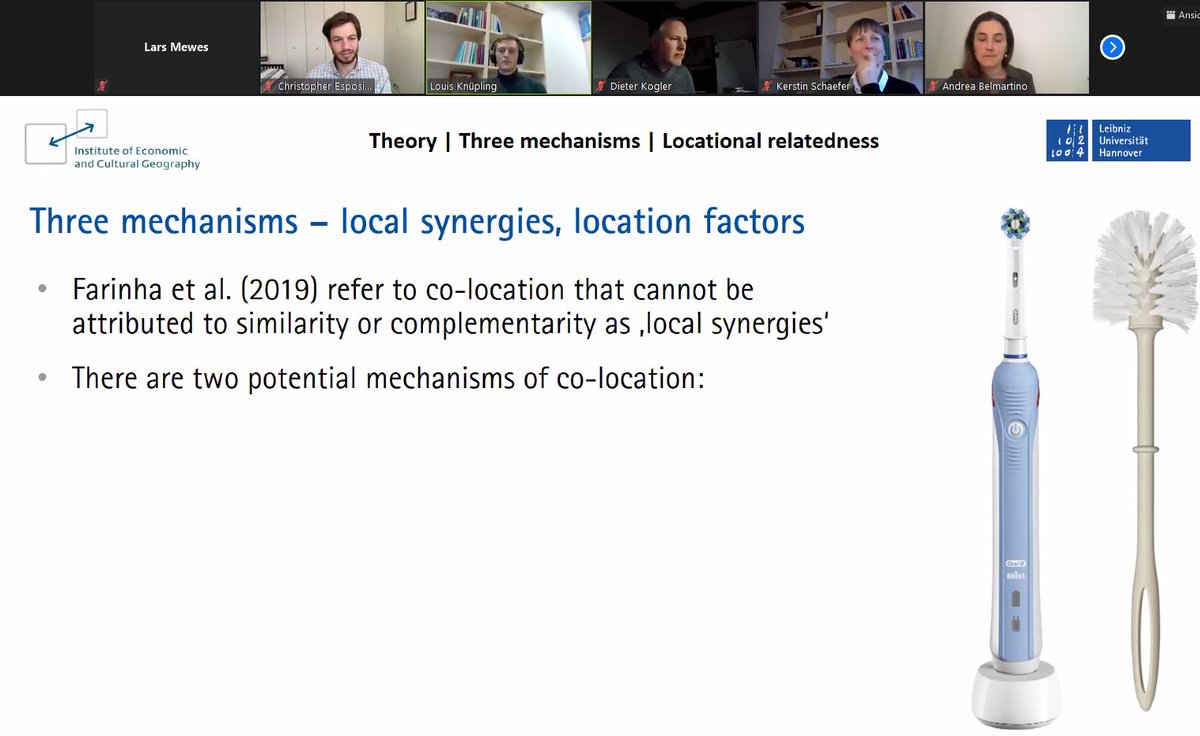
Great start into the #SEG Winter Workshop by an exciting presentation of @KnuplingLouis on possible causes of relatedness with illustrating examples! :)
Alright, that's how it works: Invest in science, and you likely get good science. #Lower_Saxony is going the other way: Cut investments in science and pray that it will work - somehow, hopefully @SPDNDS @MpStephanWeil @UniHannover
@esposito_ch I have a similar perspective on this. Sure, sometimes it's very hard to get through the comments (also because I've rarely revised something for university courses). But if you recognize that implementing them improves overall quality, then you generate some motivation
@BreulMoritz Very important topic. Other disciplines have already implemented self-organized not-for-profit journals (e.g., https://t.co/1SgddfoM7X). This seems to be a valid strategy in a time in which printing costs may have become nearly irrelevant
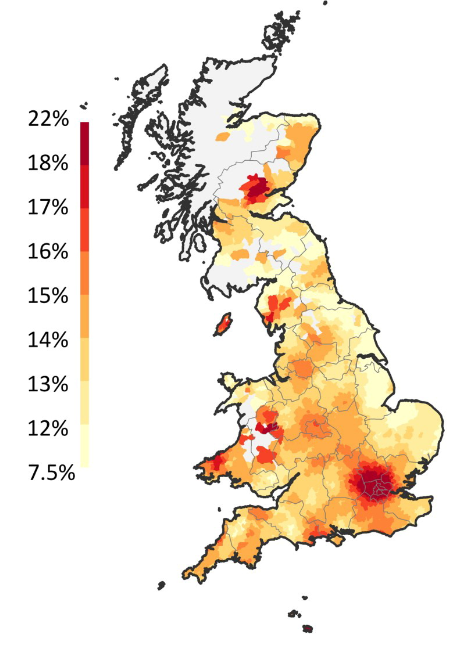
What do geographers love? Maps! That’s why @EbertTobi and I produced a detailed map showing where people want to become entrepreneurs at the level of postcode sectors (N=9,271) in Great Britain https://t.co/duECyFsDyu