1/5 What counts as a communicative interaction?
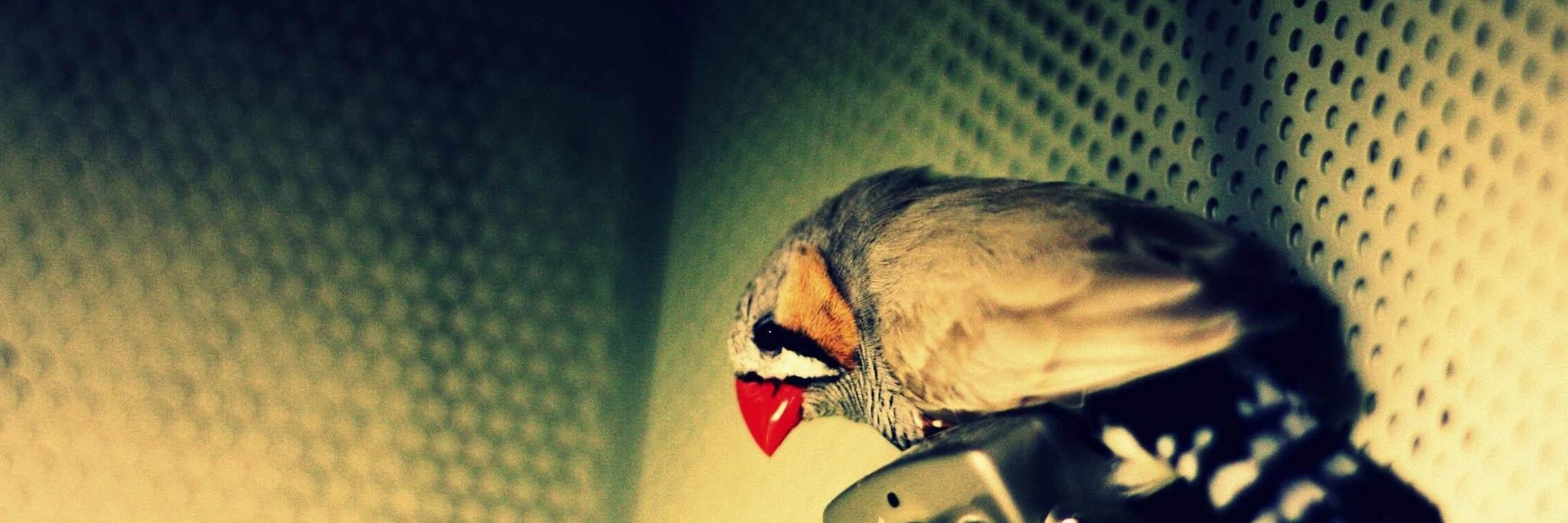
This was a recurring question at the Computational and Mechanistic Analyses of Communicative Interactions symposium, where ESP's Maddie Cusimano and @LoganSJames presented research on carrion crow and zebra finch communication.
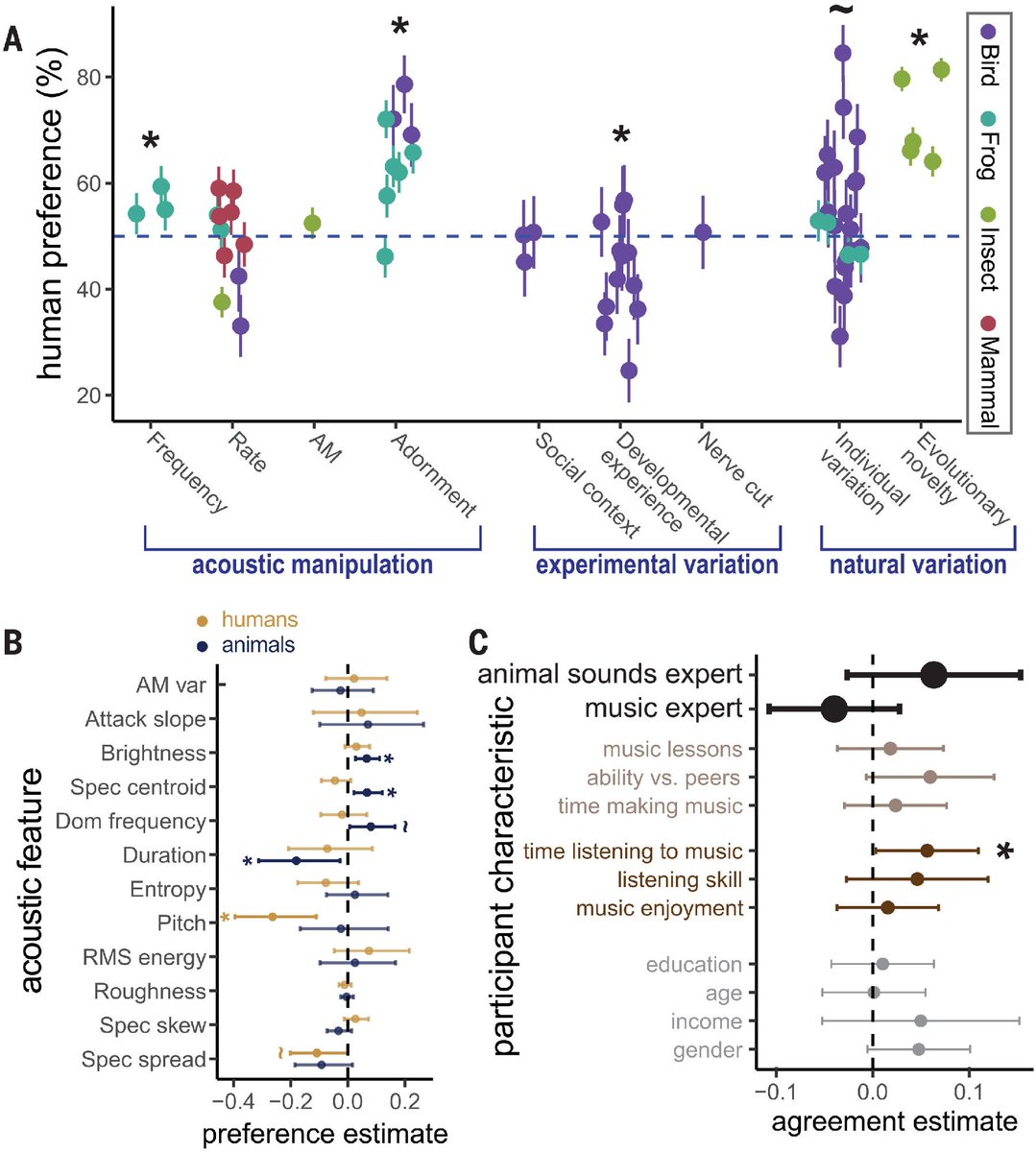
Do humans share a sense of acoustic beauty with other animals? According to a new study in Science, the answer may be yes.
In a global citizen-science experiment, researchers show that humans tend to prefer many of the same animal sounds that animals themselves favor—findings that offer support for Charles Darwin’s longstanding idea that different species can share a “taste for the beautiful.”
Learn more: https://t.co/Ku6K85jHus
New preprint on vocal communication in zebra finches! 🐦
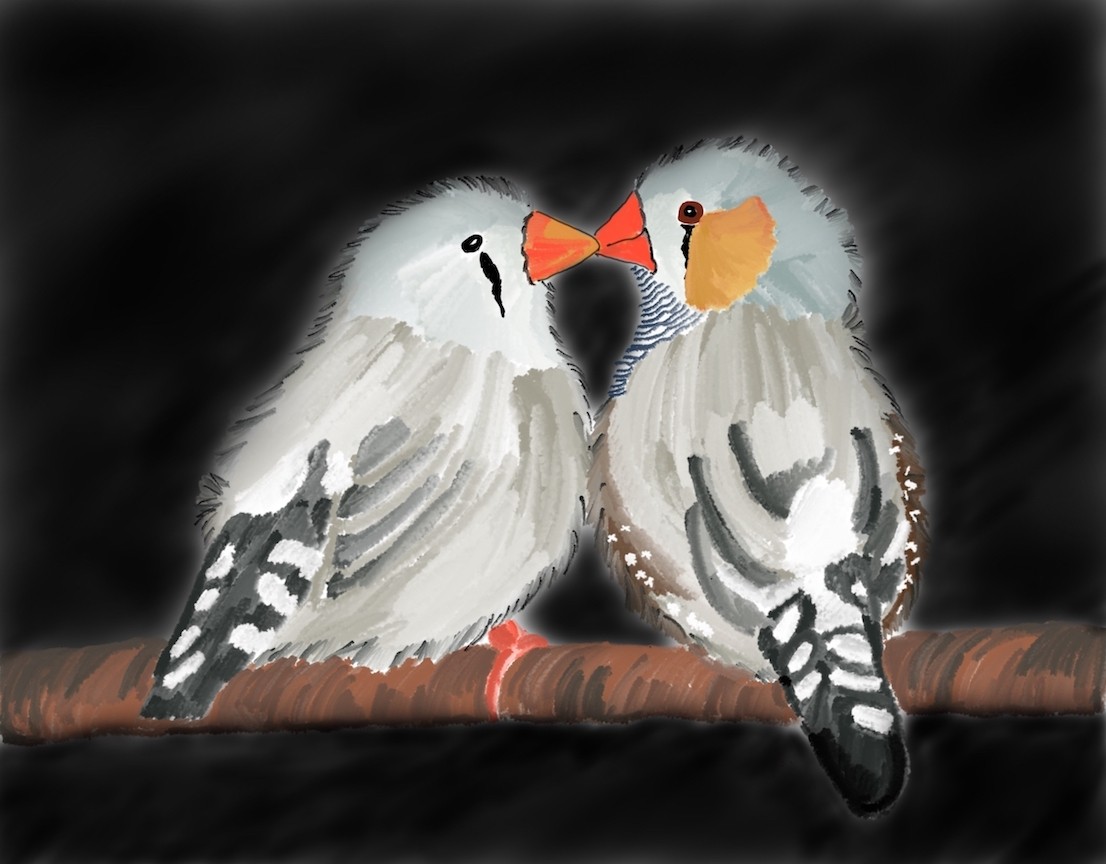
Earth Species Project and McGill University analyzed over 1.5 million female zebra finch calls to understand how female zebra finches modulate their vocalizations during natural exchanges.
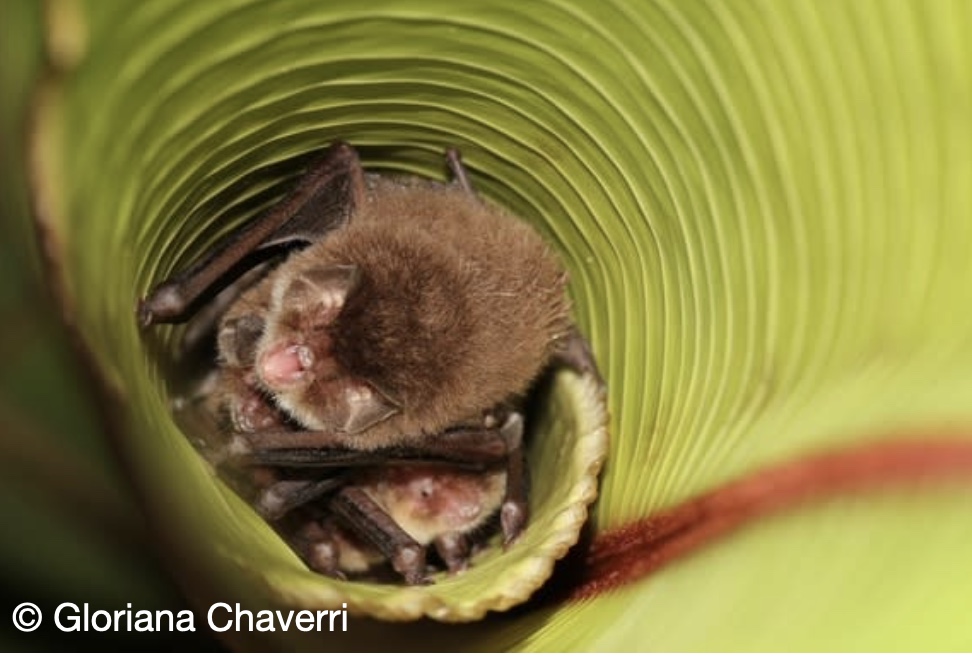
🦇 Baby bats almost get themselves killed while learning to listen for the right prey to hunt. Smithsonian researcher Logan S. James and his team spent decades studying these acoustic assassins in Panama and the results were wild.
#bats#science#predators#frogs
Zebra finches are nuanced communicators. In partnership with @LoganSJames & @sarahCwoolley, we’re building AI models to decode their vocalizations.
https://t.co/gKBhoXi5DI
(Big thanks to @reidhoffman.bsky.social & @waverleystreet.bsky.social for making this work possible).
“These policies are unacceptable. They are incoherent, not based on data and will not meet the stated objectives of the government. More importantly, their effect on the Quebec economy and on Quebec universities will be absolutely devastating."
Three PhDs on offer right now! (1) Evolution of ecosystem services https://t.co/wgnmTz8oTb… (2) Improving biodiversity forecasting using evolutionary history https://t.co/cnlHHKYBCT… and (3) a disease project (led by Ettie Unwin) https://t.co/IZTLG82702 Join the lab! #BES2023
Karan Odom’s lab at University of the Pacific is seeking Master's students interested in studying the hormonal and genetic regulation of female song and evolutionary drivers of sexual dimorphism in birdsong. See https://t.co/ehdlPbndYo for more information!
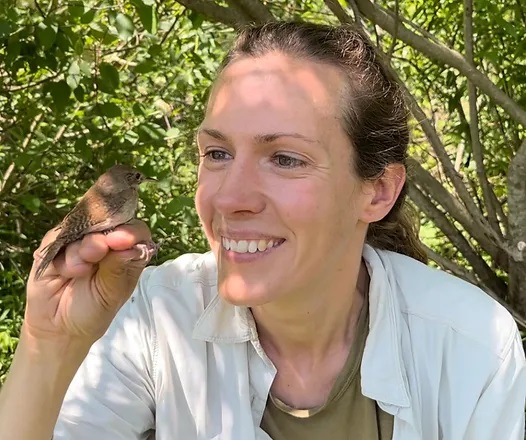
Recruiting undergrads, grad students, and postdocs for my new research lab @WesternU! Visit https://t.co/nIqbO6Mfxs for more info. We study communication and social bonding.
"No crop is more wasteful or more useless than turf that’s never harvested and never feeds, clothes or fuels anyone or anything, while producing no revenue." @latimes editorial board calls for California to ban nonfunctional grass lawns: https://t.co/eCrbkjq91Q
I’m thrilled to be joining the faculty in Ecology and Evolutionary Biology (@UTK_EEB) and Psychology (@UTKPsych) at the University of Tennessee this fall! My lab will explore the mechanisms, outcomes, and evolutionary consequences of animal decision-making.
Thrilled to be part of a special issue of Dev Sci on music in development. Just like songbirds, humans also learn the timing of their songs from others, and regularize irregular rhythms.
https://t.co/XIONxT507q
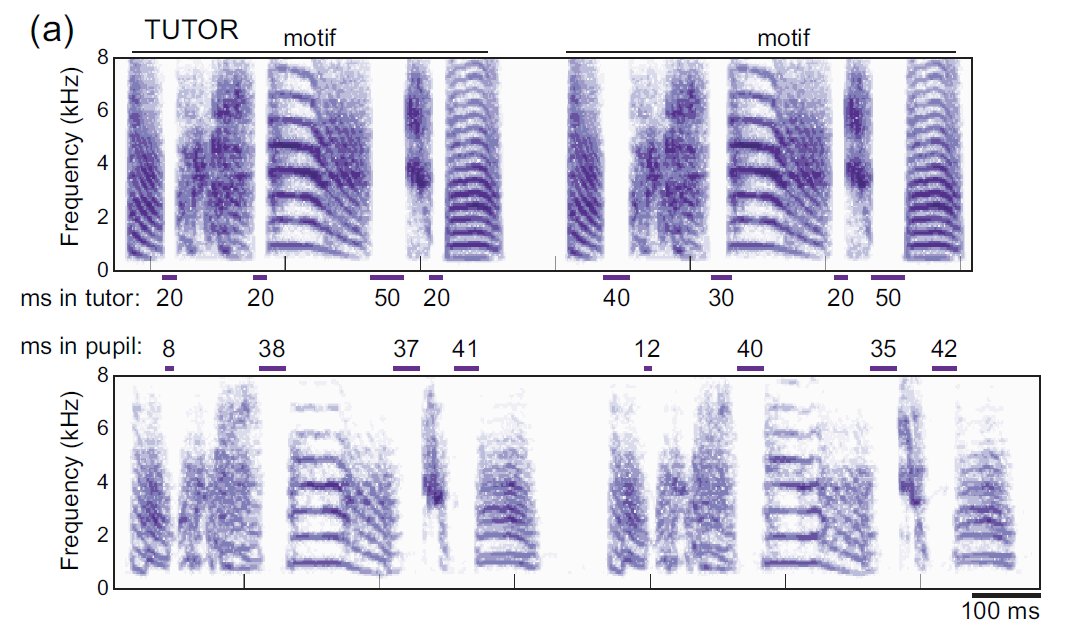
Our latest birdsong paper is out! 🔓 We analyzed the leaning of silent gaps in zebra finch song by raising baby finches with different acoustic stimuli.🧵
@SakataJon @mila_bertolo
🎶🎶🐦🐣
https://t.co/hkZKAJDlKA
... and when we tutor birds with abnormally variable gap durations, birds regularize the input to produce much more stereotyped gaps across renditions.