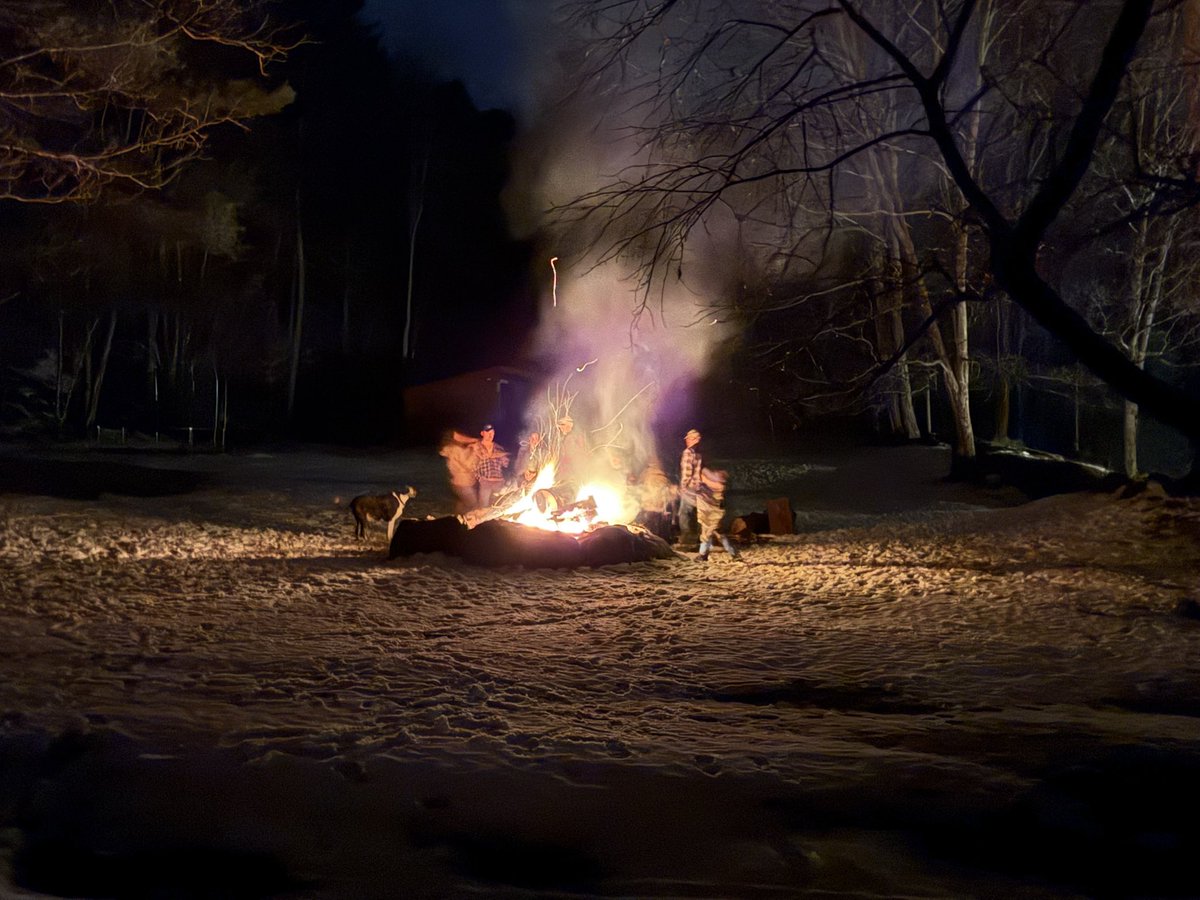
Feeling thankful for the people in my life. We’re a rough crew. We might make the neighbors nervous. But our families love each other. I can trust all of them. It’s good to be reminded how special that is.
I didn’t do anything to deserve it, but I am blessed.
𝗪𝗵𝗲𝗻 𝗕𝘂𝗿𝗲𝗮𝘂𝗰𝗿𝗮𝗰𝘆 𝗘𝗮𝘁𝘀 𝗜𝗻𝗻𝗼𝘃𝗮𝘁𝗶𝗼𝗻
(1/2)
The modern battlefield moves at the speed of relevance. Sensor saturation, massed attritable UAS, integrated reconnaissance-strike complexes, and the emergence of the “dead zone” and empty battlefield have compressed decision cycles and forced units to adapt formations, capabilities, and employment concepts faster than at any point in recent memory. Yet the Army’s institutional machinery — built for a different era — continues to treat years as the appropriate timeline for even modest change.
The barriers are concrete. The processes outlined in “How the Army Runs,” Total Army Analysis, and ARSTRUC were designed for deliberate, predictable force management. They are not built for the velocity now required. When a brigade identifies an urgent need for dedicated small unmanned aircraft systems or a restructured reconnaissance-strike element, the default answer is often “submit it for the next TAA cycle.” By the time approval arrives, the tactical problem has already evolved.
Personnel systems compound the friction. 𝗜𝗣𝗣𝗦-𝗔 𝗵𝗮𝘀 𝗯𝗲𝗰𝗼𝗺𝗲 𝗮 𝗽𝗼𝘄𝗲𝗿𝗳𝘂𝗹 𝗲𝗻𝗳𝗼𝗿𝗰𝗲𝗿 𝗼𝗳 𝗹𝗲𝗴𝗮𝗰𝘆 𝘀𝘁𝗿𝘂𝗰𝘁𝘂𝗿𝗲. “Green bubbles” — the visual indicators of authorized MTOE positions filled — frequently carry more weight in assessments than actual combat output or innovative problem-solving. Sergeants Major and leaders at the nominative level are evaluated on how cleanly they manage the books. 𝗦𝗹𝗼𝘁𝘁𝗶𝗻𝗴 𝗺𝗲𝘁𝗿𝗶𝗰𝘀 𝗿𝗲𝘄𝗮𝗿𝗱 𝗳𝗶𝗱𝗲𝗹𝗶𝘁𝘆 𝘁𝗼 𝘁𝗵𝗲 𝗲𝘅𝗶𝘀𝘁𝗶𝗻𝗴 𝗠𝗧𝗢𝗘 𝗺𝗼𝗿𝗲 𝘁𝗵𝗮𝗻 𝘁𝗵𝗲𝘆 𝗿𝗲𝘄𝗮𝗿𝗱 𝘁𝗵𝗲 𝗮𝘂𝗱𝗮𝗰𝗶𝘁𝘆 𝗿𝗲𝗾𝘂𝗶𝗿𝗲𝗱 𝘁𝗼 𝗺𝗼𝘃𝗲 𝗡𝗖𝗢𝘀 𝗶𝗻𝘁𝗼 𝗻𝗲𝘄 𝗿𝗼𝗹𝗲𝘀 𝘁𝗵𝗮𝘁 𝘁𝗵𝗲 𝗳𝗶𝗴𝗵𝘁 𝗱𝗲𝗺𝗮𝗻𝗱𝘀 𝗯𝘂𝘁 𝘁𝗵𝗲 𝗯𝗼𝗼𝗸𝘀 𝗱𝗼 𝗻𝗼𝘁 𝘆𝗲𝘁 𝗿𝗲𝗰𝗼𝗴𝗻𝗶𝘇𝗲.
Career ladders remain tethered to those same MTOE slots. NCOs who step outside prescribed duties to fill critical emerging requirements risk their standing at promotion boards because evaluations still default to traditional position descriptions and timelines. The system does not merely tolerate slow adaptation; its incentives actively punish deviation from the approved structure.
One recent example from the National Training Center illustrates both the possibility and the cost. Faced with clear demand from rotational BCTs for dedicated SUAS capability, the 11th Armored Cavalry Regiment did not wait for the full bureaucratic process. With the NTC Commander’s support, the Regiment stood up I Troop as a dedicated small unmanned aircraft systems troop by repurposing the guidon and structure of a previously deactivated ADA Stinger troop. They executed because the mission required it and because senior leaders chose to prioritize adaptation over process.
The friction was immediate. Bureaucracy pushed back through administrative channels. IPPS-A slotting became a point of contention. The Command Sergeant Major absorbed significant pressure for operating outside the approved manning documents. Efforts were made to slow or constrain the initiative. Yet the unit moved forward because the requirement was real and because leadership accepted the risk on behalf of the force.
In 2003 Rolling Stone coined us “generation kill” & while that magazine might be a rag, they got that part correct. War is the ultimate sport. It has deadly consequences, but it’s the original competition, as old as humanity itself. Every human sport is one way or another based on it. Football, MMA, boxing, even Polo. Tactics and physical contact. It’s the ultimate test of manhood.
We often focus on loss and injuries (understandably), but allow me to highlight why warriors also love it.
I was an introvert before my first gunfight, it broke me out of my shell. I can walk out in front of a crowd and present anything. I watched 18 and 20 year olds who were shy come back with a level of confidence that had them laughing off the number of women who tried to hand them phone numbers.
There’s no rush as exciting as a gunfight. Seconds feel like minutes, time slows, senses heighten, primal instinct elevates and combines with ingrained training. Vision becomes brighter, adrenaline courses through your body in a way that only driving fast can even begin to mimic.
You discover what really matters in life. Pain is more tolerable. The trivial things people complain about seem pathetic. The contrast between experience and common “tragedies” elevated. Your French fries have too much ketchup? What a tragedy!🤣
Combat allows the warrior to discover and push self-imposed limitations in ways that only SERE school can begin to emulate. Cold and heat, lack of sleep, little food, you can go so much further than your mental barrier tells you that you can, harden up! You can cross icy waters, go 10 more miles, react calmly & level-headed in a moment of crisis.
I honor and remember my lost friends, I feel concern and obligation to my friends that have permanent injuries; I still wouldn’t have opted for any other way to spend my 20’s and 30’s. You can never feel more alive than when death is the agenda of the day.