I'm so excited that our @theworldlabs team has achieved a major milestone today! Introducing Atlas - a first of its kind multimodal world model trained from scratch! 🚀
Atlas is capable of generating frames with pixel-perfect camera control, reconstructing large scenes from as few as one single input image, simulating space-time by reframing videos, natively outputting 3D spaces from one or more input images, composing multiple posed images into a consistent 3d world, and more! This is the best camera conditioned world model ever, opening doors to many possible use cases from VFX to robotics. I'm so so so proud of our team!♥️
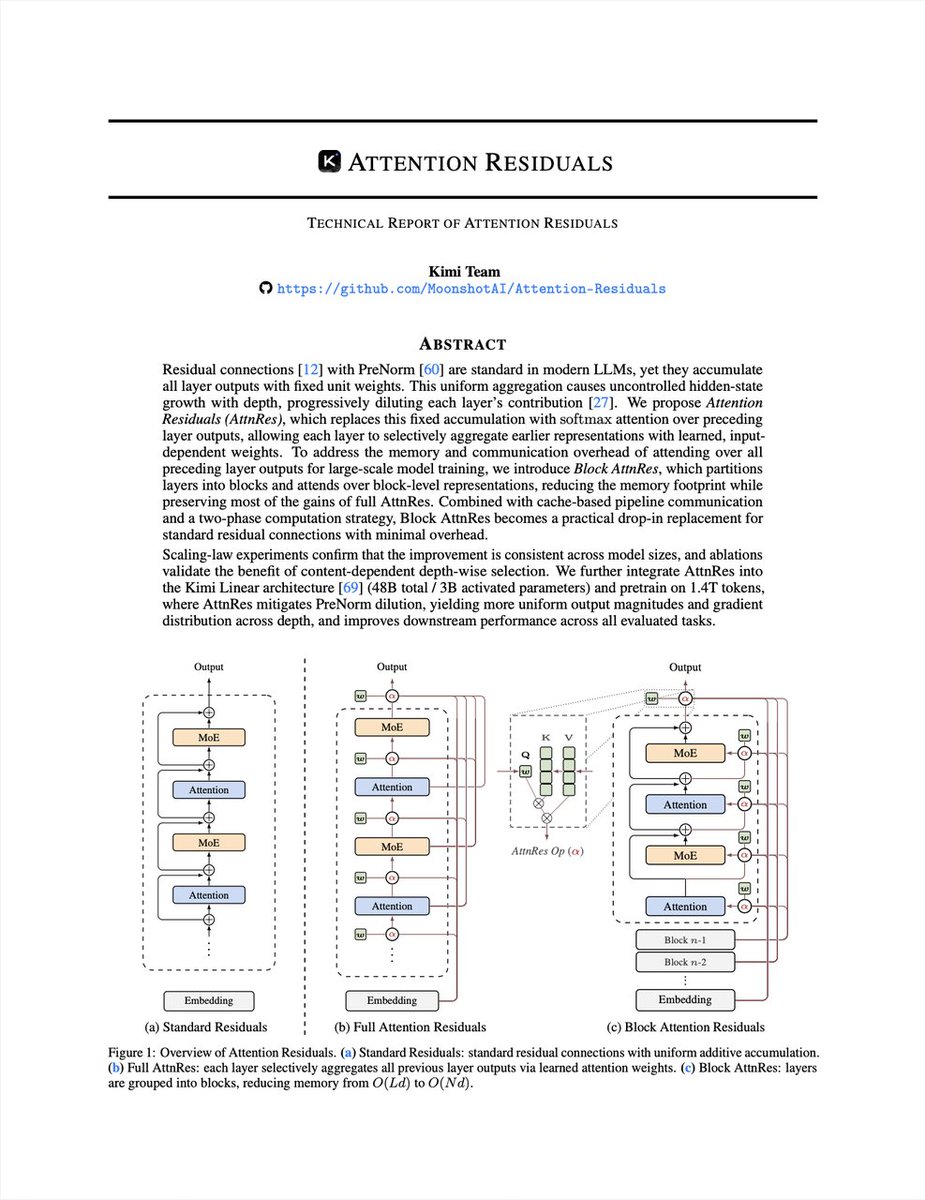
Introducing 𝑨𝒕𝒕𝒆𝒏𝒕𝒊𝒐𝒏 𝑹𝒆𝒔𝒊𝒅𝒖𝒂𝒍𝒔: Rethinking depth-wise aggregation.
Residual connections have long relied on fixed, uniform accumulation. Inspired by the duality of time and depth, we introduce Attention Residuals, replacing standard depth-wise recurrence with learned, input-dependent attention over preceding layers.
🔹 Enables networks to selectively retrieve past representations, naturally mitigating dilution and hidden-state growth.
🔹 Introduces Block AttnRes, partitioning layers into compressed blocks to make cross-layer attention practical at scale.
🔹 Serves as an efficient drop-in replacement, demonstrating a 1.25x compute advantage with negligible (<2%) inference latency overhead.
🔹 Validated on the Kimi Linear architecture (48B total, 3B activated parameters), delivering consistent downstream performance gains.
🔗Full report:
https://t.co/u3EHICG05h
Most of what was produced in academia today is noise, some 100% (performative academia), some ~90-99% (science).
Most of what was produced by the baker today is signal.
This is cool.
It might be possible to completely rebuild ANE dev pipeline if we can bypass ANECompiler and CoreML/MIL architecture to map modern ML workflows onto the ANE on "bare metal" level.
https://t.co/Cb1dGsYjoy
Sabina nails it here, mainstream academics have a terrible history of extraordinary claims without extraordinary evidence (even no evidence) across dark matter, string theory, universe origination and many more topics. In some cases likely worse than re Ufology or ancient aliens
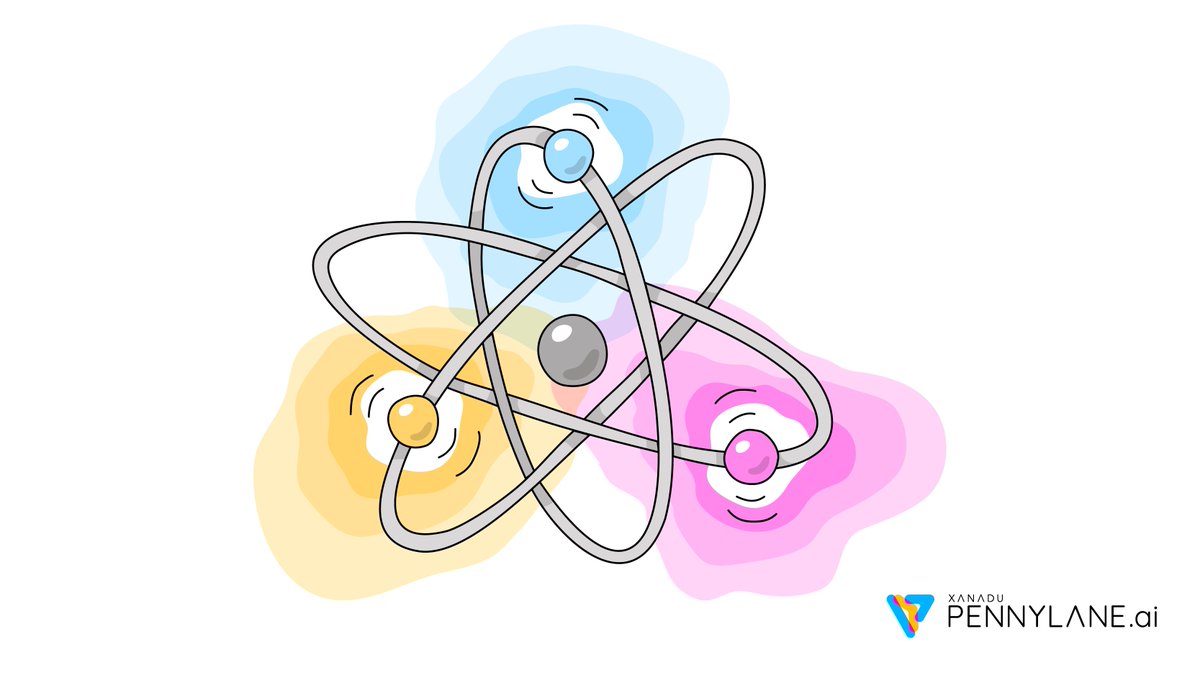
From paper to code: how quantum computing tackles vibronic dynamics! 📝💻
In our latest PennyLane demo, Emily Nobes breaks down the core concepts behind Xanadu (@XanaduAI)'s paper, "Quantum Algorithm for Vibronic Dynamics," into a digestible, executable tutorial.
Learn how quantum computing and custom quantum algorithms enable realistic quantum chemistry simulations—opening new doors for advanced materials discovery. 👇
https://t.co/ND0b9qCHCC
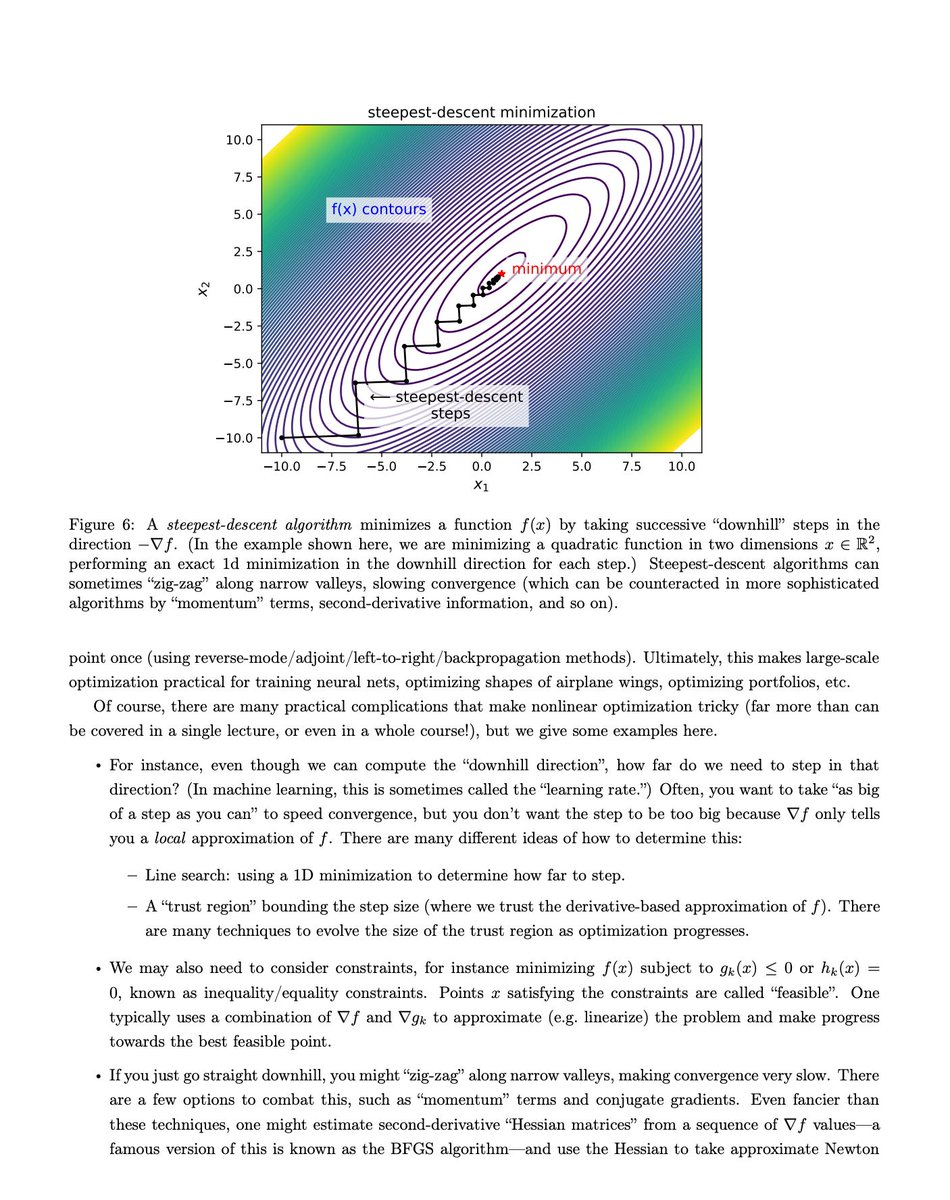
Lecture notes: "Advanced Linear Algebra with Applications - Part I (Numerical linear algebra for PDEs, machine learning, and data assimilation)" [by Victorita Dolean, Jemima Tabeart]: https://t.co/o2d87SkNIp
[note: 101 pages; code available at https://t.co/Pq727t7xqD]