Not all questions are created equal!
In this blog post we’ll explore ways to think about and generate higher-order questions, with the use of the SOLO taxonomy.
To access the blog please click here: https://t.co/MnuSNEqF11
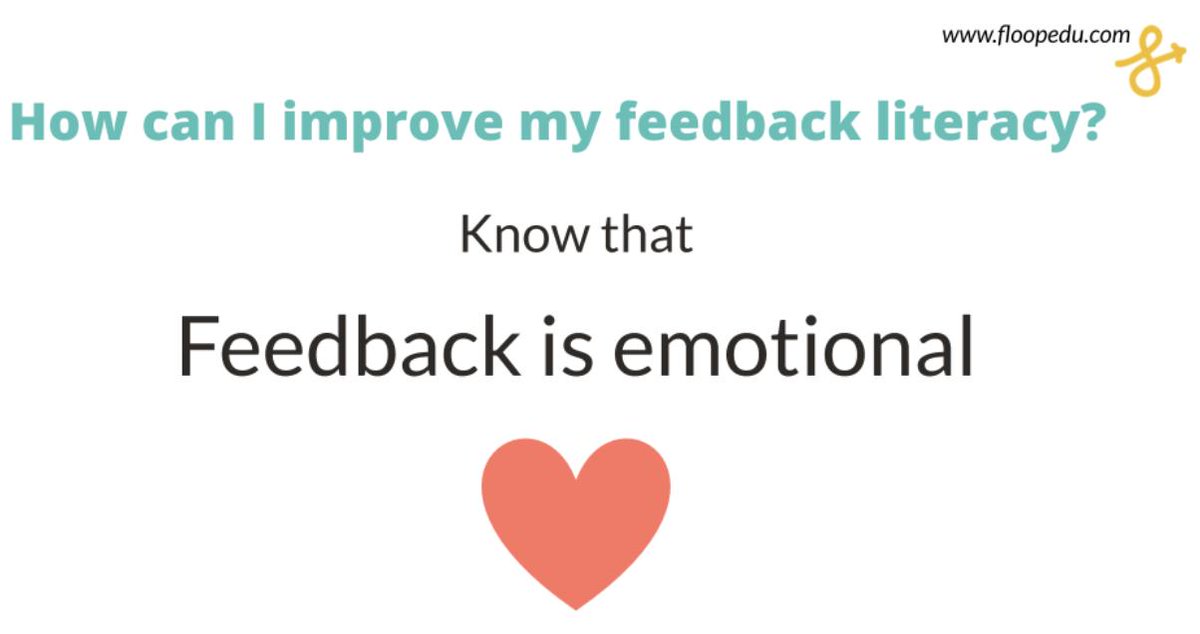
The first step to improving students’ #feedbackliteracy? Know that feedback is emotional! Share a story with your students about a time when feedback was hard for you. https://t.co/vyXAERzSSl
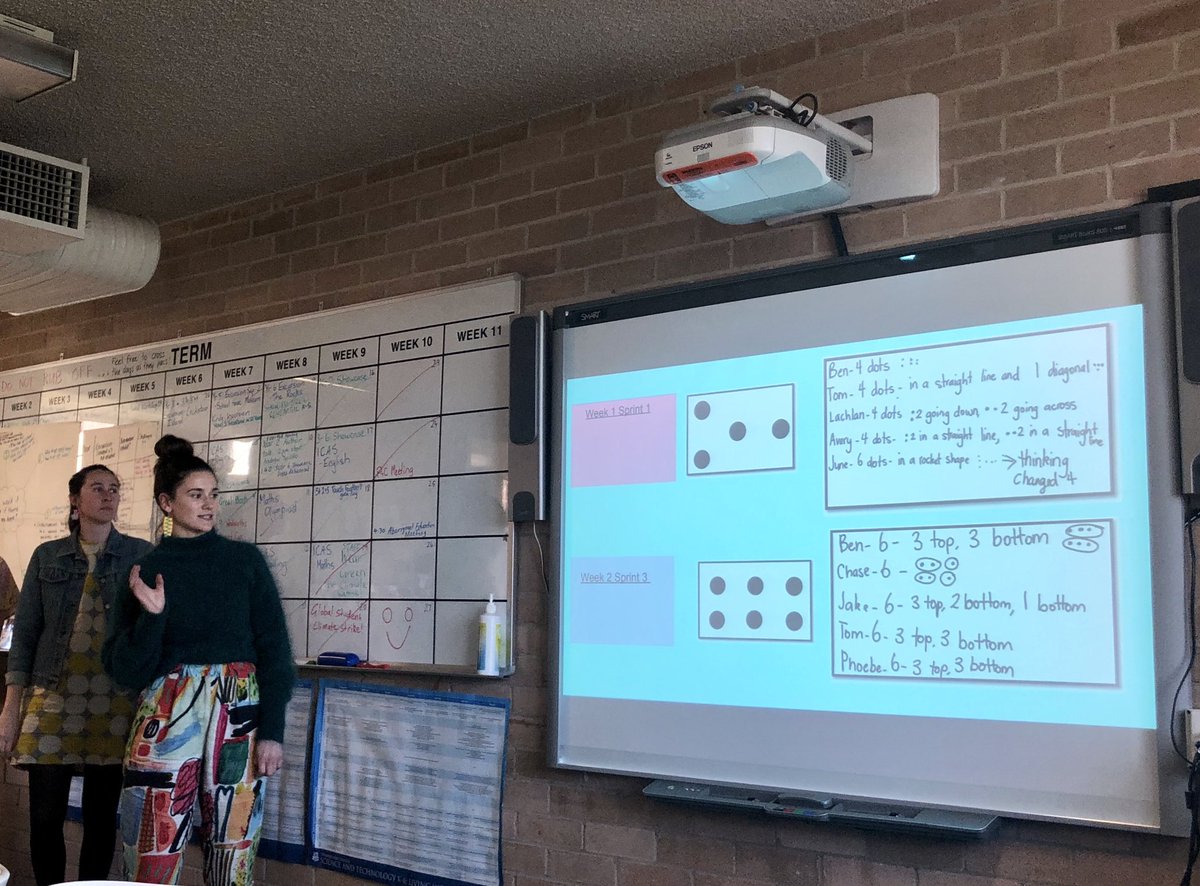
Had the pleasure today of visiting @StanmorePS, and seeing staff present on their @teachingsprints journey in term 3. Celebrating how teaching teams have enhanced teaching practice using evidence based interventions @Social_Ventures @BreakspearLearn
Another great blog by @rob_mason12 for the Science of Learning Centre @EduScienceMGSE providing some practical approaches to develop metacognition in learners
The evidence is clear that metacognition and self-regulated learning can accelerate student learning, but what does this look like in the classroom? Read our practical tips for integrating metacognition and self-regulated learning into the classroom. https://t.co/52ahiqQ4q5
First of a series of blogs on developing metacognition in learners from the science of learning centre @EduScienceMGSE as we prepare for the 2020 School Partnership Initiative
We are excited to present you with our introductory blog on Metacognition – the first in our series on learning science research, designed to help you start thinking about research evidence and how it could look in your classroom. https://t.co/VYDhhiurkH
Apply to be part of the University of Melbourne's Science of Learning Hub’s 2020 Initiative to support schools to build metacognitive learners, who know how to monitor and regulate their learning and are capable of significant gains in achievement. https://t.co/kQGxdHj84P
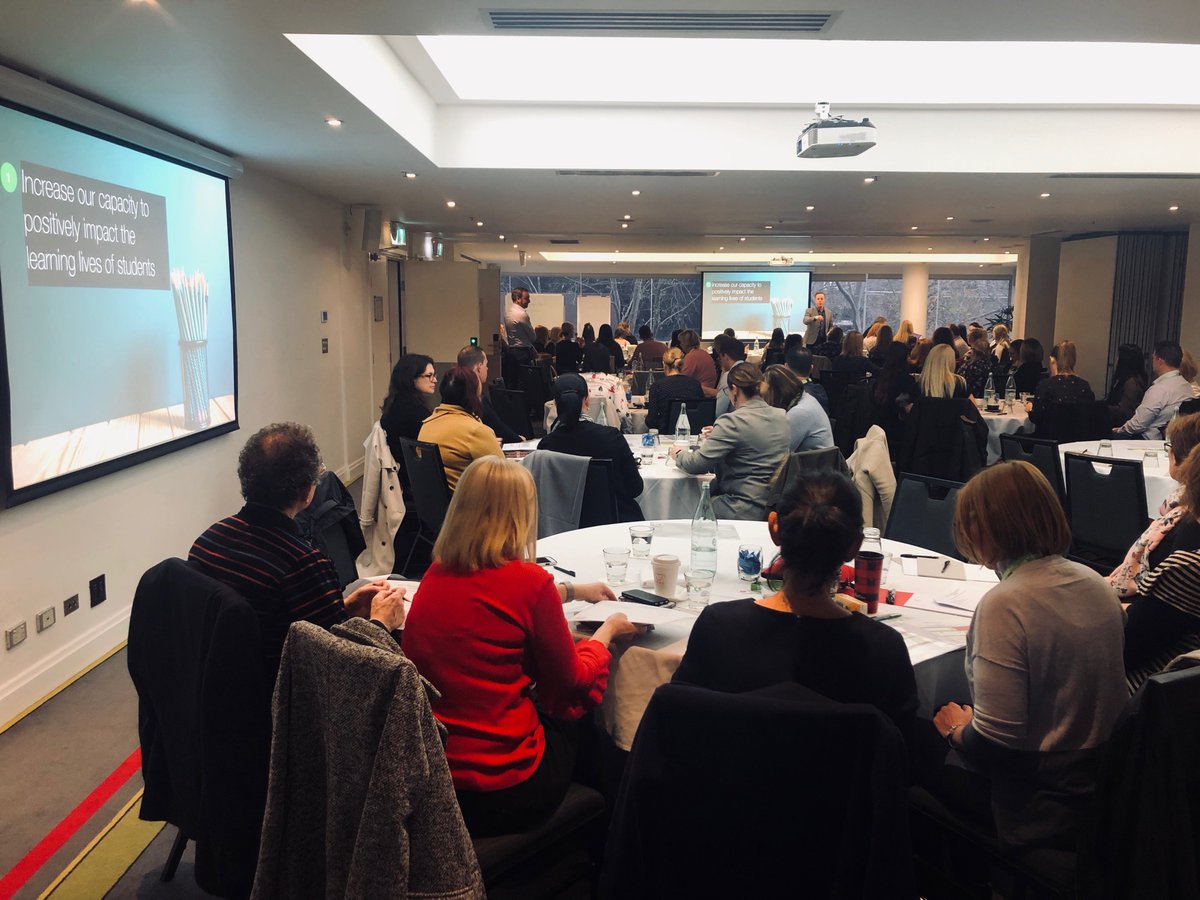
Fantastic to have Dr. Sean Kang presenting on how cognitive science can support durable and efficient learning to the 14 schools from the @EduScienceMGSE Partnership Initiative @john_hattie@SLRCAustralia @EduMelb
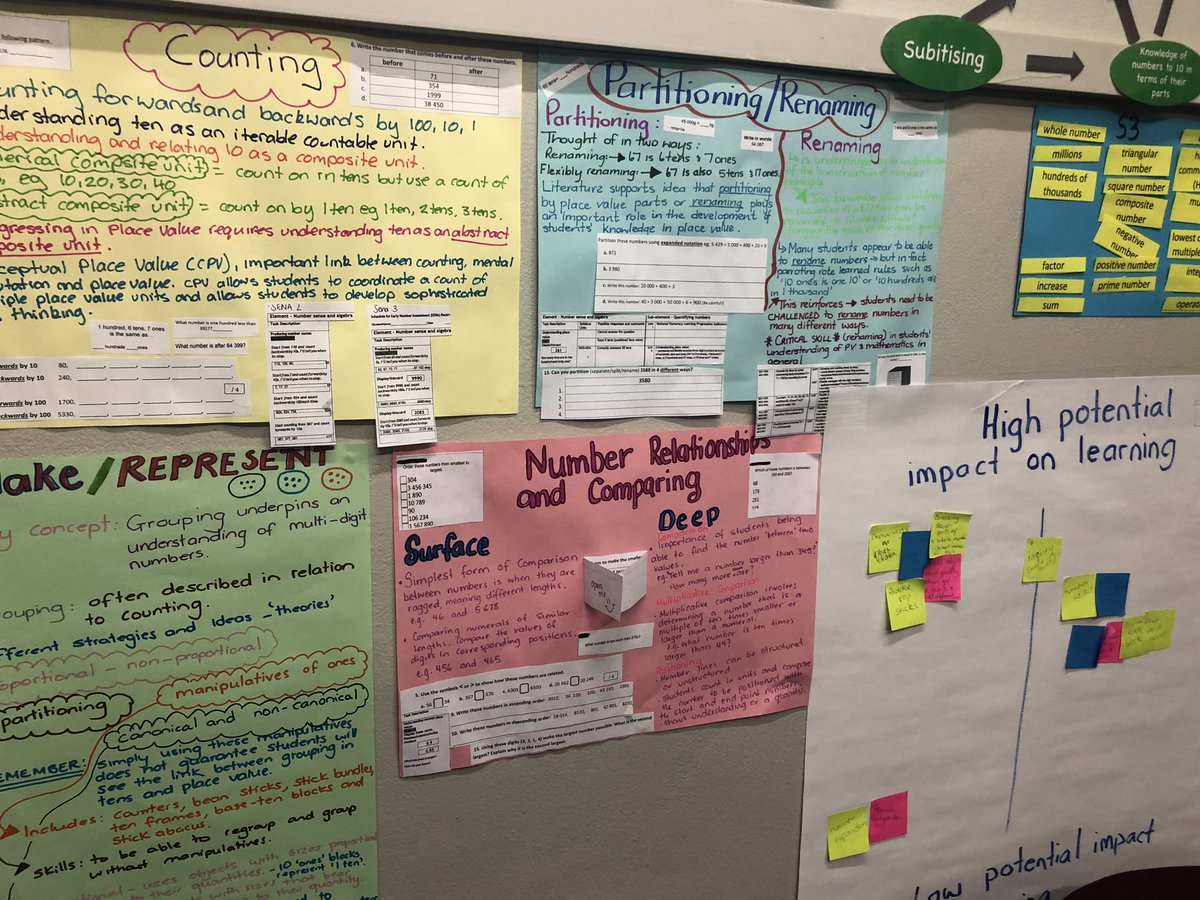
Interesting for Masters of Teaching Interns to view a selection of approaches, compared by cost of intervention and security of evidence-base, in the Evidence for Learning Toolkit. @E4Ltweets @Danielletoon @Social_Ventures@unimelb @EduMelb